






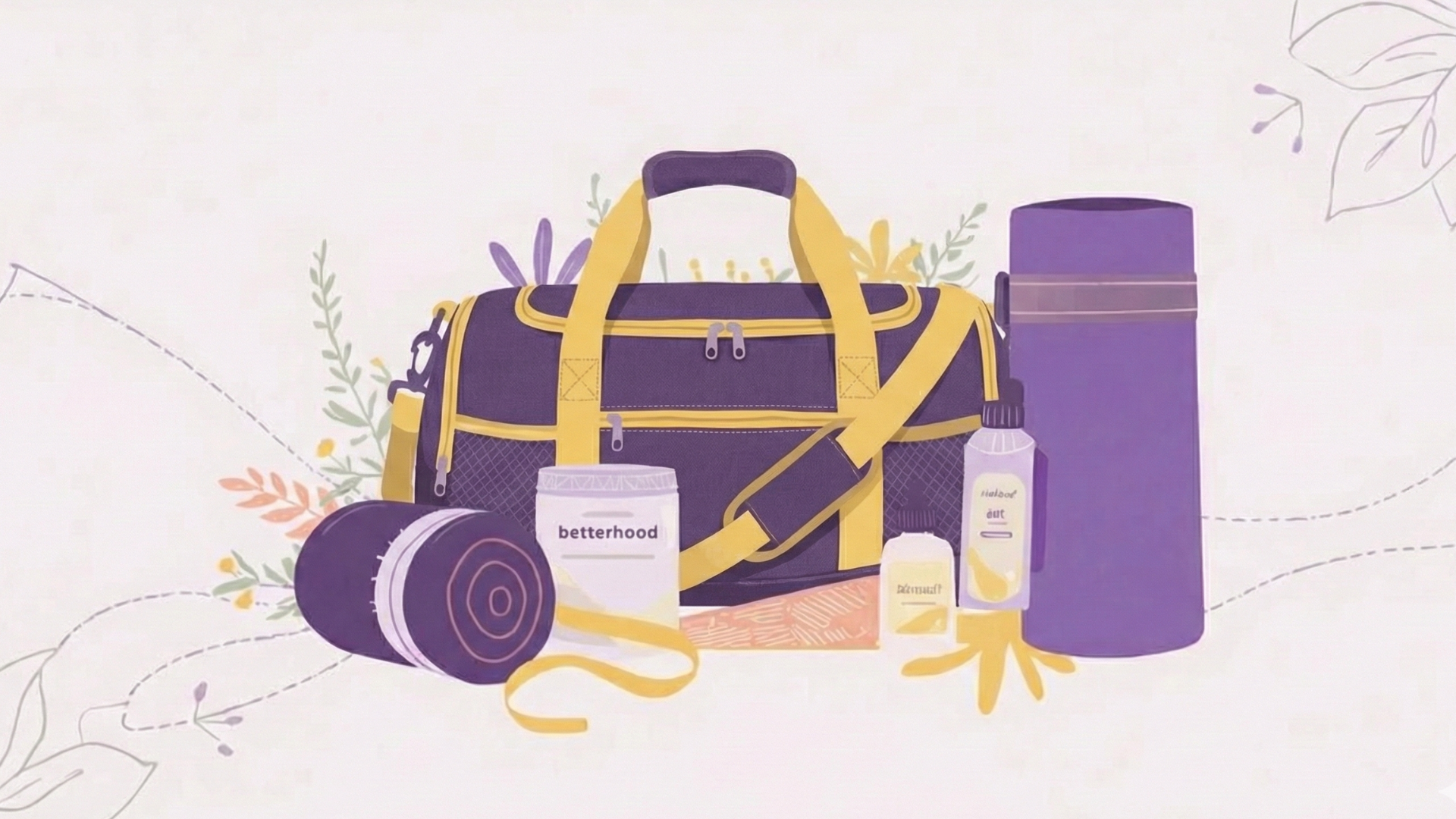
If you work out regularly, this is something you already know: the exercise is just about half of the whole story. What you do after your final rep usually determines whether you will feel more powerful the next day or will have a sensation like your body has aged ten years overnight.
Heavy workouts generate repeated strains on muscles, joints, and connective tissues. Micro-traumas appear in muscle fibers, joints are compressed, and inflammation develops quietly under the skin.
Recovery is a must. It has a direct impact on strength gains, risk of getting injured, ability to keep up with workouts, and even living comfort. The good thing is that you don’t have to have fancy recovery rooms or costly equipment. Having the proper gym recovery tools with you enables you to take care of the soreness right away, even on days when you have a lot of work and it seems like resting is impossible.
This article talks about five portable, simple, and user-friendly muscle recovery tools that won’t get in the way of your gym bag and will keep you up with the quick and smart recovery.
Gym Recovery Tools: How do they Boost Muscle Recovery, Reduce Soreness & Flexibility ?
Faster Muscle Repair
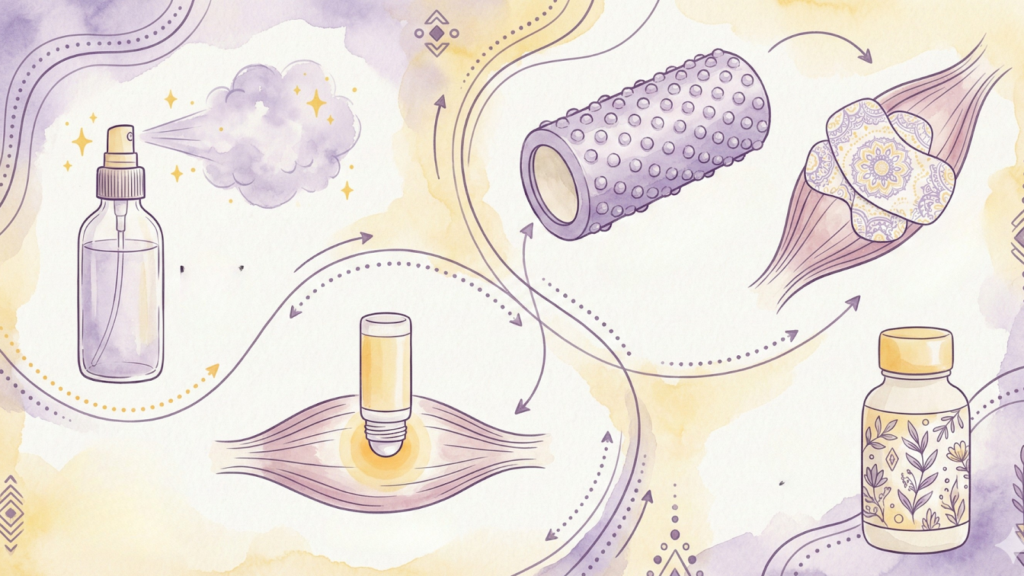
During resistance training and high-intensity workouts, muscle fibers get harmed on a microscopic level. This is a completely normal and necessary process for muscle growth, however, it is the repair phase that decides how fast and how well the muscles will adapt. There is evidence that exercise-induced inflammation if left unmanaged, can result in a delayed recovery and longer soreness [1].
Recovery tools are there to help the body heal by limiting excessive inflammation, enabling better blood flow, and lessening the stress on the tissues that are not directly involved. When muscles are given the chance to recuperate properly, you will be able to come back to the next training session with higher strength and less tiredness.
Consistency, which is the direct result of this, is what will eventually bring you progress.
Reduced Post-Gym Soreness
Delayed onset muscle soreness, or DOMS, is generally the strongest between 24 and 72 hours after a workout. It is caused by inflammation and the hypersensitivity of pain receptors resulting from muscle damage [2].
Although soreness is usually regarded as a sign of success, an excessive amount of DOMS can negatively affect one’s ability to move, sleep, and carry out everyday tasks.
The use of recovery tools shortly after workouts can lead to lower levels of muscle soreness and getting more comfortable when performing different movements [3]. With a little soreness, walking up the stairs will be easier, sitting will feel normal, and training will not be like a punishment.
Injury Prevention and Joint Protection
Joints and connective tissues are the parts that most of the time silently suffer during workouts, particularly in the case of high-volume lifting, running, or HIIT routines. The knees, wrists, ankles, shoulders, and lower back are the areas that are especially prone to getting injured. Bad recovery leads to increased stiffness of the tissues and changes in movement patterns, thus, the risk of getting injured becomes higher [4].
Recovery tools are capable of relieving the stress from joints, enhancing the stability, and keeping the movement mechanics at a normal, healthy level. For those who go to the gym regularly, this protective function is as important as the repair one.
1: Cold Therapy Sprays
How They Work:
Cold therapy sprays deliver instant cooling to the areas that need it, thus, it results in vasoconstriction, a process that temporarily limits the diameter of the blood vessels. The reduction in size of the vessels helps to lower the inflammation, the swelling and block the pain signals coming from the overly used tissues [5].
In contrast to icing, the sprays are fast, handy, and can be put on without interrupting the workout.
The sports medicine findings emphasize the role of localized cryotherapy in the alleviation of the perceived pain and muscle soreness that occur due to the intensive exercise [6]. Because of this, cold sprays become an instrument of choice when the discomfort situation arises out of the blue.
Best Use Cases
Cold therapy sprays will bring instant comfort and relief in cases like:
- knee sore feeling after heavy-legged days or doing squats.
- shoulder getting irritated after push workouts.
- lower back becoming tight after deadlifts or standing for a long time.
These are the moments when they ought to be operated, which is right after the finishing line or during the flare-ups; differently, they should not be exchanged for a proper cooldown routine.
2: Roll-On Pain Relief Gels
Targeted Relief Without Mess
Roll-on pain relief gels are a very precise method. The roller-ball mechanism makes it possible to deliver the product to the exact places that are tight and trigger points without using one’s hands. The majority of the formulations include the cooling component such as menthol, and the anti-inflammatory compounds can be derived from plants [7].
Since the gels absorb fast and leave no oily residue, roll-ons are very convenient both in the gym and during the post-work routines. Another thing that you may do is, putting the gel on between the sets, after the workout or even before going home by the bus.
When to Use
Roll-on gels work best with:
- Muscle knots in calves, traps, and forearms
- Tightness after high-volume training days
- Localized soreness from repetitive movements
The article points out that the regular use of topical analgesics may lead to the reduction of muscle discomfort and the feeling of recovery [8].
3: Muscle Relief Lotions
Cooling vs Warming Formulas
Muscle relief lotions can both have a cooling effect or a warming one, and each version is aimed at a different recovery goal. Cooling lotions work through calming the inflammatory process and alleviating the pain, so they are good after heavy workouts. Warming lotions, on the other hand, can help bring more blood to the area and make the tissues more flexible, which is beneficial in case of stiffness and for getting better mobility [9].
Usually athletes use one or the other depending on their training load and the phase of recovery that they are going through. The cooling one is used right after the training. The warming one is used before light work or stretching.
Ideal Muscle Groups
Muscle relief lotions are good for large muscle groups that are under heavy load such as:
- Lower back and the muscles along the spine,Hamstrings and quadriceps.
- Glutes after compound lifts.
The combined use of massage and topical lotions has been proven to be more effective in muscle relaxation and in reduction of stiffness [10].
Even a few minutes of self-massage may bring a noticeable change.
4: Recovery Patches
Long-Lasting Support
Recovery patches provide a gradual delivery of the active ingredients for several hours, thus, they are offering a long-lasting relief without the necessity of repeated applications. The studies conducted on transdermal delivery systems report that they may be a source of pain relief for up to 12 hours [11].
Patches, therefore, are the best solution for those who train in the morning before going to work or late at night and need support that lasts throughout the daily activities.
Best For : Recovery patches can bring a lot of help to the following:
- Neck stiffness which is a result of upper-body training
- Lower back fatigues after compound lifts
- Knee discomfort caused by leg-focused sessions
They work quietly and efficiently in the background, thus, patches allow you to recover without interfering with your timetable.
5: Compression Supports
Types of Supports
Compression supports are one of the most multifunctional performance tools. There is a variety of common options such as:
- Knee sleeves that are intended for use in squats, lunges, and running.
- Wrist braces that are helpful during pushes and pulls exercises.
- Ankle supports that are used in plyometrics and cardio.
Along with offering gentle compression, these supports also give the user some structural support.
Recovery and Performance Boost
It has been demonstrated that the use of various compression garments contributes to the improvement of blood circulation, reduction of muscle swelling, and proprioception enhancement, which is the ability that assists the body in sensing joint position more accurately [12]. Due to better circulation, muscles receive more nutrients, while at the same time, the stability helps to reduce the strain that is a result of movements.
Along with reduced fatigue, many athletes also report the performance of recovery is enhanced when they consistently use compression supports during and after workouts. [13].
Compact Recovery Tools That Support Muscle Relief After Workouts
If your gym bag allows extra room, these tools add value:
- Mini foam rollers for myofascial release
- Massage balls for deep trigger point work
- Resistance bands for cooldown stretching
Foam rolling and self-myofascial release have been linked to improved flexibility and reduced muscle soreness when performed post-exercise [14]. These tools are especially helpful for daily trainers.
How to Build a Recovery Kit Based on Your Gym Routine?
For Weight Lifters
Heavy lifting places a significant load on joints and connective tissues. A practical kit includes:
- Cold therapy spray for acute soreness
- Knee sleeves for joint support
- Roll-on gel for targeted muscle relief
For Runners
Running stresses lower limbs repeatedly. A recovery kit should include:
- Compression sleeves for calves and knees
- Recovery patches for post-run soreness
- Massage ball for plantar fascia and calves
For HIIT Enthusiasts
HIIT combines impact and intensity. Useful tools include:
- Cooling gel for inflammation control
- Ankle support for stability
- Resistance bands for post-workout stretching
For Beginners
New gym-goers often experience exaggerated soreness. A simple kit works best:
- Mild muscle relief lotion
- Light compression support
- Gentle stretching tools
Starting with recovery habits early reduces dropout rates and injury risk .
Safety Tips for Using Gym Recovery Tools
Avoid excessive use of cold sprays on the same area, as prolonged cold exposure can irritate skin and nerves [16].
- Always choose skin-safe, dermatologically tested products.
- Ensure compression supports fit snugly but do not restrict circulation.
- Recovery tools support healing but do not replace rest, proper form, hydration, and nutrition.
Listening to your body remains the most effective recovery strategy.
Conclusion
Smart training does not end with your final rep. Recovery is where strength is rebuilt, joints are protected, and consistency is preserved. Keeping the right muscle recovery tools in your gym bag allows you to care for your body in real time, not just when pain becomes unavoidable. Whether you train for strength, endurance, or general fitness, prioritizing recovery helps you move better, feel better, and stay committed long-term. A well-supported body trains longer, safer, and stronger.
Explore More Health & Wellness Solutions:
Want to stay informed about wellness and everyday health issues? Here are some insightful reads to guide you. Explore the links below for practical tips and solutions.
- How to Prevent Knee Injuries: Proven Tips, and Lifestyle Strategies for Stronger Joints
- How Can Knee Cap Support Help Prevent Injury and Reduce Pain While Running
- 10 Effective Home Remedies for Body Pain Relief Naturally
- Mobility Exercises: Benefits, Techniques & Routines for Better Movement
Frequently Asked Questions:
1. How do recovery tools help improve athletic performance?
There are a few impressive ways that recovery tools help to improve athletic performance. They can increase blood flow, which helps to prime your muscles for the work to come while also increasing your body’s ability to remove waste. Recovery tools can also increase flexibility and mobility, and decrease the feeling of soreness, so you’re more able to tackle athletic goals.
2. What are the most effective recovery tools for athletes and runners?
Your recovery tool of choice depends on your personal preference. However, athletes and runners may benefit the most from foam rollers and massage guns. Foam rollers can help support the flexibility needed by runners and athletes, while massage guns are perfect for deep tissue work on problem areas.
3. How soon after a workout should I use muscle recovery tools?
Muscle recovery tools work best when used within 30 minutes after finishing your workout. This is when inflammation and muscle stress are highest. Using tools like cold sprays, compression sleeves, or recovery gels during this window can help control soreness, improve circulation, and support faster muscle repair.
4. Do muscle recovery tools actually reduce soreness or just mask pain?
Most recovery tools do more than just mask pain. Cold therapy reduces inflammation, compression supports improve blood flow, and topical products calm overactive pain receptors. When used correctly, these tools help the body recover more efficiently rather than simply hiding discomfort. However, they should be combined with rest, hydration, and proper training form for long-term results.
5. What are the best tools for muscle recovery?
Compression Sleeves & Braces. Foam Rollers. TENS Units & Muscle Stimulators. Water Bottles. Contrast Therapy: Hot & Cold Therapy. Sleep Solutions.
6. Are compression sleeves and knee supports safe to use every day?
Yes, compression sleeves and knee supports are generally safe for daily use if they fit properly and are not overly tight. They help reduce swelling, improve joint awareness, and support movement during workouts or long work hours. It is important to remove them periodically and avoid relying on them instead of strengthening exercises.
7. Which muscle recovery tools are best for beginners experiencing severe soreness?
Beginners often benefit most from mild muscle relief lotions, light compression supports, and gentle stretching tools like resistance bands. These options reduce soreness without overwhelming the body. Starting recovery habits early helps beginners stay consistent with workouts and lowers the risk of injury or burnout.
References:-
1. Howard, E. E., & Smith, A. C. (2020). Divergent roles of inflammation in skeletal muscle regeneration and muscle protein turnover. Frontiers in Physiology, 11,https://pmc.ncbi.nlm.nih.gov/articles/PMC7031348/
2. Cheung, K., Hume, P., & Maxwell, L. (2003). Delayed onset muscle soreness: Treatment strategies and impact on athletic performance. Sports Medicine, 33(2), 145–164.https://pubmed.ncbi.nlm.nih.gov/12617692/
3. Bezuglov, E., & colleagues (2021). The prevalence of use of various post-exercise recovery techniques. Nutrients, 13(11), 3948.https://pmc.ncbi.nlm.nih.gov/articles/PMC8583677/
Ippolito, J., Siracuse, B. L., Beebe, K. S., & Rynecki, E. (2019). High-intensity interval training increases injuries: Analysis of the National Electronic Injury Surveillance System. Journal of Sports Medicine and Physical Fitness, 59(4),https://www.rutgers.edu/news/high-intensity-interval-training-increases-injuries-rutgers-study-finds
4. Malanga, G. A., Yan, N., & Stark, J. (2015). Mechanisms and efficacy of heat and cold therapies for musculoskeletal pain. Postgraduate Medicine, 127(1), 57–65.https://pubmed.ncbi.nlm.nih.gov/25526231/
5. Bleakley, C., & colleagues (2015). The effects of cryotherapy on recovery from exercise-induced muscle damage: A systematic review and meta-analysis. The Journal of Sports Medicine and Physical Fitness, 55(3),.https://pubmed.ncbi.nlm.nih.gov/33877402/
6. Avrahami, D., & colleagues (2012). A randomized, placebo-controlled, double-blinded study of topical analgesic roll-on gels for myofascial pain. Journal of the Canadian Chiropractic Association, 56(1), 28–36https://pmc.ncbi.nlm.nih.gov/articles/PMC3337242/
7. Hill, D. W. (1989). Effectiveness of 10% trolamine salicylate cream on exercise-induced muscular soreness. Journal of Orthopaedic & Sports Physical Therapy, 11(1), 19–23. https://doi.org/10.2519/jospt.1989.11.1.1
8. Malanga, G. A., Yan, N., & Stark, J. (2015). Mechanisms and efficacy of heat and cold therapies for musculoskeletal pain. Postgraduate Medicine, 127(1), 57–65.https://pubmed.ncbi.nlm.nih.gov/25526231/
9. ChinaGel. (n.d.). The role of massage cream in physical therapy. https://chinagel.com/blogs/ne
10. Sánchez, M. B., & colleagues (2024). Efficacy of transdermal anti-inflammatory patches for musculoskeletal pain: A systematic review. Pain Medicine, 25(11), 1894–1904.https://pmc.ncbi.nlm.nih.gov/articles/PMC11730417/
11. Hong, W. H., & colleagues (2022). Effects of compression garment on muscular efficacy, proprioception, and recovery after exercise-induced muscle fatigue. PLOS ONE, 17(2),https://journals.plos.org/plosone/article?id=10.1371%2Fjournal.pone.0264569
12. Hill, J., & colleagues (2015). Compression garments and exercise: No influence of pressure on performance, but beneficial effects on recovery. Journal of Science and Medicine in Sport, 18(2), 188–193.https://pmc.ncbi.nlm.nih.gov/articles/PMC4306786/
13. Macdonald, G. Z., Penney, M. D., Mullaley, M. E., Cuconato, A. L., Drake, C. D., Behm, D. G., & Button, D. C. (2014). An acute bout of self-myofascial release increases range of motion without a subsequent decrease in muscle activation or force. Journal of Strength and Conditioning Research, 27(3),https://pmc.ncbi.nlm.nih.gov/articles/PMC4831860/


