





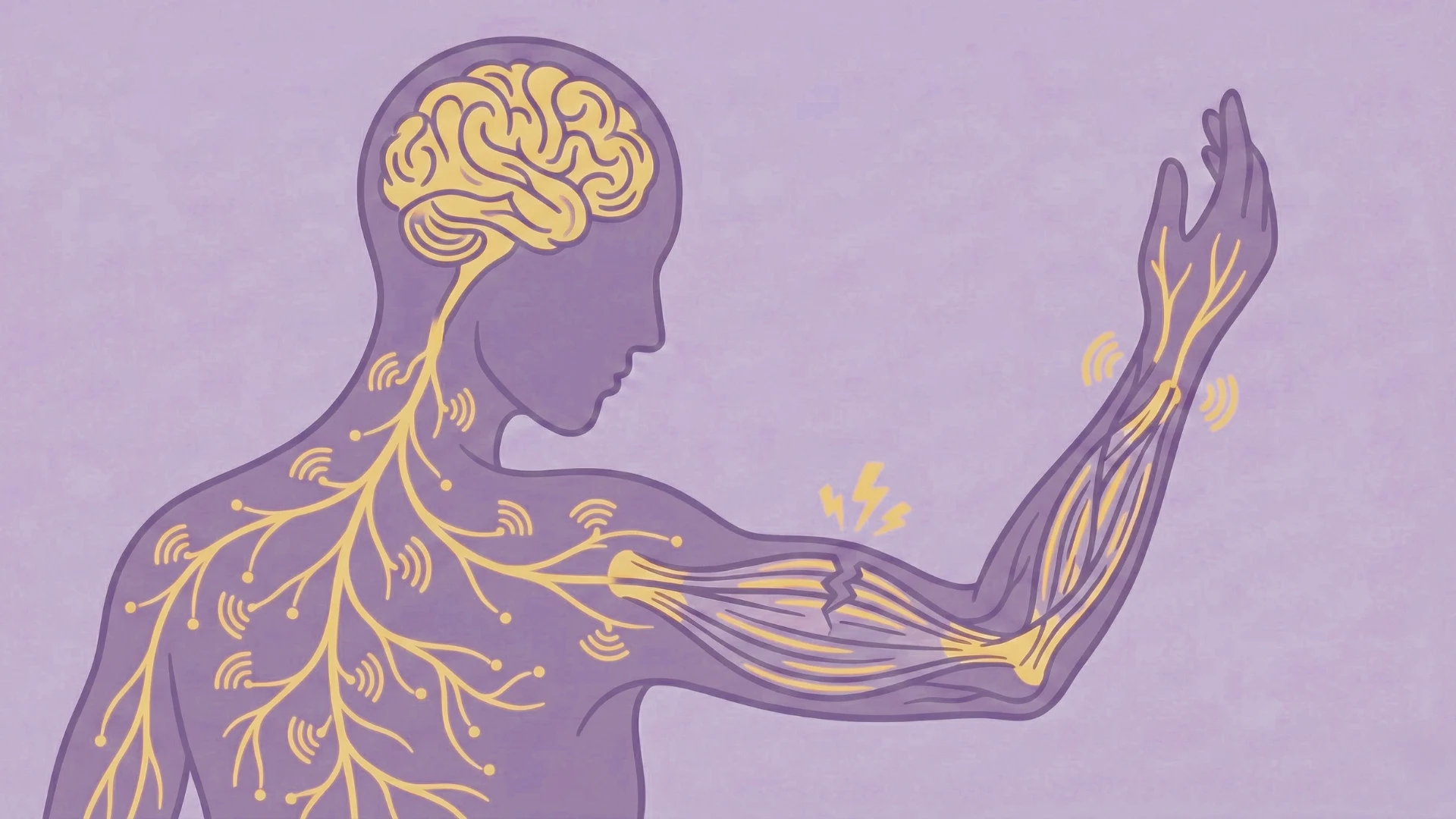
Strained muscles may not be pleasant, but they are not the main problem. The nerve tissue that is responsible for all the movements and is located quietly behind the muscles is where the real trouble is, which usually follows the muscle strains. In recent years, scientists have been investigating the process of the regeneration of peripheral nerves, how long it takes, and what kind of external assistance may be beneficial for the system. Although surgery, rehabilitation, and time are still the main factors in the case of major nerve injuries, there is an increasing number of people interested in the question of whether the local recovery means – magnesium lotions, arnica gels, and essential oil blends – could create a supportive environment in the nerve tissue after common everyday strains. These products do not have magical powers, but if applied in the right way, they can make a good rehab, smarter movement, and better self-care more effective in combination.
This article breaks down nerve tissue in plain language, connects it to muscle strains, and explains how topical aids can support the body’s own repair mechanisms; without asking you to earn a neuroscience degree along the way.
Understanding Nerve Tissue in Muscle Recovery
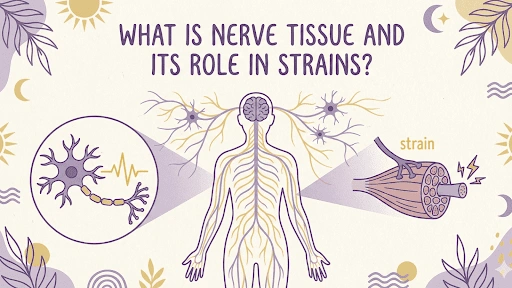
What Is Nerve Tissue and Its Role in Strains?
Nerve tissue is the electrically functioning system of the body, neurons, and the supporting cells that form the network and transmit the signals between the brain, spinal cord, and other parts of the body. On the other hand, the peripheral nerves are the ones that carry the motor signals from the brain to the muscles in the case of muscles, the signals which make the muscles contract and relax, and the sensory signals that inform the brain about pain, temperature, and position [1].
In a muscle strain:
- Muscle fibers are overstretched or torn.
- Small blood vessels may be damaged.
- Nearby nerve endings and branches can be compressed, inflamed, or irritated.
Even when imaging or examination says “just a muscle strain,” the nerve tissue often receives the equivalent of a noisy, static-filled connection for a while. This explains why:
- Pain can feel sharp, burning, or electric rather than just dull and achy.
- The area may be extra sensitive to touch.
- Coordination and strength can feel “off,” even after the initial soreness fades.
Why Muscle Strains Trigger Neural Damage?
Normally, daily strains are not so severe that they result in nerve severance; however, such strains may cause:
- Neurapraxia: A temporary block in nerve conduction, often from compression or stretching, leading to pain, numbness, or weakness that usually resolves with time.
- Local inflammation: The swelling and chemical mediators at the site of the injury that irritate the nerve endings, provoking them to amplify the pain signals they send to the brain.
- Changed movement: The protective, awkward patterns after a strain put the nerve pathways that were not affected before under new stress, thus, a ripple effect is generated.
Peripheral nerves are quite strong and can withstand a lot, but still, they don’t like being stretched or squeezed. The nerve tissue, which is the victim of the swelling caused by the muscle strain, is caught in the tight, thus increasing its sensitivity and slowing the return to normal function if proper cure process is not carried out.
The Science of Neural Regeneration
Stages of Nerve Tissue Repair Post-Injury
Peripheral nerve tissue, unlike the brain and spinal cord, has some capacity to regenerate. In more severe injuries, regeneration follows several biological stages:
- Degeneration phase: Damaged segments of the nerve distal to the injury break down in a process called Wallerian degeneration [2].
- Cleaning phase: Immune cells and Schwann cells clear debris, preparing the path for regrowth.
- Regrowth phase: Axons (the long “wires” of neurons) sprout and attempt to grow along their original pathways, guided by Schwann cells and the surrounding environment.
- Reinnervation phase: If all goes well, axons reconnect with target muscle fibers or sensory receptors, restoring function over weeks to months.
For minor irritation and strain-level involvement, the process is far less dramatic, but the same principles apply: nerves need a calm, well-perfused, low-inflammation environment to recover their normal signaling abilities.
Factors Accelerating Nerve Tissue Healing Naturally
Nerve tissue is not impressed by quick fixes; it prefers consistency and good conditions. Several factors can support healthier regeneration and recovery:
- Adequate blood flow: Oxygen and nutrients are essential for nerve metabolism and repair.
- Controlled inflammation: Some inflammation is normal, but excessive or prolonged inflammation can delay nerve healing.
- Nutritional support: Sufficient intake of B vitamins, magnesium, and omega-3 fatty acids may support nerve health and function, although individual responses vary [3].
- Appropriate loading and rehab: Gentle, progressive movement stimulates better nerve-muscle communication and prevents the nervous system from becoming hypersensitive to normal activity.
- Sleep and stress management: Poor sleep and chronic stress can heighten pain sensitivity and interfere with tissue repair, including nerve tissue.
Topical recovery aids fit into this picture by helping to manage local blood flow, inflammation, and pain signaling in the area surrounding nerve tissue, especially after a strain.
Topical Recovery Aids Explained
Magnesium Lotion’s Direct Impact on Nerve Tissue Function
Magnesium is the main element involved in a hundred different biochemical reactions, and among these is nerve conduction, muscle contraction, and relaxation. Even though most of the research is on oral magnesium, there is a growing interest in the topical forms such as magnesium chloride gels and lotions that are made for use.
Studies on transdermal magnesium suggest:
- Studies on transdermal magnesium indicate that some absorption through the skin is possible, especially with repeated application, although the extent can vary by product and individual [4].
- Magnesium may help regulate calcium channels that are responsible for nerve excitability, thus nerve firing that is overactive and that contributes to pain and cramping may be reduced.
- In certain exercise conditions, magnesium has been linked to the perception of lessening of the muscle soreness and the facilitation of recovery, however, the results are not positive in all the trials.
In simple terms, magnesium lotion is not a superpower for nerve tissue, but it might:
- Help tense muscles relax around irritated nerve pathways.
- Slightly calm overexcitable nerve endings in strained regions.
- Improve comfort enough that people move better, which indirectly supports nerve and muscle recovery.
Arnica and Essential Oils for Neural Support
Arnica montana has a long history in topical preparations for bruises, sprains, and muscle soreness. Modern research has examined its anti-inflammatory and analgesic potential in various formulations. Evidence suggests that certain arnica preparations may:
- Reduce pain and stiffness in musculoskeletal conditions when used consistently.
- Exert anti-inflammatory effects in animal and in vitro models, potentially modulating pathways relevant to pain transmission [5].
Essential oils such as peppermint (menthol), lavender, and eucalyptus are also common in recovery creams. Some have been studied for:
- Local cooling or warming sensations that distract from pain.
- Mild analgesic or muscle-relaxant properties.
- Relaxation effects that can reduce perceived pain intensity.
While these topicals do not regenerate nerve tissue directly, they can make the environment around nerve endings less hostile: less inflamed, less painful, and more conducive to normal movement patterns.
How Topical Aids Boost Nerve Tissue Regeneration?
Enhanced Blood Flow to Nerve Endings
Healthy nerve tissue needs a steady supply of oxygen and nutrients via small blood vessels called the vasa nervorum [6]. After a strain, local tightness and swelling can compromise microcirculation, leaving nerve endings grumpy and under-resourced.
Certain topical agents help by:
- Producing a warming effect that gently increases local blood flow.
- Improving muscle relaxation, which reduces mechanical compression on nearby nerves.
- Encouraging people to massage the area, which itself can stimulate circulation.
When microcirculation improves, nerve tissue receives better fuel for repair and signal normalization, even if the product is not “regenerating” nerves in a direct, dramatic way.
Reducing Inflammation Around Neural Pathways
A major driver of nerve-related pain after strains is the chemical soup around the injury; cytokines, prostaglandins, and other inflammatory mediators that sensitize nerve endings. Some topical ingredients, including arnica and specific plant-based compounds, have demonstrated anti-inflammatory effects in laboratory and clinical settings [7].
When inflammation is better controlled:
- Pain signals decrease.
- Nerve endings become less hypersensitive.
- Movement becomes more tolerable, which promotes healthier neuromuscular patterns and prevents chronic sensitization.
Topical magnesium may also contribute indirectly by supporting normal muscle tone and reducing the intensity of spasms that aggravate nerves.
Application Protocols for Optimal Results
Timing and Dosage for Post-Strain Use
Timing matters. Immediately after a strain, the priority is to manage swelling, protect the area, and avoid overloading the injured tissue. Topical recovery aids often fit best in the subacute phase; once the initial redness, heat, and severe pain have begun to settle.
Practical considerations:
- Start with a small amount of product to test skin tolerance.
- Apply 1-3 times daily, depending on product instructions and skin sensitivity.
- Avoid broken skin or open wounds, as most topicals are designed for intact skin only.
- Combine with basic post-strain strategies like relative rest, elevation, and gradual return to movement.
Consistency is more important than slathering on half a bottle at once. Nerves appreciate a predictable routine more than an enthusiastic one-time effort.
Combining with Gentle Movement Therapies
Topical products work best when they are not the only strategy in play. Gentle, guided movement helps the nervous system “relearn” that certain motions are safe, reducing fear and pain amplification.
Helpful combinations can include:
- Light range-of-motion exercises after applying lotion or gel.
- Gradual, pain-free stretching of the involved muscle group.
- Simple balance or coordination drills prescribed by a physiotherapist.
- Integration with manual therapy, when recommended by a clinician.
The goal is to create a virtuous cycle: less pain → better movement → improved nerve-muscle communication → continued reduction in pain and stiffness.
Real-World Evidence and Studies
Clinical Trials on Topical Magnesium
Research on topical magnesium remains mixed, with some small studies suggesting benefits for muscle recovery and soreness, and others finding minimal effects compared to placebo. For example:
- A trial using transdermal magnesium chloride reported modest improvements in perceived muscle soreness and function after eccentric exercise in some participants [8].
- Other work has questioned the extent of magnesium absorption through the skin and found no significant changes in performance or recovery markers in certain groups.
These findings do not invalidate the experience of people who feel better with magnesium gels or lotions. They highlight that:
- Individual responses vary.
- Topical magnesium is best considered a supportive tool, not a stand-alone cure.
- It works best within a broader recovery plan that includes active rehabilitation and good lifestyle habits.
Athlete Case Studies in Neural Recovery
Athletes are often early adopters of topical recovery products, partly because they are desperate to avoid sitting out games and partly because they are willing to try just about anything that might help. Case reports and practical experience in sports settings suggest:
- Many athletes use magnesium, arnica, and essential-oil blends as part of their regular post-training routines to manage soreness and nerve irritation after repetitive strain.
- When combined with structured rehab and load management, these topicals can improve comfort and perceived readiness to return to play.
- Coaches and clinicians emphasize that products are adjuncts, not replacements, for evidence-based rehabilitation protocols and medical evaluation for serious injuries.
While case studies cannot prove cause and effect, they align with the broader understanding that supporting the local environment around nerve tissue; even through relatively simple measures, can make recovery more tolerable and sustainable.
Preventive Strategies for Nerve Health
Daily Topical Routines to Protect Nerves
Prevention is less glamorous than heroic comebacks, but nerve tissue thrives on consistency. For people prone to recurrent strains or nerve irritation, a simple topical routine can play a supportive role:
- Use a light layer of recovery lotion on historically sensitive areas after high-load days.
- Combine application with a few minutes of self-massage to maintain tissue suppleness and awareness.
- Integrate with warm-up and cool-down routines to keep the neuromuscular system “reminded” of balanced movement.
The goal is not to become dependent on products, but to use them as small, daily nudges toward a healthier environment for muscles and nerve tissue.
Nutrition Synergies with Topical Aids
No lotion can compensate for chronically poor recovery inputs. Nerve tissue responds positively to:
- Adequate protein for tissue repair.
- Supplementation with B complex vitamins, especially B1, B6, and B12 that are known to be associated with nerve function.
- Magnesium and omega-3 fats through the daily diet as they help to activate the anti-inflammatory pathways and maintain normal signal transmission [9].
- Hydration in this case as it facilitates the maintenance of blood volume and nutrient delivery.
Under fairly good nutrition and sleep conditions, topical products become merely the finishing touches of a well-thought-out plan rather than costly bandages that cover up a lifestyle issue.
End Note
Nerve tissue may not get the same importance as muscles, but it is the one that quietly determines the speed and efficiency of your recovery from a strain. In the case of severe nerve injuries, the need for specialist care is obvious, but low-level neural irritation that frequently accompanies everyday strains can benefit from less inflammation, better blood flow, and calmer signaling at the local level.
On their own, magnesium lotions, arnica gels, and essential-oil blends cannot regrow nerve tissues, but they can support comfort, movement, and the conditions of nerve tissue. Together with mindful rehabilitation, good habits, and a little patience, they make the transition of nerve tissue from an angry” electrician to a cooperative partner in your recovery story.”
Also, eager to know other effective strategies to recover from pain? Check these now:
Frequently Asked Questions:
Nerve tissue carries the pain signals you feel after a strain and controls the muscle activation needed for a full return to strength and coordination. If nerve pathways remain irritated or hypersensitive, the muscle may feel weak, “switched off,” or unreliable even after the initial soreness fades.
Magnesium is involved in nerve conduction and muscle relaxation, and topical forms may help reduce local muscle tension and modulate nerve excitability in the area where they are applied. This does not replace true nerve regeneration processes, but it can make the environment more comfortable and supportive for recovery.
Most topical products are best introduced after the very acute phase, once intense heat, redness, and swelling have begun to settle. They can then be used 1-3 times per day, based on instructions and tolerance, alongside gentle movement and rehabilitation.
No. Topical products are complementary tools, not substitutes for proper assessment, graded exercises, and, when needed, medical or physiotherapy care. They work best when integrated into a broader plan that includes movement re-education and load management.
Early positive signs include:
Reduced sharp, burning, or electric pain.
Improved tolerance to touch and movement around the injured area.
Gradual return of strength, coordination, and confidence in using the limb.
References
- Horch, K. W., & Burgess, P. R. (2004). Peripheral nervous system. Neuroprosthetics: Theory and Practice, 342-447. https://books.google.com/books?hl=en&lr=&id=9dDUCgAAQBAJ&oi=fnd&pg=PA30&dq
- Gaudet, A. D., Popovich, P. G., & Ramer, M. S. (2011). Wallerian degeneration: gaining perspective on inflammatory events after peripheral nerve injury. Journal of neuroinflammation, 8(1), 110. https://doi.org/10.1186/1742-2094-8-110
- Businaro, R. (2022). Food supplements to complement brain functioning. The benefits of a combination of magnesium, folic acid, omega-3 fatty acids and vitamin E. F1000Research, 11, 1-18. https://iris.uniroma1.it/handle/11573/1671621
- Kass, L., Rosanoff, A., Tanner, A., Sullivan, K., McAuley, W., & Plesset, M. (2017). Effect of transdermal magnesium cream on serum and urinary magnesium levels in humans: A pilot study. PLoS One, 12(4), e0174817. https://doi.org/10.1371/journal.pone.0174817
- Röhrl, J., Piqué-Borràs, M. R., Jaklin, M., Werner, M., Werz, O., Josef, H., … & Künstle, G. (2023). Anti-inflammatory activities of Arnica montana planta tota versus flower extracts: analytical, in vitro and in vivo mouse paw oedema model studies. Plants, 12(6), 1348. https://doi.org/10.3390/plants12061348
- Aalkjær, C., Nilsson, H., & De Mey, J. G. (2021). Sympathetic and sensory-motor nerves in peripheral small arteries. Physiological reviews. https://doi.org/10.1152/physrev.00007.2020
- Robledo, S. M., López, L., Quintero, J., Tabares, Y., Garcés, A. C., Rios-Echavarria, S., … & Schmidt, T. J. (2025). A phase Ib/II clinical study to evaluate the safety and efficacy of topical Arnica tincture to treat non-complicated cutaneous leishmaniasis in Colombia. PLoS neglected tropical diseases, 19(8), e0013123. https://doi.org/10.1371/journal.pntd.0013123
- Tarsitano, M. G., Quinzi, F., Folino, K., Greco, F., Oranges, F. P., Cerulli, C., & Emerenziani, G. P. (2024). Effects of magnesium supplementation on muscle soreness in different type of physical activities: a systematic review. Journal of translational medicine, 22(1), 629. https://doi.org/10.1186/s12967-024-05434-x
- Calder, P. C. (2013). Omega‐3 polyunsaturated fatty acids and inflammatory processes: nutrition or pharmacology?. British journal of clinical pharmacology, 75(3), 645-662. https://doi.org/10.1111/j.1365-2125.2012.04374.x