






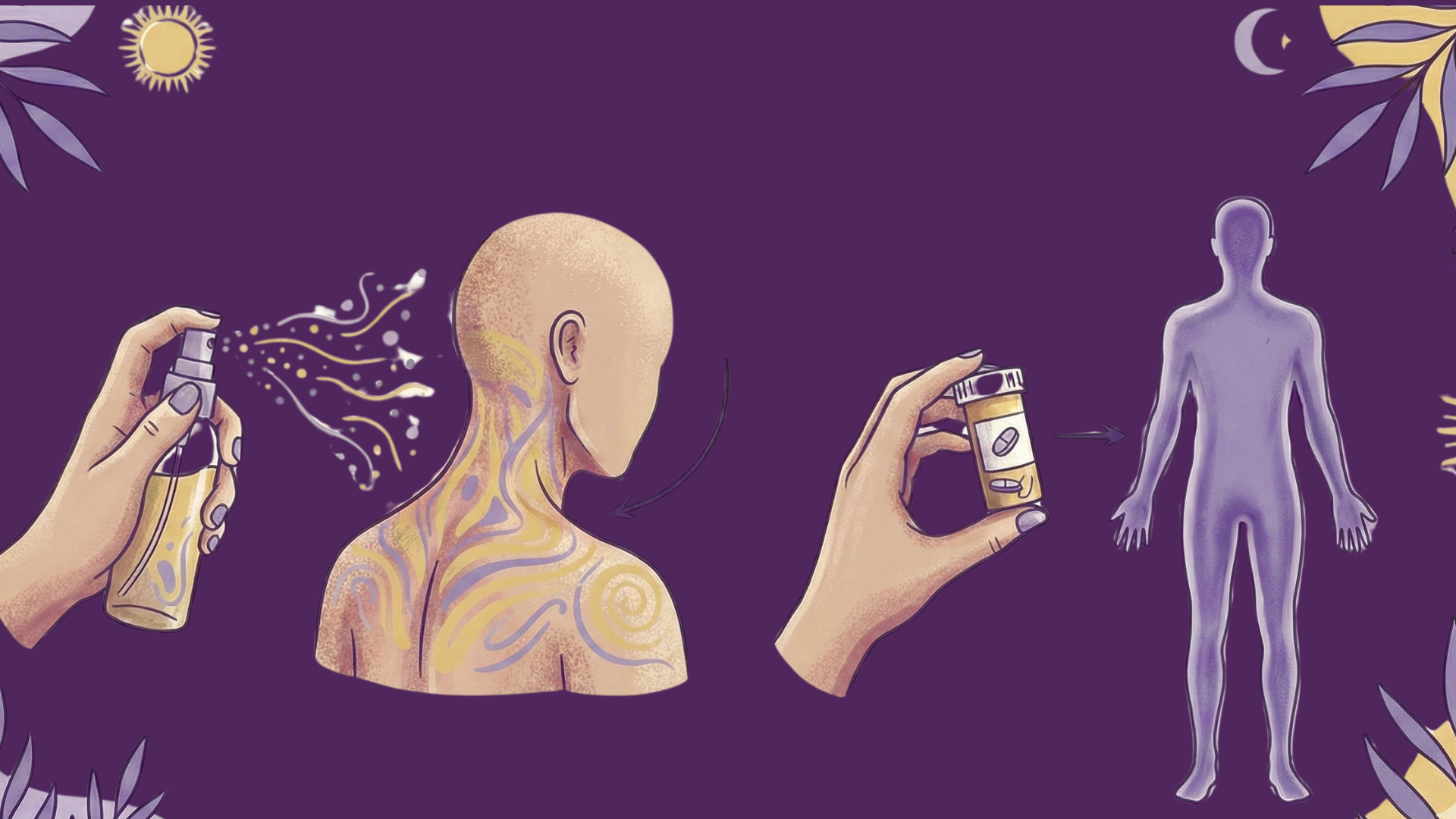
When sudden neck or lower-back stiffness appears in the middle of an ordinary day, most people instinctively reach for a tablet. Yet many are beginning to question whether a pain relief spray better than pills might actually be a smarter first response for muscle tension that comes from posture, long sitting, or repetitive daily habits rather than serious injury.
Pain relief spray flips that script by offering a local, targeted option that goes straight to the noisy area instead of sending a chemical broadcast message through the whole body. A good spray cools, warms, distracts, and changes how the local nerves and tissues feel, often within minutes. It does not replace proper recovery, but it can be a smarter first step for muscle tension and posture‑driven aches than reaching for a pill every time.
This article walks through what a pain relief spray actually is, how it compares with tablets, where it shines in muscle recovery, and how to use it as part of a “less pill, more plan” strategy. Expect a mix of science, practicality, and a gentle nudge to stop letting your chair design your pain routine.
What Exactly Is a Pain Relief Spray?
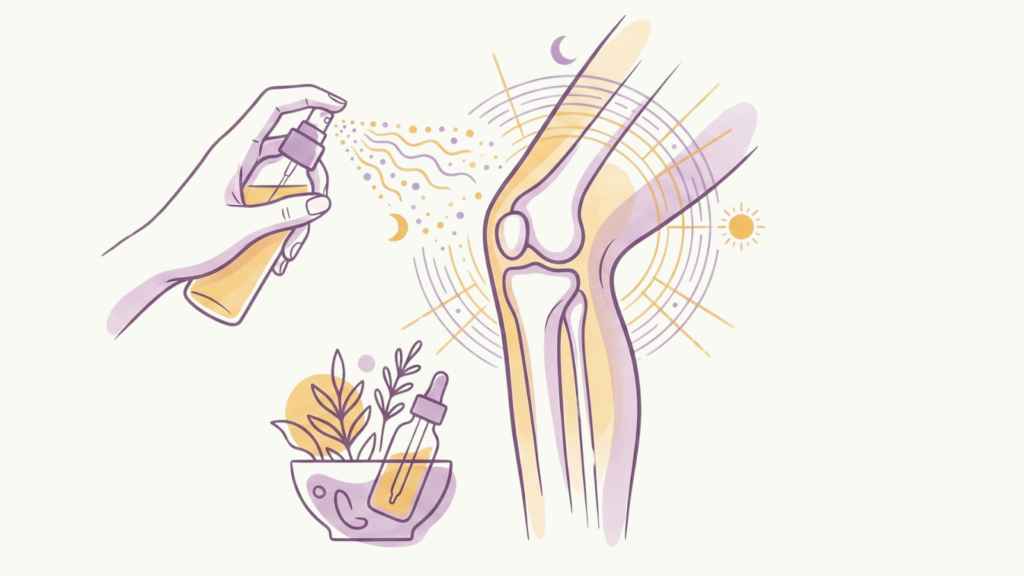
Key Ingredients and How They Work?
Most pain relief spray products are built around a few familiar active ingredients that either change how the nerves sense pain, alter local blood flow, or deliver an anti‑inflammatory medicine to the area.
Common examples include:
- Menthol: Creates a cooling sensation by activating cold‑sensing receptors in the skin, which can distract from deeper pain and slightly alter local blood flow [1].
- Camphor: Produces a warming or cooling feel depending on concentration, and can have mild local analgesic and counter‑irritant effects.
- Topical NSAIDs: Some sprays contain non‑steroidal anti‑inflammatory drugs like diclofenac in a form meant for local delivery to muscles and joints, targeting inflammatory pathways in the tissue.
- Capsaicin: In some products, this chilli‑derived compound can reduce pain over time by decreasing certain pain fibre signals, though it often causes an initial burning sensation.
The key point is that a therapeutic pain relief spray is not just perfume plus cold air; it is a topical formulation designed to change how the local area feels, usually through a combination of sensory distraction, modest anti-inflammatory effect, and improved comfort.
How Sprays Reach Sore Muscles and Tissues?
A pain relief spray is applied to the skin, so its route to deeper tissues is very different from an oral tablet. The active ingredients must cross the outer skin layer and diffuse through local tissues. Some, especially small, lipid‑soluble molecules, can penetrate enough to affect superficial muscles and soft tissue, while others mostly act on skin and near‑surface nerve endings.
Key differences versus tablets:
- The effect is local, concentrated near the sprayed area rather than spread through the entire bloodstream.
- Systemic exposure and thus whole‑body side effects, is usually much lower than with oral NSAIDs or other pain medicines.
- There are limits: very deep structures or pain driven by spinal nerve compression will not be “cured” by a spray, even if they feel slightly better for a while.
In other words, a pain relief spray is excellent for targeted muscular tension and mild soft‑tissue discomfort, but it is not a magic beam that fixes every type of pain layered under your skin.
Pills vs Sprays -Two Very Different Strategies
How Oral Painkillers Travel Through the Body?
A tablet takes the grand tour. After swallowing, the active ingredient is absorbed through the gut, processed by the liver, and then circulates in the bloodstream to tissues all over the body – brain, kidneys, joints, and everything in between. That is useful when pain is widespread or when there is fever or systemic inflammation, but it also means tissues that are not complaining still have to handle the drug.
NSAID tablets, for example, block enzymes that produce prostaglandins involved in both pain and normal protective functions, such as maintaining the stomach lining and blood flow to the kidneys [2]. This is why long‑term or frequent use is associated with risks like ulcers, kidney issues, and cardiovascular events in some patients. Other oral pain medicines can cause drowsiness, slowed reaction time, or mood effects; all of which matter if you want to be functional, not just comfortable.
Why Sprays Are Better for Targeted Tension?
A pain relief spray, in contrast, mostly minds its own business in the neighbourhood where you applied it. It is designed to be:
- Local: Acting on the area of tension; say, the right side of your neck or between the shoulder blades; without significantly affecting distant organs.
- Fast on the surface: Cooling or warming sensations can change pain perception quickly, often within minutes, even while deeper tissue changes are slower.
- Convenient: No water needed, no swallowing, easy to use in the office, car (not while driving), or between meetings.
This makes a pain relief spray particularly attractive for posture‑driven muscle tension; tight upper traps from laptop use, low back discomfort from long sitting, or calf tightness after standing for hours. Instead of flooding your entire system with a tablet, you deliver comfort where it is needed and then use that window to move and reset your posture.
Sprays will not replace pills in situations like high fever, severe systemic inflammation, or intense acute pain from injury where proper medical care and systemic medication are appropriate. But for the everyday, “my muscles are angry because of how I live” discomfort, they are often a better frontline choice.
Pain Relief Spray and Muscle Recovery – Friends, Not Fakes
Using Sprays to Unlock Guarded Muscles
When muscles are sore or overloaded, they often go into “guard mode;” staying tighter than they need to as a protective reflex. This protective tension itself becomes painful and can limit range of motion, feeding a cycle of stiffness and more guarding. A pain relief spray does not rebuild tissue, but it can help interrupt this loop.
By easing local discomfort and altering the sensory input from the area, sprays can:
- Make stretching and gentle mobility exercises more tolerable.
- Reduce the “brace everything” feeling around a sore region.
- Encourage you to move instead of freezing in one position.
This is particularly useful when used just before a short routine of controlled movement; neck rotations, shoulder rolls, gentle back extensions, or calf stretches, so that the muscle recovery work feels doable rather than threatening.
Sprays as Part of a Recovery Routine
Think of a pain relief spray as a primer coat, not the finished paint job. It prepares the area to accept better inputs:
- After long sitting: a quick spray to the low back or upper shoulders, followed by a couple of minutes of walking and mobility drills.
- Post‑commute: spray, then light stretching instead of collapsing straight into another chair.
- After exercise: use known “hot spots” before doing a cool‑down or foam rolling.
Used this way, sprays become allies in muscle recovery because they make it easier to do the movement, ergonomics, and strengthening work that actually changes the baseline over time.
Everyday Situations Where Sprays Beat Pills
Office, WFH and Desk-Bound Days
For many people, the classic scenario is a neck that feels like a concrete beam by 4 p.m. or a dull ache across the low back by the end of a laptop day. These are often classic muscular and postural problems rather than systemic illnesses.
A pain relief spray fits well into a “micro‑break” strategy:
- Stand up every 45-60 minutes.
- Spray the tight region lightly.
- Do 60-90 seconds of simple movements: shoulder circles, chin tucks, gentle side bends, or back extensions.
- Sit back down with a reset posture and, ideally, better lumbar or neck support.
This approach shifts the pattern from “tension builds → tablet → keep sitting” to “tension builds → spray + movement → reset,” which is far more spine‑friendly in the long run.
Commuting, Travel and Long Sitting
Long car rides, bus journeys, and flights place the spine in sustained positions that muscles do not enjoy. People often hesitate to take oral painkillers during the day if they fear drowsiness, reduced alertness, or stomach irritation. A pain relief spray sidesteps many of these concerns.
Used with lumbar cushions or seat cushions that support natural spinal curves, a spray can:
- Reduce discomfort from static sitting positions [3].
- Make it easier to get out at stops and walk for a few minutes.
- Avoid clouding your head when you need to stay aware.
Of course, this does not replace proper rest breaks, good seat adjustments, and sensible driving durations, but it can make necessary journeys less of a musculoskeletal negotiation.
Choosing the Right Pain Relief Spray
Matching Spray Types to Symptoms
Not all sprays are created equal, and matching them to your needs matters:
- Cooling sprays (menthol‑forward): Great for acute tightness or hot, overworked areas where you want a soothing, fresh feel.
- Warming or counter‑irritant sprays (camphor or similar): Often preferred for chronic stiffness where warmth feels relieving [4].
- Topical NSAID‑based sprays: More appropriate when local inflammation from a mild soft‑tissue injury is suspected and when oral NSAIDs are not ideal or need to be limited.
People with sensitive skin or allergies should check for fragrances, alcohol content, and specific plant extracts. Patch testing a small area first is often wise, especially if the plan is daily use.
How to Read Labels Without Getting Lost?
Labels are famously enthusiastic, but a few details matter more than marketing adjectives:
- Active ingredient and its strength: this is what actually does the work.
- Recommended frequency: sticking within the suggested number of applications per day reduces the risk of irritation.
- Warnings: such as avoiding use on broken skin, near eyes, or with heat packs unless explicitly allowed.
Terms like “fast‑acting” and “deep penetrating” are partly marketing, but they do hint at intended use: quick relief and somewhat beyond the surface. They are not literal guarantees of reaching the centre of every joint.
Using Sprays Safely and Effectively
Application Techniques That Actually Help
Good technique makes a pain relief spray more than just room freshener:
- Hold the nozzle at the recommended distance (often around 10-15 cm), so the product mists evenly instead of pooling.
- Avoid oversaturating clothing; let it contact the skin where possible.
- Do not layer multiple strong topicals on the same spot without understanding how their ingredients interact.
Basic precautions also apply: do not spray near the eyes, do not inhale the aerosol, and wash hands if you have handled a sprayed area before touching your face or contact lenses.
When a Spray Is Not Enough
A pain relief spray is designed for symptom relief, not for diagnosing serious causes of pain. Situations where you should think beyond self‑care include:
- Pain that is severe, persistent, or spreading down the leg, especially if associated with weakness or numbness.
- Night pain, weight loss, fever, or history of significant trauma.
- Pain that does not improve over several weeks despite ergonomics, movement, and topical support.
In these scenarios, a professional assessment by a doctor or physiotherapist is far more important than trying a fourth brand of spray.
Pain Relief Spray vs Pills – A Side-by-Side Snapshot
Speed, Side Effects, and Use Cases
In broad strokes:
- Sprays
- Best for: localised muscular tension, posture‑related tightness, mild soft‑tissue pain [5].
- Pros: targeted, fewer systemic side effects, minimal impact on alertness.
- Cons: limited effect on very deep or complex pain sources.
- Pills
- Best for: systemic symptoms like fever, widespread pain, or conditions where a doctor has recommended tablets as part of a plan.
- Pros: can address deeper and more diffuse sources of pain.
- Cons: higher risk of systemic side effects, potential for overuse and masking problems.
Used wisely, sprays can take over many roles where a tablet was previously the default, with less downside.
Building a “Less Pill, More Plan” Approach
The most powerful shift is not spray vs tablet; it is symptom‑only vs root‑cause thinking. A good plan might look like:
- Pain relief spray for local tension.
- Postural and ergonomic upgrades, including cushions and better workstation setups, so the pain source is addressed.
- Short, consistent movement and strengthening sessions that build tissue capacity over time.
Pills then become reserved for situations where they genuinely add value rather than acting as automatic background noise in the pain story.
End Note
A pain relief spray will not replace sleep, strength training, or a good chair, but it is an underrated ally when the problem is local muscle tension and modern life is to blame. By using it to open a door; towards movement, posture changes, and better setups; you trade the “tablet for every twinge” habit for something more sustainable. Your muscles get comfort, your organs get less pharmacological drama, and your day gets a little less interrupted by that familiar ache.
Some exercises can really help you relieve your pain. Know how:
Frequently Asked Questions:
Topical products are generally considered to have fewer systemic risks than frequent oral painkillers, as only a small amount of the active medicine reaches the whole body. Nevertheless, sprays may still cause skin irritation and interact with other products, so the term “safer” does not imply that they can be used without any consideration.
In most cases, the label on the product indicates the maximum number of applications per day, which is often a few times daily. It is a prudent approach to keep oneself within those limits and regularly check the skin for any signs of irritation.
Applying a spray before a short session of movement or stretching may make the muscles that are tight more comfortable and thus contribute to recovery. The use of such a product is not a way to push through a sharp or intense pain, but it can be a valuable part of warm-up or cool-down.
Topical preparations can be a source of symptom relief for some joint‑related discomfort, especially when the joint is close to the surface, however, their effect is mostly limited to superficial tissues and local nerve endings. Deep structural joint issues, of course, require proper evaluation and a broader treatment plan.
If pain persists even after a few weeks, becomes stronger, spreads or is accompanied by red‑flag symptoms such as weakness, numbness, or systemic signs (fever, weight loss), then getting a professional assessment is the right thing to do. Sprays are meant for comfort and support and should not be considered as a substitute for diagnosis.
References
- A Farco, J., & Grundmann, O. (2013). Menthol-pharmacology of an important naturally medicinal “cool”. Mini reviews in medicinal chemistry, 13(1), 124-131. DOI: https://doi.org/10.2174/138955713804484686
- Wallace, J. L. (2008). Prostaglandins, NSAIDs, and gastric mucosal protection: why doesn’t the stomach digest itself?. Physiological reviews, 88(4), 1547-1565. https://doi.org/10.1152/physrev.00004.2008
- Anghel, M., Argesanu, V., Talpos-Niculescu, C., & Lungeanu, D. (2007). Músculoskeletal disorders (MSDS) consequences of prolonged static postures. J Exper Med Surg Res, 4, 167-172. https://www.researchgate.net/profile/Diana-Lungeanu/publication/309104152_Musculoskeletal_disorders_MSDs-Consequences_of_prolonged_static_postures/links/5824cb1a08aeb45b588f47a4/Musculoskeletal-disorders-MSDs-Consequences-of-prolonged-static-postures.pdf
- Hoang, D., Wong, A., & Olympia, R. P. (2023). Looking back to move forward: The current state of research on the clinical applications of camphor-and menthol-containing agents. Cureus, 15(7). DOI: 10.7759/cureus.41426
- Nielsen, A. J. (1981). Case study: myofascial pain of the posterior shoulder relieved by spray and stretch. Journal of Orthopaedic & Sports Physical Therapy, 3(1), 21-26. https://www.jospt.org/doi/10.2519/jospt.1981.3.1.21