





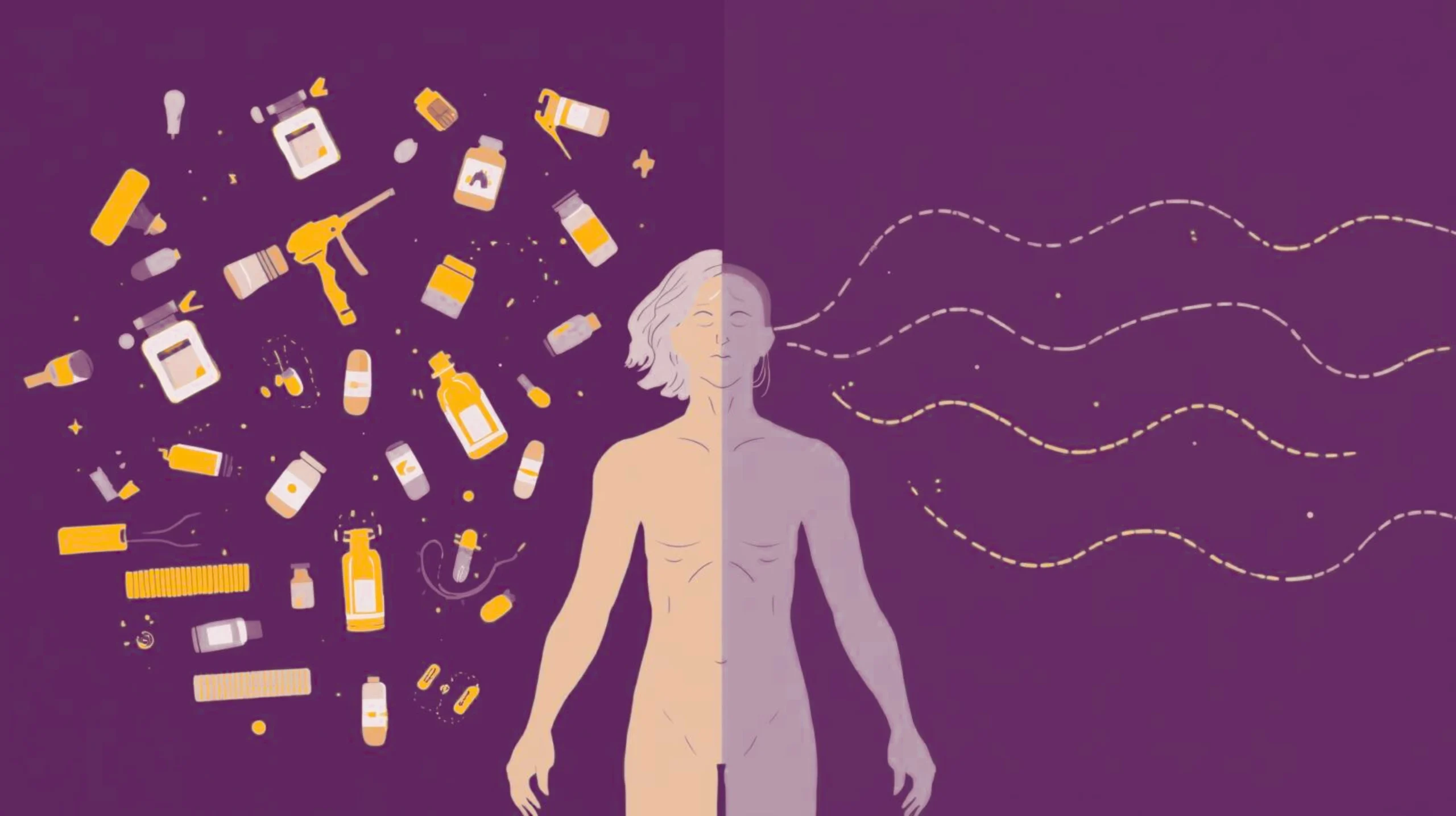
Recovery is often treated as something you use. A massage gun. A supplement. A stretch routine. A weekend off. The assumption is simple: apply the right tool, and the body will recover.
But recovery does not work that way.
Recovery is not something you add occasionally. It is something you practice consistently.
And like any practice, it is a skill.
The Body Does Not Recover Automatically
The human body is designed to recover, but only under the right conditions. Sleep, nutrition, and rest provide the foundation, but they are not guarantees.
Modern life often disrupts recovery even when rest appears adequate.
You may sleep for eight hours but wake up tired, may take a day off but still feel tense. You may reduce physical activity but remain mentally fatigued.
This happens because recovery is not just about stopping effort. It is about shifting the nervous system from a state of activation to a state of restoration.
Without that shift, the body remains partially “on,” even during rest.
Recovery Is a Nervous System Process
At its core, recovery is regulated by the nervous system.
When the system perceives safety, it activates restorative processes. Heart rate slows. Breathing deepens. Digestion improves. Tissue repair accelerates.
When the system remains in a state of low-grade stress, even subtly, these processes are reduced.
Muscles may stay tense. Breathing may remain shallow. Sleep may become less restorative.
In this state, recovery is incomplete.
This is why two people can follow the same routine and experience very different outcomes. Recovery depends not only on what you do, but on how your body interprets what you do.
Tools Don’t Replace Regulation
Recovery tools can be helpful. Stretching can improve mobility. Massage can reduce tension. Cold exposure and heat therapy can influence circulation.
But tools do not replace regulation.
Using a recovery tool while the nervous system remains stressed is like trying to relax while still anticipating the next demand. The body may temporarily feel better, but the underlying state does not change.
True recovery requires learning how to downregulate to signal to the body that it is safe to restore.
What Makes Recovery a Skill
A skill improves with awareness and repetition.
Recovery, as a skill, involves recognizing when the body is overloaded and knowing how to respond effectively. It includes the ability to shift from doing to resting without carrying tension forward.
This may involve:
- Slowing down breathing intentionally
- Creating short pauses between tasks
- Reducing sensory input from screens and noise
- Allowing the body to move gently rather than remain static
- Letting go of the need to stay constantly productive
These actions are simple, but they require practice. The modern environment often conditions the body to remain engaged, alert, and responsive at all times.
Learning to disengage becomes a trained ability.
The Gap Between Effort and Recovery
Many people focus heavily on effort. Work, training, productivity, and performance are prioritized and measured.
Recovery is often treated as secondary, something to fit in when time allows.
This creates a gap.
As effort increases and recovery remains inconsistent, the body begins to accumulate fatigue. This fatigue is not always obvious. It may appear as reduced motivation, slower performance, or increased sensitivity to stress.
Over time, this imbalance reduces resilience.
Recovery is not the opposite of effort. It is what allows effort to remain sustainable.
Small Practices, Big Impact
Improving recovery does not require drastic changes. It requires consistency.
Short breaks during the day can reset the nervous system. Stepping away from screens can reduce cognitive load. Slow breathing can shift physiological state within minutes. Gentle movement can restore circulation and reduce stiffness.
These small actions act as deposits into recovery.
The body responds more to regular input than occasional intensity.
The Real Takeaway
Recovery is not something you outsource to tools or reserve for weekends. It is an ongoing process that depends on how the body interprets safety, effort, and rest.
When recovery becomes a skill, it becomes accessible anywhere, not just in ideal conditions.
The goal is not to eliminate stress. Stress is necessary for growth.
The goal is to build the ability to return to balance after stress.
Because resilience is not defined by how much you can do.
It is defined by how well you can recover from it
Co- authored by: Shayamal Vallabhjee
Chief Science Officer: betterhood
Shayamal is a Human Performance Designer who works at the intersection of psychology, physiology, and human systems design, for the last 25 years he is helping high-performing leaders, teams, and athletes thrive in environments of stress, complexity, and change. His work spans across elite sports, corporate leadership, and chronic health and is grounded in the belief that true performance isn’t about pushing harder, but designing better.


