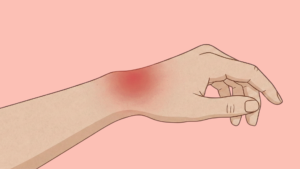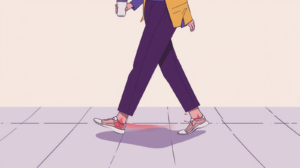







In today’s fast-paced lifestyle, muscle fatigue, soreness, and chronic pain have become common challenges for athletes, office workers, and older adults alike. Whether it’s post-workout strain, joint stiffness from long working hours, or inflammation caused by injury, finding quick and effective pain relief is essential for maintaining daily performance and overall wellness.
Among modern wellness innovations, recovery patches have emerged as one of the most convenient and effective solutions for pain management and muscle recovery [1]. These small, adhesive patches are easy to apply, deliver continuous relief, and target pain at its source without the mess of creams or the systemic side effects of oral medication.
Recovery patches work through transdermal technology, meaning they deliver active ingredients through the skin directly to affected muscles or joints. This allows for steady and localized pain relief that can last for several hours or even a full day. From herbal and natural formulations to medicated and CBD-infused patches, the market offers a wide range of options suited for different needs and lifestyles.
In this article, we’ll explore in depth what recovery patches are, how they work, the types available, their benefits, proper usage, and tips for safe application. By the end, you’ll know exactly how to choose and use recovery patches for effective pain management and faster recovery.
Understanding Recovery Patches
What Are Recovery Patches?
Recovery patches are adhesive, wearable patches infused with active ingredients that provide pain relief and promote healing when applied to the skin. Unlike topical creams or gels, patches offer controlled, continuous delivery of therapeutic substances over a set period usually 8 to 24 hours.
They are typically made of flexible materials that comfortably adhere to the skin, even during movement. Inside each patch is a blend of active agents such as menthol, capsaicin, herbal extracts, CBD, lidocaine, or camphor, depending on the product’s intended purpose.
The beauty of recovery patches lies in their targeted action. Instead of circulating through the bloodstream like oral painkillers, the active ingredients penetrate directly through the skin to the affected area, providing faster, more localized relief with fewer side effects.
Some patches are designed for general use, while others focus on specific conditions like muscle soreness after exercise, joint pain from arthritis, or lower-back tension from sitting too long.
In short, recovery patches combine the effectiveness of medical-grade relief with the convenience of a wearable wellness solution.
How Recovery Patches Work
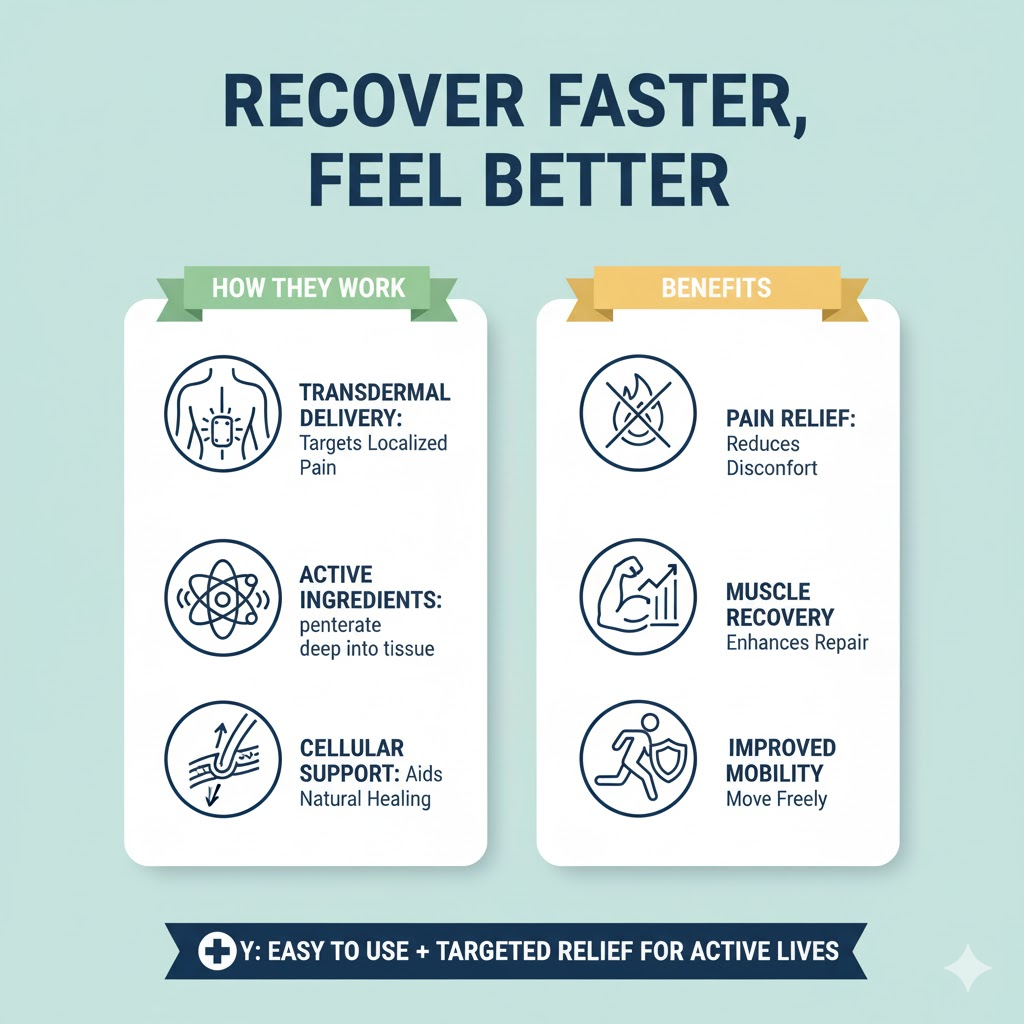
The working mechanism of recovery patches is based on transdermal drug delivery, a process where active compounds pass through the outer skin layers and enter the tissues beneath [2]. Once applied to clean, dry skin, the patch begins releasing its active ingredients in a slow and controlled manner.
Here’s a step-by-step look at how they work:
- Absorption through the skin: The patch releases its ingredients, which penetrate through the epidermis (outer skin layer) and reach the targeted muscle or joint tissues.
- Localized effect: The compounds then interact with nerve endings, reduce inflammation, or improve blood flow, depending on the patch type and formulation.
- Prolonged release: Because patches release ingredients gradually, they maintain therapeutic levels for longer, typically 8–24 hours, ensuring consistent relief.
- Minimal systemic side effects: Since the active ingredients work locally, they don’t pass extensively through the digestive system or liver, unlike oral medication [3]. This reduces risks like stomach irritation or fatigue.
Some patches also feature heat or cooling technology:
- Heat therapy patches gently warm the area, relaxing muscles and improving blood circulation.
- Cooling patches provide an instant soothing sensation that helps reduce swelling and inflammation after physical exertion or injury.
In essence, recovery patches offer smart pain relief: precise, consistent, and convenient.
Common Uses of Recovery Patches
Recovery patches are incredibly versatile and cater to a broad range of physical discomforts. Some of the most common uses include
- Muscle soreness and stiffness: Ideal for gym-goers or athletes dealing with post-workout fatigue.
- Joint pain: Effective for knees, shoulders, elbows, and wrists especially in arthritis or repetitive strain conditions [4].
- Back and neck pain: Helps reduce tension from prolonged sitting or poor posture.
- Post-workout recovery: Used by fitness enthusiasts to accelerate muscle repair and minimize soreness after intense exercise.
- Chronic pain relief: Beneficial for individuals with long-term conditions such as fibromyalgia, sciatica, or lower back pain.
- Sports recovery: Commonly used in athletic recovery routines to maintain performance and reduce downtime between training sessions.
Thanks to their discreet design, users can wear recovery patches while working, resting, or even sleeping—making them a convenient solution for round-the-clock relief.
Types of Recovery Patches
With advancements in health and fitness technology, recovery patches now come in various forms, catering to different types of pain and user preferences. Below are the most common categories available today.
1. Herbal and Natural Patches
Herbal and natural recovery patches use plant-based ingredients such as arnica, camphor, menthol, eucalyptus, or turmeric extract to provide gentle pain relief and anti-inflammatory effects.
These patches are ideal for people seeking a chemical-free alternative for mild to moderate pain. The herbal compounds not only soothe sore muscles but also promote relaxation and natural healing.
- Benefits:
- Made from natural ingredients
- Fewer side effects
- Pleasant aroma and cooling sensation
- Best for:
- Everyday muscle aches
- Stress-related tension
- Minor joint discomfort
2. CBD Recovery Patches
CBD recovery patches are infused with cannabidiol, a compound derived from the hemp plant known for its anti-inflammatory and pain-relieving properties.
CBD interacts with the body’s endocannabinoid system (ECS) to regulate pain perception, reduce inflammation, and enhance relaxation. Unlike THC, CBD does not produce a “high,” making it safe and legal in many regions.
These patches are excellent for chronic pain, recovery from strenuous workouts, or overall muscle fatigue. They offer long-lasting relief and are often preferred by those who want a natural but powerful solution for body aches.
- Benefits:
- Reduces inflammation and chronic pain
- Promotes relaxation and recovery
- Long-lasting transdermal effect
- Best for:
- Post-exercise soreness
- Chronic conditions (arthritis, back pain)
- Stress-related tension
3. Heat Therapy Patches
Heat therapy patches are designed to generate gentle, consistent warmth when exposed to air or activated through chemical reactions within the patch.
The heat helps dilate blood vessels, improving circulation and oxygen flow to muscles, which promotes healing and reduces stiffness.
They are especially effective for chronic back pain, menstrual cramps, and muscle tightness caused by poor posture or overuse.
- Benefits:
- Deep muscle relaxation
- Improved blood circulation
- Relief from stiffness and spasms
- Best for:
- Lower back pain
- Shoulder or neck stiffness
- Cold weather discomfort
4. Cooling or Cold Therapy Patches
Cooling patches work on the opposite principle of heat therapy, they help reduce inflammation and swelling by constricting blood vessels and numbing sore tissues.
They’re often used immediately after physical activity or injury, when swelling and tenderness are most pronounced [5]. Menthol and camphor are common cooling agents used in these patches.
- Benefits:
- Soothes inflammation and swelling
- Provides a refreshing, numbing sensation
- Ideal for acute pain or minor injuries
- Best for:
- Post-workout recovery
- Sports-related injuries
- Sprains or bruises
5. Transdermal Analgesic Patches
These are medicated patches that deliver prescription or over-the-counter pain-relief medication through the skin. Common drugs used include lidocaine, diclofenac, or methyl salicylate.
They are typically recommended for more severe or chronic pain conditions and are often used under medical supervision.
- Benefits:
- Powerful pain management
- Consistent release of medication
- Ideal for chronic or nerve pain
- Best for:
- Severe joint or back pain
- Arthritis or neuralgia
- Injury-related recovery
Benefits of Recovery Patches
Recovery patches have become increasingly popular because they offer a blend of scientific effectiveness, convenience, and long-lasting comfort. Whether used by athletes, office professionals, or individuals with chronic pain, these patches provide targeted support without disrupting daily routines.
Let’s explore their major benefits in detail.
1. Pain Relief
One of the most prominent benefits of recovery patches is targeted pain relief. Unlike oral painkillers, which must pass through the digestive system before taking effect, recovery patches deliver active ingredients directly to the affected area.
This localized approach allows for:
- Faster relief from sore muscles, stiff joints, or tension spots.
- Long-lasting comfort through sustained release over several hours.
- Reduced systemic side effects, such as nausea or drowsiness.
Many users experience noticeable relief within 15–30 minutes after application, making recovery patches an excellent choice for immediate and continuous pain management.
2. Reduced Inflammation and Swelling
Inflammation is a major cause of discomfort in muscles and joints. Ingredients like menthol, arnica, turmeric, CBD, and diclofenac in recovery patches help calm inflamed tissues and reduce swelling effectively.
This anti-inflammatory action makes them ideal for treating:
- Post-workout muscle soreness
- Joint inflammation from arthritis
- Localized injuries like sprains or strains
The gentle heat or cooling effect from specific patches further enhances this benefit by improving blood circulation and accelerating tissue repair.
3. Faster Muscle Recovery
For athletes and fitness enthusiasts, faster muscle recovery is crucial for maintaining performance. Recovery patches support this by:
- Increasing blood flow to tired muscles
- Reducing lactic acid build-up after workouts
- Helping the body’s natural repair process
When used post-exercise, patches can shorten recovery time, reduce muscle fatigue, and prepare the body for the next training session. Combined with proper hydration and stretching, they form an integral part of any fitness recovery plan.
4. Convenience and Ease of Use
One of the biggest advantages of recovery patches is their simplicity. They’re compact, portable, and require no preparation. Just peel, stick, and go.
- No messy gels or sticky creams
- Wearable under clothes
- Works during work, sleep, or travel
- Discreet and odor-controlled (in many modern designs)
Because they can be worn for up to 24 hours, recovery patches fit seamlessly into any lifestyle, providing continuous support without constant reapplication.
5. Complementary to Other Treatments
Recovery patches can be combined safely with other recovery methods like:
- Physiotherapy and stretching
- Hot/cold compresses
- Massage therapy
- Pain-relief creams or oral supplements (under guidance)
This makes them a versatile addition to any pain management or wellness plan. They can be used before, during, or after other therapies to enhance effectiveness and maintain long-term comfort.
How to Choose the Right Recovery Patch
With so many options available, selecting the right recovery patch can feel overwhelming. The key is to match the patch’s properties with your specific pain type, location, and preferences.
Here’s a detailed guide to help you make the right choice.
Consider Pain Type and Location
Start by identifying where the pain is located and its nature.
- Muscle soreness: Opt for cooling or herbal patches with menthol or arnica.
- Joint pain: Go for CBD or medicated patches that target inflammation.
- Back or shoulder stiffness: Heat patches are great for deep muscle relaxation.
- Chronic pain: Choose transdermal analgesic or CBD patches for consistent relief.
The more accurately you identify your discomfort, the more effective your patch selection will be.
Ingredient Preference
Your ingredient preference should align with your comfort level and desired outcome.
- Natural options: Choose herbal or plant-based patches with minimal chemicals.
- Medicated patches: Ideal for severe or chronic conditions requiring stronger ingredients.
- CBD patches: Offer natural pain relief and relaxation without psychoactive effects.
- Heat/cooling formulations: Provide thermal therapy for soothing muscles and inflammation.
Always read the label to ensure you’re comfortable with the ingredients and that they align with your health needs.
Duration and Strength
Recovery patches vary in potency and duration. Some last 8–12 hours, while others can provide relief for up to 24 hours.
- Short-duration patches: Ideal for post-workout or temporary pain.
- Long-duration patches: Best for chronic pain or overnight use.
Choose according to how long you want consistent pain relief and whether you’ll be wearing the patch during activity or rest.
Skin Sensitivity and Allergies
If you have sensitive skin, look for:
- Hypoallergenic patches with gentle adhesives
- Natural or unscented options
- Avoid patches with alcohol, artificial fragrances, or harsh chemicals
Always perform a patch test on a small skin area first to ensure you don’t experience irritation, redness, or itching.
Ease of Use and Portability
A good recovery patch should be:
- Flexible and breathable to move with your body
- Comfortable under clothing
- Easy to remove without leaving residue
- Compact and portable for travel or gym use
These factors ensure consistent comfort and convenience throughout your day.
Proper Use and Safety Tips
Using recovery patches correctly ensures maximum benefits and prevents irritation or reduced effectiveness. Here’s how to use them safely and efficiently.
How to Apply Recovery Patches
- Clean the skin: Wash and dry the target area thoroughly to remove oil, sweat, or lotion residues.
- Apply carefully: Peel off the protective film and apply the patch directly over the affected area. Press firmly for a few seconds to ensure good adhesion.
- Avoid stretching: Do not stretch the patch or the skin underneath while applying, as this may cause discomfort or reduce effectiveness.
- Wear as directed: Leave the patch on for the recommended duration usually between 8 and 24 hours, depending on the brand.
- Remove gently: Slowly peel off the patch to avoid skin irritation. Dispose of it properly after use.
Precautions and Safety
Even though recovery patches are safe for most users, it’s important to follow basic precautions:
- Avoid using on broken, inflamed, or irritated skin.
- Do not apply multiple patches on the same area unless advised by a healthcare provider [6].
- Discontinue use if you experience itching, redness, or discomfort.
- Consult your doctor if you are pregnant, breastfeeding, or on prescription medication.
- Keep patches away from children and store them in a cool, dry place.
For those with chronic conditions, always confirm with a medical professional before starting long-term patch use.
Tips for Maximum Effectiveness
To get the most out of your recovery patches:
- Stay hydrated: Proper hydration enhances nutrient and compound absorption.
- Rest and stretch: Combine patch use with adequate rest, stretching, and massage.
- Alternate application areas: If you’re using patches regularly, avoid applying to the exact same spot every time to prevent skin irritation.
- Use after workouts or before sleep: This ensures the active ingredients work during the body’s natural recovery phase.
Following these steps can significantly improve both comfort and recovery outcomes.
Conclusion
Recovery patches offer a simple yet powerful solution for managing pain, enhancing muscle recovery, and promoting overall wellness. Their targeted action, ease of use, and variety of formulations make them suitable for everyone from athletes and fitness enthusiasts to individuals dealing with chronic pain or everyday tension.
By understanding your pain type, choosing the right patch, and using it properly, you can experience noticeable relief and support your body’s natural healing process. Whether you prefer herbal, CBD, or medicated options, recovery patches bring together the best of modern science and natural therapy: delivering relief, mobility, and comfort whenever you need it most.
Looking for more health and wellness solutions? Don’t miss these related guides:-
Frequently Asked Questions:
1. What are recovery patches, and how do they work?
Recovery patches deliver pain-relieving ingredients through the skin for targeted, lasting relief.
2. Which recovery patch is best for muscle soreness?
Cooling or CBD recovery patches work best for soothing post-workout muscle soreness.
3. Can recovery patches reduce inflammation and swelling?
Yes, they help calm inflammation and reduce swelling using active natural or medicated ingredients.
4. Are CBD recovery patches effective for chronic pain?
Yes, CBD patches ease chronic pain by reducing inflammation and relaxing muscles naturally.
5. How long should a recovery patch be worn?
Most patches are effective for 8 to 24 hours, depending on the brand and formulation.
References:
- Cleveland Clinic. (2023). Transdermal Patches: Uses, Benefits, and Risks. Retrieved from https://my.clevelandclinic.org
- Harvard Health Publishing. (2022). Pain Relief Basics: Understanding Your Options. Harvard Medical School. Retrieved from https://www.health.harvard.edu
- National Institutes of Health (NIH). (2021). Topical and Transdermal Drug Delivery Systems. National Library of Medicine. Retrieved from https://pubmed.ncbi.nlm.nih.gov
- WebMD. (2023). How Pain Relief Patches Work. Retrieved from https://www.webmd.com
- Healthline. (2024). CBD Patches: Benefits, Uses, and Safety. Retrieved from https://www.healthline.com
- Mayo Clinic. (2022). Heat Therapy and Cold Therapy: When to Use Each for Pain Relief. Retrieved from https://www.mayoclinic.org