






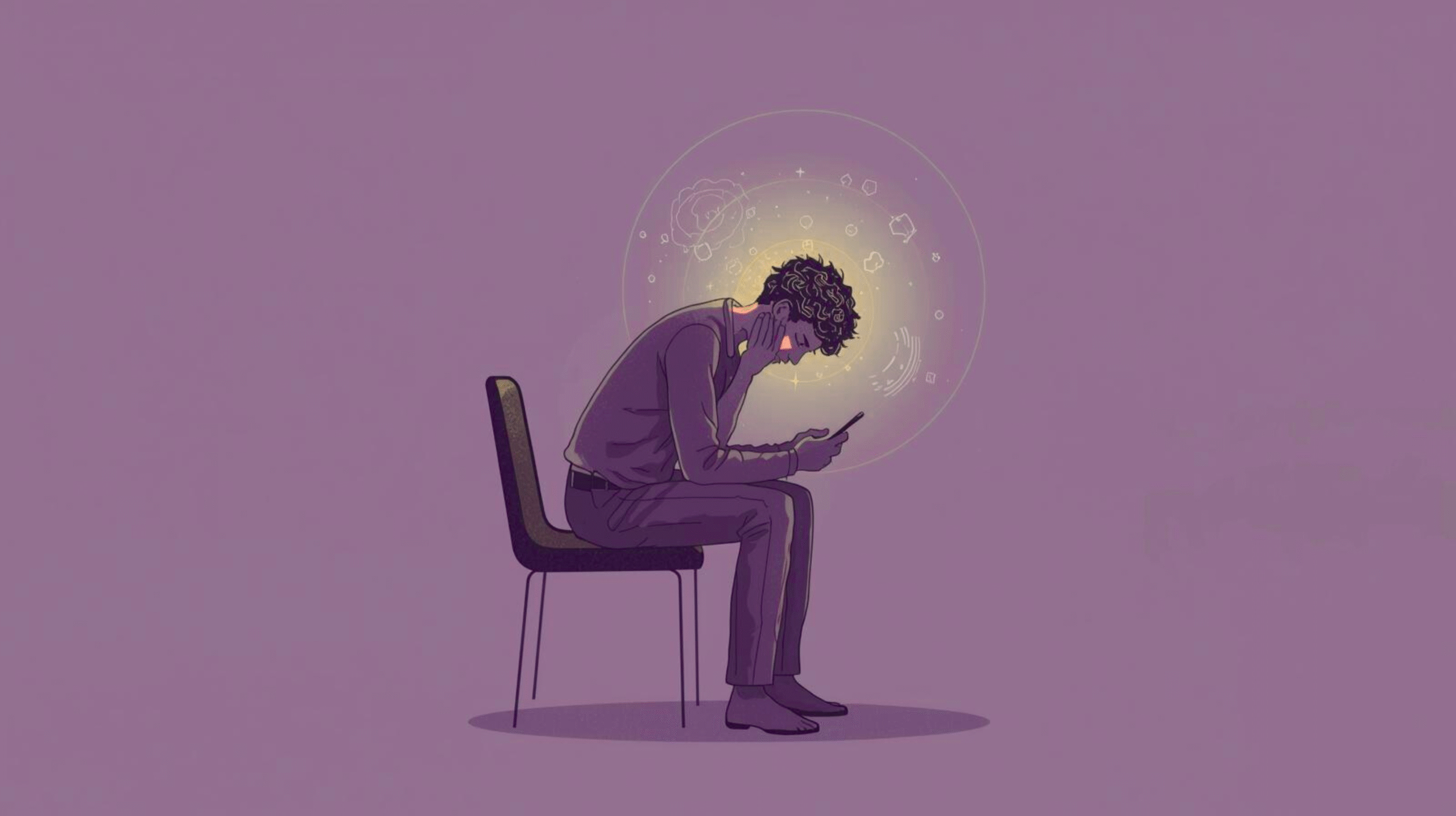
By 2020, spinal surgeons began reporting a sharp rise in a new diagnosis: tech neck. Teenagers and young adults were showing signs of cervical spine degeneration once seen mostly in middle age. But the hidden cost wasn’t only physical. It was psychological.
Every time you tilt your head forward to check your phone, you don’t just strain your spine.
You strain your mind.
This is where posture and mental health intersect in ways most people never notice.
The Mechanics of Tilted Living
The human head weighs about 5 kilograms when upright. But posture changes everything.
At a 60-degree forward tilt, the common angle used while scrolling, the load on the neck increases to nearly 30 kilograms, roughly the weight of a small child sitting on your shoulders. This is the foundation of forward head posture.
That mechanical strain triggers a cascade:
- Breath restriction: Forward head posture collapses the upper chest, encouraging shallow breathing posture.
- Nervous system stress: Shallow breathing keeps the sympathetic nervous system activated, mimicking chronic stress.
- Mental drain: Reduced oxygen efficiency and constant muscular effort increase digital fatigue and reduce focus.
The outcome isn’t just smartphone neck pain. It’s mental fatigue, irritability, and brain fog, classic but overlooked tech neck symptoms.
Everyday Traps of Tech Neck
Tech neck isn’t limited to phones. The same posture repeats across daily habits:
- Binge-watching shows on laptops
- Gaming marathons
- Long email sessions on handheld devices
Each habit seems harmless. Together, they create cumulative screen posture effects that wire stress into the nervous system.
Over time, the body learns this position as “normal,” even though it continuously signals threat and strain.
What Science Says About Tech Neck and Mental Fatigue
Research on posture, respiration, and cognition shows a clear link between alignment and mental performance.
- Forward head posture increases muscle activity in the neck and upper back, accelerating fatigue.
- Shallow breathing reduces parasympathetic activity, impairing emotional regulation.
- Reduced oxygen efficiency increases cognitive load, a key contributor to mental fatigue causes and reduced attention span.
This explains why many people feel exhausted after screen-heavy days without physical exertion. The fatigue is neurological, not muscular.
Clues You’re Stuck in the Tech Neck Cycle
Your body usually warns you before serious damage occurs:
- Midday headaches that start behind the eyes
- Mood swings after extended screen time
- Feeling foggy despite enough sleep
- Photos where your head juts forward like a question mark
These signals reflect nervous system stress, not just poor ergonomics.
What Happens If Tech Neck Becomes Your Default
When tech neck becomes habitual, the consequences extend beyond discomfort:
- Chronic neck and shoulder pain
- Reduced lung expansion and endurance
- Persistent brain fog and poor concentration
- Heightened anxiety and irritability
This is how posture quietly shapes emotional states. The body stays in protection mode, and the mind follows.
Design Your Tech; Don’t Let It Design You
Your environment should support your nervous system, not challenge it.
Small design choices matter:
- Chair cushions that support spinal alignment reduce collapse during long sitting hours.
- Neck rests maintain neutral head positioning during work or rest.
- Proper lumbar and cervical support reduces unconscious slouching and muscle guarding.
Supportive tools don’t “fix” posture for you. They remove constant stress signals so your body can return to balance.
A 30-Second Habit That Protects Your Neck and Mind
You don’t need long routines. You need consistency.
- Chin Reset: Gently draw your chin back (as if making a double chin), hold for 5 seconds, release.
- Breath Expansion: Inhale through the nose, expanding ribs sideways, exhale slowly.
- Eye-Level Check: Lift your phone to eye height before scrolling.
Thirty seconds is enough to interrupt the stress loop and remind the nervous system that it’s safe.
Conclusion
Tech neck may sound minor, but it reveals something profound.
Tiny, repeated postural habits can quietly erode energy, clarity, and emotional stability. Every screen interaction is a choice between reinforcing stress or restoring balance.
So here’s the question worth carrying forward:
If the way you tilt your head for a few seconds can shape your nervous system, what other micro-habits are silently shaping your future every day?
Co- authored by:Shayamal Vallabhjee
Chief Science Officer: betterhood
Shayamal is a Human Performance Designer who works at the intersection of psychology, physiology, and human systems design, for the last 25 years he is helping high-performing leaders, teams, and athletes thrive in environments of stress, complexity, and change. His work spans across elite sports, corporate leadership, and chronic health—and is grounded in the belief that true performance isn’t about pushing harder, but designing better.
FAQs
What is tech neck and why does it happen?
Tech neck is a postural condition caused by prolonged forward head posture during device use. It increases neck strain and disrupts breathing and nervous system regulation.
Can tech neck really cause mental fatigue and brain fog?
Yes. Poor posture affects oxygen intake, increases muscular strain, and keeps the nervous system in a stress state, contributing to digital fatigue and cognitive overload.
How long does it take to reverse tech neck symptoms?
Early symptoms may improve within weeks with consistent posture correction and breaks. Long-standing issues require longer-term habit and environment changes.
Does posture actually affect stress levels and mental health?
Absolutely. Posture directly influences breathing patterns and nervous system balance, shaping emotional regulation and stress responses.
Can posture supports and ergonomic tools help prevent tech neck?
Yes. When used correctly, ergonomic supports reduce sustained strain and help maintain neutral alignment, lowering both physical and mental stress silently shaping your future.


