





We often think of confidence as something that starts in the mind and trickles down into the body. You believe you can do something, so you carry yourself with assurance. But what if the opposite is also true?
What if your muscles could teach your mind who you are?
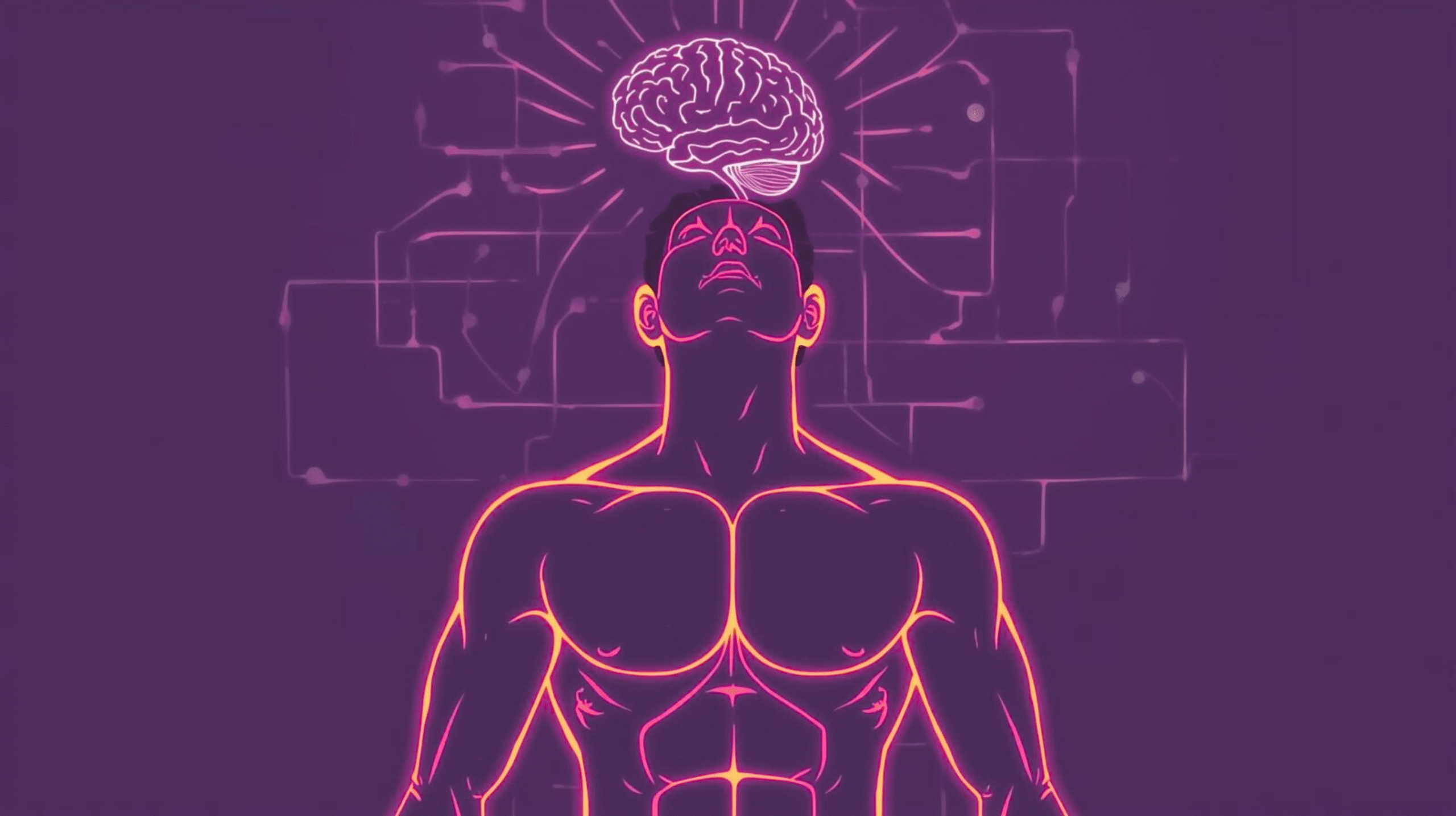
This is the essence of the confidence loop: a continuous feedback system between body and brain that shapes self-belief, behavior, and emotional resilience. Confidence is not just a mindset. It is a body and mind connection, built and reinforced through posture, movement, and physical presence.
The Confidence Loop Explained
The mind-body loop works in both directions. Thoughts influence movement, but movement also rewires thoughts.
When your body repeatedly sends signals of strength, openness, and stability, the brain updates its internal narrative: I am capable. I am safe. I belong here. Over time, this loop becomes automatic, forming what we call embodied confidence.
Confidence, then, is not something you wait to feel. It is something you practice physically.
Muscles as Messengers
Every movement you make sends feedback to the brain. This feedback isn’t only about coordination; it’s about identity.
- An upright spine and open chest signal readiness and strength
- Relaxed shoulders and steady breathing signal safety
- Grounded feet signal stability and control
Slouched posture, shallow breathing, or collapsed shoulders send the opposite message. Over time, these signals shape muscle memory and mindset, teaching the brain whether to approach life confidently or cautiously.
Your muscles are constantly whispering to your mind. The brain listens.
What Science Says About Body–Mind Feedback
Research in movement psychology and the neuroscience of confidence shows that posture and movement influence:
- Stress hormones like cortisol
- Testosterone levels linked to assertiveness
- Decision-making speed and risk tolerance
- Emotional regulation and self-perception
This is why athletes, performers, and public speakers instinctively use powerful stances before high-pressure moments. They are not just warming up the body. They are priming the nervous system for confidence through movement.
Posture and confidence are biologically linked, not just motivational concepts.
Posture Creates Psychology
Your posture is a form of internal body language.
- Standing tall communicates strength to your nervous system
- Slouching communicates vulnerability or withdrawal
- Controlled breathing stabilizes emotional responses
Over time, posture becomes a baseline emotional state. This is where body language and self-belief merge. The body doesn’t wait for confidence; it creates it.
Training the Loop Through Movement
The confidence loop is trainable.
Each intentional movement reinforces self-trust:
- Strength training builds physical confidence and psychological grit
- Yoga and mobility work improve body awareness and self-regulation
- Walking with purpose reinforces agency and presence
As the body grows stronger or more coordinated, the mind learns to trust it. As the mind trusts, it allows the body to take up more space and responsibility. This loop builds physical confidence that carries into daily life.
When the Confidence Loop Breaks
The loop can also work against us.
Injury, chronic pain, fatigue, or prolonged poor posture can send signals of fragility to the brain. Over time, this erodes confidence and increases hesitation.
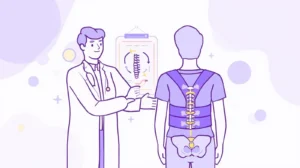
That’s why recovery, alignment, and mindful movement matter. Restoring posture and movement quality helps rebuild the mind-body loop, even before confidence returns mentally.
Daily Habits to Build the Confidence Loop
Confidence is shaped by small, repeated actions:
- Sitting upright during work instead of collapsing
- Taking slower, deeper breaths during stress
- Standing evenly on both feet while speaking
- Moving deliberately instead of rushing
These habits retrain the nervous system daily, reinforcing confidence through movement.
Using the Confidence Loop at Work
In professional settings, confidence is often read before you speak.
- Upright posture during meetings signals authority
- Grounded stance improves vocal clarity
- Open body language enhances trust and presence
You don’t need to “feel confident” first. Adjusting posture and breath can immediately shift how you are perceived and how you perceive yourself.
This is embodied confidence in action.
Confidence Loop and Emotional Resilience
Confidence is closely tied to resilience.
A body trained to feel stable under pressure teaches the brain not to panic. This improves:
- Stress tolerance
- Emotional regulation
- Recovery after setbacks
The stronger the body and mind connection, the faster you bounce back from challenges.
5 Simple Ways to Start Today
- Posture Check: Align ears over shoulders, shoulders over hips
- Breath Reset: Inhale for 4, exhale for 6
- Grounded Standing: Feel both feet evenly on the floor
- Intentional Movement: Walk slower and taller
- Power Pause: Before stress, widen stance and open chest
Each action feeds the confidence loop.
Conclusion: Confidence Is Movement, Not Just Thought
Confidence is not only an inner state. It is an embodied practice.
The way you walk into a room, how you stand under pressure, how you breathe during stress all send messages looping between muscle and mind. By training your body with intention, you teach your brain to see you as stronger, more capable, and more resilient.
Confidence is not just what you think.
It is what you repeatedly do with your body.
Your muscles are telling your mind a story every day.
The question is: what story are you teaching yourself?
Co-authored by: Shayamal Vallabhjee
Chief Science Officer: betterhood
Shayamal is a Human Performance Architect who works at the intersection of psychology, physiology, and human systems design helping high-performing leaders, teams, and individuals thrive in environments of stress, complexity, and change. His work spans elite sport, corporate leadership, and chronic health and is grounded in the belief that true performance isn’t about pushing harder, but designing better.
FAQs
1. Can posture really change how confident I feel?
Yes. Posture directly affects nervous system signals, hormones, and emotional state.
2. How long does it take to build the confidence loop?
Some people feel changes immediately. Long-term confidence builds over weeks of consistent practice.
3. Does exercise improve confidence even if I’m not very fit?
Absolutely. Confidence grows from participation and consistency, not performance level.
4. What if I have pain or injury, can I still use the confidence loop?
Yes. Gentle posture awareness, breathing, and safe movement still reinforce self-trust.
5. Is body language more important than positive thinking?
They work best together, but body language often influences the brain faster than thoughts alone.