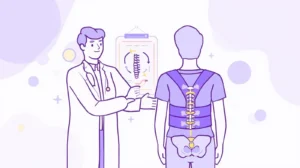






In 2017, a team of psychologists in San Francisco made a surprising discovery. Two groups of students were asked to give a short speech. One group stood tall with shoulders back. The other sat slouched with their heads bent forward.
The result was striking. The upright group not only performed better but also reported feeling more confident and less anxious. Nothing else had changed.
The only variable was posture.
This experiment highlights a powerful but often ignored truth: poor posture and stress are deeply connected, and the way you hold your body can quietly shape your mental health.
The Hidden Psychology of Posture
We often think of posture as purely physical, but it is also a form of inward-facing body language. Your posture doesn’t just communicate to others. It constantly communicates with your own brain.
- A slouched posture compresses the chest, leading to shallow breathing. Shallow breath activates the sympathetic nervous system, the same system responsible for stress and anxiety.
- Forward head posture affects the neck and surrounding nerves, influencing vagal tone and reducing the body’s ability to calm itself.
- Collapsed shoulders mimic defensive body language associated with sadness, fear, and low confidence.
This is the posture and anxiety connection at work. A body that looks stressed eventually begins to feel stressed.
Why Poor Posture Is a Modern Mental Health Issue
Poor posture is no longer occasional. It has become a daily condition.
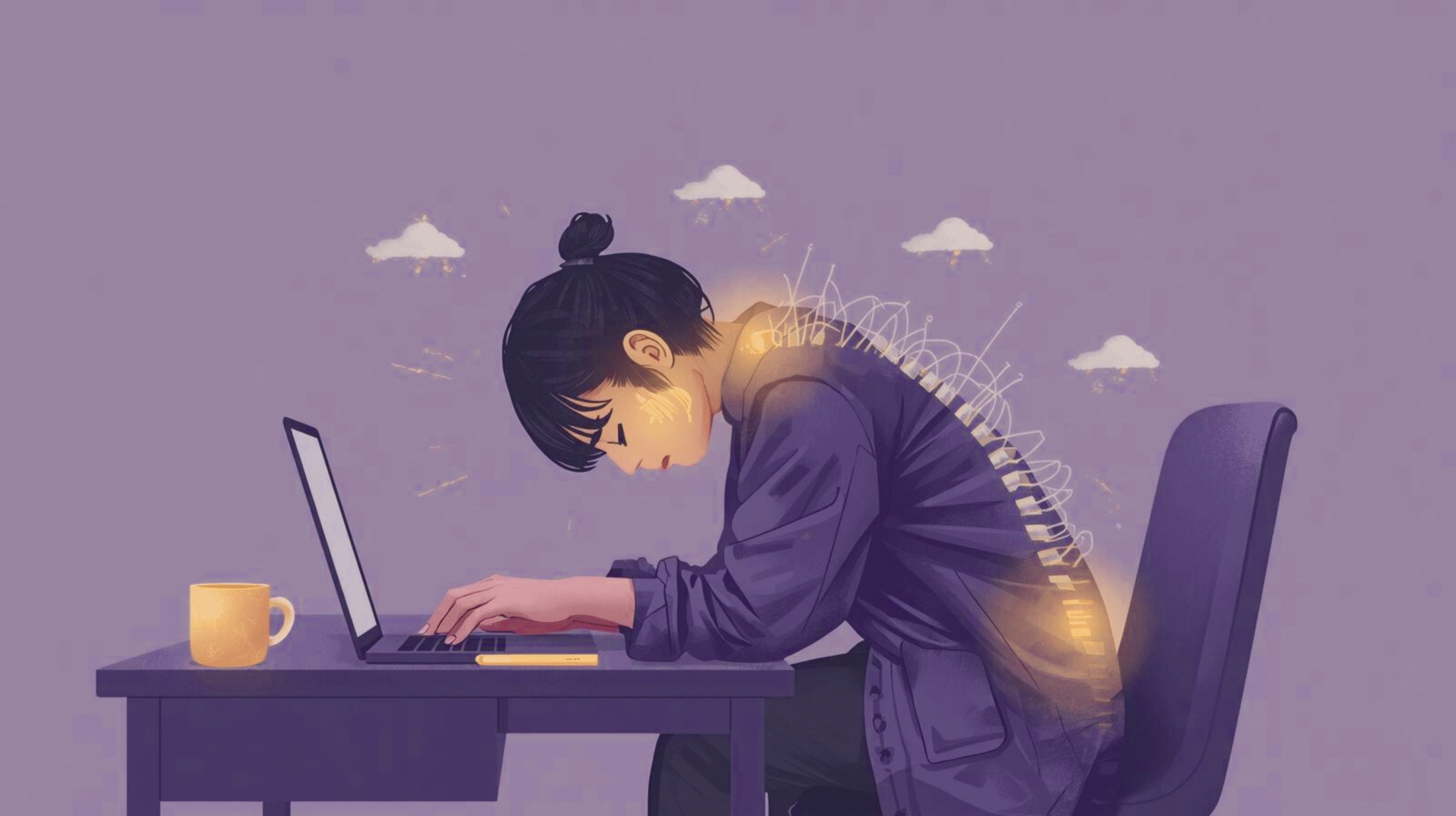
Long hours on laptops, constant phone use, driving with rounded shoulders, and sinking into soft furniture train the body into a collapsed position. Over time, this creates stress from sitting posture that the nervous system interprets as a constant low-grade threat.
This is why slouching and mental health are increasingly linked. The body is spending hours each day signaling discomfort, vigilance, and protection, even when nothing is emotionally wrong.
How Poor Posture Affects the Nervous System
The posture and nervous system relationship is direct and powerful.
- Slouching restricts diaphragmatic breathing, keeping the sympathetic (fight-or-flight) system dominant.
- Forward head posture increases muscular load on the neck, contributing to tension and neural irritation.
- Reduced parasympathetic activity limits recovery, emotional regulation, and focus.
These forward head posture effects don’t stay local. They influence heart rate variability, stress hormones, and emotional resilience. Over time, this contributes to posture-related mental fatigue, irritability, and poor sleep.
The Domino Effect: When Posture Reinforces Stress
Poor posture doesn’t just reflect mood. It reinforces it.
- Chronic stress increases cortisol, weakening connective tissues.
- Fatigued neck and back muscles increase pain sensitivity.
- Pain increases anxiety, which further collapses posture.
- The cycle repeats.
This is the mind–body posture connection in action. Stress shapes the body, and the body feeds stress right back to the brain.
Everyday Habits That Trap You in the Loop
Many common habits quietly reinforce poor posture and stress:
- Hours of screen time without breaks
- Sitting with the head pushed forward
- Rounded shoulders while driving
- Relaxing on couches that collapse the spine
Individually, these habits seem harmless. Together, they condition the nervous system into chronic alertness.
The Quiet Warnings Your Body Gives
Before stress becomes emotional overload, the body sends signals:
- Tension headaches
- Waking up tired despite enough sleep
- Racing thoughts after long sitting hours
- Feeling restless or “on edge”
These are not random symptoms. They are signs of posture-driven stress accumulating over time.
How to Break the Posture–Stress Cycle
Breaking this cycle doesn’t require intense workouts or drastic changes. Small, consistent signals matter more.
A Two-Minute Reset
- Power Pose Breathing: Stand tall, hands on hips, inhale deeply through the nose.
- Open Chest Stretch: Clasp hands behind your back and gently lift.
- Seated Reset: Sit upright, feet flat, chin slightly tucked, and take three slow breaths.
Each adjustment tells your nervous system one thing: You are safe.
How to Add Your Products Naturally
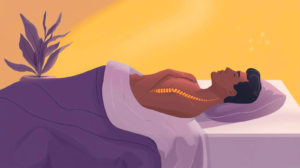
Posture correction doesn’t end during the day. Sleep posture plays a critical role in nervous system recovery.
Supportive solutions such as cervical sleep pillows or posture-aligned sleep products help maintain neutral neck positioning overnight. By reducing forward head strain and muscle guarding during sleep, these tools support parasympathetic activation and mental recovery.
When posture is supported consistently, the nervous system finally gets permission to rest.
The Bigger Lesson
Posture is more than alignment. It is emotional positioning.
It can push your body toward calm or chaos, resilience or reactivity. The way you sit, stand, and sleep is shaping your mental health in ways you may never consciously notice.
So the real question is this:
If posture can fuel anxiety or dismantle it, what other everyday choices are silently training your nervous system right now?
Co-authored by: Shayamal Vallabhjee
Chief Science Officer: betterhood
Shayamal is a Human Performance Architect who works at the intersection of psychology, physiology, and human systems design—helping high-performing leaders, teams, and individuals thrive in environments of stress, complexity, and change. His work spans elite sport, corporate leadership, and chronic health—and is grounded in the belief that true performance isn’t about pushing harder, but designing better.
Frequently Asked Questions (FAQs)
Can poor posture really cause anxiety?
Yes. Poor posture affects breathing, muscle tension, and nervous system balance. Over time, these changes increase stress signaling and can contribute to anxiety symptoms.
How long does posture correction take to reduce stress?
Many people notice subtle improvements in calmness and focus within a few weeks. Long-term changes depend on consistency and daily habits.
Does slouching affect breathing and mental focus?
Slouching restricts diaphragmatic breathing, reducing oxygen efficiency and increasing mental fatigue and brain fog.
Can posture correctors reduce mental fatigue?
When used correctly, posture-support tools can reduce muscular strain and improve alignment, which may lower posture-related mental fatigue.
Is neck posture linked to nervous system regulation?
Yes. Neck alignment influences vagal tone and proprioceptive input, both of which play a role in nervous system regulation and emotional balance.ntle it what other “everyday” choices are shaping your mental health without you even realizing it?