






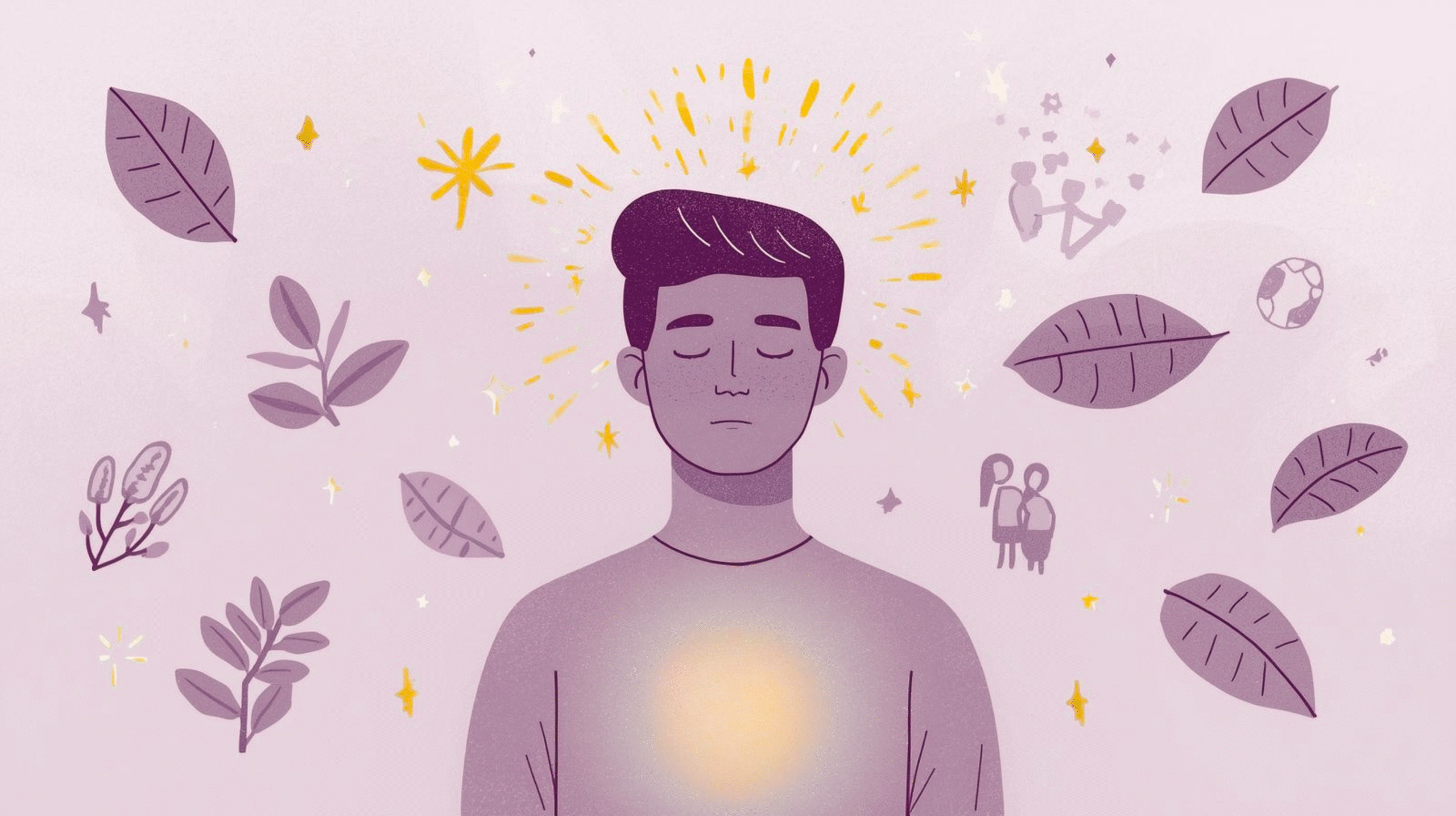
Mental health is shaped by a complex blend of biological, psychological, and social factors. In an age where stress, anxiety, and burnout are increasingly common, cultivating emotional resilience and a positive mindset is essential. Among the many tools available, gratitude stands out as one of the simplest yet most effective practices for enhancing overall well-being.
Gratitude goes beyond polite manners or temporary happiness, it’s a deeper recognition and appreciation for the positive aspects of life both big and small. Science shows that regularly practicing gratitude can significantly improve mood, reduce stress, and strengthen relationships [1].
This article explores how gratitude impacts mental health supported by scientific evidence, and provides practical ways to make it part of your daily life.
What is Gratitude
1. Definition of Gratitude
Gratitude is the conscious acknowledgment of the goodness in life and the sources of that goodness, whether internal or external. It’s about recognizing that many positive aspects of life come from others or from circumstances beyond our control. Unlike fleeting emotions such as happiness, gratitude is an intentional state of appreciation that fosters deeper fulfillment.
2. Psychological and Emotional Aspects
Psychologically, gratitude shifts focus from what’s missing to what’s present. It counters the brain’s natural negativity bias, helping individuals focus on abundance rather than scarcity. Emotionally, it encourages contentment, compassion, and optimism, qualities that buffer against depression and anxiety.
3. The Science of Gratitude
Neuroscience has identified gratitude as a practice that activates brain regions associated with empathy, reward, and moral cognition, particularly the prefrontal cortex and anterior cingulate cortex. Gratitude triggers the release of neurotransmitters like dopamine and serotonin both responsible for pleasure and well-being making it a natural mood enhancer.
How Gratitude Improves Mental Health
1. Reduces Stress and Anxiety
Practicing gratitude shifts perspective away from worry and rumination. When individuals focus on what’s going well, they reduce the body’s stress hormone cortisol, promoting a calmer physiological state. Gratitude creates a mental buffer against daily stressors, enabling emotional regulation even in challenging situations.
2. Enhances Mood and Happiness
People who engage in regular gratitude practices report higher levels of happiness and life satisfaction. A landmark study by Emmons and McCullough found that participants who kept gratitude journals for just 10 weeks felt 25% happier than control groups. Gratitude nurtures positive emotions like joy, enthusiasm, and hope, supporting resilience through difficult times.
3. Improves Sleep Quality
Expressing gratitude before bedtime can improve sleep quality. Writing or thinking about positive aspects of the day reduces intrusive thoughts and helps the mind relax. Studies show that gratitude journaling enhances restorative sleep by reducing pre-sleep anxiety and rumination.
4. Strengthens Emotional Resilience
Grateful individuals are more likely to reframe setbacks positively and recover from adversity faster. Gratitude promotes acceptance, reduces self-blame, and fosters a balanced perspective, core elements of emotional resilience. By nurturing positive coping mechanisms, gratitude helps maintain emotional stability even during crises.
5. Strengthens Social Connections
Gratitude is inherently social, it acknowledges others’ kindness and fosters connection. Expressing appreciation increases empathy, reduces aggression, and enhances trust. Grateful individuals are more likely to build supportive relationships, which in turn provide emotional safety and strengthen mental health.
Practical Ways to Cultivate Gratitude
1. Gratitude Journaling
One of the most effective techniques is keeping a gratitude journal. Writing down three things you’re thankful for each day trains the brain to notice positives. Over time, this rewires neural pathways for optimism and emotional balance.
Tip: Be specific, write why you’re grateful and how each event made you feel.
2. Mindfulness and Meditation
Combining mindfulness with gratitude enhances emotional awareness. Mindful gratitude meditation involves focusing on the present moment and acknowledging life’s blessings without judgment. This practice lowers stress, reduces anxiety, and strengthens self-compassion [2].
3. Expressing Gratitude to Others
Simple acts saying “thank you,” writing a note, or expressing verbal appreciation can have profound effects. Studies show that expressing gratitude improves relationships and increases both the giver’s and receiver’s happiness.
Practice: Send one gratitude message per week to someone who has positively influenced you.
4. Gratitude Rituals and Reminders
Integrating gratitude into daily routines helps maintain consistency. Morning affirmations or evening reflections can serve as gratitude rituals. Visual reminders like sticky notes or gratitude jars act as daily cues to pause and reflect
5. Acts of Kindness and Giving Back
Gratitude grows when shared. Performing small acts of kindness enhances empathy and reinforces a sense of interconnectedness. Helping others shifts attention from personal struggles to the broader human experience, improving emotional well-being.
Scientific Evidence Supporting Gratitude Practices
Gratitude Journaling and Depression:
In a study of over 1,000 participants, those who kept gratitude journals experienced reduced depressive symptoms and increased optimism compared to the control group.
Neuroscience of Gratitude:
fMRI studies reveal that expressing gratitude activates brain regions involved in reward processing, morality, and empathy, fostering feelings of fulfillment and social bonding.
Sleep Improvement:
Wood et al. found that gratitude improves sleep quality by reducing pre-sleep worry and increasing positive thoughts before bed.
Physical Health Correlation:
People with high gratitude scores report fewer physical ailments and engage in healthier behaviors like regular exercise and balanced diets.
Long-Term Mental Health Benefits:
A 2017 study from Indiana University found that writing gratitude letters had lasting neural effects, increasing activity in the medial prefrontal cortex even months after the exercise [3].
Common Challenges and How to Overcome Them
1. Forgetting to Practice
Life can get hectic, making it easy to skip gratitude exercises. To stay consistent, pair your gratitude practice with an existing daily habit, such as brushing your teeth, having morning coffee, or winding down before bed. You can also set phone reminders or alarms to prompt reflection, ensuring gratitude becomes a regular part of your routine.
2. Feeling Insincere
Sometimes gratitude may feel forced or artificial, especially at first. Start small by focusing on genuine, specific moments: a kind gesture from a friend, a comforting meal, or simply enjoying nature. Over time, these small, authentic acknowledgments naturally cultivate a sincere sense of appreciation.
3. Struggling During Tough Times
During periods of stress or hardship, finding things to be grateful for may seem impossible. In these situations, focus on small comforts, lessons learned, or personal strengths rather than “big” positives. Practicing gratitude even in adversity gradually strengthens emotional resilience and a positive outlook.
4. Measuring Impact
It can be difficult to see progress when practicing gratitude. Track emotional shifts in a journal, app, or notebook by noting changes in mood, relationships, or sleep patterns over time. Observing these subtle improvements reinforces commitment and motivates continued practice [4].
The Broader Impact of Gratitude
Gratitude is more than an emotion; it’s a lifestyle that transforms perception. When consistently practiced, it improves emotional intelligence, nurtures empathy, and builds stronger communities. On a biological level, it lowers inflammation and boosts immune function. On a psychological level, it fosters hope and meaning, acting as a buffer against mental illness.
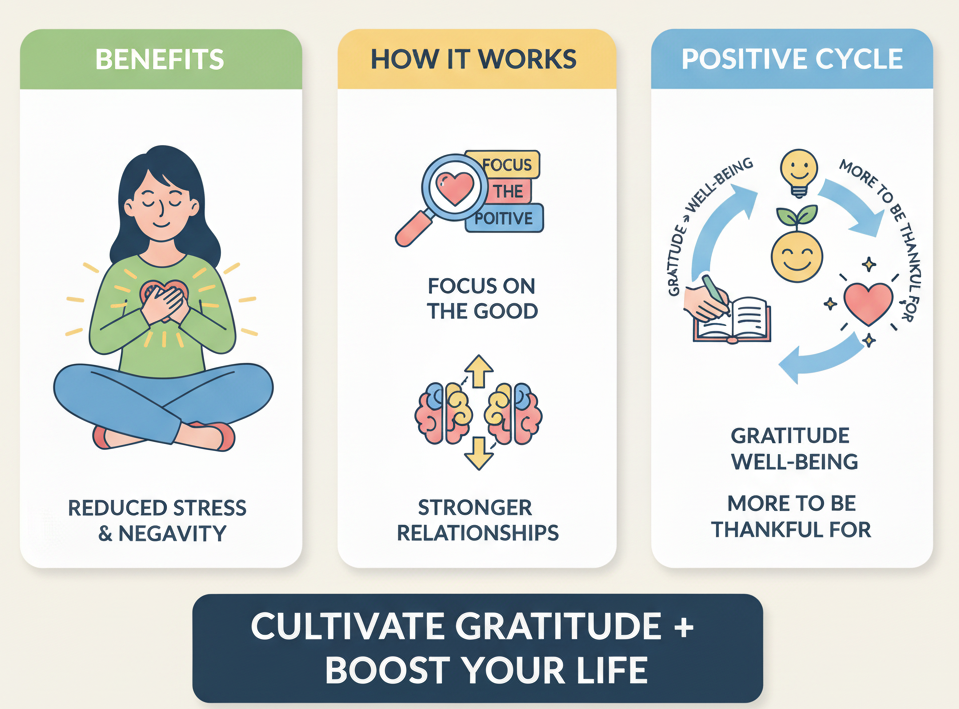
Incorporating gratitude into self-care routines can significantly enhance emotional well-being. Whether through journaling, meditation, or social appreciation, gratitude nurtures a positive feedback loop: gratitude breeds happiness, and happiness fuels more gratitude.
Conclusion
Gratitude is a scientifically validated, cost-free tool that enhances mental health, strengthens relationships and promotes happiness. By acknowledging life’s positives, individuals shift from a mindset of scarcity to one of abundance. From reducing anxiety to improving sleep and resilience, the benefits of gratitude reach every dimension of well-being.
Making gratitude a daily habit whether through journaling, mindfulness or expressing thanks can transform both mental and emotional health, cultivating a more joyful, meaningful life.
Looking for more health and wellness solutions ? Don’t miss these related guides:-
- How sleeping positions impact your spine health over time
- Your core isnt weak its asleep the silent epidemic of muscular amnesia
Frequently Asked Questions:
1. How does gratitude impact mental health?
Gratitude enhances mental health by increasing positive emotions, reducing stress hormones, and improving brain function related to empathy and reward. It encourages optimism and reduces symptoms of depression and anxiety.
2. Can gratitude reduce stress and anxiety?
Yes. Gratitude lowers cortisol levels and shifts focus from negative thoughts to positive experiences, fostering calmness and reducing physiological stress responses.
3. What are the best ways to practice gratitude daily?
Effective methods include journaling, mindfulness, expressing thanks to others, and reflecting on daily positives. Small, consistent efforts create long-term mindset shifts.
4. How does gratitude improve sleep quality?
By reducing pre-sleep rumination and anxiety, gratitude promotes relaxation and improves sleep duration and quality.
5. Can expressing gratitude strengthen relationships?
Absolutely. Gratitude enhances empathy, trust, and mutual appreciation, fostering stronger personal and social bonds.
References
- Witnessing excellence in action: The “other‑praising” emotions of elevation, gratitude, and admiration (Algoe & Haidt, 2009) https://www.tandfonline.com/doi/abs/10.1080/17439760802650519
- Beyond reciprocity: Gratitude and relationships in everyday life (Algoe, Haidt & Gable, 2008) https://psycnet.apa.org/doiLanding?doi=10.1037%2F1528-3542.8.3.425
- Counting Blessings Versus Burdens: An Experimental Investigation of Gratitude and Subjective Well‑Being in Daily Life (Emmons & McCullough, 2003) https://emmons.faculty.ucdavis.edu/wp-content/uploads/sites/90/2015/08/2003_2-Emmons_McCullough_2003_JPSP.pdf
- Examining the pathways between gratitude and self‑rated physical health across adulthood (Hill, Allemand & Roberts, 2013) https://core.ac.uk/download/pdf/212634121.pdf


