





There comes a moment in adulthood when your body suddenly aches for absolutely no reason. You didn’t run a marathon. You didn’t lift anything heavy. You simply woke up, yawned, stretched like a harmless house cat. and suddenly your back behaves like you participated in the Hunger Games. A body ache is the universal sign that your body is tired of your lifestyle, your habits, and especially your sleep schedule.
Most people blame body aches on “age,” but honestly, half of us are 20-something-year-olds with the joints of 70-year-olds because we sleep like pretzels and stay dehydrated like raisins. So today, we’re breaking down the dramatic, irritating, annoying world of body ache: why it shows up uninvited, what tablet helps, what lifestyle is secretly making it worse, and how to make your body stop acting like it’s on strike.
What Is a Body Ache and Why Does It Happen?
A body ache is that discomfort happening to the whole body when everything seems to be heavy, tired, sore, and a little bit offended by your existence. It’s not sharp pain, more like dull exhaustion that spreads everywhere.
Is Body Ache the Same as Muscle Pain ?
Not exactly. Muscle pain is localized like thigh pain after running or arm pain after gym. Body ache is more general, often caused by inflammation, fatigue, dehydration, viral infections, hormones, or stress [1].
What Are the Most Common Reasons for Body Ache?
Body aches are rarely random. In most cases, they’re your body’s way of flagging something you may have overlooked: small habits, daily stressors, or subtle imbalances that build up over time.
Body aches without a fever
Body pain doesn’t always come with a fever. Stress, dehydration, mineral deficiencies, poor posture, long sitting hours, lack of quality sleep, or even mild viral activity can all trigger muscle and joint discomfort without raising body temperature [2]. In these cases, inflammation is often low-grade but persistent, leading to widespread soreness.
Waking up with body aches every morning
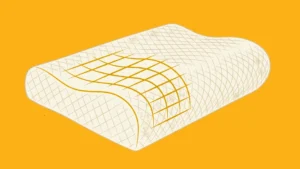
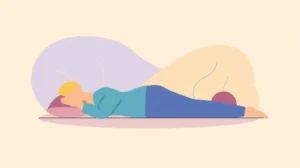
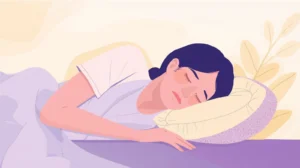
Morning body aches are commonly linked to poor sleep posture, an unsupportive mattress, or the wrong pillow height. When muscles stay in strained positions overnight, circulation drops and stiffness increases, causing soreness on waking. Poor sleep quality also disrupts the body’s natural repair cycle, allowing inflammation to linger [3].
Sudden body aches with no clear cause
Sudden aches often feel random but usually aren’t. Sitting in awkward positions, excessive walking, dehydration, nutrient-poor food, or unaddressed mental stress can all overload muscles. Even mild viral infections can trigger sudden muscle pain before other symptoms appear [4].
Stress-related full-body aches
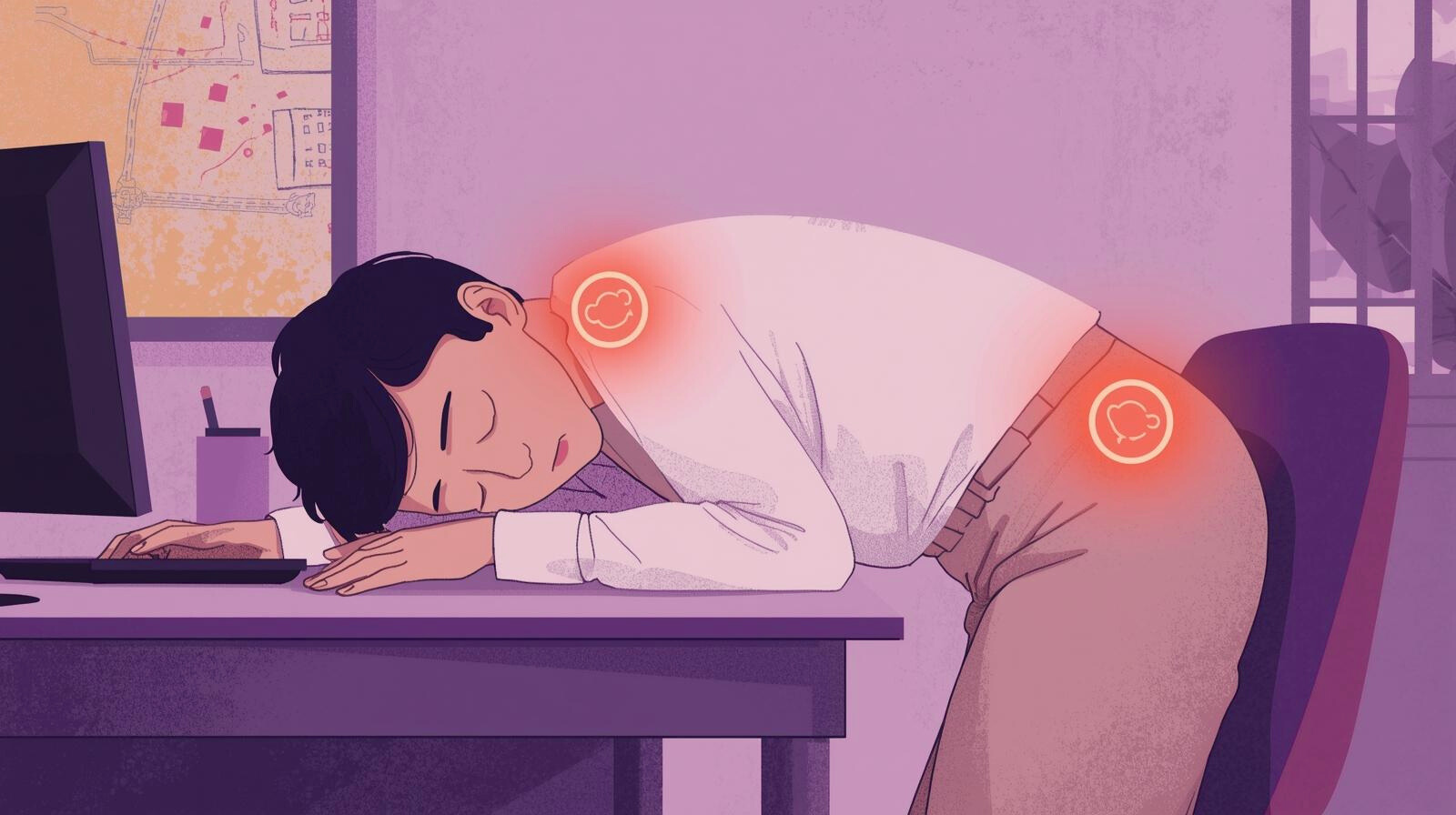
Chronic stress causes muscles to remain subtly contracted for long periods. This constant tension reduces blood flow, increases inflammation, and leads to widespread body pain,especially in the neck, shoulders, back, and hips. Over time, stress-induced muscle tightness can mimic symptoms of physical injury [5].
Dehydration and muscle pain
Dehydration is one of the most underestimated causes of body aches. Muscles rely on fluids and electrolytes to contract and relax efficiently. When hydration levels drop, muscles fatigue faster, cramp more easily, and develop lingering soreness throughout the body [6].
What Causes Severe Full-Body Ache?
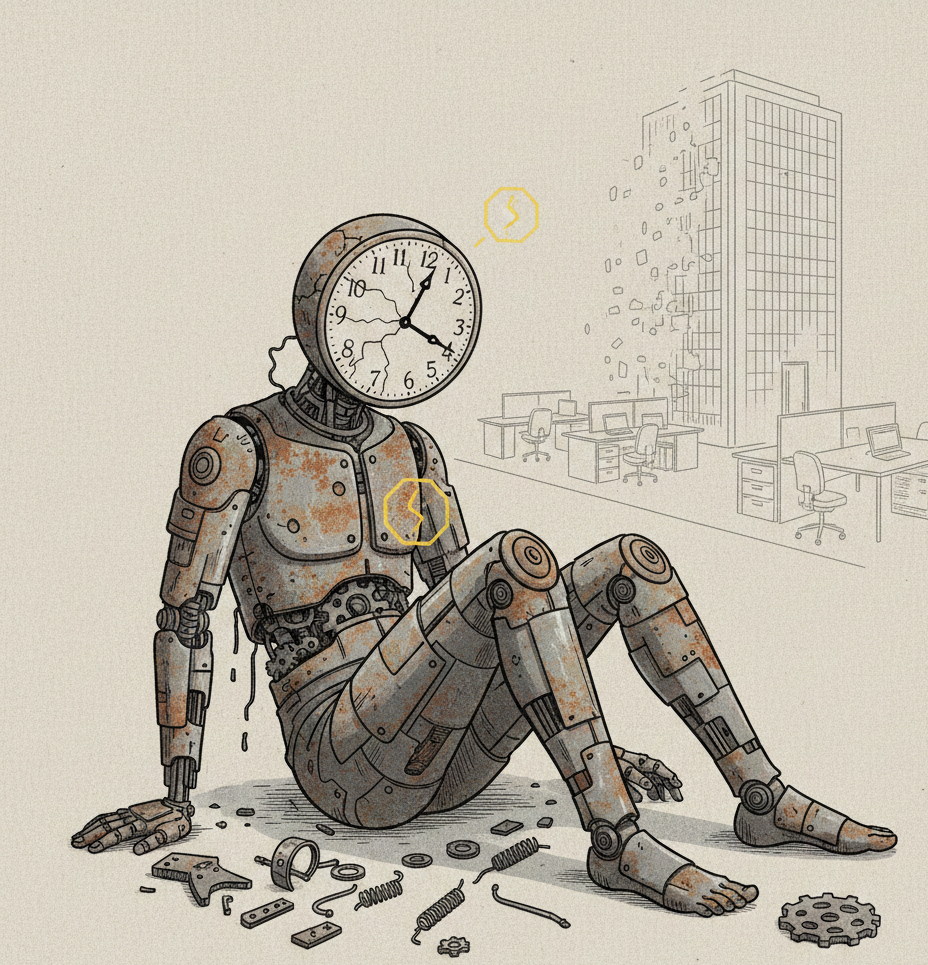
Frequent or intense full-body aches are usually a sign that your body is overwhelmed and asking you to slow down. It’s not weakness, it’s communication.
Does whole-body ache indicate weakness or low immunity?
It can be. And in low immunity or chronic inflammation, the body has a tough time rebounding. This frequently shows up as pervasive low level aches which sound like they affect everything all at once, and can particularly be triggered by stress or weariness [7].
Is vitamin D deficiency responsible for body aches?
And yes, it’s one of the most often-overlooked causes. Vitamin D is clearly important for muscles strength and bone health. In a state of depletion muscles tire easily, bones ache and inflammation goes up with the chronic pain to show for it [8].
Can body ache be a symptom of viral infection?
Very often, Yes. Cytokines are inflammatory chemicals the immune system releases during viral infections. Those are the chemicals that make you achy, weak and sore in your muscles, sometimes even before other symptoms hit like fever or congestion [9].
If body aches are especially bad and/or frequent or they keep coming back with no good explanation, it’s worth listening to them rather than pushing forward. There could be an underlying deficiency, infection or recovery issue your body is trying to tell you about.
What Are the Best Home Treatments for Body Pain?
1. Rest really does help:
Allowing your body to relax and rest gives muscles time to repair and heal themselves naturally. Quality sleep decreases inflammation and is one of the easiest yet most effective treatments for body aches [10].
2. Apply warm or cold Use heat or cold açcording with your pain:
Heat therapy can soothe sore, stiff muscles and help increase blood flow. Cold therapy is more effective for swelling, inflammation and if your pain results from recently pulled muscles. Which is right for you depends on the way your pain feels.
3. Recover with the right foods:
Anti-inflammatory and antioxidant-packed foods (such as ginger, turmeric, citrus fruits, leafy greens and magnesium rich foods) lower muscle soreness and helps the body to heal itself from within [11].
4. Gentle movement and hydration matter:
Gentle stretching, and also remaining well hydrated to prevent stiffening in emerging trials can help muscles recover more quickly after prolonged periods of rest or disuse.
Is post-workout soreness normal or a red flag?
It feels like such a waste to be held back by normal post-workout soreness, but what we consider “normal” doesn’t include the kind of pain that comes with an injury. Normal post-workout soreness usually presents as dull tightness in the muscles one or two days after a workout, and it tends to loosen up with some light movement or stretching. This sort of soreness a sign that your muscles are adapting and repairing. Red-flag pain, meanwhile, is sharp, sudden or severe and may be accompanied by swelling, bruising or an inability to move the affected area. If the pain is getting worse instead of better, or if it’s hampering basic movement, it’s probably an injury and should not be overlooked.
Can Hormones Cause Body Ache?
Absolutely hormones can be absolute chaos merchants when it comes to body aches. When they fluctuate (hello periods, PMS, ovulation, stress cycles, or even bad sleep), they mess with inflammation, muscle tension, and pain sensitivity. Suddenly your lower back hurts for no logical reason, your legs feel heavy, and your joints act like they’ve aged ten years overnight. Nothing is wrong, your hormones are just having a meeting and forgetting to invite you. The worst part is how sneaky it feels: no injury, no dramatic moment, just a dull ache that shows up like, “Hi, I live here now.”
Can period cramps cause body pain everywhere?
Yes. Menstrual prostaglandins, the tiny devils responsible for cramps also circulate through the bloodstream and cause inflammation in muscles, leading to a full-body ache that feels like your skeleton is sulking [12].
Do hormonal changes lead to muscle stiffness?
Absolutely. Hormones influence sleep, hydration, stress response, and inflammation. Even slight hormonal imbalance can tighten your muscles and cause widespread discomfort. It’s like your body becomes extra dramatic for no reason.
Why Do Some People Get Body Ache When They’re Stressed or Anxious?
Because your stress doesn’t stay politely in your head it moves in and starts renting space in your body. When you’re anxious, you clench without realizing it: shoulders creep up, jaw tightens, stomach stays braced like you’re permanently “preparing.” Over time, that constant low-grade tension turns into very real aches, even if you haven’t lifted a single heavy thing. It’s like your body’s been holding its breath all day and finally snaps by evening. And the worst part? The ache feels physical enough to worry you, which stresses you out more, which makes it ache more. Congratulations you’ve unlocked the most irritating loop known to adulthood.
Can the body store stress as pain?
Yes, and it’s not even subtle. Stress activates the sympathetic nervous system, tightening your neck, shoulders, and back without your permission [13]. Chronic stress basically turns your muscles into overworked employees waiting for HR to intervene.
Why do anxiety and pain feel connected ?
Because they literally are. Pain signals become amplified when your nervous system is overwhelmed. Anxiety heightens this sensitivity, making normal aches feel significantly worse [13].
How Do I Stop a Body Ache Fast?
First, stop pretending you’re fine. That’s step one. Most body aches get worse because we power through them like martyrs instead of giving our bodies five minutes of basic respect. Drink water (yes, actual water), move a little instead of collapsing dramatically, and stretch like you mean it, not the half-hearted reach you do while yawning. Heat works wonders when everything feels stiff and grumpy; cold helps when something feels inflamed or angry. And sleep real sleep, not “I lay in bed scrolling for three hours” sleep fixes more aches than any miracle balm. The goal isn’t to erase the ache instantly; it’s to stop your body from escalating the situation like, “Oh, you’re ignoring me? Cool. Let’s make this louder.”
What is the quickest relief for body pain?
Hydration, rest, a warm shower, light stretching, and sometimes a safe painkiller (like paracetamol) for quicker results are what most people get relief through [14]. Muscles are like plants, water and warmth revive them immediately.
Do baths, steam, or stretching help?
Definitely. Warm baths help muscles relax, steam increases circulation, and gentle stretching lowers stiffness [14]. A long shower is something you should never underestimate.
Should we rest or move when my whole body hurts?
Light movement is more helpful than lying still like a sad, defeated burrito. However, if your body ache is due to an illness, rest is your best companion.
Can Lifestyle Habits Cause Regular Body Ache?
Yes and annoyingly so. Regular body aches often have less to do with “some hidden illness” and more to do with the very ordinary ways we live. Sitting like a question mark for eight hours, scrolling in bed until your neck locks up, surviving on caffeine instead of water, or treating sleep like an optional feature of life all add up. Your body keeps a quiet score. That stiff lower back after a “chill” weekend? Probably not aging, just you binge-watching in a position even your sofa is judging. Lifestyle aches don’t arrive dramatically; they show up as background soreness, the kind you start accepting as normal… until one morning your body decides to file a formal complaint.
Can bad posture lead to daily aches?
One hundred percent. Your backbone, in no way, should look like that of a shrimp. When you slouch, you impinge the nerves and stiffen the muscles that are the cause of the most frequent and dulling types of neck, shoulder, and back pain.
Is pain getting worse due to a sedentary lifestyle?
Indeed, staying seated throughout the day lowers blood flow, muscles become less strong, and the situation gets more and more stiff [16]. Movement is the best medicine; the culprit is sitting.
What daily habits reduce chronic body pain?
Body pains will be reduced greatly through: proper hydration, eating nutrients, dense meals, stretching daily, exercising, getting quality sleep, and living an anti-inflammatory lifestyle. A daily routine of caring for your body is what makes it impossible for it to crumble dramatically later on.
What supplements help with body aches in the long term?
Often these supplements: vitamin D, magnesium, vitamin B12, and omega, 3 fatty acids can be of help however, always under the supervision of a doctor. Hypothetically your body ache might be due to a deficiency, but please don’t diagnose yourself and make a decision.
When to Be Concerned About Body Aches and Pain ?
Most body aches are harmless and improve with rest, but some signals shouldn’t be ignored.
How do I know if my body ache is serious?
If your body ache is accompanied by a very high fever, noticeable swelling, unexplained rashes, dizziness, difficulty breathing, sudden weakness, or pain that lasts longer than a week, it’s time to stop self-diagnosing and consult a doctor [15].
What symptoms mean I need to see a doctor?
Ongoing pain that doesn’t improve, sharp or localized pain, visible swelling, sudden difficulty moving, or extreme fatigue are all red flags. Your body isn’t being dramatic, it’s sending clear warning signals that something needs medical attention.
Conclusion
Aches and pains should not be seen as your body’s attack on you. It is rather its way of communicating with you. Perhaps, you are exhausted, dehydrated, under pressure, or just neglecting your health. It could also be the case that you have been sitting in a very awkward position all day without even realizing it. Or it could be that your body is craving some peace and quiet away from the mess that is your life.
Body ache is basically your body saying:
“Please stop treating me like a rental vehicle.”
Fix your sleep, hydrate properly, reduce stress, stretch a little, eat foods that your organs won’t fight about, and your body will stop acting like a dramatic supporting character.
Because the truth is:
Your body doesn’t want perfection, just consistency, hydration, and a little bit of love.
Explore More Health & Wellness Solutions:
Want to stay informed about wellness and everyday health issues? Here are some insightful reads to guide you. Explore the links below for practical tips and solutions.
10 Effective Home Remedies for Body Pain Relief Naturally
Recovery Patches for Pain Relief & Muscle Recovery
Muscle Pain Causes: Understanding Myalgia, Triggers, and Effective Relief
Frequently Asked Questions:
1. Why do I get body aches even when I’m not sick?
Body aches without fever are a common signal that you are not looking after yourself. Lack of water, lack of sleep, stress, bad posture or vitamin deficiencies can cause general discomfort even if you don’t have any kind of infection. Your body may be overly expressive, but it is not crazy, it hurts for a reason.
2. Why does my body ache after waking up?
Because your sleeping position most probably looks like a croissant. If you sleep in improper positions or on bad pillows, your muscles get tight during the night and next morning they are the ones that protest. Moreover, your body is almost immobilized for several hours, so everything except you wakes up slower.
3. Is it normal to have body aches every day?
Not exactly. Occasional pains can be considered normal, however, if you feel pain daily it is most likely a deeper issue such as stress, dehydration, deficiency, lifestyle habits or even hormonal imbalance. Your body is essentially submitting a complaint every day and you should probably consider it.
4. How do I know if my body ache is from a viral infection?
Viral body aches are heavier, more intense, and normally accompanied by tiredness, headache, and chills. It is that, I feel like someone hit me with a truck type of pain. The reason for this is that viruses release inflammatory agents that irritate muscles.
5. What tablet should I take for body ache?
Paracetamol or ibuprofen are the most common medicines recommended for body aches. Paracetamol is the one that reduces the pain perception, while ibuprofen is the one that reduces the inflammation. However, do not keep to yourself, medicating for several days in a row, painkillers are for alleviation, not for a lifestyle.
6. Can vitamin deficiencies cause full-body aches?
YES. Vitamin D and magnesium deficiencies are among the most common reasons for long, term body aches that are not obvious. So, if you are staying indoors all the time, avoiding the sun as if you were a vampire, and your diet consists of 80% of snacks, then sure, your body will not be silent and will complain.
7. How do I relieve a body ache fast?
Put things right. Drink water, stretch a bit, take a warm shower, rest and eat anti-inflammatory foods. If the pain is unbearable, a mild and safe dose of paracetamol can ease it. And please, make sure you sleep properly tonight. It is during sleep that your body heals the fastest, so put down your phone if you are planning to scroll at 3 AM.
8. Why do my body aches get worse when I’m stressed?
Stress causes your muscles to become tight without asking for your consent. You lift your shoulders without realizing, your jaw clenches, your back stiffens and overall your body goes into a “defense mode”. In the end, all that accumulated tension translates into general body pain. Although stress does not cost anything, it is very costly for your muscles.
9. Should I push through my body ache and work out anyway?
If the pain is due to delayed onset muscle soreness (DOMS) after a normal workout, it is advisable to do gentle movements to help the muscles. However, if the pain is related to illness, fatigue, or deficiency, then forcing yourself will only worsen the situation. You should pay attention to what your body tells you; it speaks loudest when it is in trouble.
10. Can dehydration really cause body ache?
Definitely. Muscle related issues that come along with deficiency of electrolytes in the body are a very common scenario. Simply put, muscles are not able to operate smoothly without these electrolytes. They do so by becoming tight, cramping, and causing pain. In the case where your water intake for the day is limited to one glass plus whatever you are doing, then that is indeed the reason for which everything seems to ache.
References
[1] Body ache vs localized muscle pain; common causes like inflammation, fatigue, dehydration, viral illness, stress
Healthline. (2023, May 24). Body aches: 17 possible causes. https://www.healthline.com/health/body-aches
[2] Body aches without fever; stress, dehydration, lack of sleep, early infection
Verywell health. (n.d.). Why do I have body aches and chills but no fever? https://www.verywellhealth.com/body-aches-chills-and-no-fever-7967733
[3] Waking up with body aches; sleep position, mattress, sleep disturbances
Sleep Foundation. (2025, July 16). Why does my body ache when I wake up?https://www.sleepfoundation.org/physical-health/why-does-my-body-ache-when-i-wake-up
[4] Sudden body aches; can appear early with viral infections / immune response
UCLA Health. (2022, May 3). Why your whole body aches when you’re sick (and what you can do about it).https://www.uclahealth.org/news/article/why-your-whole-body-aches-when-youre-sick-and-what-you-can-do-about-it
[5] Stress-related full body aches; muscle tension is a reflex response to stress
American Psychological Association. (2018, November 1). Stress effects on the body.https://www.apa.org/topics/stress/body
[6] Dehydration and muscle pain/cramps; electrolyte imbalance and muscle dysfunction
Mayo Clinic. (2025, May 2). Dehydration—Symptoms and causes.https://www.mayoclinic.org/diseases-conditions/dehydration/symptoms-causes/syc-20354086
[7] Whole-body aches, weakness, “low immunity” framing (better: general causes incl. nutritional deficiencies, stress, viral illness)
Healthline. (2023, May 24). Body aches: 17 possible causes. https://www.healthline.com/health/body-aches (If you want a more “immunity-focused” clinical source, we can swap this, but most medical references describe causes rather than “low immunity” as a diagnosis.)
[8] Vitamin D deficiency and body aches/muscle weakness/bone pain
Cleveland Clinic. (n.d.). Vitamin D deficiency: Causes, symptoms & treatment.https://my.clevelandclinic.org/health/diseases/15050-vitamin-d-vitamin-d-deficiency
[9] Viral infection → cytokines/acute phase response → myalgia/body aches
Eccles, R. (2005). Understanding the symptoms of the common cold and influenza. The Lancet Infectious Diseases. (Full text in PubMed Central). https://pmc.ncbi.nlm.nih.gov/articles/PMC7185637/
[10] “Rest helps / sleep reduces inflammation” + “quick relief includes rest + safe painkiller (paracetamol)”
UCLA Health. (2022, May 3). Why your whole body aches when you’re sick (and what you can do about it).https://www.uclahealth.org/news/article/why-your-whole-body-aches-when-youre-sick-and-what-you-can-do-about-it
[11] Anti-inflammatory foods like turmeric/ginger; evidence they reduce inflammation markers (general support for anti-inflammatory effects)
Mashhadi, N. S., Ghiasvand, R., Askari, G., Hariri, M., Darvishi, L., & Mofid, M. R. (2013). Anti-oxidative and anti-inflammatory effects of ginger in health and physical activity: Review of current evidence.International Journal of Preventive Medicine, 4(S1), S36–S42. https://pmc.ncbi.nlm.nih.gov/articles/PMC3665023/
[12] Menstrual prostaglandins cause cramps/pain + systemic symptoms (can contribute to broader aches)
Mayo Clinic. (n.d.). Menstrual cramps—Symptoms and causes.https://www.mayoclinic.org/diseases-conditions/menstrual-cramps/symptoms-causes/syc-20374938
[13] Stress stored as pain; sympathetic activation; stress amplifies pain sensitivity
American Psychological Association. (2018, November 1). Stress effects on the body.https://www.apa.org/topics/stress/body
[14] Warm baths/heat/steam help stiffness by increasing blood flow and relaxing muscles
Cedars-Sinai. (2025, January 1). How to use a heating pad to heal and ease pain from muscle injuries.https://www.cedars-sinai.org/stories-and-insights/healthy-living/how-to-use-a-heating-pad-to-heal-and-ease-pain-from-muscle-injuries
[15] When to be concerned / see a doctor for body aches (duration + concerning symptoms)
UCLA Health. (2022, May 3). Why your whole body aches when you’re sick (and what you can do about it).https://www.uclahealth.org/news/article/why-your-whole-body-aches-when-youre-sick-and-what-you-can-do-about-it
[16] Sedentary lifestyle and musculoskeletal pain association (systematic review)
Mansfield, L., et al. (2021). Musculoskeletal pain and sedentary behaviour in occupational and non-occupational settings: A systematic review with meta-analysis.https://pmc.ncbi.nlm.nih.gov/articles/PMC8666269/