






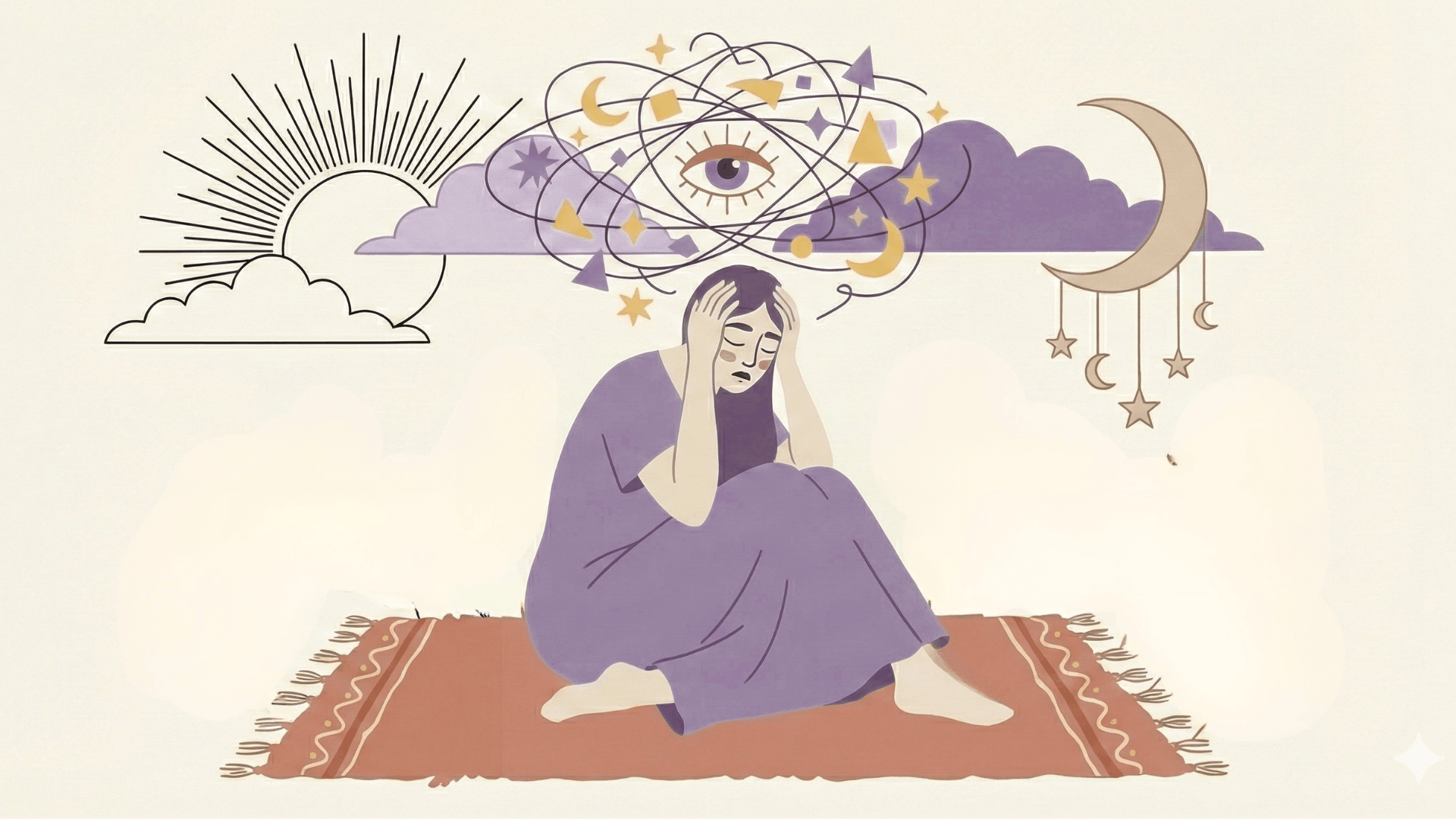
When most of us think of insomnia, we think “just bad sleep.” A rough night. A few restless hours. Something you’ll mess with over the weekend.
But insomnia is seldom that straightforward.
When sleep problems hang on, even behind the scenes or at low levels, they are blockers that begin to really slap every system as you flow through time,” Dr. Redeker says. Mental clarity drops. Emotions feel harder to regulate. Physical discomfort becomes louder. Simple tasks take longer than they should. And yet they keep plowing along, thinking this is what adulthood feels like.
Insomnia, in fact, wreaks havoc far beyond bedtime. -It affects how your brain processes information, how your immune system responds to stress, how hormones regulate appetite and energy; the way you feel when you wake up each morning.
Occasional sleeplessness happens to everyone. Chronic insomnia is different. It’s something that creeps up on you, usually without you realising, where tired becomes your norm.
Recognizing the symptoms early matters. The sooner insomnia is dealt with, the more reversible it is and the less likely it is to turn into a chronic health problem.
What Is Insomnia?
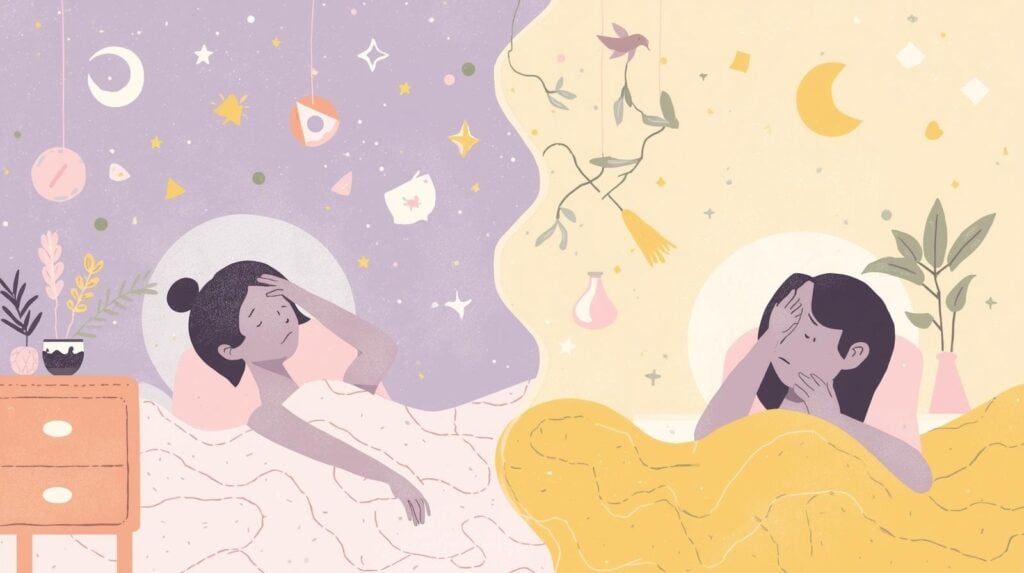
Insomnia is known as difficulty falling asleep, staying asleep, or waking up too early without the ability to fall back asleep despite a sufficient opportunity to sleep [1].
It is important to note that insomnia does not just have symptoms at night. The diagnosis also takes into account how sleeping problems affect daytime when drowsiness, mood changes and concentration may be affected.
Acute vs Chronic Insomnia
Short-term (acute) insomnia is often caused by stress, illness, travel or other factors. Frustrating as hell, but it does tend to go away once the triggering stressor is behind us.
Chronic insomnia is present for at least three nights per week for the duration of three months or longer. At this point, sleep disturbance is often perpetuated or self-sustaining sometimes even after the precipitating factor has disappeared [2].
How Insomnia Compares to Other Sleep Disorders ?
Insomnia is different from things like sleep apnea, restless legs syndrome or circadian rhythm disorders. Those disturbed sleep patterns tend to be caused by physiologic or neurologic factors, while insomnia frequently is characterized by a hyperactivated brain and nervous system.
Having said that, insomnia may overlap with other sleep issues so it is important to evaluate and diagnose properly.
What are the Common Symptoms of Insomnia ?
The symptoms of insomnia reach far outside the bedroom. They turn up at night, by day and in emotional curlicues that subtly influence everyday routines.
Nighttime Symptoms
- One of the most well-known symptoms of insomnia is an inability to fall asleep. Many people stare at the ceiling for 30 minutes or more, their bodies exhausted but their minds still racing.
- There are also often frequent awakenings during the night. Sleep can be broken, with hours of wake time in between a little sleep.
- Early morning risings happen when brain wakes up too early and it won’t go back to sleep, dramatic feelings of thought racing or tension in your body.
- Types of Sleeplessness + Tips for how to work these different causes out.
Even if the length of sleep appears to be sufficient, there are still many individuals who cannot get a good night’s sleep and do not wake up refreshed [3].
Daytime Symptoms
- Chronic fatigue is frequently the most noticeable daytime symptom. It’s not a simple sleepiness, but rather a profound, worn-out sensation that doesn’t get better with rest.
- Feeling foggy-brained and distractible make it more difficult to focus, learn information or make decisions effectively.
- Irritability, impatience and emotional sensitivity increases progressively with continued lack of sleep.
- Lack of motivation, lack of productivity Typically the person feels slaggish and can’t get anything done, not out of laziness but simply because the brain is functioning in energy-saving mode [4].
Emotional and Behavioral Signs
- Anxiety about going to bed is characteristic of insomnia. The bed itself can end up being a source of stress instead of relaxation.
- As frustration mounts, sleep patterns become uncertain and mind-tension at the time of commencement of sleep is magnified.
- The fear of not sleeping well may lead to a cycle in which worrying about sleep is the very thing that disrupts it.
What are the Common Causes of Insomnia ?
The causes of insomnia are rarely limited to one thing. It generally results from an interplay of mental, behavioral, bodily and environmental factors.
Psychological and Emotional Causes
- Stress and anxiety prompt the body’s alert systems, so it zaps the brain out of sleep mode.
- Insomnia is strongly associated with depression, where it is frequently both a symptom of and a risk factor for the disorder [5].
- “At night, when you’re full of those racing thoughts, your brain is not turning off from the day’s demands,” which keeps the nervous system in an overstimulated state.
Lifestyle and Behavioral Causes
- Unusual sleep hours throw off the body’s circadian rhythm, causing trouble falling asleep at the same time every night.
- One of them is excessive screen time at night, which exposes your brain to blue light that inhibits the production of melatonin [6].
- Late intake of caffeine, or heavy food stimulating either the nervous system or digestion can lead to one being unable to fall asleep.
- Underactivity in the day reduces sleep pressure, so you’ll toss and turn all night.
Physical and Medical Causes
- Chronic pain disorders frequently disrupt the initiation and maintenance of sleep, particularly as discomfort escalates to stillness.
- Hormonal shifts, such as menopause and thyroid problems, are related to changes in sleep.
- Nasal obstruction or minimal breathing disturbances can fractionate sleep without apparent symptoms.
- Digestive discomfort, such as acid reflux, often gets worse when you lie down and can ruin deep sleep phases.
Environmental Causes
- Noise and excessive exposure to light can keep the brain from getting into more restful sleep cycles.
- Inadequate bed or pillow support can cause discomfort, misalignment of the spine, or pressure points that prompt awakenings.
- Poor sleeping position affects and puts stress on the muscles and joints, possibly activating pain sensors while asleep.
Types of Insomnia
1. Acute Insomnia
Acute insomnia is usually related to a specific stressful event, and occurs when there are identifiable causes, including illness, emotional stress (such as relationship problems, a death in the family or a job loss), environmental factors such as light, noise and extreme temperatures (hot or cold) that interfere with sleep. It can become rather disruptive, but it usually disappears as the stressor recedes in time.
2. Chronic Insomnia
Chronic insomnia means long-standing symptoms lasting three months or more. At this point, sleep disturbance frequently persists even when there are no precipitating stressors [2].
Chronic insomnia predisposes individuals to cardiovascular disease, mood and metabolic disorders [7].
3. Onset vs Maintenance Insomnia
Sleep-onset insomnia is difficulty initiating sleep.
Sleep-maintenance insomnia is difficulty staying asleep, or awakening too early.
Often, people have a combination of both.
How Does Insomnia Affect Daily Health?
Brain and Mental Health Effects
- Sleep is important for processing memories and regulating emotions. Insomnia has adverse consequences on attention, learning and decision-making [8].
- Mood liability rises, and the risk of anxiety and depression is markedly increased with prolonged sleep deprivation [5].
Effects on Physical Health
- Disruption of hormonal balance Insomnia has been reported to be associated with disrupted secretion of hormones such as cortisol, insu- lin and appetite-controlling hormones [9].
- Immune response diminishes and the body becomes more vulnerable to diseases [10].
- Inflammation becomes chronic, leading to pain, heart disease and metabolic problems.
Impact on Employment, Security, and Relationships
- Drowsiness contributes to higher incidence of work errors and accidents.
- Reaction time is delayed and negatively impacts driving and physical co-ordination [11].
- Relationships are taxed when patience and communication break down, due to emotional fatigue.
Insomnia and the Body Stress Response
Insomnia triggers the body’s stress response and elevates cortisol levels to maintain a state of alertness in the nervous system [12].
This sets up a vicious cycle in which stress interferes with sleep, and lack of sleep makes you more vulnerable to stress.
With time insomnia becomes less about the original cause and more about body not knowing how to completely relax.
When Should You See a Doctor for Insomnia?
Seek professional help if sleep problems last longer than three weeks, are impeding how you function during the day or come with mood changes or physical symptoms.
Getting early support keeps insomnia from becoming chronic and minimizes other health risks in the long-term.
Managing Insomnia Naturally
Sleep Hygiene Fundamentals
- Keeping regular sleeping and waking times helps stabilize circadian rhythms.
- Improving bedroom conditions with less light, noise, and discomfort means better sleep.
Daytime Habits That Improve Sleep
- Morning light matters when it comes to melatonin timing.
- Exercise in the morning enhances sleep quality.
- Stress moderation techniques such as mindfulness decrease nocturnal arousal.
Evening Wind-Down Techniques
- Relaxation techniques instruct the mind and nervous system to slow down.
- Avoiding such stimulants and large meals reduces physiological arousal.
- Soft stretching or breathing exercises relieve muscular tension and encourage the body to feel at ease.
Medical Treatment Options (Brief Overview)
Cognitive Behavioral Therapy for Insomnia (CBT-I) is recommended as the initial treatment that targets both cognitive and behavioral factors thought to underpin insomnia[13].
Sleeping pills can be used on a short-term basis, but side effects occur with their long-term use such as dependence and worsened sleep quality [14].
Prevention Tips for Long-Term Sleep Health
You can also use the following general strategies to treat and prevent sleep problems.
Everything is rooted in maintaining circadian rhythm regularity.
If you clean up posture and physical comfort at night, diminishing those pain-related wake-up calls,what I like to call “the thing nobody thinks about” in the world of sleep health—it just might make all the difference.
Proactively addressing stress insulates sleep before issues snowball.
Explore More Health & Wellness Solutions:
Want to stay informed about wellness and everyday health issues? Here are some insightful reads to guide you. Explore the links below for practical tips and solutions:
- Struggling to Breathe? Here’s a Simple Postural Drainage Routine to do at Home
- Acupressure Points in the Foot: Benefits, Chart & Pressure Techniques
- How Can Knee Cap Support Help Prevent Injury and Reduce Pain While Running
Frequently Asked Questions:
1. What are the first signs of insomnia?
Early signs can include problems falling asleep, waking up frequently and still feeling sleepy during the day.
2. Does insomnia ever go away?
The acute insomnia usually subsides, while the chronic condition often cannot be left untreated.
3. What amount of time must pass in insomnias duration to be considered chronic?
Duration of at least three nights a week over months in periods of more than three months [2].
4. Does insomnia affect immune health?
Yes, a weakened immune and an increased risk of infection is associated with chronic sleep deprivation [10].
5. Does poor posture or pain drive insomnia?
Yes. Physical discomfort and the stress on your spine can also interfere with the continuous, restful sleep you need.
Final Thoughts
Insomnia is not a personal failure, nor is it a sign of weakness. It is a health signal.
Dealing with sleep symptoms prevents a mind-clouded lethargy, bodies weakened by fatigue and long-term health issues. Continual small shifts particularly those that promote a calm nervous system and comfort in the body can help ease you back into healthy sleep habits over time.
Sleep is not optional biology. It underlies how the body heals, adapts and thrives.
References (APA Style)
- Roth, T. (2007). Insomnia: Definition, prevalence, etiology, and consequences. Journal of Clinical Sleep Medicine, 3(5 Suppl), S7–S10.https://pmc.ncbi.nlm.nih.gov/articles/PMC1978319/
- National Institutes of Health. (2005). National Institutes of Health State-of-the-Science Conference statement on manifestations and management of chronic insomnia in adults, June 13-15, 2005. Sleep, 28(9), 1049–1057. https://academic.oup.com/sleep/article/28/9/1049/2708152
- Krystal, A. D. (2006). Sleep quality: What is it and how do we get it? Sleep Medicine, 7(Suppl 1), S3–S10https://pmc.ncbi.nlm.nih.gov/articles/PMC4031401/
- Lim, J., & Dinges, D. F. (2010). A meta-analysis of the impact of short-term sleep deprivation. Psychological Bulletin, 136(3), 375–389.
https://pubmed.ncbi.nlm.nih.gov/20438143/ - Baglioni, C., et al. (2011). Insomnia as a predictor of depression. Journal of Affective Disorders, 135(1–3), 10–19.
https://pubmed.ncbi.nlm.nih.gov/21300408/ - Chang, A. M., et al. (2015). Evening use of light-emitting eReaders. PNAS, 112(4), 1232–1237.
https://www.pnas.org/doi/10.1073/pnas.1418490112 - Javaheri, S., Storfer-Isser, A., Rosen, C. L., & Redline, S. (2008). Association of insomnia symptoms with risk of cardiovascular disease: A prospective cohort study. Circulation, 118(S_2),https://pmc.ncbi.nlm.nih.gov/articles/PMC5577359/
- Walker, M. P., & van der Helm, E. (2009). Overnight therapy? The role of sleep in emotional brain processing. Psychiatric Clinics of North America, 32(4), 791–814. https://doi.org/10.1016/j.psc.2009.09.001
- Leproult, R., & Van Cauter, E. (2010). Role of sleep and sleep loss in hormonal release and metabolism. Endocrine Development, 17, 11–21. https://doi.org/10.1159/000262524
- Besedovsky, L., Lange, T., & Born, J. (2019). Sleep and immune function. Pflügers Archiv: European Journal of Physiology, 471(1), 125–140.https://pmc.ncbi.nlm.nih.gov/articles/PMC3256323/
- Dollé, C., & Béranger, C. (2015). Sleep deprivation and its effect on driving performance: A review. Accident Analysis & Prevention, 84, 37–46. https://www.yalemedicine.org/news/how-sleep-affects-immunity
- Riemann, D., Spiegelhalder, K., Feige, B., Voderholzer, U., Raum, E., Klein, T., & Hummel, R. (2010). The hyperarousal model of insomnia: A review of the concept and its evidence. Sleep Medicine Reviews, 14(1), 19–31. https://doi.org/10.1016/j.smrv.2009.04.002
- Schutte-Rodin, S., Broch, L., Buysse, D., Dorsey, C., & Sateia, M. (2008). Clinical guideline for the evaluation and management of chronic insomnia in adults. Journal of Clinical Sleep Medicine, 4(5), 487–504.https://pmc.ncbi.nlm.nih.gov/articles/PMC10002474/
- Schutte-Rodin, S., Broch, L., Buysse, D. J., Dorsey, C., & Sateia, M. J. (2008). Clinical guideline for the evaluation and management of chronic insomnia in adults. Journal of Clinical Sleep Medicine, 4(5), 487–504. https://pmc.ncbi.nlm.nih.gov/articles/PMC10002474/


