





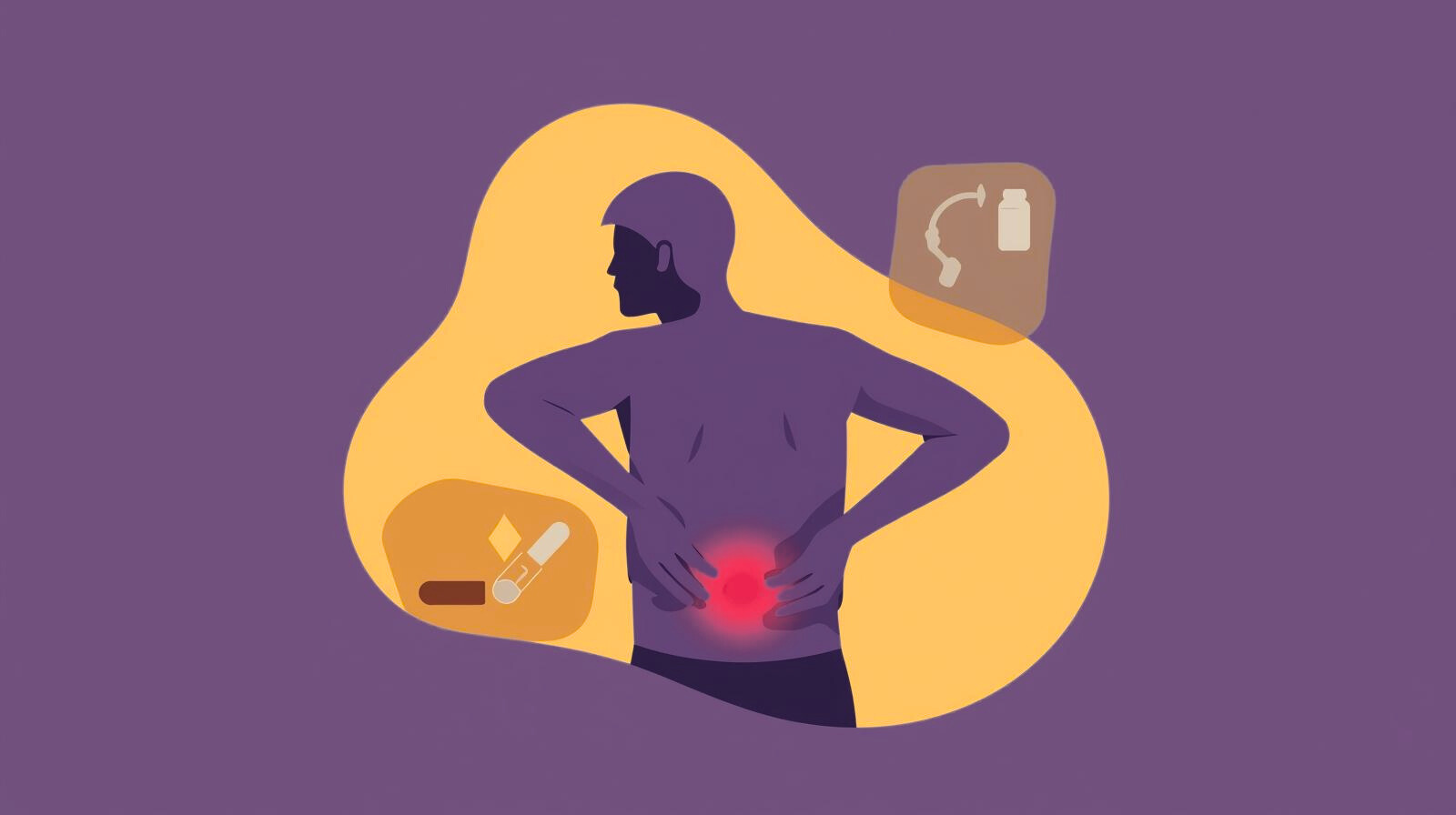
Back pain tablets might lead to better feeling in the short term, but they mainly hide the symptoms while the real cause is usually found in posture, loading, and daily habits. If these drugs are used on a regular basis, they can be accompanied by significant side effects and thus, it is most advisable to consider them as a temporary solution alongside the implementation of the recovery, ergonomics, and movement strategies, rather than as means of living with pain for a lifelong period.
What Back Pain Tablets Actually Do?
Common back pain tablets fall into a few broad families, each working differently in the body and each carrying its own set of trade-offs. Understanding what your “back pain tablet” is actually doing makes it easier to use it wisely rather than reflexively.
Types of Common Back Pain Tablets
Over-the-counter options (paracetamol, NSAIDs)
Paracetamol (acetaminophen) mainly works in the central nervous system to reduce pain and fever, but it has very little true anti-inflammatory effect. NSAIDs like ibuprofen, naproxen, and diclofenac reduce pain by blocking enzymes (COX) involved in prostaglandin production, which are key drivers of inflammation and pain. Guidelines often suggest NSAIDs for short-term relief in acute or subacute low back pain when medication is needed.
Prescription options (stronger NSAIDs, muscle relaxants, neuropathic pain meds, sometimes opioids)
Stronger NSAIDs and higher doses extend the same mechanism, but with more risk. Muscle relaxants act on the central nervous system to dampen muscle spasm and tone, which can help in short-term acute flare-ups at the cost of drowsiness or grogginess. For some chronic low back pain, medicines like duloxetine or other neuropathic agents can be used to modulate pain processing pathways [1]. Opioids are now generally reserved as a last resort when other options have failed and only after serious risk.
How Tablets Reduce Pain Signals?
Back pain tablets take aim at the pain signalling system rather than the root mechanical setup of your spine. NSAIDs blunt inflammatory pathways so fewer “ouch” messages are generated, while central drugs like muscle relaxants or certain antidepressants slightly re-tune the brain and spinal cord’s response to those messages.
As chemical signalling can change quickly, relief often feels pleasantly fast; sometimes within an hour for NSAIDs or short-acting agents. The flip side is that the underlying contributors (slouching over laptops, weak glutes, zero movement breaks) are unchanged, so the pain tends to return when the dose wears off. Tablets also provide psychological comfort: simply having a “back pain tablet” in the bag reduces anxiety, which can itself influence pain perception and make people more willing to push through their day; even when their back would prefer a renegotiation of the workload.
Hidden Risks of Back Pain Tablets
Side Effects of Frequent Back Pain Medication Use
Using a back pain tablet occasionally is very different from using one every day. Long-term or high-dose NSAID use, in particular, has been linked to:
- Gastrointestinal issues like ulcers and bleeding occur because these drugs disturb the stomach’s protective lining [2].
- Kidney problems, including reduced blood flow to the kidneys and an increased risk of chronic kidney disease over time.
- Cardiovascular risks such as increased risk of heart attack and stroke, especially in higher-risk individuals and with prolonged use.
Some prescription medicines for back pain can cause sedation, dizziness, mood changes, or, in the case of opioids, a risk of dependence or misuse if not carefully monitored. The tricky part is that many of these risks accumulate quietly in the background, so the “I’m fine, I’ve taken this for years” narrative may simply mean side effects haven’t obviously surfaced yet rather than that the risk is zero.
How Tablets Can Delay Real Healing?
Pain is unpleasant, but it also functions as a feedback system, nudging you to move differently, rest more, or change behaviour. When a back pain tablet turns down that alarm, it becomes easier to:
- Sit in the same slumped posture for ten more hours.
- Do “weekend warrior” gym sessions or household marathons without adjusting loads.
- Ignore early warning signs that a small mechanical issue is becoming a chronic one.
Emerging research suggests that aggressively blocking inflammation very early after some injuries may actually prolong pain in certain scenarios by interfering with the body’s natural resolution processes. For low back pain, practice guidelines emphasize that most acute episodes improve over time, and that non-pharmacologic strategies like movement, supervised exercise, heat, and manual therapy should sit near the top of the list, with tablets as secondary support. Using medication as the main strategy risks turning a solvable mechanical problem into a long-term pain identity.
The Real Root Causes of Back Pain
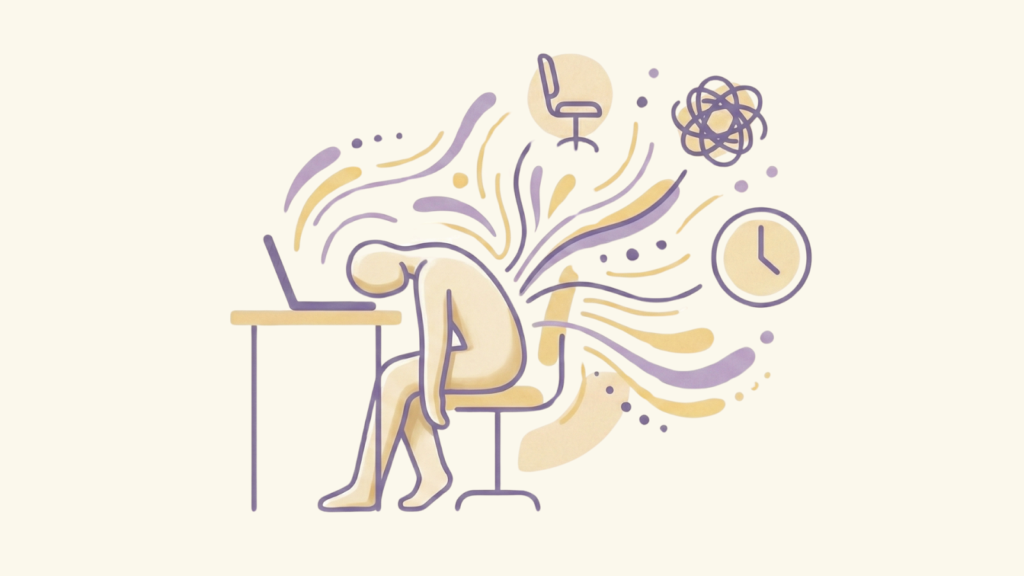
Posture, Load, and Muscle Imbalances
For most people with mechanical low back pain, the primary drivers are not tablet deficiencies but:
- Prolonged sitting with poor workstation setup, which increases spinal flexion and disc pressure.
- Weak or under-recruited muscles around the hips and trunk, leaving spinal tissues to buffer loads they were never meant to carry alone [3].
- Repetitive bending, twisting, or lifting with poor technique, especially under fatigue.
Clinical guidelines consistently highlight exercise, targeted strengthening, and motor control retraining as core interventions for both subacute and chronic low back pain. In other words, your glutes, core, and upper back muscles are part of your real “back pain treatment plan,” not just supporting actors.
Everyday Micro-Stresses on the Spine
Often people say, “My back just went for no reason,” but when the daily micro-stresses are tallied, the story looks different.
Common examples include:
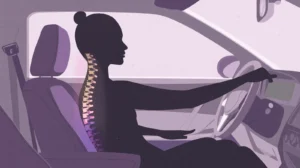
- Long commutes in car seats or on chairs that do not support the lumbar curve.
- Soft sofas that encourage slumping and flexed posture.
- Mattresses that are either too soft or unsupportive for the individual.
- Sedentary office days are suddenly punctuated by ambitious weekend sports, heavy cleaning, or lifting children and luggage [4].
None of these alone are dramatic, but together they accumulate into a “load budget” that the spine eventually refuses to fund. Tablets may help you ignore the bill, but they do not renegotiate the contract.
When a Back Pain Tablet Makes Sense?
Short-Term Use as a Tool, Not a Crutch
Back pain tablets are not villains; they simply become problematic when they are promoted from supporting role to main character. They can make sense when:
- Pain is acute and disruptive enough to interfere with sleep or basic movement.
- You are in the early phase of a flare-up and need enough relief to start gentle exercises or get through essential tasks.
- Travelling or sitting for unavoidable long stretches, where some short-term pharmacologic support may be appropriate.
Key safety principles include:
- Using the lowest effective dose for the shortest reasonable duration.
- Avoiding “stacking” multiple NSAIDs or combining them with other medicines that increase bleeding or organ risk without medical counsel.
- Checking in with a clinician if you find yourself needing tablets on most days rather than occasionally.
The smartest use of these tablets is to create windows of reduced pain in which to move better, correct posture, and start rehab; not to sit still longer in the same positions that caused trouble in the first place.
Red Flags That Need Medical Review
Some symptoms around back pain should immediately shift the conversation from “what tablet can I take?” to “who do I need to see?” because they may indicate something more serious than simple mechanical pain.
Red flags include:
- Pain that is severe, unrelenting, or worsening over weeks despite rest and basic care.
- Weakness, numbness, or tingling in the legs that is progressive or affects both sides.
- Changes in bladder or bowel control, or numbness in the saddle area.
- Significant night pain, unexplained weight loss, or history of cancer, infection, or major trauma.
In these situations, guidelines recommend prompt medical evaluation rather than ongoing self-medication. Tablets can blur the clinical picture by temporarily hiding key information, so they are best used under direct guidance if serious features are present.
Pill-to-Plan Shift: What to Do Instead?
Ergonomic and Posture Corrections
If back pain tablet use is frequent, the workstation, car seat, and favourite sitting spots deserve an audit. Helpful adjustments include:
- Setting chair height so hips are slightly above knees, with feet flat and knees roughly at 90 degrees.
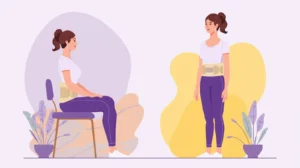
- Using lumbar support such as an ergonomic lumbar cushion or backrest, to maintain the natural curve of the lower spine, reducing disc pressure and muscle fatigue.
- Positioning screens at eye level and keyboards at a height that avoids shoulder shrugging or forward head posture [5].
Ergonomic seat cushions can distribute sit-bone and lumbar pressure more evenly, which reduces the need for spinal tissues to carry continuous overload. Combined with regular micro-movements – standing, walking, or stretching for a couple of minutes every 30-45 minutes; these changes lighten the mechanical load that tablets were quietly helping you tolerate.
Movement, Mobility, and Strength
Guidelines for low back pain consistently elevate exercise and structured movement above medication for long-term improvement. A simple routine might include:
- Gentle mobility drills for the hips and thoracic spine to restore the segments that often stiffen and force the lower back to compensate.
- Progressive strengthening for gluteal muscles, deep core stabilisers, and upper back to share the load more evenly across the kinetic chain [6].
- Low-impact aerobic work (brisk walking, cycling) to improve blood flow, mood, and pain modulation.
Even 10-15 minutes daily, done consistently, can shift the system more effectively than a daily back pain tablet because it changes capacity rather than just perception.
Non-Pill Tools That Work Better Than Back Pain Tablets
Cushions, Supports, and Everyday Setups
Non-pharmacologic tools do not have the drama of a prescription, but their impact can be substantial when matched to how you live and work.
Examples include:
- Lumbar cushions for office chairs and car seats, which help maintain better alignment and reduce slouching.
- Seat cushions designed to offload tailbone and lower back pressure, particularly for people who sit for long periods.
- Occasional braces or belts, which may help during short periods of heavier loading or acute flare-ups, provided they are not used so long that muscles become lazy.
These tools redistribute forces on the spine rather than numbing your awareness of them, making them ideal partners in a “tablet-light” strategy.
Recovery Rituals for a “Back-Smart” Day
Small rituals can act like daily maintenance for your spine:
- Applying heat or using a warm shower to relax tight muscles after prolonged sitting.
- Standing and walking lightly for a few minutes after each long sitting block to reset posture and circulation.
- Before-bed decompression habits, such as lying on the floor with legs on a chair or gentle supine stretches, to unload spinal structures after a full day.
These habits make the need for a back pain tablet less likely, because the system is never allowed to get quite as overloaded as before.
How to Reduce Daily Back Pain Tablet Use Naturally
Tracking Pain Instead of Taking Back Pain Tablets
A simple pain-and-activity journal can reveal patterns that a random tablet cannot. Noting the time of day, posture, activities, and emotional stress levels when pain appears helps identify:
- Specific triggers (e.g., certain chairs, car journeys, gym exercises).
- Links between stress, sleep, and pain sensitivity.
- Situations where tablets have been covering for poor setup rather than the necessary demands.
Once the patterns are visible, changes to work arrangements, commute strategies, or training loads become more obvious than “add another back pain tablet.”
When to Bring in Professionals?
Physiotherapists, osteopaths, chiropractors, and other movement specialists can:
- Assess posture, gait, mobility, and strength to identify where the mechanical problem really lives.
- Design graded exercise programs that rebuild capacity without flaring pain.
- Teach movement strategies for lifting, bending, and sitting that your spine actually appreciates.
Doctors can review any ongoing medication use, deprescribe where appropriate, and coordinate imaging or referrals when indicated by red flags or persistent, unexplained pain.
End Note (Back Pain Tablets)
A back pain tablet can absolutely have a role: easing an acute flare, smoothing a difficult travel day, or buying enough comfort to start moving again. The trouble starts when tablets become the primary plan instead of a temporary assist. The real upgrade is not in finding the “strongest tablet,” but in building a life where your spine no longer needs one most days.
So, try to first rely on natural remedies for back pain relief. If you can’t get a cure, consult a doctor. Alongside, maintain a healthy lifestyle habit for permanent cure. Check how:
FAQs:
Long-term and continuous (especially NSAIDs) intake of back pain tablets has been found to be the cause of development of stomach ulcers, kidney problems, and cardiovascular events. Thus, most of the experts recommend that such drugs be used at a minimum effective dose and for the shortest time possible, under the supervision of a doctor. In case the intake is daily or almost daily, the person should see a health professional to discuss safer drug-free strategies and options.
Tablets work at the systemic level and may be effective when the pain is severe and spread over a large area; however, they also increase the risk of side effects in the entire body. Topical medications usually produce more localized effects and have fewer systemic risks, thus they can be combined with mild-to-moderate symptoms treatment, whereby posture and movement are not substituted but complemented by these medical remedies.
Usually, guidelines recommend the use of NSAIDs and similar medicines for a limited time – most often this period is measured in days or up to several weeks and certainly not in months. The use of such drugs should also be considered only in cases when non-pharmacological measures are insufficient. You can consider the necessity of the medication to be a “back pain essential” in case you feel the need for such drugs beyond the short time of several weeks and therefore it signals the need for talking to a healthcare professional to review the diagnosis and the treatment plan.
Reducing mechanical stress on the spine by better supporting and more ergonomic means such as using proper chairs, lumbar cushions, and the right mattress, can go a long way towards the comfort of the people who sit or lie down for long hours. Also, there is a large group of people that once they have improved their posture and support they have naturally back pain medication usage lowered as they themselves are the triggering factors that have been diminished.
An expert evaluation is always considered to be a turning point in the event of back pain that is persistent after several weeks despite the application of self-care, is intense or progressively worsens, or comes with the so-called red flags such as leg weakness, numbness, bladder or bowel changes, night pain, or unexplained loss of weight. These features may indicate conditions where it might be unsafe to rely on a back pain tablet and where both accurate diagnosis and treatment are necessary.
References
- Morlion, B. (2011). Pharmacotherapy of low back pain: targeting nociceptive and neuropathic pain components. Current medical research and opinion, 27(1), 11-33. https://doi.org/10.1185/03007995.2010.534446
- Pusztaszeri, M. P., Genta, R. M., & Cryer, B. L. (2007). Drug-induced injury in the gastrointestinal tract: clinical and pathologic considerations. Nature Clinical Practice Gastroenterology & Hepatology, 4(8), 442-453. https://doi.org/10.1038/ncpgasthep0896
- Afonso, J., Rocha-Rodrigues, S., Clemente, F. M., Aquino, M., Nikolaidis, P. T., Sarmento, H., … & Ramirez-Campillo, R. (2021). The hamstrings: anatomic and physiologic variations and their potential relationships with injury risk. Frontiers in physiology, 12, 694604. https://doi.org/10.3389/fphys.2021.694604
- Yohannes, M. (2017). Exercise For Health Hazards Associated With Too Much Sitting. Editorial Board, 6(2), 145. https://www.researchgate.net/profile/Chetna-Arora-2/publication/369025761_Action_Research_on_Effectiveness_of_Science_Pedagogy_in_Terms_of_Active_Learning_of_Students_of_Grade_7_of_A_Private_School_New_Delhi/links/6405da0657495059456d206a/Action-Research-on-Effectiveness-of-Science-Pedagogy-in-Terms-of-Active-Learning-of-Students-of-Grade-7-of-A-Private-School-New-Delhi.pdf#page=153
- Szeto, G. P., & Sham, K. S. (2008). The effects of angled positions of computer display screen on muscle activities of the neck–shoulder stabilizers. International Journal of Industrial Ergonomics, 38(1), 9-17. https://doi.org/10.1016/j.ergon.2007.07.014
- Adeel, M., Lin, B. S., Chaudhary, M. A., Chen, H. C., & Peng, C. W. (2024). Effects of strengthening exercises on human kinetic chains based on a systematic review. Journal of Functional Morphology and Kinesiology, 9(1), 22. https://doi.org/10.3390/jfmk9010022