





Yoga: It’s about more than stretching right?
Let’s face it: modern life isn’t always so good to our bodies. Thanks to the 9-to-5 desk hunch, “text neck” from hours scrolling on social media and countless hours of binge-watching our favorite shows, stiffness is at an all time high. You know what we mean if you’ve ever stood up after a long Zoom meeting and your lower back felt like concrete.
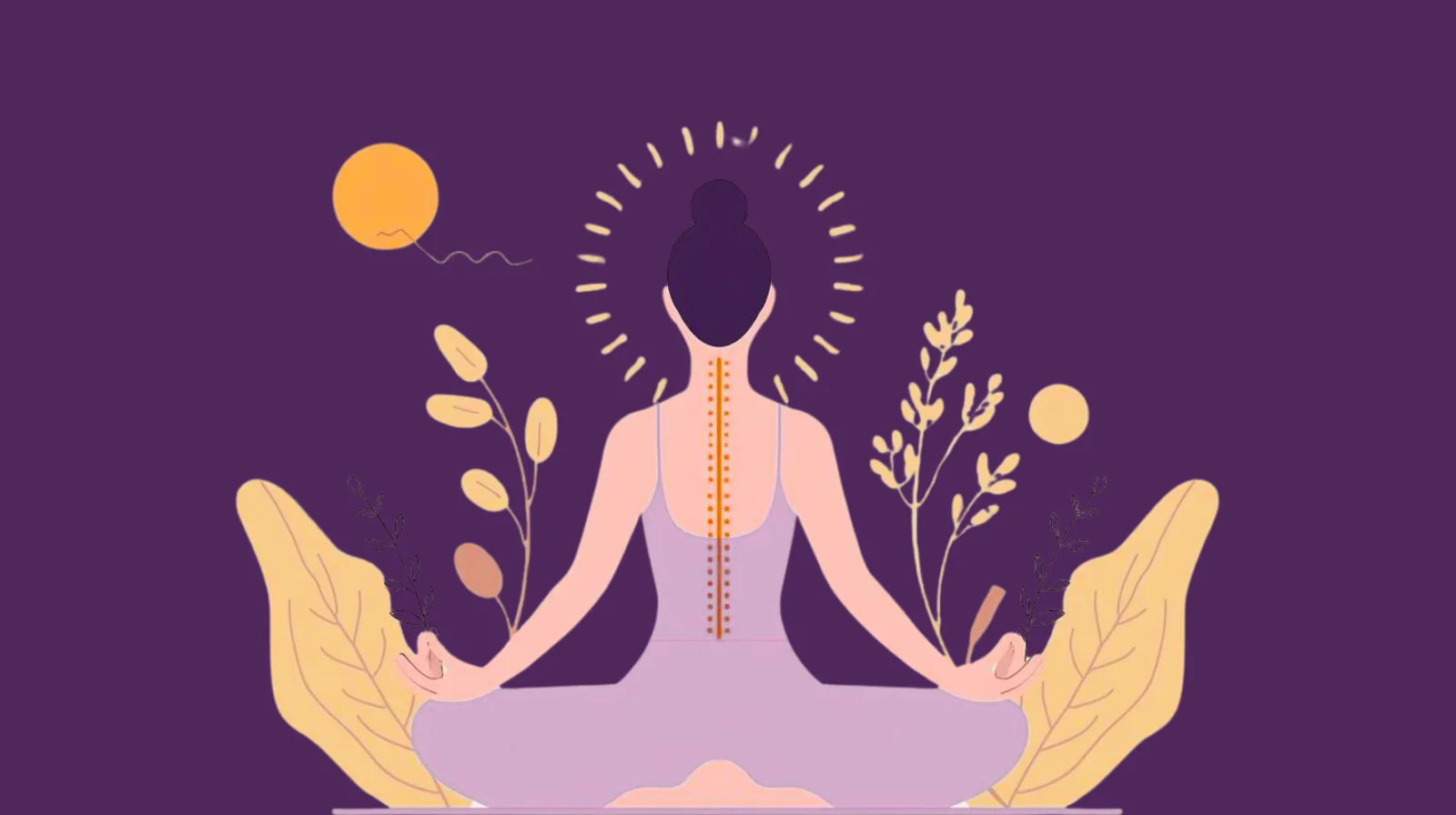
Though many people think of yoga as no more than “fancy stretching” or something exclusively for ultra-flexible gymnasts, it is really an effective mind-body therapy. Yoga is, at its very core, a practice which involves physical poses (asana), breath work (pranayama) and taking the time to withdraw from one’s senses to realign the body and calm nervous system.
The benefits of yoga go far beyond touching your toes. It’s a powerful method of pain relief and structural realignment, allowing your body to return to its natural balance. Whether you suffer from debilitating, chronic back pain or would like to stand a little taller, yoga can cure.
In this ultimate guide, we will reveal 7 unexpected ways yoga changes your posture and releases pain(Grounded in science and tailored for real life).
How Yoga Helps With Pain and Posture ?
To get why yoga works, we have to look under the hood at your biomechanics. Your body is a grid of muscles, bones and fascia (connective tissue). When you’re sitting hunched in a chair for hours at a time, your fascia tightens around the poor posture like a ‘lock’. This has a domino effect: It creates weaknesses in some parts of the body (such as the glutes and upper back) and tightness in others (like the chest and hip flexors).
Yoga disrupts this cycle. It does so by elongating shortened muscles and strengthening those that are weak and doing both at the same time, to return your spine to its natural “S” shape. Plus, yoga increases proprioception; your ability to sense where your body is in space [1].
Scientific evidence supports this mechanism. Yoga has been found in multiple studies to alleviate brain pain processing and markers of inflammation so it is effective for chronic pain mitigation [2]. It’s not just about what feels good in the moment, it is about re-training the architecture of your body.
betterhood Tip: If you have back pain that’s worse at night, pop over to our guide about ’How Sleep Position Affects Back Pain’ and make sure your mattress isn’t undoing all the yoga homework you’ve been doing.
7 Surprising Benefits of Yoga for Pain Relief and Better Posture
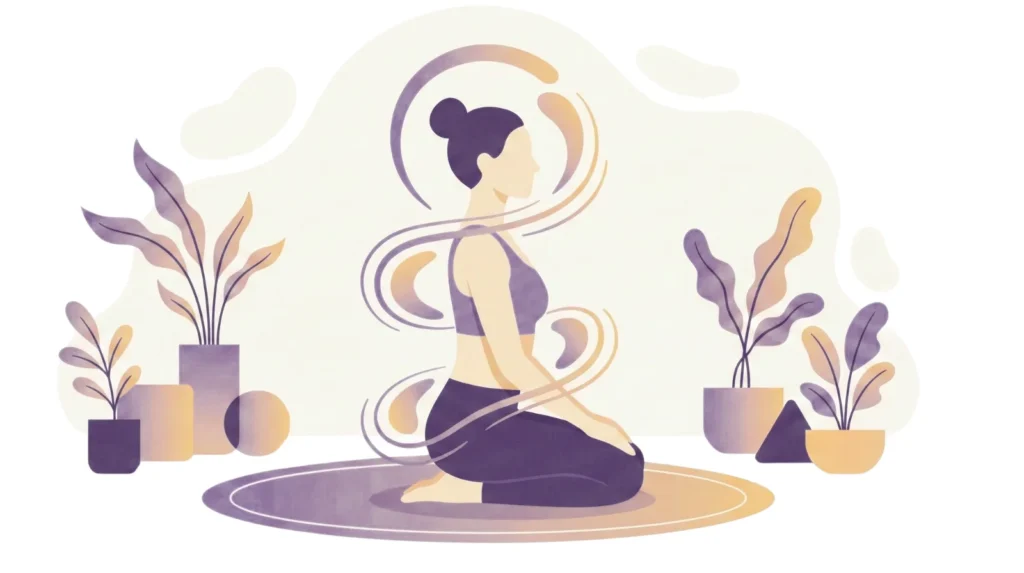
1. Reduces Chronic Back and Neck Pain
Chronic back pain is possibly one of the most prevalent complaints in today’s society. Spinal decompression can be achieved with yoga as well. Gentle twisting and extension poses are great to hydrate the intervertebral discs, thereby creating more space for the nerves roots to breath and decrease compression.
Mechanically, yoga restores muscle balance. Your lower back hurts because your core is weak and your hamstrings are short. Yoga treats the cause and not remedy. Studies showed that yoga and physical therapy were equally effective at reducing chronic low back pain and improving function [3].
Good Poses: Cat-Cow, Child’s Pose, Downward Dog.
Take care of your spine off the mat. Keep that healthy curve in your spine with the right ergonomic Lumbar Cushion as you sit and work!
2. Corrects Poor Posture From Desk Jobs
“Tech neck” and rounded shoulders are the signature imprints of the computer era. Every time you move your head forward to look at a screen, it’s as if the weight of your head becomes heavier on the neck muscles.
Yoga offers the reset button for this pose. It is designed to address the posterior side of you, the sort of back half that keeps you sitting or standing upright. Through building these two muscles, the rhomboids (between your shoulder blades) and the erector spinae (along the spine), yoga inherently pulls your shoulders back and opens your chest. That is long-term postural re-education: The idea is that sitting up straight becomes less effortful because your muscles become accustomed to keeping you there.
Best Poses: Mountain Pose (Tadasana), Cobra Pose (Bhujangasana), Warrior II.
3. Improves Joint Mobility and Reduces Stiffness
Feeling like the Tin Man before he got his oil can? That’s stiffness from not moving. Synovial fluid lubricates your cartilage and feeds your joints. But this fuel circulates only when you are in motion.
Yoga takes your joints through their full range of motion, which rarely happens in real life. This is especially important for hips, shoulders and knees to avoid the “freezing” that can occur due to inactivity and aging. By maintaining juicy, mobile joints, you mitigate the friction that oftentimes causes osteoarthritis pain [4].
4. Strengthens Core and Stabilizing Muscles
A strong core is key to a healthy spine. But we’re not just talking about “six-pack” abs. We’re talking here about the deep stabilizing muscles; the transverse abdominis and obliques that are like a natural corset for your torso.
Unlike gym crunches, which can be torque on the neck, yoga builds functional core strength through stability. Just for control, you have to keep your core firing in a static position to keep yourself from falling over. Strong core muscles take pressure off the bones in your lower back and act like a natural form of pain relief.
Best Poses: Plank, Boat Pose (Navasana), Bridge Pose.
5. Lowers Stress-Related Muscle Tension
Do you find your shoulders hunching toward your ears when you’re stressed? That’s the so-called “fight-or-flight” response at work, where your body releases cortisol and muscles lock up.
Yoga is an effective counter to this chemical stress. Because it’s all about that slow rhythmic breathing, “yoga stimulates the part of the nervous system known as the parasympathetic nervous system (‘rest and digest’),” says Dr Martin. This is a message to your muscles that you can be at ease. Reducing stress is particularly important as stress has been shown to establish a feedback loop that increases pain perception [5].
Have trouble winding down after a stressful day? Check out how to create a bedtime routine for deeper sleep, to learn how relaxation techniques will shift your evening.
6. Enhances Body Awareness and Movement Patterns
Most of us move on autopilot. We round out our backs drinking coffee, slump on the sofa and heave heavy boxes with our back muscles. Yoga trains proprioception, that is the awareness of where your body is in space.
And as you practice, you begin to find that moment when you are slouching in your chair or crying from standing with the weight dumped into one hip.This awareness also translates to things you do off of the mat, it can help you identify and correct bad movement patterns before they lead to RSI (repetitive stress injuries). For desk jockeys and athletes alike, it’s something you should do if you want to move your body efficiently.
7. Supports Long-Term Spine Health and Healthy Aging
We tend to take it for granted that we just get stiffer and shorter as we age. It doesn’t have to be. Yoga is one more weight-bearing activity that can help maintain bone density and prevent diseases such as osteoporosis.
With the regular practice of balance and flexibility, in older members in particular, yoga prevents falls effectively [6]. It promotes long-term spinal health by stopping joints from fusing and ensuring discs remain healthy. You could look at it as a retirement plan for your body like investing in movement to obtain mobility later.
Best Yoga Moves For Pain Relief And Posture Correction
Ready to hit the mat? Here’s a breakdown of the poses according to how experienced you are.
Beginner-Friendly Poses
- Balasana (Child’s Pose): A relaxing resting position which stretches lower back and hips. Great for stress relief.
- Cat-Cow: A moving stretch that warms the back and releases neck and shoulder tension.
- Mountain Pose (Tadasana): Teaches how to stand tall and straightens the spine.
Intermediate Posture-Correcting Poses
- Cobra (Bhujangasana): wonderful for combating rounded shoulders by opening the chest and strengthening the shoulder blades.
- Warrior I & II: Strengthens the legs, opens the hips and creates a strong foundation for the spine.
- Bridge Pose: This posture creates length in the chest and shoulders, and simultaneously offers glute and hamstring strengthening.
Advanced Strengthening Poses
- Plank: Full-body stabilizer that helps to build deep core strength.
- Boat Pose (Navasana): Works the hip flexors and abs to correct your spinal alignment in opposition to gravity.
- Side Plank: Works the obliques and stabilizes the spine laterally.
How Often Should You Practice Yoga for Real Results?
Consistency beats intensity. You don’t have to log an hour on the mat daily to experience the rewards of yoga.
- How often: Three to five times a week What it works: Triceps, shoulders How do to it: Lie face-up on the floor with your knees bent and feet flat. It doesn’t even take all that long (15-20 minutes) to make a world of difference, for your body.
- Time: If you’re super busy, do a 10-minute morning stretch to help set your posture for the day.
- Results: Most people feel immediate relief in tension after one session. Gross postural changes during practice, and large decreases in your chronic pain symptoms generally take a good 8 -12 weeks to appear through frequent practice.
Yoga vs. Exercise vs. Physical Therapy Lower Back Pain
| Feature | Yoga | Gym / Standard Exercise | Physical Therapy |
| Focus | Alignment, flexibility, breath, mind-body | Strength, cardiovascular fitness, aesthetics | Rehabilitation, specific injury treatment |
| Pain Relief | High (holistic & chronic) | Variable (can cause injury if form is poor) | High (acute & specific) |
| Mental Benefit | High (stress reduction) | Moderate (endorphins) | Neutral |
Verdict: If you have an injury that’s acute (sharp, sudden pain), begin with a Physical Therapist. Yoga is typically the best “maintenance medicine,” as well, for when you are cleared to move or just chronic creaks and aches. The best is a hybrid approach, with yoga ensuring flexibility while gym workouts maintain pure strength.
Who would benefit most from Yoga for Pain and Posture?
Practically everyone, but specifically:
- Desk Workers – If you sit for over 6 hours a day yoga is non negotiable to undo the damage of the chair.
- Seniors: To remain independent, with balance and healthy joints.
- Athletes: As a way to balance muscle tightness that comes from running or weightlifting.
- People With Chronic Pain: People with lower back problems, sciatica, or tension headaches.
- Beginners: If the gym intimidates you, yoga is an infinitely scalable introduction to fitness.
Safety Tips and Common Mistakes in Yoga
Yoga is safe, but you can get injured if you’re not careful.
- Don’t Try Too Hard: Sensation is great; pain is not. If there’s sharp pinching, back off.
- Watch Alignment: In lunges (as in Warrior poses), try to keep your front knee stacked over your ankle and not collapsing toward the center line of your body.
- Lean on Props: There is no glory in blocks, straps or cushions. They assist in keeping the shape of the pose.
- ‘Listen to Your Body’: Some days you require power flow; some days restorative rest. Respect your energy levels.
Internal Link: The workout is just as important as the recovery. Discover our Betterhood Sleep Aids to help you body repair itself for the next day.
Conclusion: Make Yoga Your Daily Posture Medicine
Think of yoga not just as a workout, but as a daily prescription for a healthier spine. The verdict is clear: it offers a stronger back, a calmer nervous system, and a body that moves with freedom rather than restriction.
Forget the idea that you need to turn yourself into a human pretzel to see results. Real yoga isn’t about touching your toes; it’s about undoing the knots of modern life like the desk slump, the tech neck, and the stress tension, so you can navigate your day without pain.
Start small. You don’t need an hour; just unrolling your mat for 10 minutes today is a deposit into your long-term health. Your future self; standing taller, feeling lighter, and moving easier, will thank you for it.
Ready to support your wellness 24/7? While yoga handles the movement, let us handle the recovery. Explore betterhood’s Ergonomic & Sleep Essentials to ensure your body is supported from your morning stretch to your deep night’s sleep.
Stand tall, breathe deep, and take up the space you deserve.
Explore More Health & Wellness Solutions:
Want to stay informed about wellness and everyday health issues? Here are some insightful reads to guide you. Explore the links below for practical tips and solutions.
- How to Prevent Knee Injuries: Proven Tips, and Lifestyle Strategies for Stronger Joints
- How Can Knee Cap Support Help Prevent Injury and Reduce Pain While Running
- 10 Effective Home Remedies for Body Pain Relief Naturally
Frequently Asked Questions
The primary benefits include improved flexibility, increased muscle strength, better posture, stress reduction, and effective pain management for back and neck issues.
Yes. By strengthening the core and upper back muscles while stretching tight chest muscles, yoga helps realign the spine and trains the body to hold a neutral, upright position naturally.
Acute tension relief can be felt immediately after a session. For chronic issues, studies suggest consistent practice (2-3 times a week) provides significant relief within 8 to 12 weeks.
Generally, yes. Gentle styles like Hatha or Iyengar are recommended. However, always consult a doctor before starting, and avoid poses that cause sharp pain.
Hatha yoga is excellent for beginners as it is slower-paced and focuses on basic alignment. Restorative yoga is also great for pure relaxation and stress relief.
References
- Proske, U., & Gandevia, S. C. (2012). The proprioceptive senses: their roles in signaling body shape, body position and movement, and muscle force. Physiological Reviews, 92(4), 1651-1697. https://doi.org/10.1152/physrev.00048.2011
- Vallath, N. (2010). Perspectives on yoga inputs in the management of chronic pain. Indian Journal of Palliative Care, 16(1), 1-7.https://pubmed.ncbi.nlm.nih.gov/20859464/
- Saper, R. B., et al. (2017). Yoga, Physical Therapy, or Education for Chronic Low Back Pain: A Randomized Noninferiority Trial. Annals of Internal Medicine, 167(2), 85–94.https://pubmed.ncbi.nlm.nih.gov/28631003/
- Cheung, C., et al. (2014). Effects of Yoga on Symptoms, Physical Function, and Psychosocial Outcomes in Adults with Osteoarthritis: A Focused Review. American Journal of Physical Medicine & Rehabilitation, 93(11), 937–948https://journals.lww.com/ajpmr/abstract/2014/12000/effect_of_tilt_and_recline_on_ischial_and.1.aspx
- Hannibal, K. E., & Bishop, M. D. (2014). Chronic Stress, Cortisol Dysfunction, and Pain: A Psychoneuroendocrine Rationale for Stress Management in Pain Rehabilitation. Physical Therapy, 94(12), 1816–1825. https://doi.org/10.2522/ptj.20130597
- Youkhana, S., et al. (2016). Yoga-based exercise improves balance and mobility in people aged 60 and over: a systematic review and meta-analysis. Age and Ageing, 45(1), 21-29. https://doi.org/10.1093/ageing/afv175