






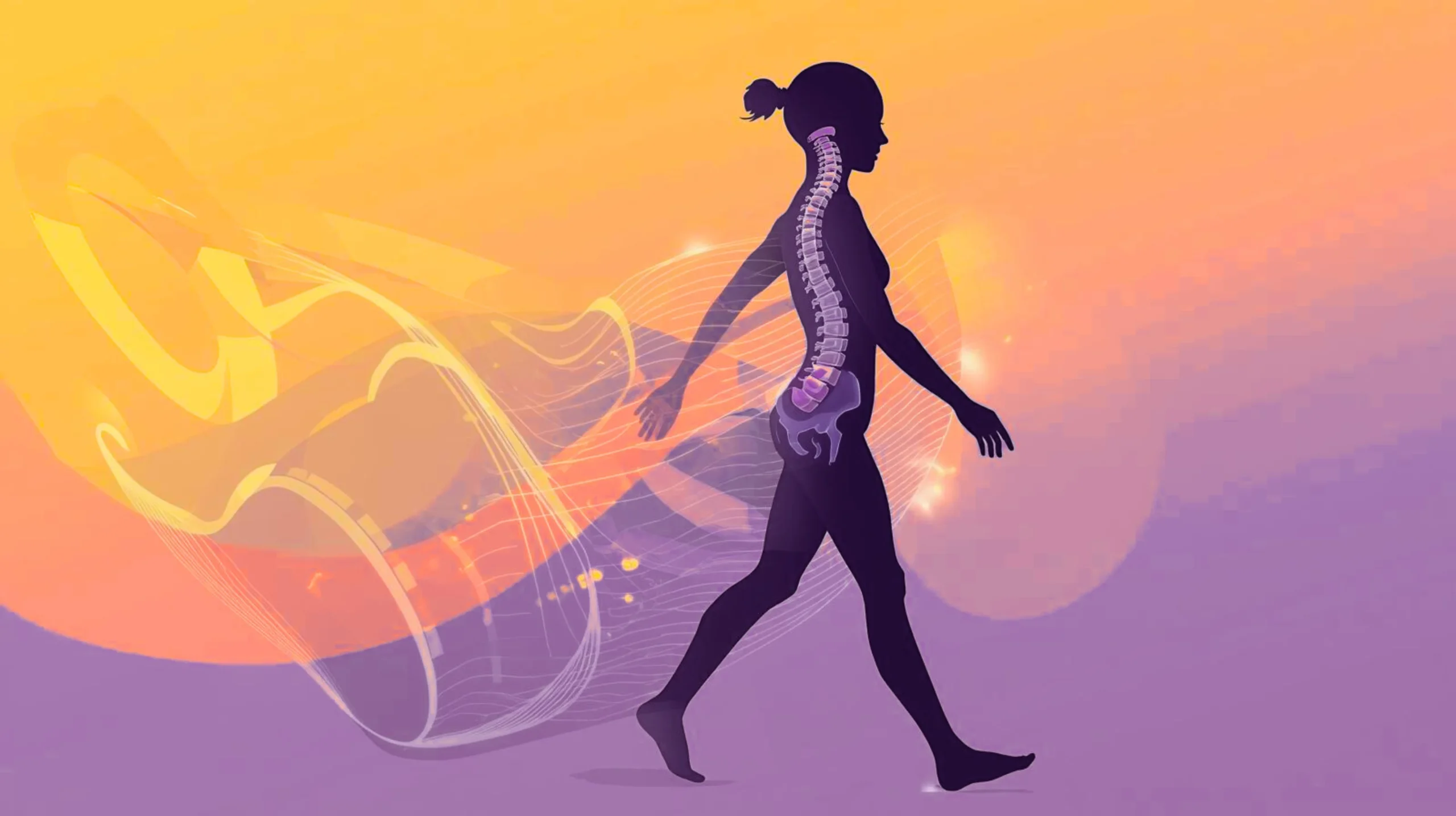
Why pain is not always caused by something “broken”
When people experience persistent pain, the first question is often structural: What is damaged?
We tend to assume that pain must mean something in the body is broken, torn, or deteriorating. Medical scans, diagnoses, and treatment plans frequently focus on identifying structural problems in muscles, joints, discs, or bones.
While structural injuries certainly exist, research and clinical observation increasingly show that pain does not always correlate with structural damage. In many cases, people experience significant pain even when scans show little or no tissue injury. At the same time, others may have clear structural changes without experiencing pain at all. [1]
This disconnect challenges a common assumption: that pain always equals damage.
Pain Is a Protective Signal
Pain is primarily a protective mechanism. The nervous system generates pain to encourage caution and prevent further harm when it perceives potential threat to the body. [2]
Importantly, this perception of threat does not rely solely on tissue damage. The brain evaluates many factors simultaneously, including physical stress, fatigue, emotional state, previous injuries, and environmental context.
If the nervous system interprets a situation as potentially harmful, it may produce pain even when structural tissue is relatively healthy. This response is not an error. It is an attempt to protect the body from perceived overload.
Structural Changes Are Common – Even Without Pain
Modern imaging technologies such as MRI scans often reveal structural variations in the spine and joints. Terms like disc bulges, degeneration, or cartilage wear frequently appear in reports.
However, studies show that many of these findings are also present in people who have no pain at all. For example, individuals with completely normal daily function may still show disc changes or joint irregularities on imaging. [3]
These findings suggest that structural variation is a normal part of aging and adaptation rather than always a source of dysfunction.
In other words, the body can remain capable and resilient even when scans reveal structural differences.
The Nervous System and Pain Sensitivity
Pain perception is heavily influenced by the nervous system’s sensitivity. When the system is calm and balanced, it accurately detects genuine threats and allows comfortable movement.
But when the nervous system becomes sensitized due to chronic stress, previous injury, poor sleep, or repeated overload, it can begin interpreting normal sensations as threatening. [4]
In these situations, the body may produce pain more easily. Muscles tighten, movement becomes guarded, and discomfort persists even without active tissue damage.
The issue is no longer structural. It is regulatory.
The Role of Fear and Expectation
Beliefs about the body can also shape pain experience. When individuals believe their body is fragile or damaged, they often move cautiously or avoid activity altogether. [5]
This protective behavior can reduce movement variability and gradually weaken the body’s adaptability. Reduced activity can then increase stiffness, sensitivity, and fatigue, reinforcing the cycle of pain.
In contrast, when people understand that pain does not always indicate damage, they often regain confidence in movement. This confidence allows gradual restoration of strength, mobility, and resilience.
Movement as Information
The body responds positively to safe and varied movement. Movement provides the nervous system with updated information about what the body can tolerate and perform.
Gentle, progressive activity helps recalibrate the system’s threat perception. As movement becomes easier and more comfortable, the nervous system begins to reduce protective signals. [2]
Over time, this process restores normal coordination, strength, and movement capacity.
The goal is not to ignore pain, but to understand it as information rather than immediate evidence of structural failure.
When Structural Injury Does Matter
It is important to recognize that structural injuries can and do occur. Fractures, ligament tears, and acute trauma require appropriate medical care and recovery time. [1]
However, many persistent pain conditions develop without severe structural damage. In these cases, focusing exclusively on fixing a “broken part” may overlook the broader factors influencing pain.
Understanding this distinction allows treatment approaches to become more comprehensive and effective.
The Real Takeaway
Pain is complex. It reflects the interaction between tissues, the nervous system, behavior, and environment. Structural damage is only one possible contributor.
The body is often far more resilient than we assume. Many structural changes are part of normal adaptation and do not automatically limit function.
When we move away from the idea that pain always means damage, we open the door to more constructive solutions. Movement, recovery, stress regulation, and gradual exposure to activity become central tools for restoring health.
Rather than focusing solely on what might be broken, it becomes more helpful to ask a different question:
What conditions will allow the body to feel safe enough to move well again?
Co- authored by: Shayamal Vallabhjee
Chief Science Officer: betterhood
Shayamal is a Human Performance Designer who works at the intersection of psychology, physiology, and human systems design, for the last 25 years he is helping high-performing leaders, teams, and athletes thrive in environments of stress, complexity, and change. His work spans across elite sports, corporate leadership, and chronic health and is grounded in the belief that true performance isn’t about pushing harder, but designing better.
References
- Cleveland Clinic. (2023). Chronic pain and causes. https://my.clevelandclinic.org
- International Association for the Study of Pain. (2020). IASP pain definition and overview. https://www.iasp-pain.org
- Brinjikji, W. et al. (2015). MRI findings of disc degeneration in asymptomatic individuals. https://www.ncbi.nlm.nih.gov/pmc/articles/PMC4464797/
- National Institutes of Health. (2021). Central sensitization and chronic pain. https://www.ncbi.nlm.nih.gov
- Harvard Health Publishing. (2022). The role of mindset and fear in chronic pain. https://www.health.harvard.edu


