






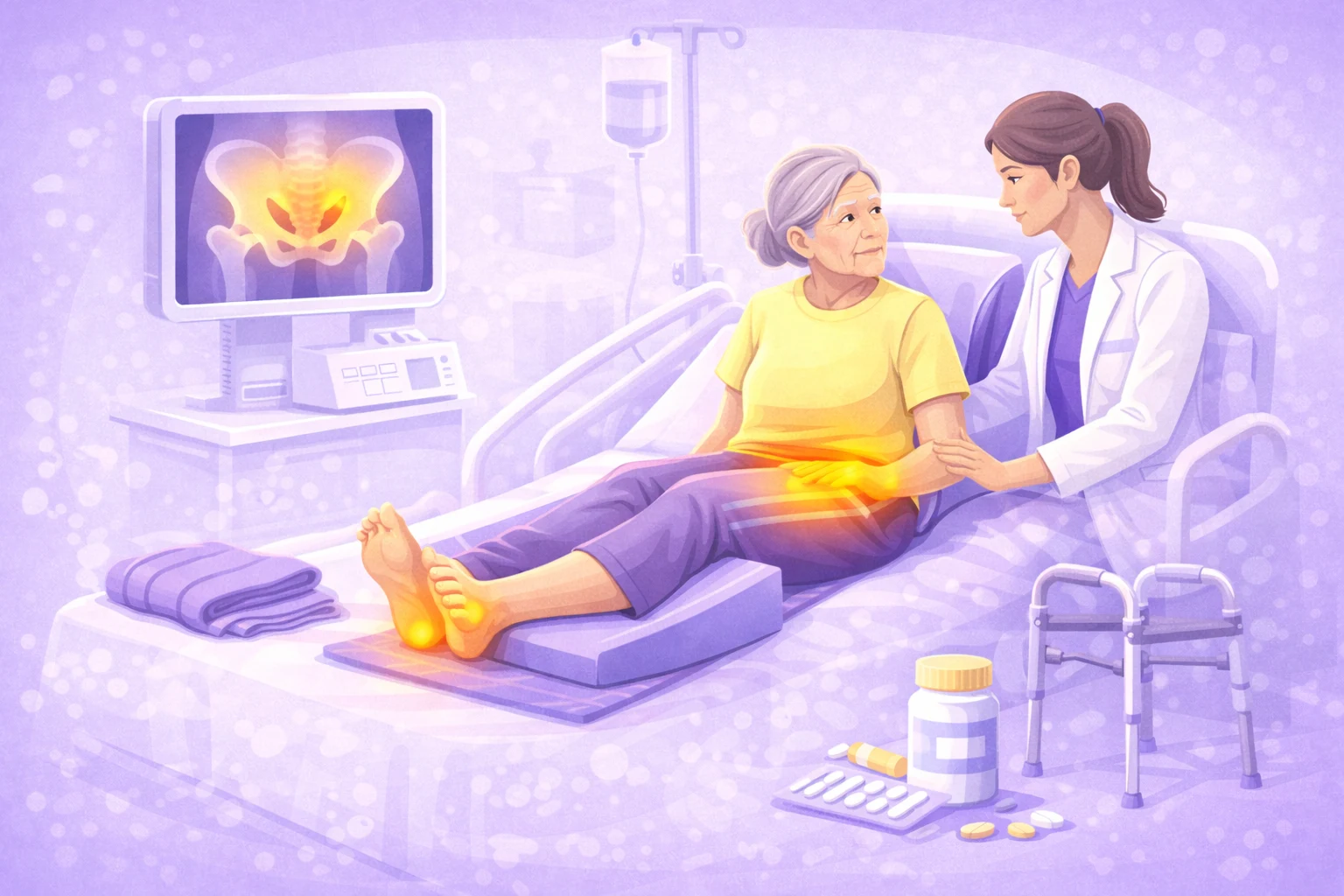
Pelvic fractures are significant injuries in their own right, particularly in older adults. As individuals age, certain ailments (such as osteoporosis) decline bone density which puts them at an increased risk for breaking bones from falls even when minor. In older people, a pelvic fracture can result from something as innocuous as a slip in the bathroom or fall while walking.
The pelvis is important for supporting the spine and connecting the upper body to lower limbs. Injuries to this bone structure can have a disabling impact on mobility, independence and the general state of health. Older patients with pelvic fractures can be left unable to walk, in extreme pain and at high risk for complications like blood clots or loss of mobility.
In general, most pelvic fractures in the elderly occur from low energy trauma such as ground-level falls. Most of these fractures can be managed non-operatively, with rest, pain control and physiotherapy. Severe fractures, however, may need stabilization with surgery.[6]
Read this complete guide that outlines all you need to know about pelvic fracture treatment in older adults, its causes, symptoms, treatment options, recovery and prevention methods.
What Is a Pelvic Fracture?
A pelvic fracture is when one or more bones in the pelvis break due to trauma or bone weakness. The pelvis is made up of various bones that come together in a ring structure, connecting the body from the spine to the legs.
These are of different types: mild cracks to severe fractures that interrupt the pelvic ring. The treatment varies depending on the severity and displacement of the bones as well as overall patient health.
Healthcare organizations like the Cleveland Clinic note that pelvic fractures are of two primary types:
1. Stable Pelvic Fractures
- Bones remain aligned
- Usually caused by minor falls
- Often treated without surgery
2. Unstable Pelvic Fractures
- Bones shift or become displaced
- May involve multiple breaks
- Often require surgical stabilization
Treatment depends on the type of fracture, age, and other injuries.[3]
Why Pelvic Fractures Are So Common in Older Adults
There are a few reasons why older adults are more likely to experience pelvic fractures.
Osteoporosis
The most common are osteoporosis, which weakens bones and increases the risk of fracture. Health organizations, including the World Health Organization, identify osteoporosis as a major contributor to fractures in older people.
When bone density declines, even a modest fall can result in fractures.
Balance and Mobility Issues
Many older people have balance issues, muscle weakness or vision changes that put them at greater risk of falling.
Chronic Health Conditions
Arthritis, diabetes or neurological conditions can limit mobility and raise injury risk.
Reduced Muscle Strength
Aging has a double whammy effect, as the loss of both muscle mass reduces stability and makes falls more likely.
What are the Causes of Pelvic Fracture in Elderly?
The most common causes include:
Falls
Pelvic fractures in seniors are most often caused by falls. Almost half of pelvic fractures occur as a result of falls from standing height, studies show. [6]
Osteoporosis
Weak bones greatly enhance the risk of fracture.
Road Accidents
Vehicle accidents can cause severe pelvic trauma, although these types of injuries are less common in older adults.
Direct Trauma
Fractures can also occur due to impact injuries involving heavy objects or collisions.
This issue is often overlooked by healthcare providers.
Early detection of symptoms and timely treatment.
Common symptoms include:
- Intense discomfort in the hip, groin or lower back
- Difficulty walking or standing
- Pain when moving the legs
- Puffiness or swelling around the pelvis
- Limited mobility
Internal bleeding can also cause dizziness or weakness in some patients.
Emergency symptoms include:
- Rapid heart rate
- Pale or clammy skin
- Confusion or dizziness
These symptoms need emergency medical assistance.
Diagnosis of Pelvic Fractures
Medical professionals determine pelvic fractures in a number of ways.
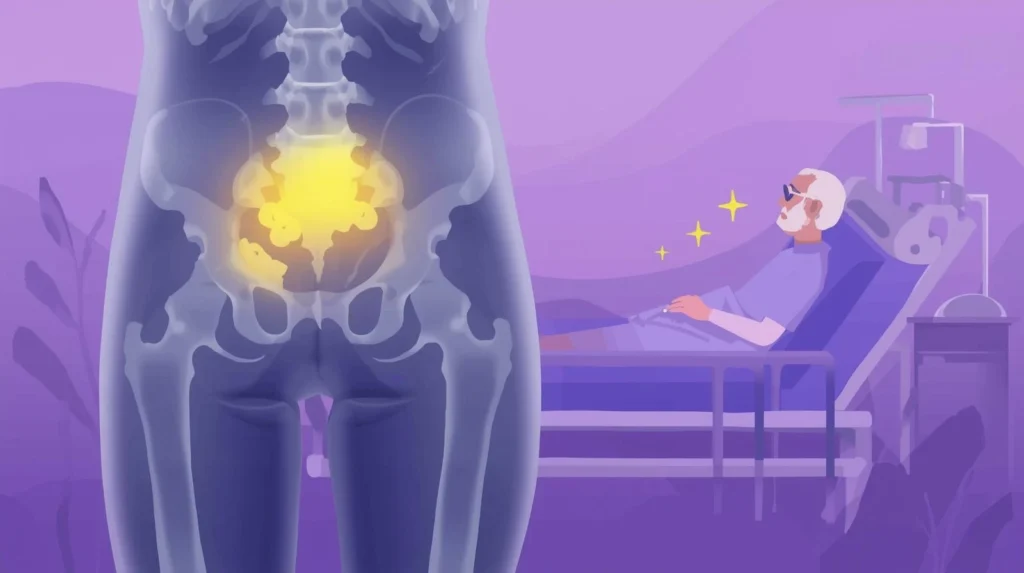
Physical Examination
The doctor looks for tenderness and swelling, and tests the range of motion of the legs.
Imaging Tests
Common imaging techniques include:
- X-ray
- CT scan
- MRI scan
Determining how severe the fracture is might involve these tests, which also helps doctors make treatment decisions.
Pelvic Fracture Treatment in Elderly
Treatment depends on how severe the fracture is and a patient’s health.
The key goals of treatment include:
- Stabilizing the bones
- Reducing pain
- Preventing complications
- Restoring mobility
Older patients usually require conservative treatment rather than surgery for most pelvic fractures. [3]
Non-Surgical Treatment for Pelvic Fracture
Stable fractures are most often treated non-operatively.
Rest and Limited Movement
Doctors typically advise resting the affected area to facilitate bone healing.
However, prolonged bed rest is discouraged as it can heighten the risk of developing complications like blood clots.
Pain Management
Pain meds help minimize discomfort while you heal.
These may include:
- Acetaminophen
- Anti-inflammatory medications
- Prescription pain relievers
Mobility Aids
Assistive devices like walkers or crutches support patients as they walk safely without placing excessive pressure on the injured pelvis.
Weight Bearing Guidelines
Some fracture types may allow your doctor to allow partial weight bearing.
Monitoring and Follow-up
Follow-up visits and imaging tests confirm the healing is appropriate.
Most stable pelvic fractures tend to heal with conservative treatment and facilitate weight-bearing mobility, medical experts note.
Surgical Treatment for Pelvic Fractures
Surgery is needed in some cases.
Surgical treatment is considered in the following scenarios:
- Bones are displaced
- The pelvic ring is unstable
- Pain prevents mobilization
- Non-surgical treatment fails
Types of Pelvic Fracture Surgery
Common surgical procedures include:
- FixationInternal Plates and Screws
- External fixation devices
- Minimally invasive stabilization techniques
The purpose of surgery is to realign the bones and improve stability.
Rehabilitation and Physical Therapy
Rehabilitation is essential for recovery.
The National Institutes of Health and other organizations stress the importance of early mobilization and physical therapy in recovering from a fracture.
Goals of Physiotherapy
- Physical therapy helps:
- Restore mobility
- Strengthen muscles
- Improve balance
- Prevent future falls
Early Stage Rehabilitation
Therapists focus on the following during early recovery:
- Gentle movements
- Bed mobility exercises
- Assisted walking
Strengthening Exercises
As heeling occurs, patients may practice:
- Hip strengthening exercises
- Leg raises
- Seated mobility exercises
Balance Training
Balance training improves stability and reduces fall risk.
Longer Time to Recovery After Pelvic Fracture in the Elderly
The recovery time could vary based on a few factors:
- Fracture severity
- Age
- Bone health
- Treatment method
Most stable pelvic fractures start to heal in 6 to 12 weeks, while it may take several months for full recovery. [5]
Surgical patients may need a longer period of rehabilitation.
With some cases taking 6 to 12 months to fully recover.
Possible Complications
The elderly patients with pelvic fractures are prone to complications if not managed effectively.
Common complications include:
Blood Clots
Less movement increases the risk for deep vein thrombosis.
Chronic Pain
Other patients develop chronic pain that can last for months after the injury.
Reduced Mobility
The home environment can assist mobility.
Muscle Weakness
Prolonged inactivity can lead to muscle loss.
Increased Risk of Future Fractures
Osteoporosis heightens the risk of multiple fractures.
Exercises to Restore Strength After Pelvic Fracture
When cleared by the doctor, gentle exercises aid in recovery.
Ankle Pumps
These exercises increase circulation and decrease swelling.
Seated Leg Lifts
These are great for strengthening thigh muscles and improving stability of the knee joint.
Gentle Walking
Taking short walks helps restore motion and prevent stiffness.
Hip Strengthening Exercises
Overtime builds the strength of your pelvic and hip muscles.
Physical therapists take patients through these exercises to prevent straining the healing bone.
Nutrition for Bone Healing
Proper nutrition supports bone recovery.
Calcium
Calcium fortified bone and remediation.
Good sources include:
- Milk
- Yogurt
- Cheese
- Leafy greens
Vitamin D
Vitamin D helps absorb calcium in the body.
Sources include:
- Sunlight
- Fish
- Fortified foods
Protein
Protein aids muscle recovery and tissue repair.
Check Before Fall: Prevent Pelvic Fractures in Elderly
Stopping falls and keeping bones strong are important strategies.
Maintain Strong Bones
Bone density is supported with regular intake of calcium and vitamin D.
Exercise Regularly
Stability is improved through strength and balance exercises.
Improve Home Safety
Some simple changes can lower fall risk:
- Install grab bars in bathrooms
- Use non-slip mats
- Improve lighting in hallways
Wear Supportive Footwear
A good grip shoe will help reduce the risk of slipping.
Regular Health Checkups
What are bone density tests used for? Bone density testing is used to detect osteoporosis early.
When to See a Doctor
Get the medical help if an elderly person witnesses any of these:
- Severe hip or pelvic pain
- Difficulty standing or walking
- Swelling or bruising around the pelvis
- Persistent pain after a fall
Early diagnosis is the key to improved treatment outcomes and preventing complications.
Conclusion
In aged patients, there are many challenges to the management of pelvic fractures that can adversely affect mobility and decrease quality of life. But with early diagnosis, proper treatment and consistent rehabilitation, many older adults can regain independence and get back to activities of daily living.
Most stable pelvic fractures heal with conservative measures of rest, analgesia and physiotherapy. The more severe cases may require surgical stabilization and structured rehabilitation programs.
So, by keeping bone density high, boosting balance skills and putting into place fall-prevention strategies, seniors can minimize their chances of suffering a pelvic fracture and maintain an active lifestyle.
Frequently Asked Questions
Yes. With medical care, physiotherapy and rehabilitation most elderly patients make a good recovery.
No. The majority of pelvic fractures in older adults are stable, which means they do not need surgery and can be managed conservatively with rehabilitation.
Stable pelvic fractures usually heal in 6 to 12 weeks, but complete functional recovery may take several months. [5]
Yes. Many patients slowly regain their ability to walk with rehabilitation and mobility aids.
The best prevention strategies include maintaining bone health, preventing falls and strengthening muscles.
Reference
- National Library of Medicine. (2013). A Guide to Improving the Care of Patients With Fragility Fractures.https://pmc.ncbi.nlm.nih.gov/articles/PMC3597301/
- BMC Geriatrics. (2022). Pelvic ring fractures in elderly patients.https://bmcgeriatr.biomedcentral.com/articles/10.1186/s12877-022-03222-0
- Cleveland Clinic. (2022). Pelvic Fractures: Treatment, Symptoms & Types.https://my.clevelandclinic.org/health/diseases/22176-pelvic-fractures
- Reno Orthopedic Center. (2023). Pelvis Fracture Treatment & Recovery.https://www.renoortho.com/specialties/center-for-fracture-trauma/pelvis-fracture/
- Biology Insights. (2025). How Long Does a Broken Pelvis in Elderly Take to Heal.https://biologyinsights.com/how-long-does-a-broken-pelvis-in-elderly-take-to-heal/
- PubMed. (2014). Management and outcome of pelvic fractures in elderly patients.https://pubmed.ncbi.nlm.nih.gov/25146617/
- Sancheti Hospital. (2023). Pelvic Fractures FAQ.https://sanchetihospital.org/specialities/trauma-department/pelvic-fractures/


