







Introduction
As we get older, muscle recovery becomes more important. While movement offers tremendous health benefits, older adults may experience muscle fatigue and aches after exercise or activity. These effects happen as a result of aging muscles recovering differently than younger muscles due to some natural physiological differences in the body such as reduced muscle mass, lower rates of protein synthesis and decreased blood flow.
The good news, however, is that research indicates older adults can still recover from exercise and build and maintain muscle strength if they adopt the right habits. In fact, some research has indicated that older adults may have less, or at least no more, exercise induced myopathies than younger adults after moderate physical activity. [1]
Bodybuilders usually eat chicken, beef, eggs, and so on for muscle recovery after exercise. It consists of proper stretching, hydration, nutrition, sleep and gentle recovery activities that allow the muscle fibers to repair and rebuild. When these strategies are integrated, it can offer seniors enhanced mobility, reduced discomfort and prolonged activity.
Likewise, regular exercise and sound recovery practices are essential for preserving independence as well as shielding from age-associated muscle wasting. Maintaining muscle strength is crucial for long-term health, balance and well-being as you age, experts say. [2]
This guide covers everything seniors need to know about muscle recovery, from why recovery becomes increasingly important with age, the best recovery exercises for aged muscles, lifestyle habits that help repair muscle breakdown and practical tips to reduce soreness/ fatigue.
Why Muscle Recovery Matters for Older Adults
With age comes natural physiological change that impacts muscle health and recovery. Sarcopenia, the degenerative loss of skeletal muscle mass, is one of the most common conditions associated with age.
Muscle recovery becomes vital as it enables the body to heal the mini tears in muscle fibers caused by exercise. These microtears are a normal part of muscle development and strength building.
Senior citizens might face these problems without proper recovery:
- Persistent muscle soreness
- Reduced mobility
- Increased risk of injury
- Fatigue during physical activity
However, for muscle soreness to help you build more robust muscles and gain more stamina, you need to recover your strength properly.
Perhaps surprisingly, recent studies have suggested that aging muscles recover relatively faster than younger muscles. Older adults did not suffer more muscle damage or lasting recovery time after exercise than younger adults, according to a meta-analysis of 36 studies. [1]
That means seniors can exercise safely, as long as they take proper precautions for recovery.
Common Causes of Muscle Soreness in Older Adults
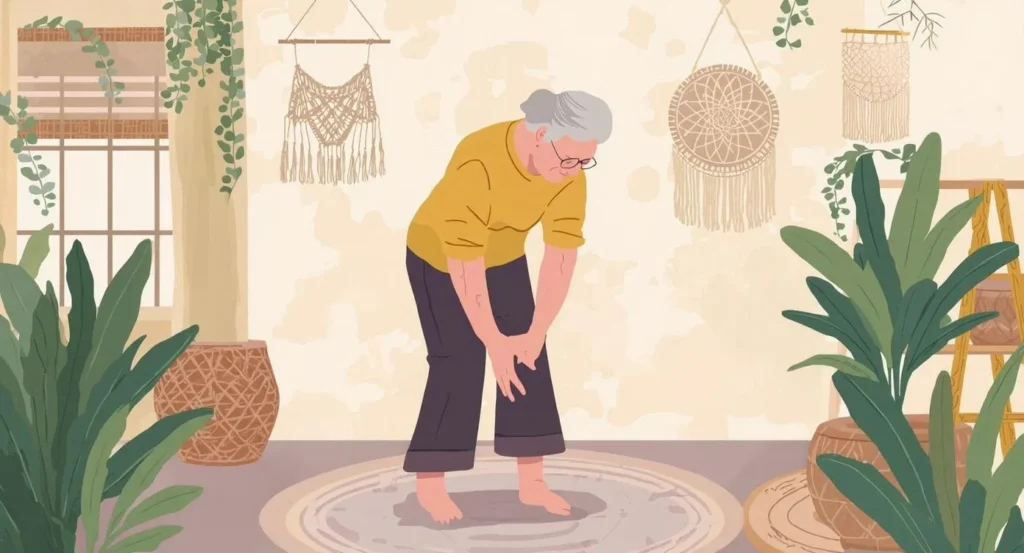
It’s normal to feel some muscle soreness after a workout, particularly when you are first starting an exercise program. There are a number of factors that can contribute to soreness in older adults, however.
Seniors who walk frequently may benefit from cushioned orthotic support such as gel shoe insoles that absorb shock and reduce strain on knees and ankles.
Sudden Increase in Physical Activity
Seniors who take up exercise after long periods of inactivity may find muscles sore from unfamiliar movements.
This is mitigated by gradually increasing the intensity of workouts.
Muscle Overuse
Performing the same action repeatedly leads to muscle fatigue resulting in stiffness.
Examples include:
- Walking long distances
- Gardening
- Household tasks
Lack of Warm-Up
Warming up helps get your blood flowing and muscles loosen for what you are about to do. Skimping on warm-ups can put you at risk for injury.
Dehydration
Water is crucial for delivering nutrients to and washing away metabolic waste from muscles. Dehydration may delay your recovery.
Poor Sleep
Sleep also has an important role in muscle recovery because, during the deepest stage of sleep, you receive a pulse of growth hormone needed in order to rebuild tissue and muscle. [3]
Benefits of Proper Muscle Recovery
There are a number of benefits that practicing good recovery habits will have for seniors.
Reduces Muscle Soreness
Stretching and gentle movement as recovery techniques help fray stiffness and discomfort.
Improves Circulation
Gentle recovery exercise increases blood flow, transporting oxygen and nutrients to those muscles in need of repair.
Supports Muscle Growth and Strength
During recovery periods muscle fibers rebuild stronger this is how seniors maintain strength.
Prevents Injuries
Resting enough and recovery provide muscles and joints with time to repair properly, hence minimising injury risk.
Enhances Mobility
Flexible and well-recovered muscles help seniors move with ease and retain independence.
Exercises for Muscle Recovery in Seniors
Gentle workouts or movement can greatly enhance muscle recovery by improving blood flow and alleviating stiffness.
Health experts often recommend low-impact activities that are safe for older adults to do and easy to do at home.
Gentle Walking
One of the easiest recovery exercises for seniors to do is walking.
Benefits
- Improves blood circulation
- Reduces muscle stiffness
- Supports joint mobility
Even relatively short walks of 10 to 20 minutes can aid in faster muscle recovery.
Walking is also crucial to keeping the heart and lungs working well, as well as maintaining overall physical fitness.
Seated Leg Stretch
This stretch releases stiff hamstrings, opening up the lower body.
How to Perform
- Sit on a chair with your leg extended.
- Keep your back straight.
- Lean every drug user forward towards your toes.
- Hold the position for 15 to 20 seconds.
- Repeat with the other leg.
Shoulder Rolls
Upper-body muscles can become over-tensed from everyday activities like carrying bags of groceries or using computers.
Steps
- Sit or stand upright with your back straight.
- Roll your shoulders forward slowly.
- Move the motion in reverse, rolling them backward.
- This movement relieves tightness in the shoulders and neck.
Light Yoga or Stretching
For loads of reasons, yoga is highly recommended for seniors. It includes stretching, breathing and relaxation.
Benefits include:
- Improved flexibility
- Reduced stress
- Better balance
Many yoga poses also help with recovery, promoting blood circulation and relieving muscle tension.
Recovery Exercises After Physical Activity
Stretching helps keep you limber and prevents stiffness after a workout.
Calf Stretch
The calf muscles assist in walking and balance thus, they are important for the seniors.
How to Perform
- Stand facing a wall.
- Put one foot behind the other.
- Bend the front knee, straightening the back leg.
- Sustain the stretch for 20 seconds.
Quadriceps Stretch
The quadriceps are large muscles at the front of the thigh.
By stretching them, we improve our knee mobility and help avoid stiffness.
Gentle Hip Stretch
Hip muscles are crucial for balance and mobility.
Stretching those muscles regularly can help improve walking ability and lessen lower-body tension.
Nutrition for Faster Muscle Recovery
The nutritional component is highly important for the process of muscle repair and recovery.
Protein Intake
Protein contains amino acids that aid in rebuilding damaged muscle fibers.
Experts frequently advise seniors to eat enough protein each day to help maintain muscle health.
Hydration
Water assists in the delivery of nutrients to muscles and the removal of metabolic waste.
Staying hydrated pre- and post-exercise is also true for recovery.
Vitamins and Minerals
Nutrients That are Important in Maintaining Muscle Health:
- Vitamin D
- Magnesium
- Potassium
These nutrients help in muscle contraction, nerve function and repair tissues.
How Sleep Affects Muscle Recovery
One of the key components for recovery is sleep.
In deep sleep, the body releases hormones that aid tissue repair and muscle growth.
Experts recommend adults aim for 7 to 9 hours of sleep each night to optimize physical recovery. [3]
The better the sleep quality, the more muscle repair is supported and fatigue reduced.
A consistent sleep routine can significantly aid in recovery.
Daily habits and lifestyle choices affect recovery.
Stay Physically Active
Exercise regularly helps to keep muscles strong and prevents stiffness.
Stretch Daily
With everyday stretching, you are putting in work to become more flexible and less sore.
Maintain Balanced Nutrition
A diet high in protein, healthy fats and whole foods aids muscle repair.
Avoid Overtraining
Give your muscles time to recover between intense workout sessions.
When Seniors Should Avoid Exercise
Training is great for everyone, but there are scenarios where seniors ought to refrain from physical activity.
These include:
- Severe muscle pain
- Recent injury
- Joint inflammation
- Dizziness or weakness
If this occurs, medical input should be sought before resuming exercise.
Long-Term Muscle Health for Seniors
Keeping muscles strong is important for healthy aging.
Robust muscles facilitate balance, decrease fall risk and help with daily activities.
Regular exercise and good recovery also help stave off conditions that accompany aging, including muscle loss and motor function disorders.
Experts say that just starting a fitness routine, even later in life, can dramatically improve physical health and quality of life. [2]
FAQs
With age, muscle mass and protein synthesis naturally decline, impacting how fast we recover.
Mild activities such as walking, stretching and yoga fall among the safest exercises to do for recovery.
Health generally suggest at least 150 minutes a week of moderate physical activity.
Yes, hydration aids in the delivery of nutrients to muscles and removal of waste byproducts.
Conclusion
Muscle recovery is an important aspect of maintaining health and movement into older age. Seniors who stay active tend to endure muscle soreness or fatigue post-exercise but adopting effective recovery methods can alleviate these consequences.
Light activity (walking, stretching, yoga) also improves circulation and helps muscles recover more quickly. Good nutrition, hydration and quality sleep also help muscle recovery and general health.
Science suggests aging won’t necessarily mean slower muscle recovery and more damage after exercise. “When they have good habits, older adults can exercise and strengthen their muscles and still get around OK in late life.”
Seniors can continue to experience improved physical health, independence, and quality of life by placing the focus on muscle recovery and safe exercise standards.
References
[1] MedicalXpress. (2025). Older adults experience similar or even less muscle damage than young adults after exercise. https://medicalxpress.com/news/2025-04-older-adults-similar-muscle-young.html (medicalxpress.com)
[2] The Guardian. (2025). Is it harder to build muscle mass as you age? https://www.theguardian.com/lifeandstyle/2025/jul/14/is-it-true-that-its-harder-to-build-muscle-mass-and-strength-as-you-age (The Guardian)
[3] Health.com. (2025). How much sleep do you need for muscle recovery? https://www.health.com/sleep-for-muscle-recovery-11703090 (Health)


