






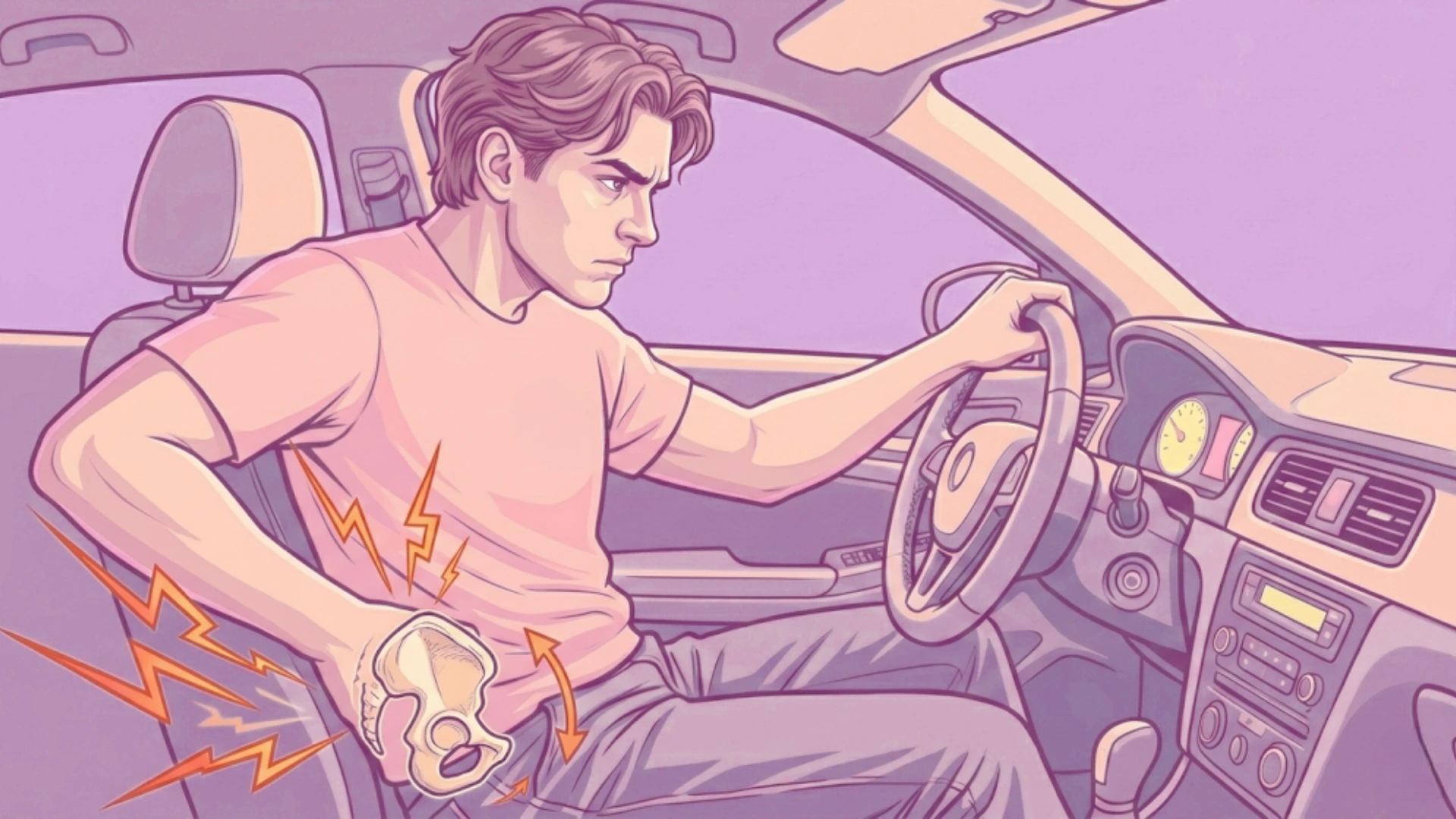
You’ve sat in literal endless traffic, gotten out of your car and asked yourself why on earth is your body not sitting properly? Not real pain, not anything you could point a finger at directly, more like some sort of weird imbalance. One hip tight, one half of their lower back feels heavier or they just don’t feel equally relaxed for the pelvic tilts. You walk it out, stretch a little and figure that all the sitting has tired you.
But the following day, it repeats itself. And the day after that.
And after a certain point, you just don’t pay attention to it because it is normal. Traffic is exhausting, after all. So it’s only natural that sitting for long periods makes your body feel stiff. But what if that gnawing unease isn’t just fatigue? Perhaps your body is slowly acclimating to how you drive in regular life?
When you’re behind the wheel, remember your stance. One foot is always working the clutch, and the other is going between brake and accelerator. Your weight isn’t perfectly balanced. Maybe you tilt a little to the left and don’t even know it. Now imagine this process happening every week for hours.
Your body picks up patterns even if you don’t.
It learns those patterns over time. Not always in a good way. That is how little compensations start, and one of the most typical consequences of this daily practice are our so-called pelvic tilts.
What Are Pelvic Tilts?
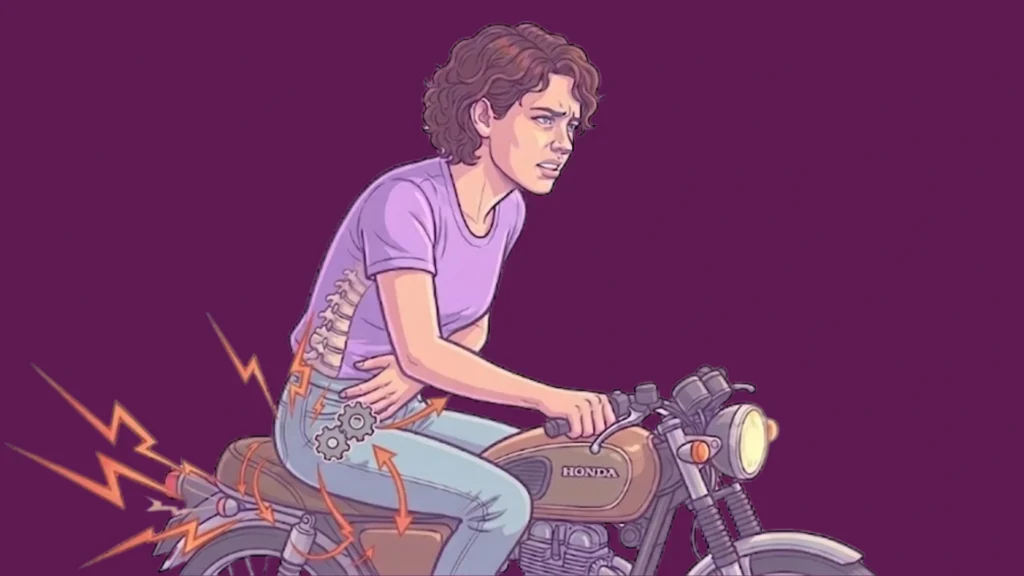
This shifting of your pelvis out of its natural neutral position is what is called a pelvic tilt. The pelvis, the set of bones in the lower body is the main structural component that connects your upper and lower halves which permits balance + stability.
Types of Pelvic Tilts
Depending on pelvis movements, there are also varying forms of pelvic tilt.
- Anterior pelvic tilt occurs when the pelvis tilts forward
- Posterior pelvic tilt occurs when the pelvis tilts backward
- Asymmetrical pelvic tilts occur when one side is higher, tighter, or more rotated than the other
Drivers will have more asymmetrical pelvic tilts.
Why Pelvic Alignment Matters
If your pelvis is aligned, your body operates well. When it is not, your body adapts.
This can lead to:
- Lower back discomfort
- Uneven hip tension
- Poor posture
- More stress on knees and joints
Pelvic tilts are not performed in a vacuum. They are instrumental in how the rest of your body moves and feels.
Traffic Is Quietly Causing Pelvic Tilts
You’re shuffling and halting and adjusting when you drive in. It is not passive sitting. It’s a chugging, jerky forward progress and then long periods of stillness.
Constant Clutch and Brake Use
If your vehicle has a manual transmission, you are using your left leg all the time with your clutch. Your right leg does the brakes and throttle. These movements are not equal.
Over time, this creates imbalance:
- One side crushing down and getting overwhelmed
- The other becomes comparatively weaker
- This one sided exercise promotes pelvic tilts.
Prolonged Sitting Without Movement
We sit for hours, causing our hips to be flexed. This leaves you in a hip flexor shortened position, and passive firing your glutes much less.
As this process is repeated through time, your pelvis begins to be out of alignment.
Subtle Postural Shifts
Few people are perfectly balanced inside the car. You lean a little bit, your weight shifts without you realizing it, you want to go this way or that.
Over time, little habits lead to asymmetry in your body.
The Science of “Commuter’s Hip”
Your body adapts to repetition. The ones you use more, tighten and those unused, weaken.
Muscle Imbalance and Pelvic Tilts
- Short hip flexors alter pelvic alignment
- Booty deficiency causes pelvic instability
- Uneven leg use creates asymmetry
Combined, they cause pelvic tilts.
Chain Reaction in the Body
Your hips won’t be the only thing that gets affected because pelvic misalignment impacts things above and below it.
- Your lower back compensates
- Your spine adjusts
- Your knees take uneven load
This is why something like pelvic tilts is more and more uncomfortable over the course of repetition.
Signs You Might Have Pelvic Tilts
Pelvic tilts can be subtle, hence progressive.
Early Signs
- One leg looks an added tighter than the alternative
- Moderate low back pain following driving
- Uneven pressure while sitting
- Slight stiffness when standing
Progressing Symptoms
- Noticeable imbalance while walking
- Persistent discomfort
- Reduced mobility in hips
- One side feeling dominant
If you catch these signs early, they can save you from major issues in the worm
Something Most Don’t Focus On: Pelvic Tilts
There are no overnight tilts. They fold quietly, almost imperceptibly, in hourly daily routines that are thoroughly banal in the moment. There’s no clear beginning, not one moment you can go back to and say, That was when it started. What matters is the total of those little patterns: how you sit down, how you drive a car, how your weight shifts when you aren’t looking.
That’s why pelvic tilts can be easy to overlook: There is no huge pain, no sudden limitation, nothing that would otherwise cause you to stop and pay attention. Instead, the signs are subtle. A mild tightness in one hip. That stiffness in your lower back after a lengthy car ride. you may notice, for example, that you’re leaning more on one side when you’re seated but aren’t too worried about it.
But those little slippages, over time, are starting to come home to roost: Muscles on one side of your body stay tight; muscles on the other get underused. Your body starts to think of this imbalance as its new normal. But by the time that discomfort becomes high-profile or more frequent, however, the pelvic tilt isn’t just a temporary trouble, it’s already an entrenched pattern.
And that’s why most people don’t solve the problem earlier. Not because overdose is less important than anything else but because it feels less like an emergency at least until it doesn’t.
Why Do We Get Pelvic Tilts When We Drive?
There would not be much to change in order to correct the pelvic tilts. As it stands, this kind of mass change rarely succeeds. When your whole day feels like it’s already factored into the plan adjustments. Doing these little things consistently, will eventually restore balance in the body and stop harming our bodies.
1.Correct Your Sitting Posture
Most of us hunch over our phones, so try to sit more upright while sitting, and this is especially important for when we are driving. Don’t shift your weight to one side, but lean out evenly on both hips. Put your spine out into a neutral position neither slouchy nor maximal overarch, in all directions and let your shoulders chill. If you’re used to riding leaning on one foot or the other, this may be uncomfortable, but your body will learn to balance itself better into a centric position eventually.
2.Take Micro Breaks
Sitting for long periods is one of the main causes of muscle stiffness. These adjustments can still be beneficial even if you cannot exit the car: Change your position, move your legs or roll back your shoulders. When you do that, remember to take small breaks every 15 to 20 mins to get up or walk for a bit. These short breaks help restore tension in the muscles and assist with circulation.
3.Stretch Your Hip Flexors
Driving puts your hips in a permanently flexed position, which eventually leads to shorter and tighter hip flexors. Regularly stretching helps counteract this effect. Even simple stretches done symmetrically can release any tightness that has formed in your muscles, and by loosening these muscles, reduce the amount of force this tension is pulling on your pelvis so you find yourself back as close to a neutral position as you can.
4.Strengthen Your Glutes
Because we sit for longer periods of time, glutes become underactive, which helps stabilize your pelvis. In supporting them, doing glute bridges, step-ups or controlled squats will slowly strengthen and show how the pelvis stabilises you to move.
5.Balance Your Movement
Driving, you are moving asymmetrically particularly if you’re driving a stick shift so it’s important to do something else in the rest of your day that creates balance. Seek out restorative activities and practices. Symmetry whether you’re standing, walking or exercising balances the body and keeps what are minor pelvic tilts from getting worse over time.
The Posture Your Pelvic Tilts Need
You merely need to exercise pelvic tilts. And it’s about how you’re moving your body all day.
1.Betterhood Seat Cushion
Using a seat cushion can help distribute some of your weight evenly between both hips, which eases the pressure on one side while also helping to promote alignment.
2.Betterhood Lumbar Support
When it engages the lumbar curve, it changes your pelvic stabilization on the sacrum.
3.Everyday Preventive Support
Betterhood designs products to promote your body into better posture, in a way where it is not tensing you up. And in the long run, this relieves us from stress and energy imbalances.
A Daily Routine That Will Fix Your Pelvic Tiling
You’ll want to be consistent with pelvic tilts.
Before Driving
- Do a quick hip flexor stretch
- Activate your glutes
During Driving
- Sit evenly
- Stay aware of posture
After Driving
- Stretch both sides
- Do light mobility work
Throughout the Day
- Avoid prolonged sitting
- Maintain posture awareness
These abilities counteract everyday imbalances.
Pelvic Tilts Are Serious
Some symptoms require more attention.
Warning Signs
- Persistent lower back pain
- Noticeable hip imbalance
- Pain during movement
- Reduced flexibility
These are stuff not to sleep on and this must be treated every time such happens.
The Bigger Picture
Driving is a routine part of daily life, long drives in cities are unavoidable. The goal isn’t to cut it out completely, that’s just not possible but rather, to be more aware of how your body responds after drinking caffeine and make baby steps to mitigate this reaction over time.
Most pelvic tilts are not just caused by one thing. They’re a product of repetitive patterns the way you sit and move, and how your body compensates for those habits, day after day. And driving is only one of the most ingrained and enduring of those habits.
It’s not about perfection. It’s about awareness and consistency. And because even minor alterations, consistently applied, can help keep pelvic tilts from becoming chronic pain.
Conclusion
What starts as a slight imbalance called the pelvic tilt, can become chronic pain without intervention.
This can be avoided by preparation, small changes and a bit of padding. Betterhood seat cushions + lumbar supports that support these bodies.
You shouldn’t have to kill yourself for a daily driver. Use the right technique, and even in heavy traffic you can position yourself accurately enough to remain engaged, supported.
Because sometimes it’s the little things at all that moves your body. These are the little, repetitive ones that you barely notice, but your body does.
FAQs
Yes, repetitive and uneven movements like clutch and brake use, combined with prolonged sitting, can lead to muscular imbalances that cause pelvic tilts.
Asymmetrical pelvic tilts are most common in drivers due to uneven leg use and weight distribution.
Common signs include uneven hip tightness, lower back discomfort, and feeling off-balance while sitting or walking.
Pelvic tilts usually do not correct themselves unless you actively address posture, movement patterns, and muscle imbalances.
You can prevent pelvic tilts by maintaining even posture, taking breaks, stretching regularly, and using ergonomic support.
Yes, ergonomic supports like seat cushions and lumbar support help maintain alignment and reduce uneven pressure on the pelvis.
If ignored, pelvic tilts can lead to chronic lower back pain, hip discomfort, and long-term postural issues.
Correction time varies, but consistent posture correction, strengthening, and support can show improvement over weeks to months.
References
1.Neumann, D. A. (2010). Kinesiology of the Musculoskeletal System. Elsevier. Available at: https://www.elsevier.com/books/kinesiology-of-the-musculoskeletal-system/neumann/978-0-323-03989-5
2.O’Sullivan, P. (2005). Diagnosis and classification of chronic low back pain disorders. Manual Therapy. Available at: https://www.sciencedirect.com/science/article/pii/S1356689X05000325
3.Callaghan, J. P., & McGill, S. M. (2001). Low back joint loading and kinematics during sitting. Clinical Biomechanics. Available at: https://www.sciencedirect.com/science/article/pii/S0268003301000388
4.Kendall, F. P., McCreary, E. K., & Provance, P. G. (2005). Muscles: Testing and Function. Lippincott Williams & Wilkins. Available at: https://shop.lww.com/Muscles–Testing-and-Function/p/9780781747806
5.Sharan, D., & Mohandoss, M. (2014). Musculoskeletal disorders of drivers. International Journal of Occupational Safety and Ergonomics. Available at: https://www.tandfonline.com/doi/abs/10.1080/10803548.2014.11077052


