






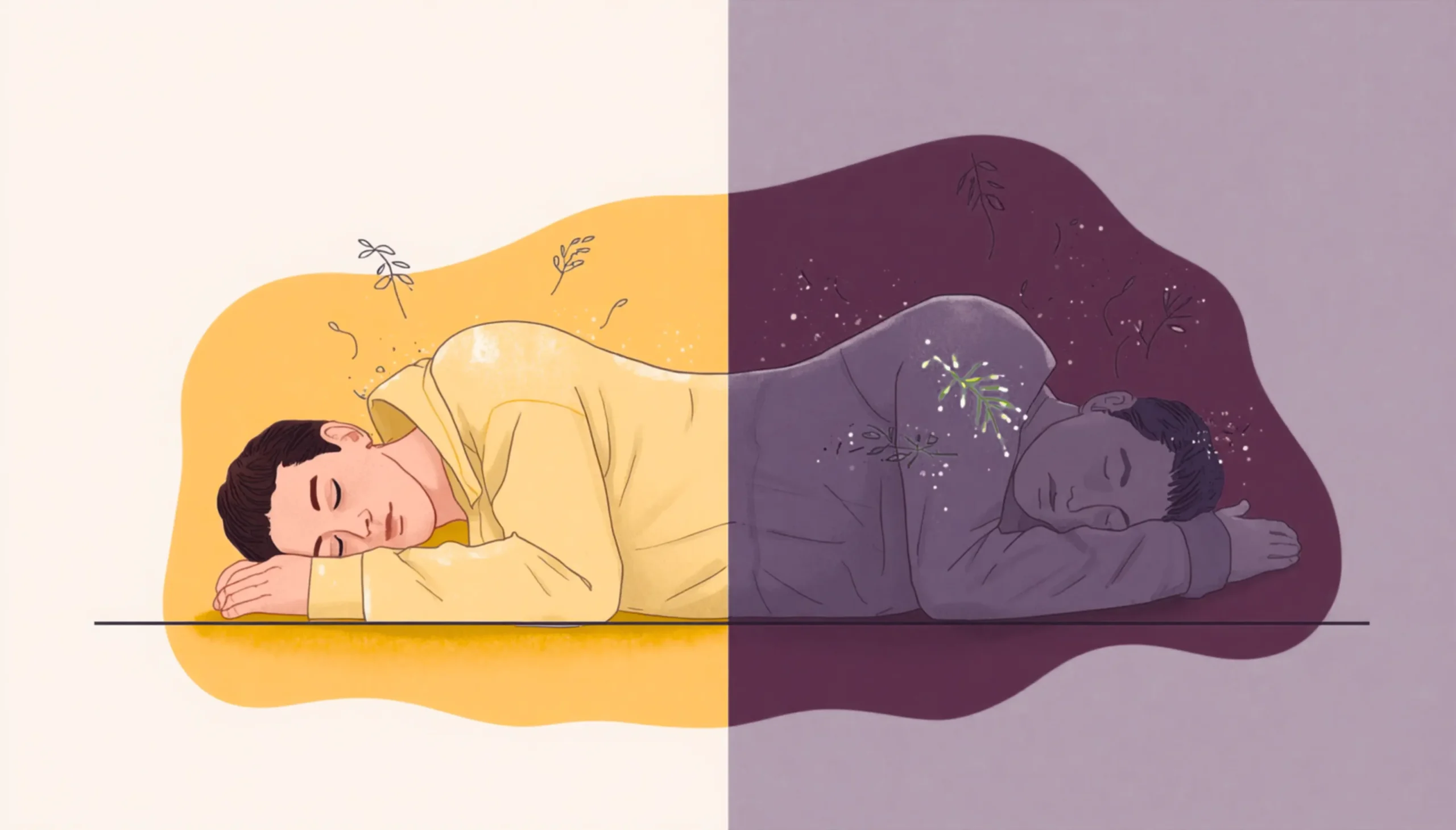
Rest is often seen as the solution to discomfort. When the body feels tired, sore, or overwhelmed, the natural response is to pause, reduce effort, and step away from demand. In many situations, this is necessary. The body needs time and space to repair and restore. However, not all rest leads to recovery. Sometimes, what appears to be rest is actually avoidance, and over time, avoidance can slow healing instead of supporting it.
What True Rest Looks Like
True rest is purposeful. It allows the body to shift into a state where repair becomes possible. Muscles relax, breathing slows, and the nervous system moves out of constant alertness. This creates the conditions required for recovery.
Avoidance, however, is driven by the need to escape discomfort. This discomfort may be physical, such as pain or stiffness, or psychological, such as fear of movement or concern about worsening symptoms. While both rest and avoidance may look similar at first, their outcomes are very different over time.
When Rest Stops Supporting Recovery
Short periods of rest can reduce acute discomfort and allow the system to stabilize. But when rest continues without reintroducing movement, the body begins to adapt to inactivity.
Muscles lose strength, joints become less mobile, and overall capacity declines. Instead of recovering, the body becomes less prepared to handle even normal levels of activity. At this point, rest is no longer restorative. It has shifted into avoidance.
The Nervous System and Avoidance
This shift is closely linked to the nervous system. When movement is associated with discomfort, the body may begin to limit it as a protective response. Range of motion decreases, muscle tension increases, and hesitation develops.
Although this response is meant to protect, prolonged avoidance creates a cycle. Reduced movement lowers capacity, and lower capacity increases sensitivity. Over time, even simple movements may feel difficult or unsafe.
The Cost of Doing Less
Doing less can feel safe in the short term, but it often reduces resilience over time. Without regular movement, the body loses adaptability and confidence. Energy levels drop, recovery slows, and physical tasks begin to require more effort.
This does not necessarily indicate damage. More often, it reflects a lack of exposure to movement and load. The body has not been given enough opportunity to rebuild capacity.
Reintroducing Movement Safely
Recovery requires a gradual return to movement. This does not mean pushing through pain, but reintroducing movement in a controlled and manageable way.
Gentle activity, low levels of load, and gradual variation help rebuild capacity. As the body experiences safe movement again, the nervous system becomes less reactive. Confidence improves, and movement begins to feel more natural.
Rest With Direction
Rest remains essential, but it must have direction. Effective recovery balances periods of activity with periods of rest. Movement is modified rather than eliminated.
This balance allows the body to continue adapting without becoming overwhelmed. It also prevents the loss of capacity that comes with prolonged inactivity.
The Real Takeaway
Rest supports recovery when it creates space for the body to rebuild. Avoidance delays recovery when it removes the input the body needs to regain strength and confidence.
The goal is not to choose between rest and movement. It is to understand when rest has served its purpose and when it is time to re-engage.
Because recovery is not just about doing less. It is about returning to movement in a way the body can trust again.
Co- authored by: Shayamal Vallabhjee
Chief Science Officer: betterhood
Shayamal is a Human Performance Designer who works at the intersection of psychology, physiology, and human systems design, for the last 25 years he is helping high-performing leaders, teams, and athletes thrive in environments of stress, complexity, and change. His work spans across elite sports, corporate leadership, and chronic health and is grounded in the belief that true performance isn’t about pushing harder, but designing better.


