





Introduction
Chronic neck pain can distract you at work, limit your ability to sleep, focus and even move. It might begin as a simple strain and in time, develop into chronic pain, tightness or discomfort in the neck/shoulders. Oftentimes it is due to your posture, stress, muscle strain or degeneration around the spine as you age. [1]
The silver lining is that chronic neck pain treatment usually gets a better outcome when its consistency over the course of days rather than one miracle solution. Gentle exercise and improved posture, plus sleep aids and stress management (and a doctor visit if required) will help you to feel less pain over time. [2]
In this blog we speak about long term solutions that are realistic, safe and practical.
What Causes Chronic Neck Pain?
There are lots of different causes for chronic neck pain. One of the most prevalent reasons is bad posture. This position involves holding one body part in front and allows other muscles of the neck to stretch. But looking down at the phone, leaning forward at a desk or sitting on a chair/sofa for a long time with your head stuck out can be straining neck joints and areas around it. [1]
Stress is another major cause. The neck and shoulder muscles tighten unconsciously when a person is anxious. This can lead to chronic soreness and stiffness over time. [1]
Whiplash, arthritis, cervical spondylosis, herniated discs, pinched nerves, and repetitive strain are other potential reasons. Others experience the pain as more muscular in nature, while some have pain that radiates to their shoulders or even arms. [2] [5]
Why Long-Term Treatment Matters
Chronic pain tends to come back because we continue the same habits that keep aggravating the neck. That is why short-term relief measures alone tend to be insufficient. Pain medicine will give you short-term relief, but neither correct your posture nor make you move better and does nothing for the muscles that weaken with all disuse. [2]
In the long run, one gets to the actual issue potentially being improving the way you sit, sleep, or move as well as how you respond to stress. This would also include stretching, physical therapy and properly managed medical treatment when appropriate. [4]
Improve Posture Every Day
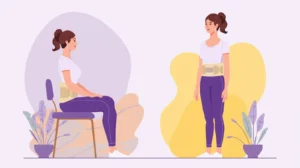
Proper posture is one of the main components of chronic neck pain treatment. As the head moves anteriorly, it requires more effort from the neck muscles to support it. This added stress can keep pain coursing through your body all day. [1]
To improve posture:
- Keep ear about your hips or above shoulders
- Keep your screen at eye level
- Relax your shoulders
- Do not tilt your head over your cell phone or laptop
- Change position often
This does not mean you are to sit up exceptionally rigid. It means eliminating being in stressful positions for long periods of time. Small behaviours repeated over and over can lead to something big! [4]
Use Gentle Exercise and Stretching
Chronic Neck Pain Movement is typically better than total rest. Exercise helps the muscles remain flexible and prevents stiffness. Guidelines from Johns Hopkins and the NHS both suggest gentle movement and exercise for neck pain. [3]
Helpful exercises include:
Chin tucks
With the chin slightly back, approach the head slowly. This helps improve head alignment.
Side neck stretch
With the head to one side, gently let your head drift towards the opposite shoulder until a slight stretch is felt.
Neck rotation
Move head from side to side within a comfortable range.
Shoulder rolls
Moving the shoulders back will help release some tension in the upper part of your body.
Scapular squeezes
Squeeze the shoulder blades together, and then relax.
These movements should be steady and deliberate. The idea is to not push the neck into pain, but free up stiffness. [4]

Use Heat or Cold Therapy
Heat and cold can be used for neck pain depending on what the needs of your neck are. Cold packs are what you often want when the area feels irritated or inflamed. For tight, stiff muscles generally heat is your best friend. [2]
A simple approach is:
- If the pain is recent, apply cold early
- Use warm if any stiffness and rigidity in neck
- Keep covering the pack in a towel or cloth
- Use it for a short period at a time
Walking into warm showers also helps some of these people before they stretch. The good choice is the choice that offers relief without exacerbating pain. [2]
Power Up the Muscles That Support the Neck
The neck does not work alone. When walking upright the shoulders, upper back, and shoulder blades assist to pull the head backwards and ensure that it remains over a stability point. Poor strength in those areas, and the neck will compensate. [4]
Strengthening the simple things over time is key to making sure those fundamentals are supported more robustly. We may work on some scapular squeezes, wall posture drills and gentle upper-back movements. A physical therapist can design a plan that is designed for your pain pattern and strength. [4]
That is vital given that the neck might need to work less difficult at sticking with normal everyday duties in case you have firmer help with muscular tissues. [4]
Fix Your Sleep Position
Though sleep ultimately should be restorative for the neck, the wrong pillow or sleeping position can exacerbate pain. Should the neck curve or twist for hours, you may feel sore in the morning. [1]
Helpful sleep tips include:
- Select a pillow that maintains the head and neck in alignment
- Try sleeping on your back instead of your stomach
- Ensure that the pillow is neither high nor flat
- Use a neutral neck stretch all the time
Side sleepers require extra pillow support in comparison to back sleepers. The aim is to provide support and comfort for the neck overnight. [7]
Manage Stress Carefully
Neck pain usually triggers stress because of its effects. As we worry, as we go about our busy lives, and drown in overwhelming tasks – have you ever noticed that many of us hunch or tighten their shoulders and neck? That tension is the kind of thing that can be a habit every day. [1]
To reduce stress-related neck tension:
- Take slow breaths
- Stretch during breaks
- Walk for a few minutes
- Relax the shoulders often
- Reduce long screen sessions
Although this is a common-sense approach to stress relief, it is also fundamental to long term pain control. And when the nervous system calms down, so too do the muscles. [5]
Use Pain Medicine Wisely
An over-the-counter pain medicine could relieve this discomfort so that you can stretch, and move easier and sleep better. For neck and back pain, acetaminophen or ibuprofen may be useful. [4]
Medicine, however, is not the sole treatment. Its main use is best suited with posture correction, movement and sleep plan as part of a bigger picture. Always follow the label directions with any medication try and check with a clinician or pharmacist if you have health concern [2]
Consider Physical Therapy for Permanent Solutions
One of the best treatments for chronic neck pain is physical therapy. So it ultimately helps with flexibility, strength, posture and movement control. Both Cleveland Clinic and Johns Hopkins endorse rehabilitation-based care for chronic neck pain. [4]
A physical therapist may teach:
- Targeted stretches
- Strengthening exercises
- Posture retraining
- Movement habits to reduce strain
It can especially be useful if the pain keeps coming back, restricting movement or you just do not know what is going on. [4]
Massage or Acupuncture When in Need of Supportive Care
Massage can help relax tight muscles and lower tension. Acupuncture, which is sometimes studied as an adjunct therapy to neck pain, has also been mentioned by Mayo Clinic. [2]
They may help some people feel more relaxed and move more easily, especially when muscle tension is part of the problem. They are most effective when integrated into a comprehensive treatment plan, not as standalone solutions. [2]
Know When to See a Doctor
A long-term neck ache should be evaluated by a well being care professional if it persists for weeks, comes and goes, or worsens. Medical attention should also be sought for any pain radiating into the arm or numbness or weakness. [1]
Seek care if you have a fall, accident or sustained whiplash injury. If the symptoms point towards a nerve problem or another condition that requires proper evaluation. [1]
A News & Plan for Neck Pain Daily Fix
A Realistical Daily Plan May Be As Follow
- Do some gentle neck movement first
- Keep your screen at eye level
- Every 30–60 minutes, take a break
- Use heat or cold when needed
- Daily neck and shoulder stretches
- Sleep with good neck support
Overcome Stress through Breathing or Walking
It may seem like a simple routine, but anyway, routine is what most people need. Chronic pain frequently improves when we stop straining our bodies in a constant manner. [4]
FAQs
What is the ultimate treatment for chronic neck pain?
Common treatments tend to involve correcting posture, light exercise, sleep support, stress management approaches and physical therapy if needed. [4]
Can chronic neck pain improve?
Yes. Most get better over time, particularly if they tackle the underlying cause and adhere to treatment. [2]
Should I work out with Neck Pain?
Gentle exercise is often helpful. Slow, controlled movement, and not doing anything that causes any sudden pain outside of an injured area is the key. [3]
When should I see a doctor?
Consult a doctor when the discomfort doesn’t alleviate over time, it is severe and/or if it spreads to your arm or causes numbness/weakness. [1]
Brought to you by Continual Trauma Do All Cases of Chronic Neck Pain Require Surgery?
No. Most do not. Surgery is only considered for more severe cases that do not respond to treatment. [5]
Conclusion
Long-term, regular and realistic chronic neck pain treatment is most effective. Some of the greatest gains come from standing straighter, moving more gently, support for better sleep, managing stress and the conduct of physical therapy when indicated. [2]
Rather than waiting for pain to go away with time, you can develop habits in your daily life that alleviate tension. The right plan can work: many people are able to reduce pain, move more easily and reduce the risk of future attacks. [4]
FAQs
The best chronic neck pain treatment usually consists of gentle exercises, realignment postural guidance, stress management, proper sleep support tools and keeping moving each day. In some cases, physical therapy can also aid in your long-term recovery. [4]
Yes, the majority fix themselves when they correct their poor habits creating the problem. You practice good posture, stretch often, take breaks, and relieve muscle tension until some relief is achieved over time. [2]
In chronic neck pain, gentle exercises are usually advised. Gentle movements, including chin tucks, shoulder rolls and neck stretches can help improve flexibility and reduce stiffness. Sharp and acute pain should never be present during exercises. [3]
In the case of neck irritation or inflammation after strain, it can be worthwhile to put on cold packs. Because heat relaxes and increases circulation, it is typically more beneficial for stiffness and tight muscles. [2]
If the pain is persistent for several weeks, if it keeps coming back, if it is severe or radiating to the arm you should consult a physician. Numbness, weakness, headaches after an injury or reduced balance also require to be seen by your health professional. [1] [5]
Yes. Most of us do not realize how stress causes people to unconsciously clench their shoulders and muscles in the neck area. This tension can contribute to pain, stiffness and headaches over time. Flare-ups may be reduced through relaxation methods and frequent mobility. [1]
References
- Mayo Clinic. (n.d.). Neck pain: Symptoms and causes.
https://www.mayoclinic.org/diseases-conditions/neck-pain/symptoms-causes/syc-20375581 - Mayo Clinic. (n.d.). Neck pain: Diagnosis and treatment.
https://www.mayoclinic.org/diseases-conditions/neck-pain/diagnosis-treatment/drc-20375587 - NHS. (n.d.). Neck pain and stiff neck.
https://www.nhs.uk/conditions/neck-pain-and-stiff-neck/ - Johns Hopkins Medicine. (n.d.). Neck pain and problems.
https://www.hopkinsmedicine.org/health/conditions-and-diseases/neck-pain - Cleveland Clinic. (n.d.). Neck pain: Symptoms, causes, and treatment.
https://my.clevelandclinic.org/health/symptoms/21179-neck-pain - Johns Hopkins Medicine. (n.d.). Back and neck pain.
https://www.hopkinsmedicine.org/health/conditions-and-diseases/back-pain - Cleveland Clinic. (n.d.). Stiff neck: Causes and relief.
https://health.clevelandclinic.org/stiff-neck-causes-and-relief - Mayo Clinic. (n.d.). Stretching: Focus on flexibility.
https://www.mayoclinic.org/healthy-lifestyle/fitness/in-depth/stretching/art-20047931