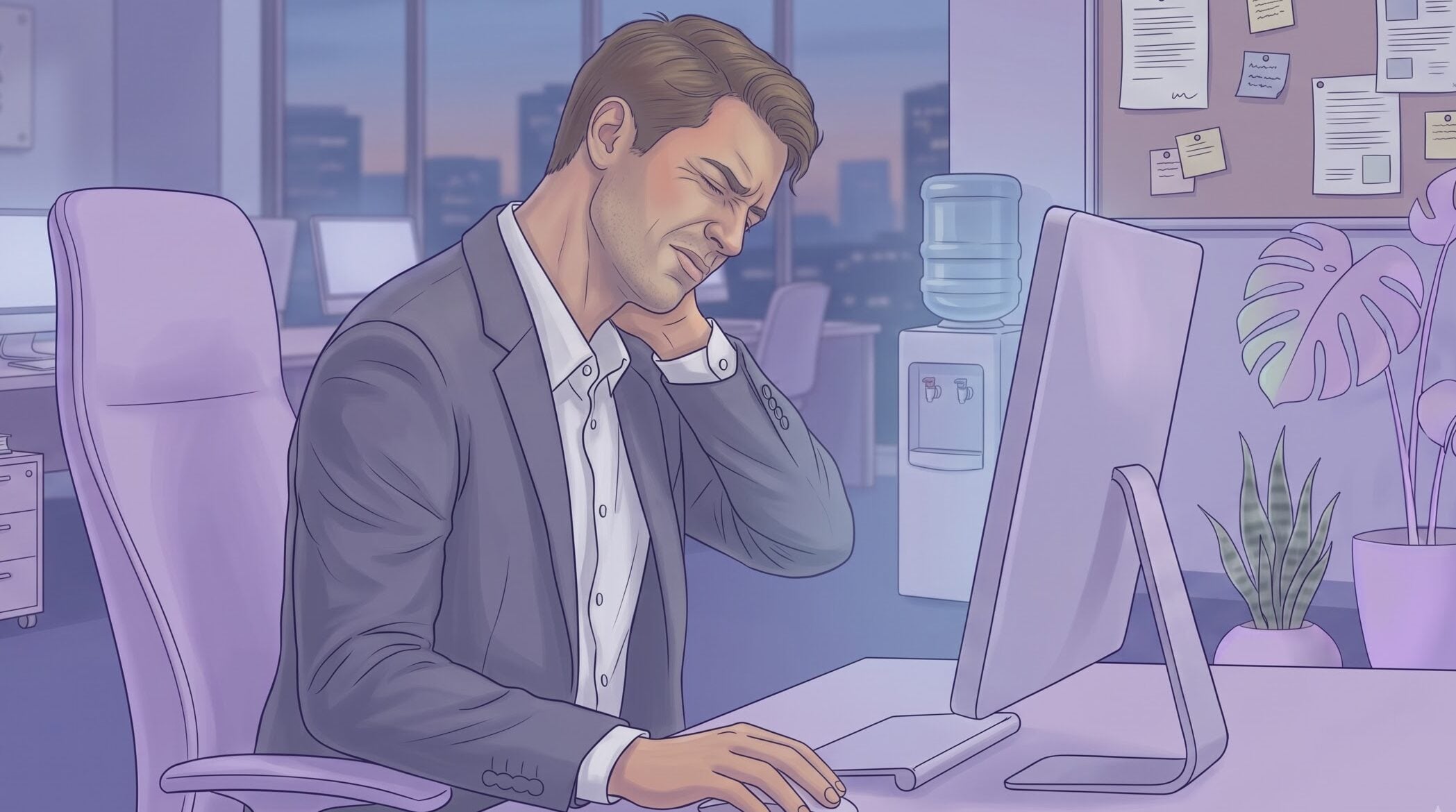
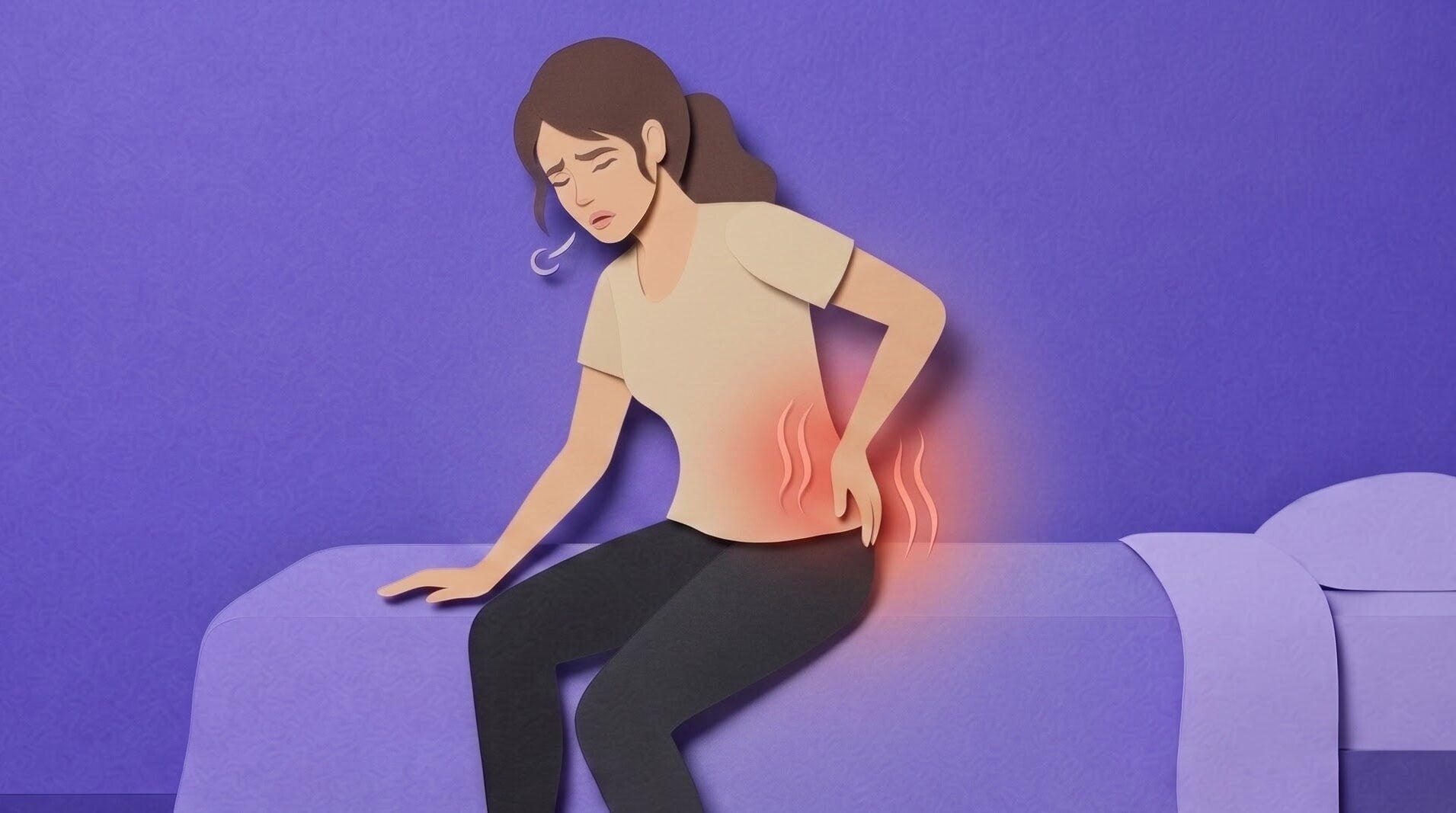
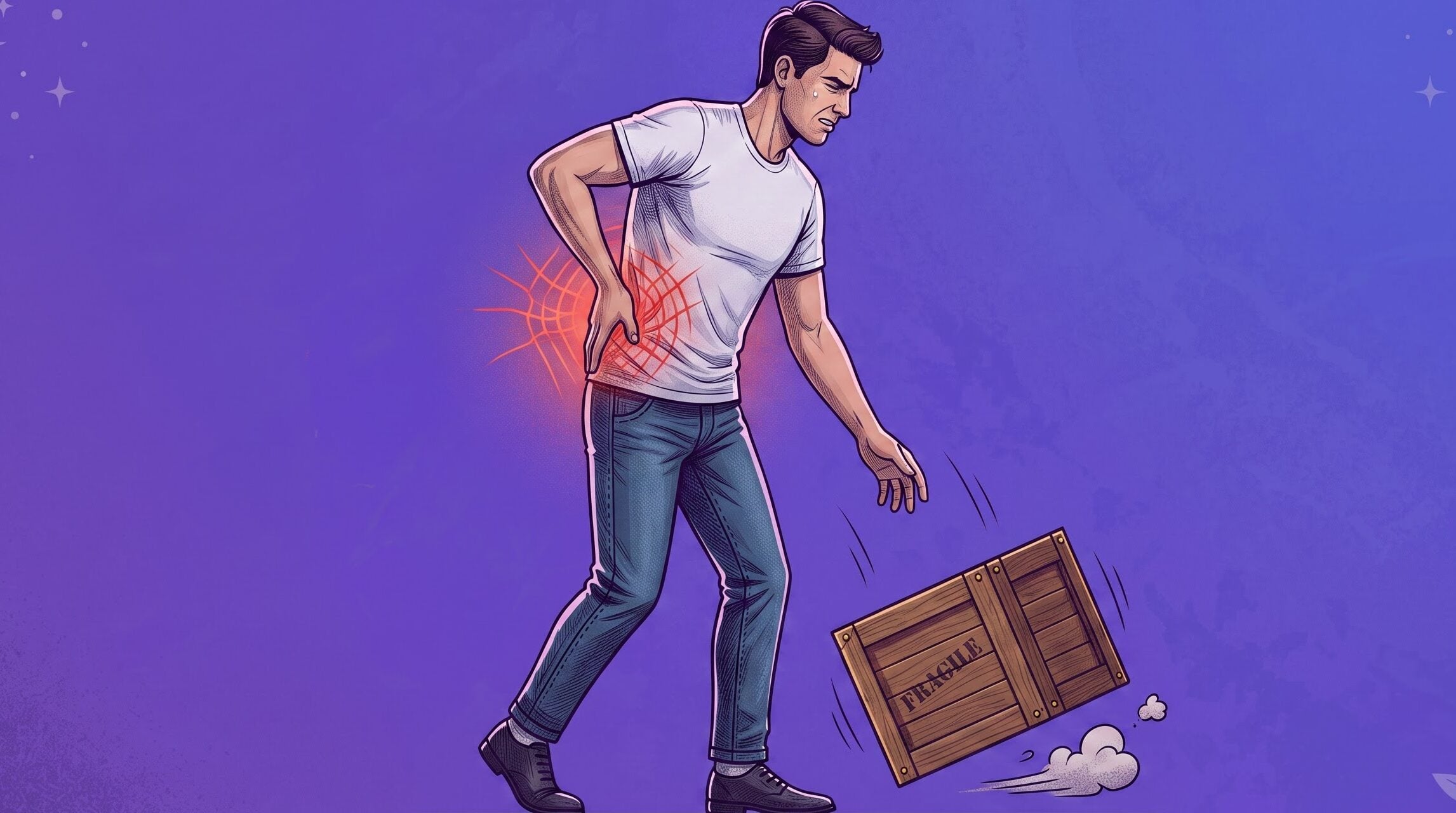
Imagine sitting through a three-hour Bengaluru traffic jam or huddled over a laptop in a Gurgaon high-rise for eight hours straight, only to feel a sharp, nagging throb radiating through your shoulders and lower back by evening. You need to realise how neck and back pain treatment will actually help you in your day to day life.
With the way people live today, treatment for back and neck pain is in great demand. Desk work, long phone conversations, the aches of travel or physical labour – your spine often takes the brunt. In the long term, this can develop into stiffness and discomfort or chronic pain of the back and neck.
The good news, however, is that the majority of back and neck pain isn’t serious and often responds to basic care, movement and lifestyle modifications. Most recover in a few weeks without needing advanced medical treatment, according to premier health authorities. [1] [2]
Here’s a complete guide with the reasons behind its occurrence, its curing, daily habits to adopt and preventive measures and everything you need to know for permanent relief.
What Is Back and Neck Pain and Why Does It Occur?
Most back and neck pain isn’t from serious disease but is mechanical. That means the pain is usually muscular, joint-related, ligamentous or postural.
Common causes include:
- Tears in the muscles due to overuse or rapid movement, often triggered by daily household chores like lifting heavy water buckets, mopping floors, or standing for hours in the kitchen making roti.
- Unauthorised use of mobile phones / electronic devices, especially working with laptops resting on laps while sitting hunched on the bed.
- Long hours without movement during desk jobs or prolonged commutes.
- Sleeping in an awkward position or on unsupportive traditional floor cots and worn mattresses.
- Stress and muscle tension carrying over into stiff neck and shoulder muscles.
- Weak supporting muscles unable to sustain everyday physical exertion.
Additionally, neck pain may radiate into the shoulders or upper back, whereas lower back pain can feel dull, sharp, or throbbing depending on its root cause. [3] [7]
For instance, this scenario is a perfect example. You need to understand that pain rarely stems from a single injury; rather, it builds up over time with repeated stress.
As a result, ongoing daily care far outweighs temporary quick fixes.
Why Is Early Back and Neck Pain Treatment So Important?
Disregarding early warnings of pain can trap you in a hellscape of chronic discomfort. What begins as subtle stiffness can become a chronic concern if habits aren’t modified.
Early treatment helps:
- Reduce inflammation and stiffness
- Prevent long-term muscle imbalance
- Improve mobility and flexibility
- Avoid chronic pain conditions
Pain management is not just getting relief; it’s from the pain.
First Principles of Neck and Back Pain Treatment
It is not rocket science: a sound treatment vaccine can be built on
- Stay active
- Avoid prolonged rest
- Reduce strain
- Support the body properly
Although some believe staying in bed and resting is the best cure, studies show that mild activity helps you recover much faster than lying in bed for hours. [1]
However, this does not mean enduring sharp discomfort. Instead, it means engaging in gentle, controlled movement within your comfort level.
What Are the Common Myths and Best Home Remedies for Back and Neck Pain Treatment?
Heat and Cold Therapy
One of the simplest and most powerful remedies: heat and cold.
Cold therapy:
Helps reduce inflammation
Heat therapy:
Relaxes tight muscles
Improves blood circulation
Culturally familiar practices like using a hot-water bag or applying a hot towel compress work wonders for soothing stiff muscles. Similarly, traditional comfort measures such as applying herbal balms or indulging in a gentle maalish (oil massage) can offer soothing relief, provided they are done respectfully without applying excessive pressure on inflamed joints.
Medical guidance is to use them for short stretches of time, with a cloth barrier on the skin. [2] [5]
Pain Relief Options
‘OTC medication like paracetamol or ibuprofen will assist with both pain and mobility.
However:
- Use them only as directed
- Avoid long-term dependence
Topical products such as easily accessible pain-relief sprays, roll-ons, or Ayurvedic herbal gels available at local Indian chemists and pharmacies offer localised relief without affecting the entire body. [1]
They are especially helpful for temporary relief when dealing with localised pain or the familiar discomfort of nas dabna (a pinched nerve), which often causes sharp, radiating pain down the arm or leg.
However, a major myth is that full bed rest is the best cure; in reality, light, gentle movement works far better for recovery than staying motionless.
Gentle Movement
Mobilisation lies at the heart of treating back and neck pain.
Instead of staying still:
- Get up every hour and walk around for a few minutes
- Change positions regularly
- Avoid sitting for long periods
In fact, regular movement decreases muscle stiffness and boosts blood circulation, thereby accelerating the healing process.

Which Exercises Are Most Effective for Back and Neck Pain Treatment?
Exercise is one of the better long-term solutions.
For Back Pain:
- Walking
- Light stretching, such as back extension stretches paired with Bhujangasana (Cobra Pose) and gentle cat-cow movements (Marjaryasana-Bitilasana)
- Core strengthening
For Neck Pain:
- Simple micro-break stretches to do between long work or study shifts:
- Neck rotations
- Shoulder rolls
- Chin tuck exercises
Ensuring Controlled and Steady Movements: Experts stressed the importance of moving slowly and controlled to gain flexibility and avoid stiffening. [5]
The key is consistency. Even 10 to 15 minutes of daily practice goes a long way.
How Do Posture Correction and Ergonomics Help in Back and Neck Pain Treatment?
Posture is the key to causing and correcting pain.
Specifically, common posture mistakes include:
- Slouching while sitting, especially on flat dining chairs, plastic garden chairs, or low wooden stools (piddhis) commonly found in Indian homes.
- Leaning forward while using phones or working on laptops without proper ergonomics.
- Sitting without back support, whether at a desk or during long daily commutes on two-wheelers or in city traffic.
These habits lead to chronic stress on joints and muscles. [7]
Simple corrections:
- Adapt your daily environment: keep screens at eye level and adjust your driving posture with lumbar cushions or back support for cars and two-wheelers.
- Sit with your back supported rather than hunched over low seats or beds.
- Relax shoulders
Similarly, stand up or sit without a slouch every 30 to 60 minutes.
You don’t have to have perfect posture; just try not to remain in that one bad position for too long.
Role of Sleep in Pain Relief
Sleep is the oft-overlooked pillar in back and neck pain care.
For Neck Pain:
- Use a firm, supportive pillow that maintains spinal neutrality. Avoid using oversized or double pillows, which push the neck too far forward.
- Keep the head aligned with the spine whether sleeping on a standard bed, a firm surface, or a traditional thin cotton mattress (gadda).
- Avoid sleeping on your stomach
For Back Pain:
If you’re a side sleeper, place a pillow between your knees to maintain hip and spine alignment.
If sleeping supine (on your back), keep your knees supported with a pillow, especially when sleeping on firmer surfaces or thin mattresses like a gadda, which offer less contouring.
Proper sleep alignment minimises tension and enables your muscles to mend overnight. [2] [5]
Lifestyle Factors That Affect Pain
Stress
First, stress causes muscles particularly around the neck and shoulders to contract and become painful.
Lack of Activity
Second, through physical inactivity, our supporting muscles become progressively weak and stiff.
Poor Work Habits
Furthermore, unmanaged stress on the spine accumulates during long work shifts.
Consequently, addressing these everyday factors is essential to achieving lasting relief.
How Do Office Breaks Impact Back and Neck Pain Treatment?
This is a recipe for achy pain, especially in desk-bound folks who nestle in front of their workstations for hours on end.
Causes:
- Poor chair support
- Incorrect screen height
- Lack of movement
Solutions:
- Use ergonomic furniture
- Adjust screen to eye level
- Take regular breaks
It doesn’t take much to have a huge impact on how much pain there is, though.
How Should Students Approach Back and Neck Pain Treatment?
Always students are harmed by the following sources:
- Long study hours for intense competitive exams like JEE, NEET, or UPSC.
- Poor posture, such as slouching over books while studying on the bed or sitting hunch-backed on the floor.
- Excessive phone use and prolonged screen time during study sessions.
Tips:
- Sit upright with proper back support while studying.
- Keep books and screens at eye level.
- Limit continuous screen time and take regular movement breaks.
Good habits are easier to form now than problems later.
When to Seek Medical Help
Although most cases improve with self-care, some need medical treatment.
Therefore, consult a doctor if:
- Pain persists beyond several weeks
- Pain is severe or worsening
- There is numbness or tingling
- Pain spreads to arms or legs
- Pain follows an injury
If there are symptoms like fever, weakness or loss of bladder control, urgent care is required.” [1] [8]
If you are not experiencing red-flag symptoms but want to evaluate how your daily stiffness affects your spine, take a 2-minute online back and neck pain assessment to identify safe, conservative self-care options.
Medical Options for Back and Neck Pain Treatment
Physiotherapy
Physiotherapy focuses on:
- Strengthening muscles
- Improving flexibility
- Correcting posture
It is one of the most successful long-term treatments. [4]
Medications
Doctors may prescribe:
- Muscle relaxants
- Stronger pain relievers
These are usually short-term solutions.
Injections
In the acute inflammation stage, or if the nerve pain is involved, steroid injections may be given.
Surgery
Surgery is extremely rare and necessary in only the most extreme cases, Winter said.
What Is the Ideal Daily Routine for Back and Neck Pain Treatment?
There’s a simple daily regimen that can aid in pain relief as well as preventive measures.
Morning:
- Gentle stretching
- Light movement
During the day:
- Take breaks from sitting
- Maintain good posture
- Stay active
Evening:
- Relax muscles with heat therapy
- Avoid heavy strain
The thing you want consistency to provide you is long-term relief.
Preventing Back and Neck Pain
Prevention is better than treatment.
In particular, key habits include:
- Stay physically active
- Maintain proper posture
- Use correct lifting techniques
- Sleep with proper support
And many cases of back pain are avoidable, experts say, if you make these lifestyle tweaks. [9]
Common Mistakes to Avoid
- Ignoring early signs of pain
- Staying in bed for too long
- Prolonged posture which is inaccurate
- Overexercising during pain
- Self-medicating without guidance
Which Common Mistakes Should You Avoid During Back and Neck Pain Treatment?
I am under a long-term pain management plan.
Quick fixes bring no lasting relief; a consistent back and neck pain treatment routine is what helps long-term.
Focus on:
- Daily movement
- Strength and flexibility
- Posture awareness
- Stress management
Although the pain does not immediately go away, it can slowly be relieved.
What Are the Key Takeaways for Successful Back and Neck Pain Treatment?
It doesn’t have to be difficult to treat back and neck pain. Usually, small lifestyle changes and proper movement and self-care do wonders.
The real deal is listening to your body. Become active and stay aware of yourself & create healthy habits. If pain continues or worsens, seek a professional.
You can live a happy and active life by reforming your new approach towards the pain that is manageable or sustainable.
Most Frequently Asked Questions About Back and Neck Pain Treatment
Generally, maintaining proper posture, using warm compresses, and taking over-the-counter medication when needed provide effective relief. [1]
If the pain doesn’t improve, worsens or is associated with numbness or weakness, you should see a doctor. [2]
A little exercise will undoubtedly help you recover, but don’t attempt anything strenuous or painful to do. [5]
No, long bed rest can cause stiffness to worsen. Staying active is recommended. [1]
The majority of cases get better in a few weeks with appropriate treatment. [1]
References
- Mayo Clinic. Back pain diagnosis and treatment. https://www.mayoclinic.org/diseases-conditions/back-pain/diagnosis-treatment/drc-20369911
- NHS. Neck pain and stiff neck. https://www.nhs.uk/symptoms/neck-pain-and-stiff-neck/
- MedlinePlus. Back pain overview. https://medlineplus.gov/backpain.html
- NHS. Physiotherapy. https://www.nhs.uk/tests-and-treatments/physiotherapy/
- Cleveland Clinic. Stiff neck remedies. https://health.clevelandclinic.org/do-you-have-a-stiff-neck-try-these-simple-remedies
- MedlinePlus. Neck pain causes. https://medlineplus.gov/ency/article/003025.htm
- Mayo Clinic. Neck pain symptoms and causes. https://www.mayoclinic.org/diseases-conditions/neck-pain/symptoms-causes/syc-20375581
- Mayo Clinic. Back pain causes and prevention. https://www.mayoclinic.org/diseases-conditions/back-pain/symptoms-causes/syc-20369906
Medical Disclaimer: The information provided in this article is for educational and informational purposes only and is not intended as medical advice, diagnosis, or treatment. Always seek the advice of a qualified healthcare professional regarding any medical condition or before starting any new health routine or medication. Never disregard professional medical advice or delay seeking it because of something you have read on this website.