



Do you hear a crunch and ache in your neck at work? That neck crunch and ache can be an early sign of cervical spondylosis.
Your neck isn’t broken, it sure feels broken.
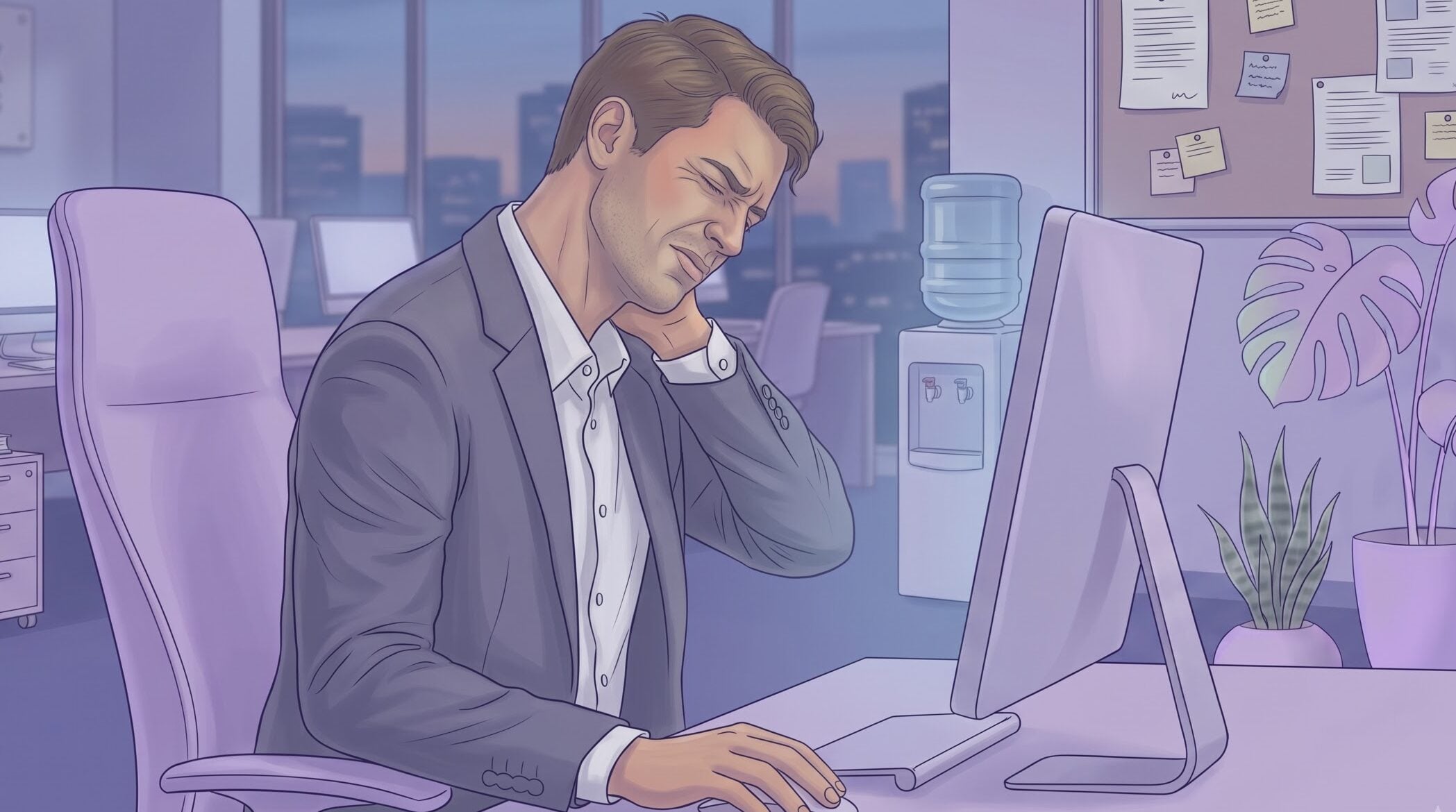
That deep, grinding ache at the base of your skull isn’t a bad night’s sleep or a temporary muscle knot, it’s the sound of bone meeting bone. Every time you turn your head, you get that dry, crunching friction, followed by a heavy headache that makes keeping your eyes open a chore.
It happens silently.
A decade of tilting your head over screens, steering wheels, and books slowly flattens the shock-absorbing discs in your cervical spine. The fluid runs out, the cartilage wears paper-thin, and your body builds tiny bone spurs to brace itself against the collapse.
The result?
A joint that feels locked in rust, turning basic movements into a daily struggle.
What is Cervical spondylosis?
Cervical spondylosis is often described as an age-related issue, mechanically, it is a process of cumulative micro-wear. It develops gradually as daily physical stresses reshape the inner structures of your neck
Why do you get upper neck pain?
The Science of the “Neck Grind”: How Micro-Wear Leads to Stiff Joints
The Cushions Dry Out
Your neck discs start out like fresh, juicy water balloons absorbing every bump. Years of slouched posture and daily wear drain that fluid away. The cushions flatten like dry sponges, bringing your neck bones closer and closer together.[1,2]
Bones Start Rubbing Together
With the main cushions flattened, your head’s weight spills onto the tiny hinge joints behind your neck bones. These small joints aren’t built for heavy loads. Their smooth coating wears down to paper-thin levels until raw bone scrapes against raw bone, creating that gravelly, crunching noise every time you look over your shoulder.[1,2]
Your Body Builds “Rust” to Lock It Down
To stop the wobbly, unstable joints from sliding around, your neck tries to fix itself by dumping extra calcium along the bone edges. It forms tiny knobby growths called bone spurs. They brace the joint, they also snag smooth movement, leaving your neck feeling stiff, locked, and rusty.[1,2]
Signs that you might have Cervical Spondylosis.
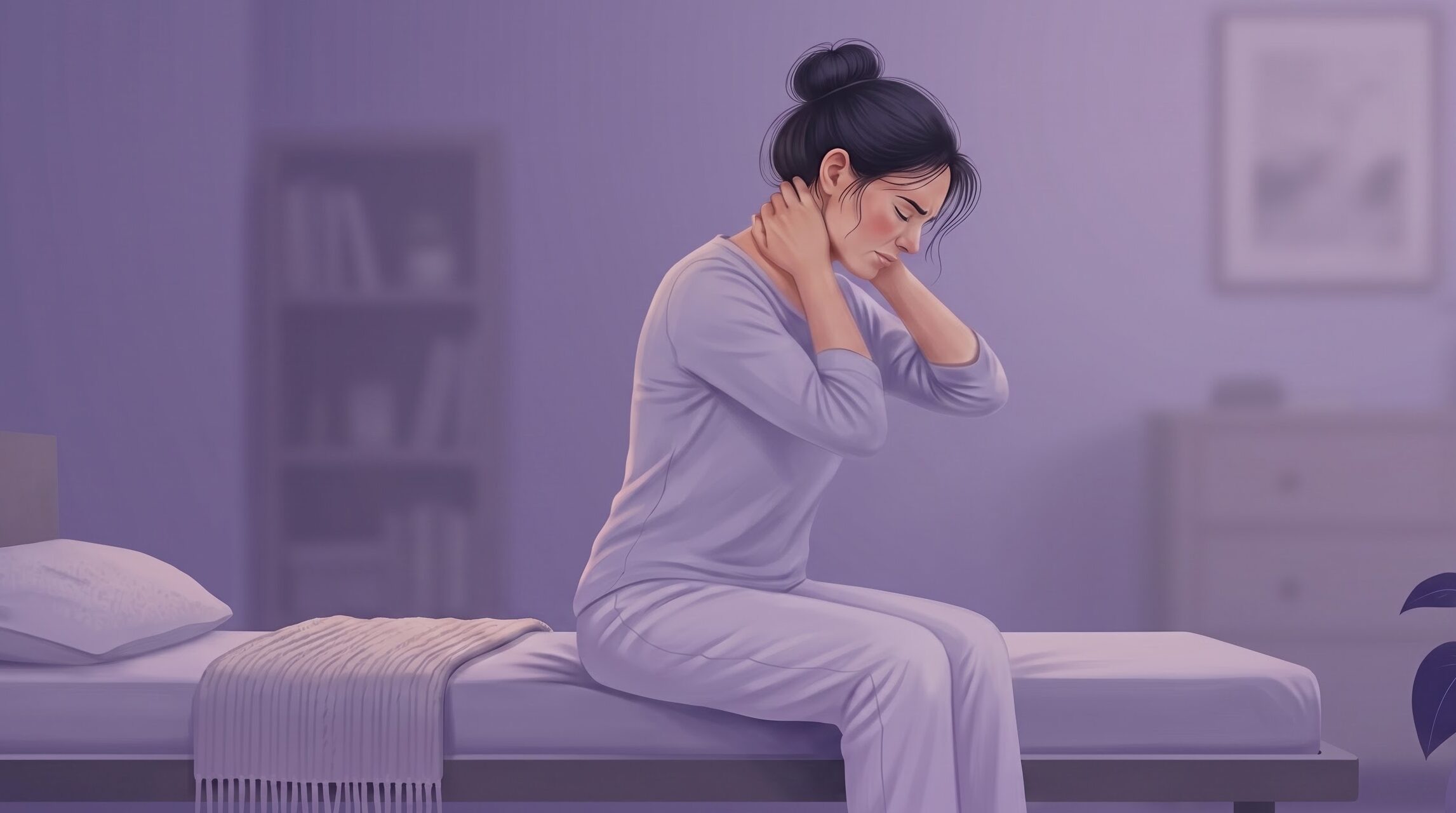
Morning neck stiffness
Waking up with a stiff neck that requires movement or warm water to loosen up is a primary clinical sign of age-related joint degeneration.[3]
Grinding or Popping Sounds
The dry, gravel-like sound heard while rotating your neck or checking blind spots is caused by bone-on-bone friction as cartilage wears thin.[4]
Tension Headaches
Pain at the base of the skull radiating upward occurs when compressed C1–C3 cervical joints and suboccipital muscles irritate the sensory nerve pathways extending over the head.[5]
Radiating Numbness, Tingling, or Electric Zings (Cervical Radiculopathy)
When bone spurs (osteophytes) or bulging discs narrow the neural foramina and compress a spinal nerve root, shock-like pain and tingling travel down the shoulder, arm, or hand.[6]
Why does cervical spondylosis cause neck crunch and ache?
habits that worsen cervical spondylosis at your desk
Looking Down at Screens
Tilting your head down for hours to read texts, scroll social media, or watch videos on your phone or laptop.
Why It Causes Pain: Your head naturally weighs about 10 to 12 pounds. When you tilt it forward at a steep angle, gravity turns that weight into a 60-pound load pulling on your upper spine. That constant pull flattens your spinal discs like crushed foam.[7]
The Desk Slouch
Pushing your chin forward toward a computer monitor as you tire out during the workday.
Why It Causes Pain: When your lower back slumps in a chair, your neck naturally pokes forward to compensate. This jams the small joints at the top of your neck into a tight, pinched angle, grinding the cartilage down.[8]
Carrying Heavy Bags on One Shoulder
Slinging a heavy purse, laptop bag, or duffel over the same shoulder every day.
Why It Causes Pain: To stop the strap from falling off, your body hitches that shoulder up and tilts your neck sideways. This uneven tilt squeezes the joints on one side of your neck while overstretching the muscles on the other.[9]
Prolonged Overhead Reaching & Straining
Looking up for long periods while painting a ceiling, organizing top shelves, or craning over garden beds.
Why It Causes Pain: Bending your head far back squeezes the rear edges of your discs together like pinching a tube of toothpaste, wearing away the joint lining and causing muscle spasms.[11]
Other medical conditions that cause neck grinding
Beyond posture and lifestyle strain, several distinct underlying medical conditions can trigger neck grinding, severe stiffness, or upper spine pain.
Autoimmune Arthritis (Rheumatoid Arthritis & Ankylosing Spondylitis)
Unlike basic wear-and-tear, autoimmune diseases cause your immune system to mistakenly attack the smooth lining of your neck joints.[13]
Herniated or Slipped Discs
The tough outer wall of a neck disc cracks, allowing the gel-like center to bulge outward into the spinal canal.[14]
Past Neck Injuries (Whiplash or Trauma)
Old car accidents, sports collisions, or falls strain the neck ligaments and crack joint cartilage, even if the injury happened years ago.[15]
Spinal Stenosis (Narrowing of the Spinal Canal)
Bone spurs or thickened ligaments physically shrink the central tunnel that houses your spinal cord.[16]
Fibromyalgia & Myofascial Pain Syndrome
Chronic sensitivity in the nervous system causes deep, hyper-irritable knots (“trigger points”) across your upper shoulders and suboccipital neck muscles.[17]
When managing neck grinding and cervical spine wear, relief comes down to breaking the pain-spasm cycle. As joints wear down, surrounding neck and shoulder muscles lock up in a protective spasm, restricting local blood flow and creating persistent tightness.
Betterhood pain relief products, such as the Cryogel Relief & Recovery Patches and Pain Relief & Recovery Roll-On, are designed to manage discomfort, calm muscle spasms, and support recovery during active rehab.
When used before strenuous activities, like prolonged desk work or travel, topical applications help relax tight suboccipital muscles, mitigating posture-induced strain and reducing risk factors for acute flare-ups.
During recovery, they ease localized soreness so you can comfortably complete daily tasks. However, it is vital to understand that these products provide targeted symptomatic relief only; they do not reverse structural joint degeneration, bone spurs, or disc height loss.
Used responsibly alongside your physiotherapist’s prescribed stretching and strengthening routines, these products serve as an effective therapeutic aid, lowering pain barriers so you can perform mobility exercises safely and consistently.
Targeted Betterhood Products for Neck Relief
Betterhood Cryogel Pain Relief & Recovery Patches
Targeted, Long-Lasting Relief Right Where You Need It
Say goodbye to temporary fixes and messy creams. Betterhood Cryogel Pain Relief & Recovery Patches is engineered specifically to tackle deep-seated neck stiffness, grinding joint discomfort, and muscle tightness at the source.
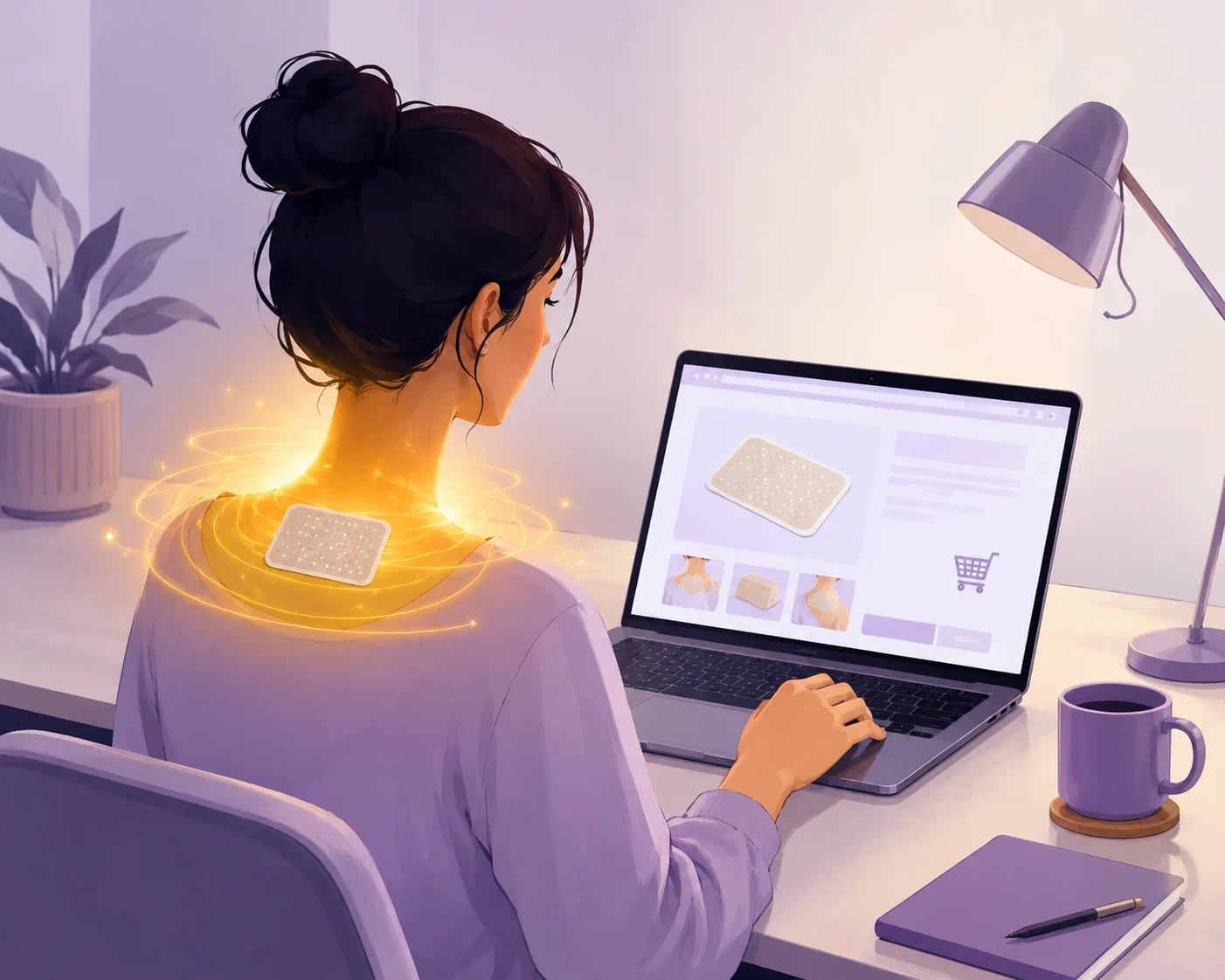
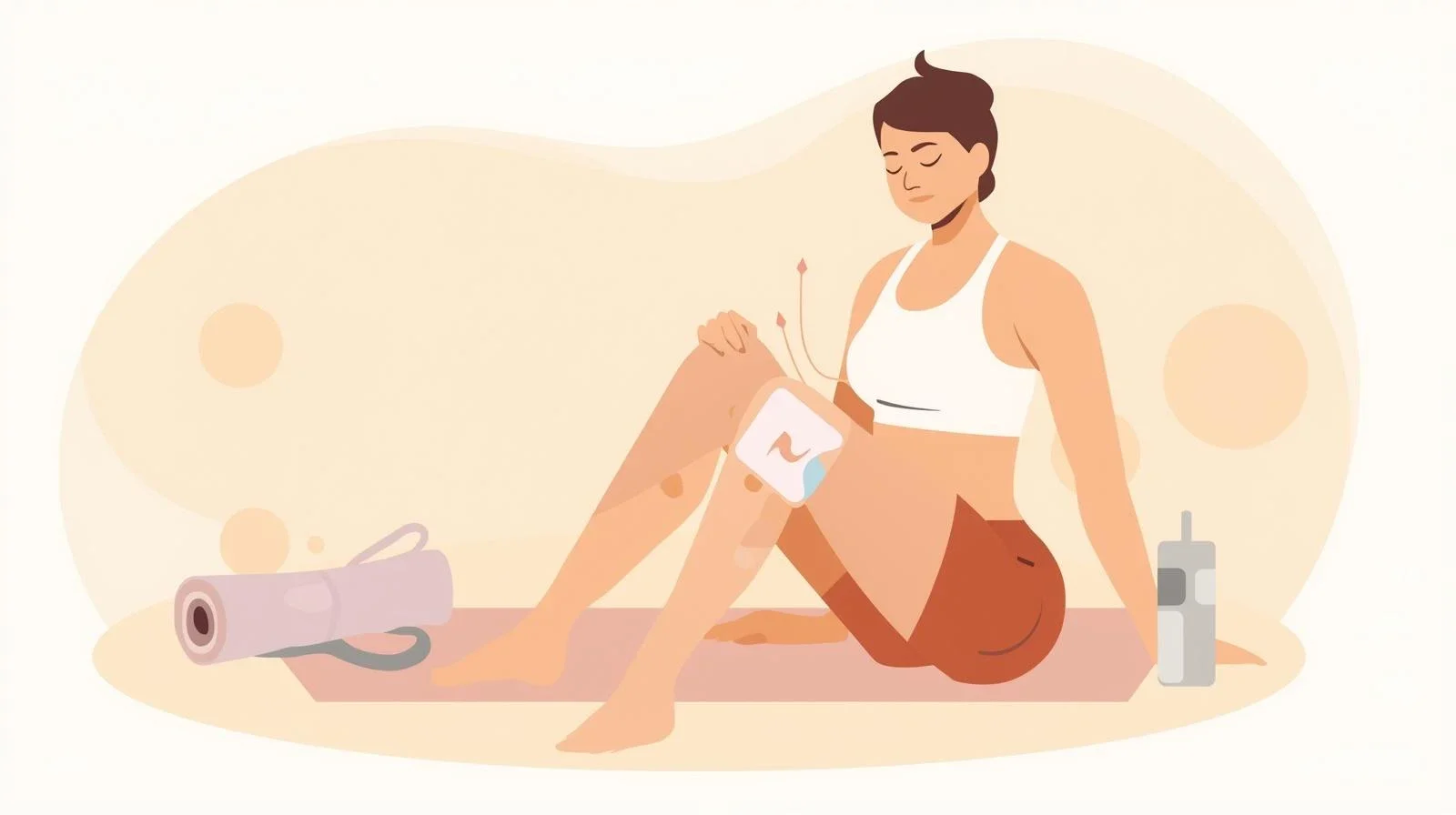
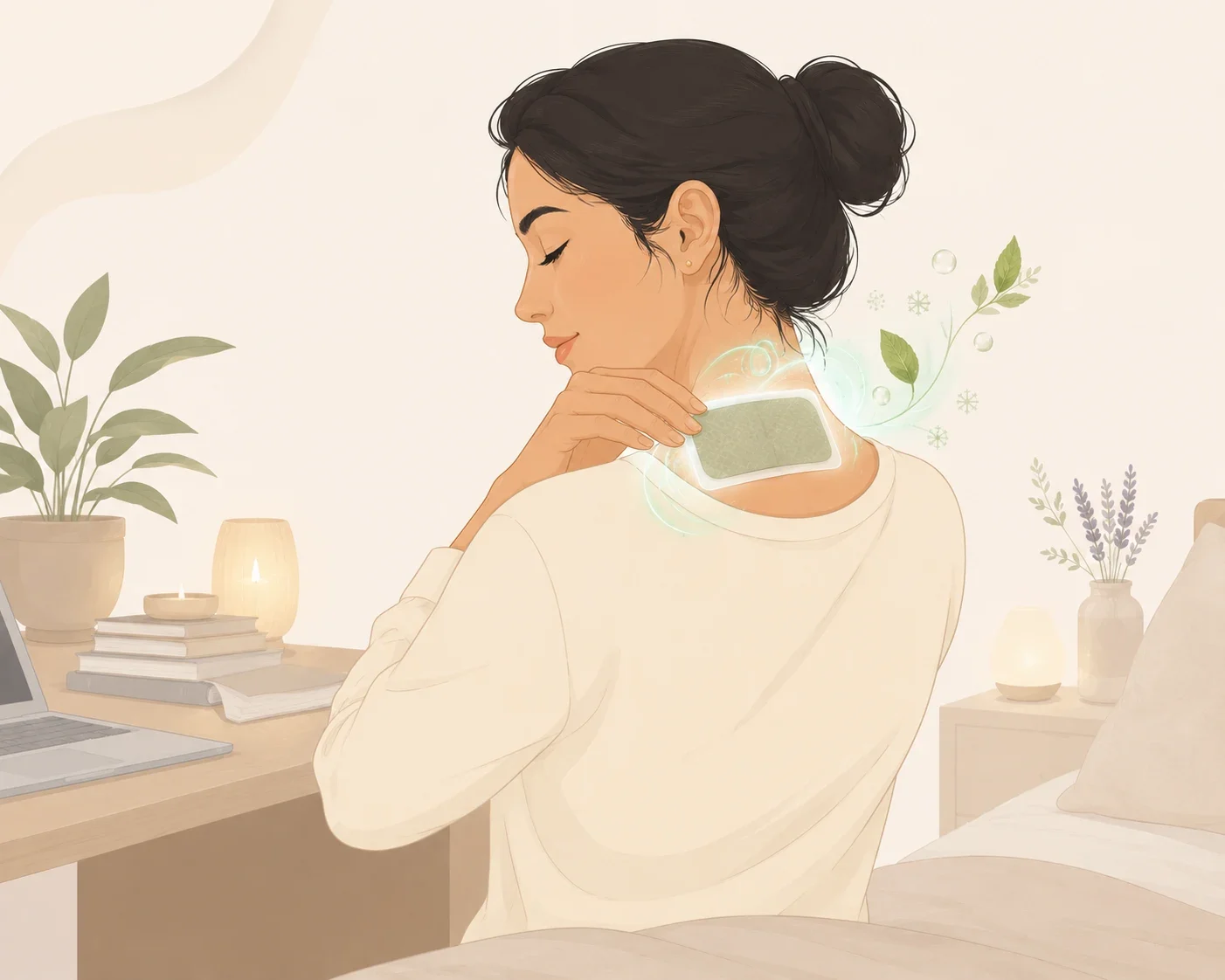
Built with advanced hydrogel technology, these patches adhere comfortably to the contours of your neck and shoulders, delivering sustained cryotherapy relief for up to 8 continuous hours.
Fast-Acting Cryotherapy (Menthol): Provides an immediate, refreshing cooling sensation that intercepts pain signals before they reach your brain, bringing swift relief to throbbing neck aches.
Deep Muscle Relaxation (Plant-Derived Magnesium): Penetrates local tissue to loosen tight, locked-up muscle fibers around the upper spine, breaking the protective muscle spasms caused by joint wear.
Targeted Joint Comfort (Boswellia): A natural botanical compound known for supporting joint mobility, helping ease the friction and grinding sensation associated with daily neck strain.
Betterhood Pain Relief & Recovery Roll-On
On-the-Go Precision Relief for Instant Midday Resets
When neck tightness strikes mid-workday, you need relief that is fast, mess-free, and effective.
Betterhood Pain Relief & Recovery Roll-On combines an advanced, fast-absorbing topical formula with a built-in massage applicator designed specifically for busy daily schedules.
The non-greasy liquid glides smoothly onto skin without leaving sticky residue, making it ideal to keep at your office desk, in your gym bag, or in your car.
Targeted Suboccipital Kneading: The durable rollerball allows you to apply direct, controlled pressure to trigger points right at the base of your skull, physically working out stubborn muscle knots.
Fast-Absorbing Cooling: Active ingredients absorb instantly into localized tissue, triggering a cooling sensation that overrides pain signals while relaxing tight, spastic muscle fibers.
Betterhood Contour Memory Foam Ergonomic Pillow
Designed to align the head, cervical spine, and shoulders in a neutral position while sleeping. Unlike standard pillows that bend your neck into a strain-inducing angle, the ergonomic contour cradle maintains your neck’s natural C-curve, taking pressure off compressed discs overnight.
Best Used For: Preventing “The Morning Lock” and preventing night-time compression on nerve roots.
Maintains the Natural C-Curve: The raised cervical roll fills the hollow arch beneath your neck, keeping your spine in its healthy, natural curve (lordosis) whether you sleep on your back or side.
Decompresses Compressed Discs: By preventing your neck from bending into sharp angles overnight, it removes uneven crushing forces from flattened spinal discs, allowing them to rehydrate while you rest.
Synergistic Relief: Combining Targeted Care with Physical Therapy
When managing cervical spondylosis, combining targeted topical therapies with structured physical therapy creates a powerful synergistic recovery loop. Active treatments like Betterhood’s Hydrogel Patches, Precision Roll-On, and Contour Memory Foam Pillow work by interrupting the pain-spasm cycle, reducing localized inflammation, relaxing tense suboccipital muscles, and enforcing correct spinal alignment overnight.
By calming acute discomfort and preventing overnight mechanical stress, these support tools lower the “pain barrier” that often makes movement difficult. This allows you to perform your physiotherapist’s prescribed neck stretches, chin tucks, and posture-strengthening exercises with greater comfort and a fuller range of motion.
FAQ
Is a grinding or crunching sound in my neck dangerous?
Not always. Occasional popping without pain is usually just gas bubbles escaping joint fluid or tendons sliding over bone. However, when the crunching sound (crepitus) is persistent and accompanied by a dull ache or stiffness, it indicates that joint cartilage has worn thin, causing bone surfaces to rub against each other.[4]
Why does my neck feel worse and completely frozen in the morning?
Overnight, your neck remains motionless for hours, causing fluid inside the joint spaces to settle and surrounding muscles to contract into a protective “guarding” state. Additionally, using non-ergonomic pillows forces the cervical spine into awkward bends, leading to morning joint lock (The Morning Lock).[3]
Do topical creams, patches, and cervical pillows cure cervical spondylosis?
No. Supportive products like hydrogel patches, roll-ons, and ergonomic memory foam pillows provide symptomatic relief by breaking the pain-spasm cycle, improving local blood flow, and preserving neutral spinal alignment. They do not reverse underlying bone or disc wear, but they lower the pain barrier so you can perform physical therapy exercises comfortably.[18]
Can bone spurs in the neck be dissolved or naturally reversed?
No. Bone spurs (osteophytes) are permanent bone growths formed by the body to stabilize a worn joint. However, while the bone spurs themselves cannot be dissolved without surgery, the pain, inflammation, and stiffness they cause can be successfully managed through physical therapy, posture correction, and targeted topical pain relief.[19]
References
- https://doi.org/10.1155/2012/493605
- https://doi.org/10.5535/arm.2012.36.1.98
- (Johns Hopkins Medicine: Cervical Spondylosis Overview)
- (Hospital for Special Surgery (HSS): Spondylosis Symptoms & Crepitus)
- (Cleveland Clinic: Cervical Spondylosis Symptoms)
- (Mayo Clinic: Cervical Spondylosis Symptoms & Nerve Compression)
- (Surgical Technology International: Cervical Spine Stress Assessment)
- (National Institutes of Health: Cervical Spondylosis Mechanics)
- (Cleveland Clinic: Cervical Spondylosis Causes & Risk Factors)
- (Edamanasserry Spine Hospital: Everyday Habits That Worsen Cervical Spondylosis)
- (Mayo Clinic: Cervical Spondylosis Risk Factors)
- https://shop.betterhood.in/products/betterhood-menthol-magnesium-pain-relief-recovery-patches#:~:text=At%20betterhood%E2%84%A2%EF%B8%8F%2C%20we%20redefine%20Pain%20relief%20by,magnesium%2C%20and%20boswellia%2Dto%20cool%2C%20relax%2C%20and%20restore.
- (Arthritis Foundation: Cervical Spine Rheumatoid Arthritis)
- (American Association of Neurological Surgeons: Cervical Herniated Disc)
- (Spine-health: Whiplash and Accelerated Degeneration)
- (Mayo Clinic: Cervical Spinal Stenosis)
- (National Institute of Arthritis and Musculoskeletal and Skin Diseases: Fibromyalgia)
- (American Physical Therapy Association: Neck Care Protocols)
- (National Institutes of Health / PMC: Cervical Spine Biomechanics)
Disclaimer: This content is for informational purposes only and does not substitute professional medical advice, diagnosis, or treatment. Always consult a physician or physical therapist for persistent joint pain.