



Ab workouts are an easy and efficient way to strengthen the core, enhance stability and aid in daily movement. The abdominal musculature is but one part of a larger core system that also includes the hips, lower back and pelvis. Core workouts train these muscles to work as a team, which can enhance balance, steadiness and movement quality, according to Mayo Clinic. [1]
The sure-fire ab routine isn’t all crunches. Crucial core training (plank, bird-dog, dead bug, and controlled crunch variations) can be done along with other muscle-strengthening activity at least two days per week for all major muscle groups including the abdomen; this second recommendation is from the CDC.[2]
What Are Ab Workouts?
There are a variety of ab workouts designed to strengthen your abs and surrounding core muscles. The core stabilizes the spine, supports posture, and facilitates bending, twisting and lifting. According to Harvard Health, core training may enhance posture and reduce low back pain along with making everyday movement a little easier. [1]
Common ab workout movements include:
- Crunches
- Planks
- Side planks
- Dead bug
- Bird-dog
- Leg raises
Core exercises like crunches, planks, bird-dog and side planks are suggested as good options for core strength and stability by both Mayo Clinic and Harvard Health. [1]
Why Ab Workouts Matter
Improve core stability
Core exercises train the muscles in your trunk to work in harmony, creating balance and stability for sport and everyday activity. According to Mayo Clinic, the core stability is a main advantage of doing core training. [3]
Support posture
Having a stronger core means you sit, stand and move with better alignment. According to Harvard Health, core exercises can improve posture and reduce strain when moving. [4]
Help protect the lower back
A strong core supports the spine, thereby potentially reducing the risk of back pain and enhancing control during movement. Harvard Health, in fact, specifically connects core work to improved back health and lower back pain prevention. [4]
Improve daily movement
Because the core muscles stabilize the torso during actions like lifting, twisting and bending, ab workouts assist with these tasks. Strong core muscles make it easier to do physical activity, Mayo Clinic explains. [1]
Best Ab Exercises to Include
Crunches
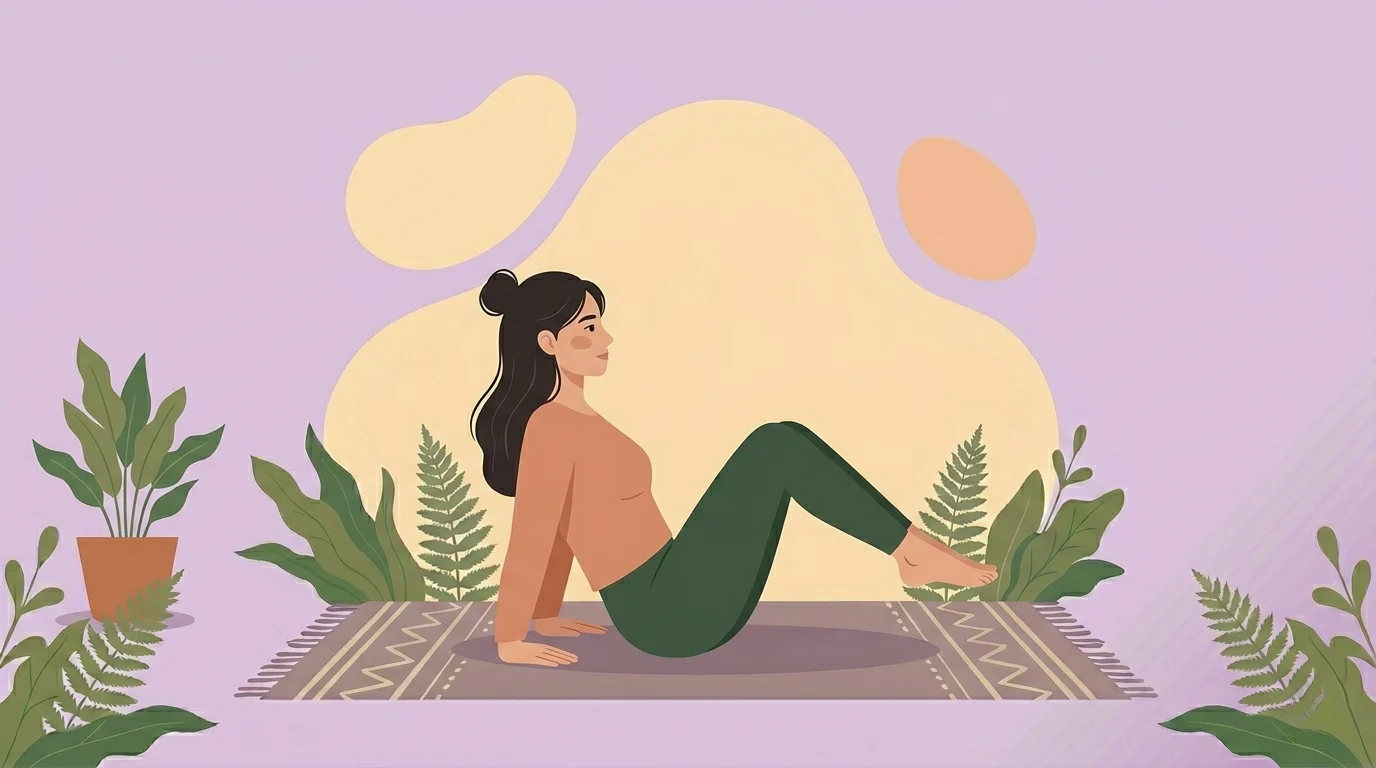
Crunches: A classic abdominal exercise that directly targets the abdominal muscles. Mayo Clinic suggests keeping the movement controlled and sparing the neck. [1]
Plank
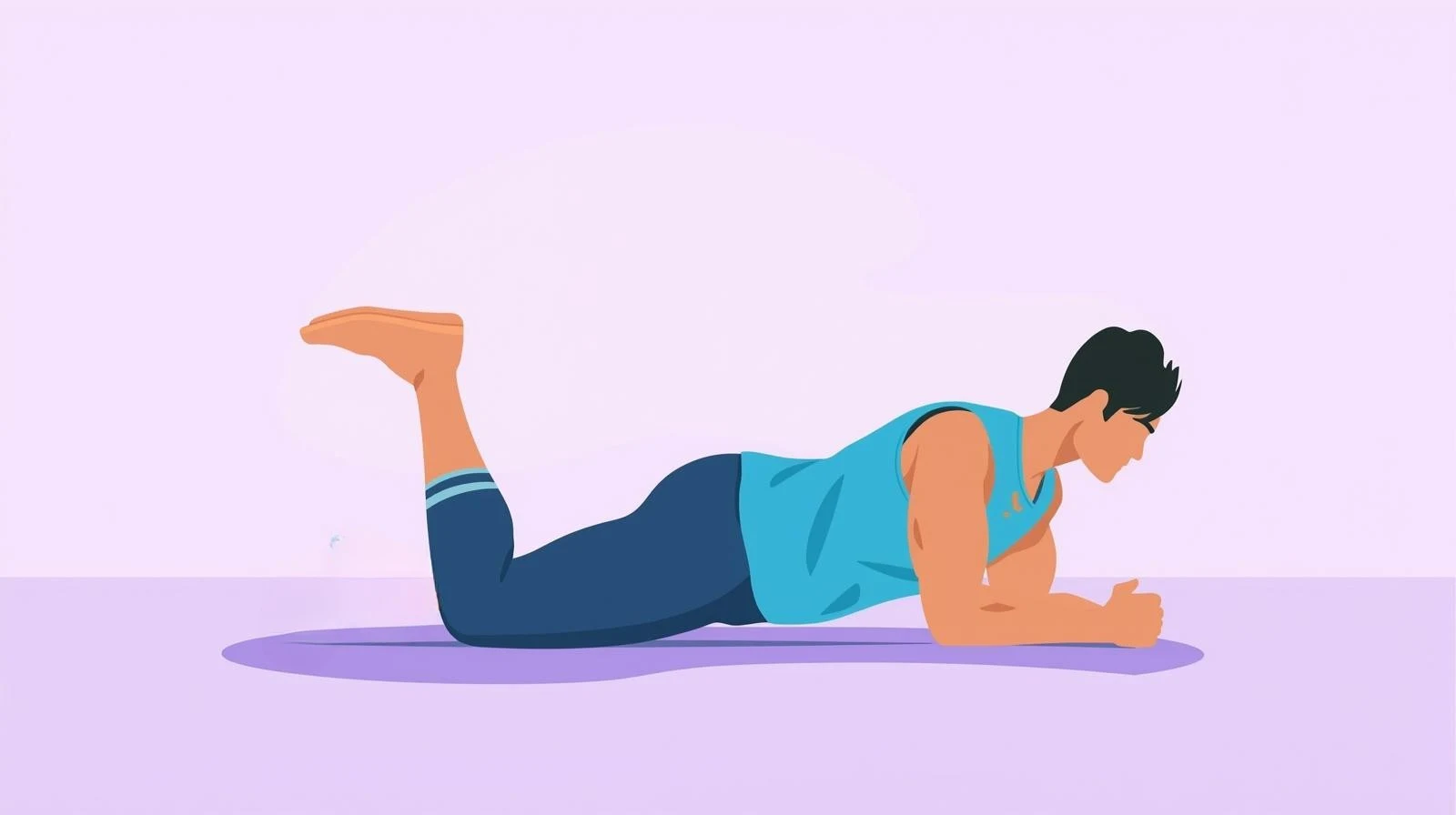
Planks engage the core without repetitive spinal flexion, and they develop abdominal muscle endurance. Planks are a great core exercise, notes Harvard Health, and offers posture cues to do them right. [3]
Side plank
Side planks build the side core muscles and support trunk stability. work features on the core exercise guidance from Harvard Health. [3]
Bird-dog
Bird-dog is commonly applied for enhancing your control of the core and stability of the back. Harvard Health lists it as one of the “big three” spine-supporting exercises. [4]
Dead bug
Functions: Dead bug is a bit of a controlled core exercise, so what we’re doing here is training our abdominal stability while keeping the spine supported. You will see it a lot in core programs that emphasize control and posture. [3]
How to Perform a Good Ab Workout
Start with control
Quality, not speed, is what makes for good work. Being in control of your movement means that the core is engaged when it should be, rather than your neck or lower back. Mayo Clinic’s basic exercise advice stresses form and alignment. [5]
Use a mix of movements
This is why a well-rounded routine should include flexion, stabilization, and anti-rotation type work. That means mixing crunches, yeah, but with planks and side planks and bird-dog instead of doing one just over and over.
Train the core regularly
The CDC physical activity guidelines advise doing muscular strength work at least two days per week, and core training is a great complement to those efforts.
Rest between sessions
Your muscles require recovery time, especially those involved in repetitive core work. Recovery also keeps you in shape for a subsequent workout. It aligns with general strength-training guidelines from the CDC and Mayo Clinic.
Sample Beginner Ab Workout
Warm-Up
- March in place
- Arm circles
- Gentle torso twists
- Cat-cow stretch
Workout
- Crunches to 10 to 12 reps
- Plank to 20 to 30 seconds
- Dead bug to 8 to 10 reps on each side
- Side plank to 15 to 20 seconds on each side
- Bird-dog to 8 to 10 reps on each side
Cool Down
- Child’s pose
- Cobra stretch
- Seated spinal twist
Deep breathing
This type of routine builds the base we need for core strength, stability and movement control without overcomplicating things. Core training is most effective with consistency and general activity. [1]
Strength or Endurance Ab Workouts
Strength-focused core work
Slower repetitions, longer holds and more difficult variations will build stronger core muscles. Core exercises, Harvard Health points out, are about stability and posture as well as visible strength in the abdominal area.
Endurance-focused core work
Longer plank holds, repeated controlled sets or training in the form of circuits keep the core engaged for longer. Both Mayo Clinic and CDC guidance back regular muscle-strengthening activity as part of a balanced fitness routine.
After Ab Workout Recovery Products
Some people use recovery tools after a grueling ab workout, to alleviate transient soreness or prepare for the next training session. These products don’t replace rest or proper exercise form, but they can be handy as part of a recovery regimen.
Pain relief patches
Many musculoskeletal pain conditions are treated with topical pain relief patches, and studies have shown that certain topical analgesic patches can bring effectiveness in selected patients. The evidence is strongest for certain agents among topical NSAID products, and depending on the type of pain, other patch formulations may also provide some relief.
Resistance bands
Resistance bands can be a good tool for warm-ups, mobility and muscle-strengthening protocols. it included in the CDC guidance as a form of muscle-strengthening activity, and there is evidence that they can be effective for strength, flexibility and balance training.
Recovery-friendly add-ons
Some fitness programs incorporate light stretching, walking and mobility work after core training. Both Mayo Clinic and Harvard Health encourage consistency of exercise, gradual progress, and balanced training in addition to focused ab work.
Tips for Safer Ab Workouts
Avoid neck strain
Do not pull on your head, and keep your neck relaxed for crunches. Mayo Clinic in particular recommends putting the arms across your chest and not interlacing them behind your head.
Keep your lower back supported
Pick exercises that allow you to own the movement of the spine and refrain from speed reps; Harvard Health suggests core work like plank, bird-dog and side plank because they help create stability.
Progress gradually
Begin with short holds and basic movements; build time, reps or challenge as you progress. Progressive muscle-strengthening activity is recommended at least twice a week as part of a healthy routine, according to the C.D.C.
Rest when needed
Should you feel that your core is too fatigued then give yourself a break and recover before the next session. In other words, also providing plenty of recovery reflects better long term performance. (Mayo Clinic)
FAQs
Yes, ab workouts are good for your health because they build a strong core that stabilizes your movements and improves overall movement quality when performed consistently.
A good rule of thumb is several days a week, in addition to the C.D.C. ‘s recommendation to include muscle-strengthening activity on two or more days per week.
No, many effective core exercises utilize only body weight: planks; crunches; bird-dog; dead bug.
With good movement habits, stronger core muscles can help to reduce low back strain by supporting the spine.
Some use pain relief patches, cooling topical products or resistance bands for mobility and strengthening workouts related to recovery. These are assistive tools boosters, not substitutes for sleep and adequate training.
Conclusion
Ab workouts are a practical option for building a strong core, enhancing balance and assisting with daily movement. The most effective results are likely to come when crunches, planks, side planks, bird-dog and other guided core movements accompany regular muscle-strengthening activity, with sufficient recovery. If you want a section on recovery in your article, topical pain relief patches, roll-on-style cooling products and resistance bands can be highlighted as supportive tools post-workout. (Mayo Clinic)
References
[ref-1] Mayo Clinic. (2023). Core exercises: Why you should strengthen your core muscles.
https://www.mayoclinic.org/healthy-lifestyle/fitness/in-depth/core-exercises/art-20044751
[ref-2] Centers for Disease Control and Prevention. (2023). Physical activity guidelines for adults.
https://www.cdc.gov/physicalactivity/basics/adults
[ref-3] Harvard Health Publishing. (2023). Want a stronger core? Skip the sit-ups.
https://www.health.harvard.edu/staying-healthy/want-a-stronger-core-skip-the-sit-ups
[ref-4] Harvard Health Publishing. (2022). Exercises to reduce back pain and improve posture.
https://www.health.harvard.edu/pain/core-exercises
[ref-5] National Library of Medicine. (2022). Topical analgesics for muscle pain relief.
https://www.ncbi.nlm.nih.gov/pmc/articles/PMC11556579
[ref-6] American Council on Exercise. (2021). Foam rolling benefits and recovery.
https://www.acefitness.org/resources/everyone/blog/foam-rolling-recovery/