





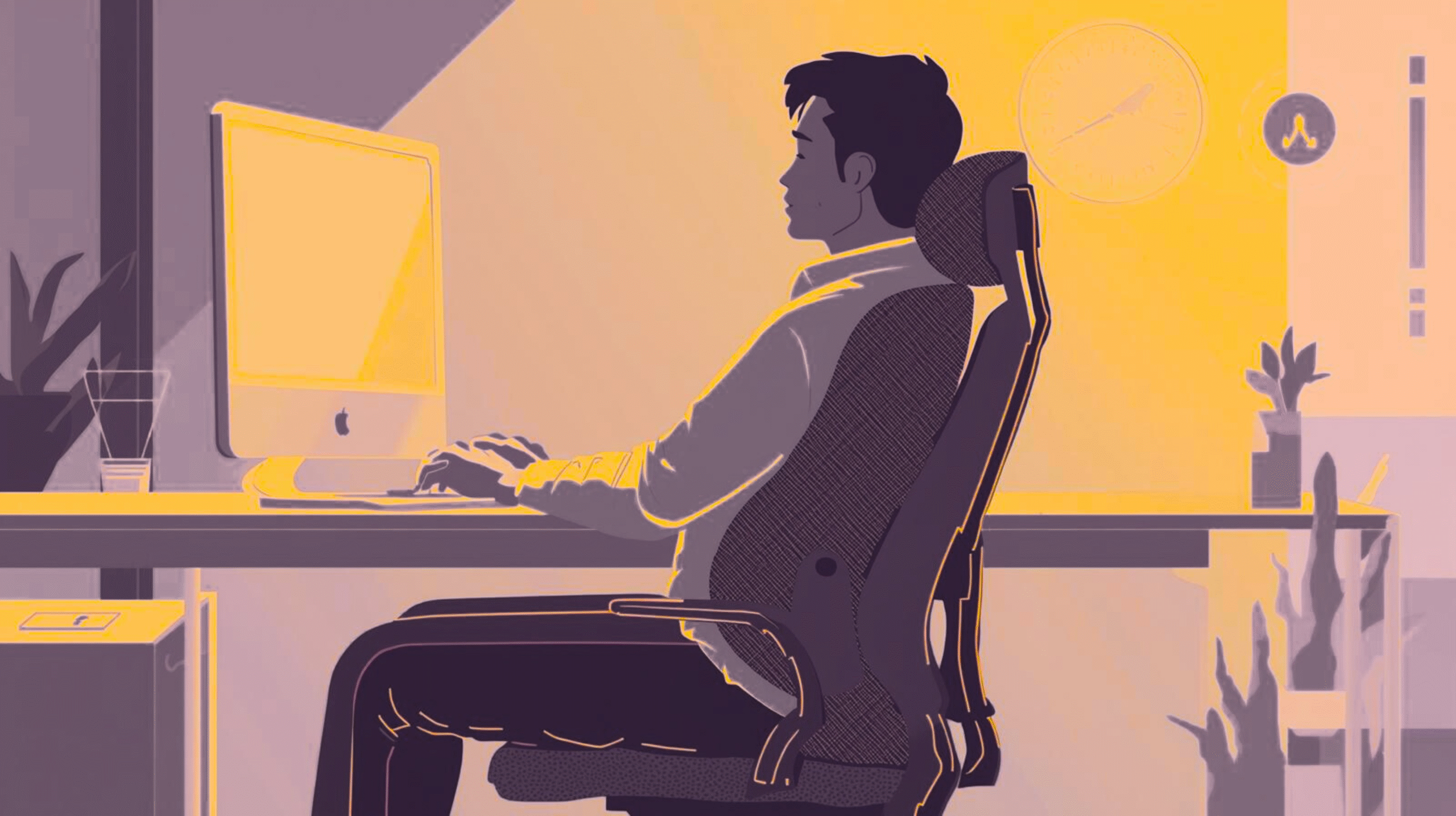
In today’s digital age, prolonged sitting has become a universal challenge. Whether at the office, during long commutes, gaming sessions, or at home working on laptops, people spend hours in a seated position every day. While modern seating solutions offer some comfort, most chairs fail to support the lumbar region, the natural inward curve of the lower back [1]. This lack of support can lead to back strain, postural imbalance, and chronic discomfort over time.
A backrest cushion for lumbar support is specifically designed to address these problems. By filling the gap between the chair and the natural curve of your spine, these cushions prevent slouching, relieve pressure on the lumbar discs, and promote an ergonomic posture. Over time, regular use of a lumbar support cushion can reduce back pain, improve focus, and enhance overall well-being.
Why Back Pain and Posture Problems Are So Common
Sedentary Work Habits
Modern work often requires long hours of sitting at desks, staring at screens, or driving. Maintaining a static posture for extended periods compresses the lumbar discs and weakens core and postural muscles. This constant strain can result in chronic lower back pain, fatigue, and spinal misalignment.
Lack of Ergonomic Seating
Most standard office chairs or car seats do not conform to the natural curve of the lumbar spine. Without proper support, the lower back flattens, muscles overstretch, and the spine loses its ideal alignment. Over time, this can lead to habitual slouching and chronic back discomfort [2].
Common Back Problems from Poor Posture
- Lower back pain: Prolonged compression of lumbar discs causes stiffness and soreness.
- Muscle fatigue: Back muscles overcompensate for the lack of support, resulting in tension and spasms.
- Spinal misalignment: Persistent poor posture alters the natural spinal curvature, potentially causing long-term postural deformities.
Effects on Overall Health
Poor lumbar support does more than just cause discomfort, it affects overall health:
- Reduced blood circulation to the lower extremities, leading to numbness or swelling.
- Increased fatigue, tension headaches, and decreased productivity.
- Greater susceptibility to chronic musculoskeletal disorders such as herniated discs or sciatica.
Understanding Lumbar Support and Its Importance
What Is the Lumbar Region?
The lumbar spine consists of the lower five vertebrae (L1–L5) and has a natural inward curve called lordosis [3]. This curvature is essential for:
- Supporting the upper body weight.
- Maintaining balance and proper spinal mechanics.
- Reducing stress on spinal discs and muscles during movement.
Purpose of Lumbar Support
A lumbar support cushion fills the gap between your lower back and the chair, which naturally occurs due to the spine’s inward curve. By maintaining this curve:
- Spinal flattening is prevented.
- Muscles do not overcompensate for unsupported posture.
- Lower back pressure is reduced, minimizing pain and discomfort.
Ergonomic Science Behind Lumbar Support
Prolonged sitting without lumbar support weakens postural muscles, compresses spinal discs, and leads to poor alignment. Ergonomic lumbar cushions redistribute body weight evenly across the spinal column [4]. This:
- Reduces intervertebral disc pressure.
- Maintains proper spinal alignment.
- Enhances comfort and reduces fatigue during long sitting sessions.
When to Use a Backrest Cushion
Lumbar support cushions are beneficial for:
- Office workers and students who sit for extended periods.
- Drivers and commuters who spend hours on the road.
- Gamers or remote workers maintaining a sedentary posture.
- Elderly individuals or patients recovering from spinal injuries.
Types of Backrest Cushions for Lumbar Support
1. Memory Foam Lumbar Cushion
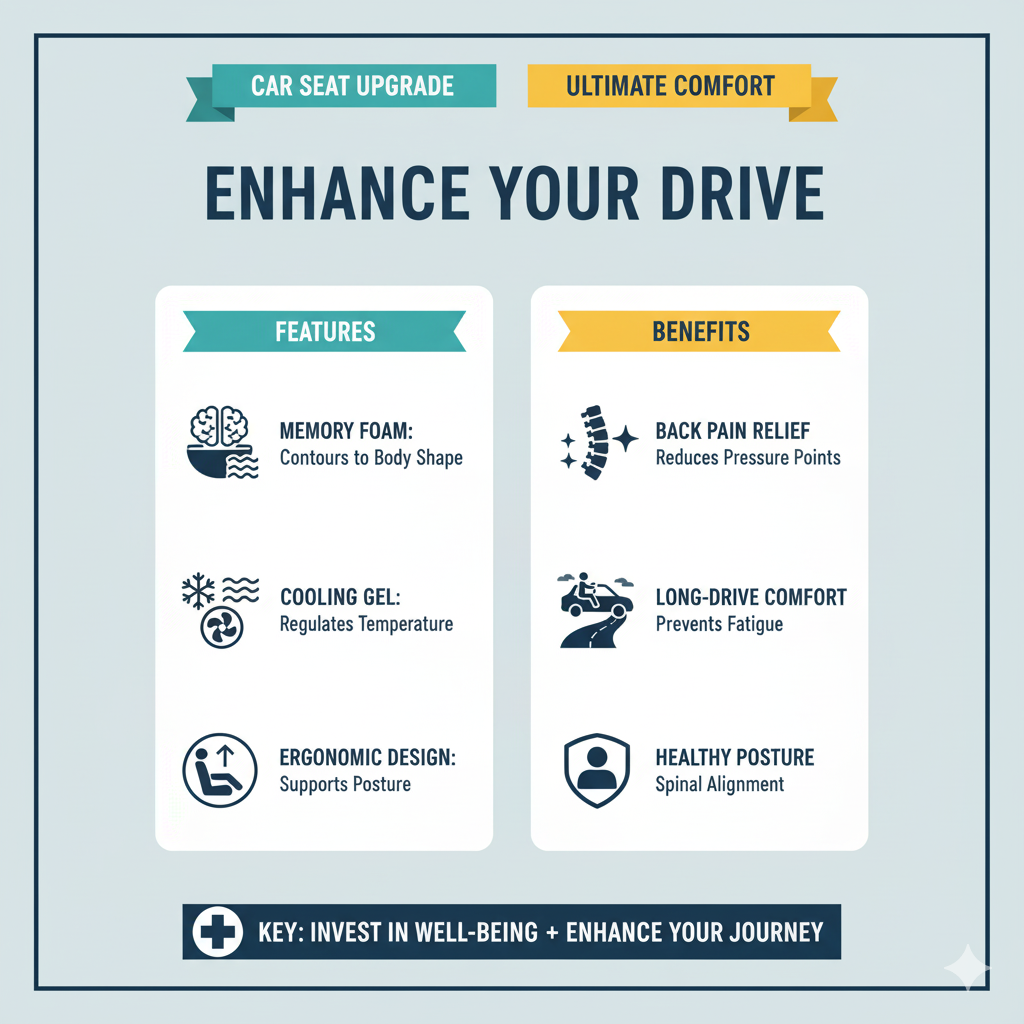
Memory foam cushions contour to the user’s back for personalized support. They relieve pressure points and are durable enough for long-term use. Perfect for office chairs, car seats, and gaming chairs, they maintain comfort during extended sitting sessions.
2. Orthopedic Lumbar Pillow
Orthopedic cushions are doctor-approved and designed with precise ergonomic curves. Ideal for individuals with chronic back pain or postural issues, they provide medical-grade support to aid spinal rehabilitation and prevent further injury.
3. Mesh Backrest Cushion
Made from breathable mesh material, these cushions prevent heat buildup and improve ventilation [5]. Lightweight and flexible, they are suitable for hot climates, long sitting hours, and travel or office use.
4. Adjustable Lumbar Support Cushion
These cushions come with straps or buckles to adjust height and position. Adjustable models allow placement at the exact lumbar level, providing customized comfort and ensuring proper spinal alignment.
5. Gel or Cooling Cushions
Gel-infused cushions combine memory foam support with cooling properties. They prevent sweat and heat buildup, making long work or driving sessions more comfortable, particularly in warmer environments.
Benefits of Using a Backrest Cushion
Using a backrest cushion for lumbar support provides a variety of health, comfort, and productivity benefits. Here’s a detailed breakdown:
1. Reduces Back Pain and Muscle Strain
Lumbar cushions provide continuous support to the lower back, preventing the spine from flattening during prolonged sitting [6]. This reduces stress on intervertebral discs and back muscles. People with chronic pain, sciatica, or postural issues often notice significant relief. By distributing pressure evenly across the lumbar region, cushions reduce fatigue and prevent muscle spasms caused by overcompensation.
2. Improves Posture Alignment
A cushion encourages upright sitting by supporting the spine’s natural curve. Over time, it helps correct slouching habits and forward-head posture, which are common in office and digital lifestyles. This improved alignment reduces strain on the neck, shoulders, and upper back, contributing to better overall posture.
3. Enhances Comfort and Productivity
Comfortable seating directly impacts focus and performance. With proper lumbar support, individuals can maintain a relaxed, balanced posture for long periods without discomfort. Office workers, students, and gamers often find that sustained concentration improves when they are no longer distracted by back aches.
4. Boosts Circulation and Energy Levels
Poor posture compresses blood vessels and nerves in the lower body, leading to numbness, tingling, and fatigue. Lumbar cushions help maintain proper spinal alignment, reducing compression and allowing optimal blood flow. This keeps energy levels higher and prevents discomfort from prolonged sitting.
5. Long-Term Spinal Health
Consistent use of a lumbar cushion can prevent chronic musculoskeletal disorders. It reduces the risk of herniated discs, scoliosis, and persistent back fatigue. For those with pre-existing conditions, it supports rehabilitation and helps maintain proper spinal mechanics over time.
How to Choose the Right Backrest Cushion for Lumbar Support
Choosing the right cushion depends on your lifestyle, seating environment, and health needs. Here are the key factors to consider:
Identify Your Needs
- Office workers: Medium-firm memory foam cushions provide full-day comfort and support.
- Drivers: Compact, adjustable cushions fit car seats and allow proper lumbar alignment during long commutes.
- Home users: Plush ergonomic cushions are ideal for relaxation, reading, or casual desk use.
Understanding the duration of use and the type of chair is critical to selecting the right cushion.
Check Material and Density
- Memory foam: Conforms to your spine for personalized support; ideal for extended use.
- Mesh fabric: Lightweight and breathable, prevents heat buildup.
- Gel-infused foam: Maintains a cooler back environment, reducing sweating during long sitting sessions.
The density of the foam also affects comfort, high-density foam provides firmer support, while medium-density foam balances comfort and support.
Consider Cushion Design and Shape
Contoured or curved cushions provide targeted lumbar support. Some models feature “wings” to stabilize the sides of the torso and promote shoulder alignment. Wedge-shaped cushions slightly tilt the pelvis forward, enhancing posture and reducing pressure on the lower back.
Adjustability and Fit
Straps, buckles, and adjustable heights ensure the cushion fits various chairs securely. Portable cushions are convenient for travel or multipurpose use across office chairs, car seats, or home seating.
Maintenance and Durability
- Removable covers make cleaning simple and maintain hygiene.
- High-resilience foam retains its shape even after prolonged use, ensuring long-lasting support.
- Durable cushions reduce the need for frequent replacements, saving costs over time.
Health and Safety Certifications
Opt for cushions certified by orthopedic specialists or ergonomics institutes. Ensure materials are hypoallergenic and non-toxic, especially for long-term use or for individuals with allergies [7].
Proper Usage and Posture Practices
Even the best lumbar cushion will not provide maximum benefits without proper usage. Here’s a step-by-step guide:
1. Correct Cushion Placement
Place the cushion at the inward curve of your lower back. Avoid positioning it too high, which would only support the mid-back [8]. The ideal placement ensures your spine maintains its natural lordosis.
2. Daily Usage Recommendations
- Start with 30–60 minutes per day and gradually increase as your muscles adapt.
- Use the cushion during office work, long drives, gaming, or study sessions.
- Avoid sitting for hours without breaks, even with lumbar support, regular movement is necessary.
3. Combine with an Ergonomic Setup
- Adjust chair height so knees are at a 90° angle, with feet flat on the floor.
- Monitor should be at eye level to prevent neck strain.
- Keep elbows close to the body, and consider using a seat cushion to align pelvis and spine.
4. Complementary Exercises
- Stretching: Hamstrings, hip flexors, and lower back muscles.
- Strengthening: Core and glute exercises like planks, bridges, and pelvic tilts.
- Movement breaks: Stand or walk for a few minutes every hour to reduce stiffness and improve circulation.
5. Maintenance and Care
- Wash removable covers every 1–2 weeks.
- Air dry cushions; avoid direct sunlight or machine drying, which can deform foam.
- Replace every 12–18 months for optimal firmness and continued support.
Conclusion
Incorporating a backrest cushion for lumbar support into your daily routine can significantly enhance comfort, improve posture, and alleviate back pain. By understanding the types of cushions available and selecting the one that best fits your needs, you can ensure long-term spinal health and well-being.
Looking for more health and wellness solutions? Don’t miss these related guides:-
Frequently Asked Questions
1. What is a backrest cushion for lumbar support, and how does it work?
It is a cushion designed to fit the natural inward curve of the lower back. By filling the lumbar gap, it reduces muscle strain, supports spinal alignment, and alleviates pressure on discs.
2. Can lumbar support cushions help reduce chronic lower back pain?
Yes. Consistent use can relieve pressure on the lumbar spine, improve posture, and reduce strain-related pain.
3. Which material is better: memory foam or mesh?
Memory foam offers personalized support and pressure relief, while mesh cushions are breathable and lightweight. Gel-infused foam combines both comfort and cooling.
4. How should I position a backrest cushion on my chair?
Align the cushion with the inward curve of the lower back. Straps can secure it in place, and it should not be too high or low.
5. Can I use the same cushion for office work and driving?
Yes. Portable, adjustable cushions are designed to fit multiple chairs and seats for both office and car use.
References
- betterhood. (2025, May 20). The science behind ergonomic lumbar cushions. Retrieved from https://betterhood.in/learn/science-behind-ergonomic-lumbar-cushions/
- Everlasting Comfort. (2020, November 3). Is memory foam good for lumbar support? Retrieved from https://everlastingcomfort.com/blogs/comfy-reads/lumbar-support-2
- Everlasting Comfort. (2020, October 25). Here are 4 reasons why you need a back gel cushion. Retrieved from https://everlastingcomfort.com/blogs/comfy-reads/back-gel-cushion
- The Cushion Lab. (2021, May 25). 3 benefits of a back support pillow according to chiropractors. Retrieved from https://thecushionlab.com/blogs/back-pain/back-support-pillow
- Performance Health. (n.d.). Mesh back cushion – lumbar support. Retrieved from https://www.performancehealth.com/mesh-back-cushion
- Mayo Clinic Store. (n.d.). Nova Happy Back Gel Cushion. Retrieved from https://store.mayoclinic.com/nova-happy-back-gel-cushion.html
- Autonomous. (2024, May 27). Are mesh back office chairs with lumbar support good? Retrieved from https://www.autonomous.ai/ourblog/are-mesh-office-chairs-with-lumbar-support-good-for-your-back
- Upright Technologies Ltd. (n.d.). Ergonomic lumbar pillow. Retrieved from https://store.uprightpose.com/products/ergonomic-lumbar-pillow