






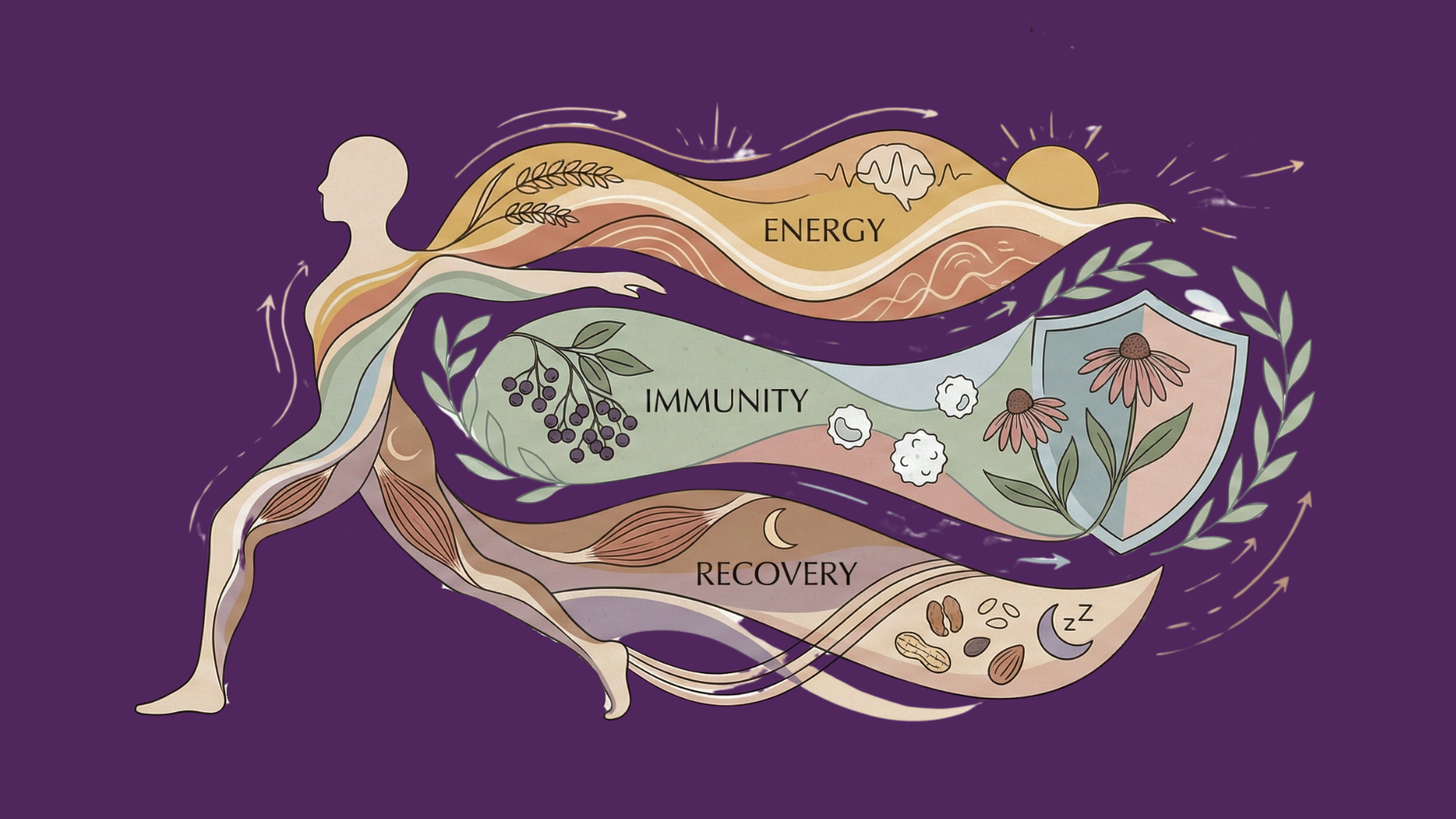
Food is a conversation often conducted in extremes. Eat less. Cut carbs. Avoid fat. Count calories. But the body doesn’t do well with deprivation. It thrives on balance.
A truly balanced diet serves more than just your hunger. It powers your energy for the day, builds up your immune system so you get sick less often, and supports recovery so your body can actually repair itself after stress, workouts, long hours on the job or even bad posture and interrupted sleep.
Every time you dance, speak, see, digest food, heal or rest nutrition plays a role. Muscles rely on it to repair. Hormones need it to remain balanced. Your immune system needs nutrients to respond when fighting an infection. But your nervous system needs enough fuel to keep calm and be responsive.
That’s why balance is much more important than perfection. A balanced diet operates unobtrusively in the background, helping to maintain daily function and long-term health without imposing strict rules or smothering control.
In this guide, we will unpack the 4 building blocks of a balanced diet and how they contribute to long-lasting energy, immune resilience and efficient recovery (especially for those living today’s modern yet frequently sedentary or highly stressed lifestyle). Subtle lifestyle factors including sleep quality, posture and recovery habits also play a part, because nourishment doesn’t end at bland chow.
Macronutrients and their role in daily energy and recovery
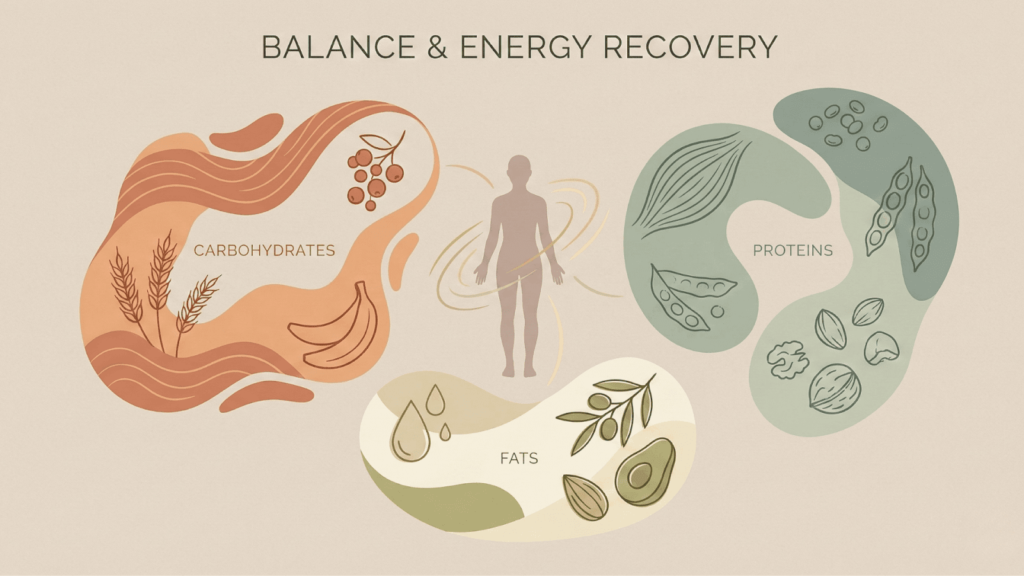
Macronutrients are the types of nutrients that you need in the largest amounts: carbohydrates, proteins and fats. Both play a separate, and non-interchangeable role in maintaining the maintenance of the body working properly.
1. Carbohydrates: Primary Energy for Body and Brain
Carbs are your body’s favourite source of energy. When digested they become glucose, the body’s primary fuel for muscles during activity and the brain for most of the day.
Sufficient carbohydrates are also important to help prevent premature fatigue, mental fuzziness, and irritability. The brain consumes ~20% of the total body’s energy at rest and carbs are crucial for focus, memory, and mood regulation [1].
Lines down’ or irregular carbohydrate consumption leads to sluggish training, lack of ability to concentrate and irregular sleeping patterns. Whole-food carbohydrate options like fruit, vegetables, whole grains and legumes provide more than just energy; they also offer fiber, antioxidants and micronutrients that help boost gut health and the immune system.
Balanced carbohydrates also influence cortisol levels which is important for stress relief and recuperation.
2. Proteins: Repair, Strength, and Immune Defense
Protein provides amino acids, the building blocks used for repairing tissues, which also help keep your muscle mass up and keep producing enzymes, hormones and immune cells.
Routine activities such as walking, sitting, working at a desk, even exercising, lead to low levels of muscle breakdown. Protein helps the body grow such tissues back stronger and more resistant. [2]
For example, sufficient protein intake is also important for supporting your immune system by aiding in the production of antibodies and immune signaling molecules. Protein requirements may therefore be slightly elevated under conditions of stress, infection and poor sleep as the body has to work harder to maintain equilibrium.
Better absorption and more efficient muscle protein synthesis can be achieved by consuming equal amounts of protein throughout the day and across meals. Lentils, dairy products, eggs, fish, meat and poultry as well as nuts and seeds are some examples of whole foods that should be the base of your diet while supplements should only be used if there is no other option.
3. Healthy Fats: Hormonal Balance and Inflammation Control.
Fats are also a necessary component of the diet to help manufacture hormones and maintain the integrity of cell membranes for proper absorption of fat-soluble vitamins (A, D, E and K).
Good fats such as omega-3 fatty acids help control inflammation and promote joint, brain, and heart health [3]. This is particularly relevant for sedentary individuals and those with joint stiffness or repetitive movements.
Incorporating sources such as olive oil, nuts, seeds, avocados and fatty fish helps with long term recovery and tissue repair. Fats are also satiating which helps to avoid energy slumps, and keeps you free from excessive snacking.
Micronutrients That Support Immunity and Recovery
Micronutrients are often needed in smaller dosages but they’re involved in a number of immune and recovery-based processes. Unseen, lacks can hamper healing, cause fatigue and lead to a softening of immune defenses.
1. Vitamins A, C, and D
- It controls immune cell differentiation, and confers protection against the loss of defense as it plays an essential role in the formation and preservation of integrities skin and mucosal barriers as a front line for the body [4].
- Vitamin C is an important cofactor in immune signaling and collagen formation. It also acts as an antioxidant, scavenging peroxides and free radicals generated during sickness or exercise [5].
- Vitamin D is essential for maintaining immune regulation, muscle activity and bone health. Vitamin D deficiency is known to be related with a higher risk for infection and poor recovery [6].
2. Minerals: Zinc, Iron, and Magnesium
- Zinc contributes to immune defense Wound recovery and protein synthesis. Even relatively low levels of deficits can impair immune resistance [7].
- Oxygen transport and energy production depend on iron. Iron deficiency may be associated with fatigue, generalized weakness and decreased exercise tolerance especially in menstruating individuals [8].
- Magnesium is involved in muscle relaxation, nerve function and sleep quality. Sufficient magnesium supports recovery through the ability to decrease muscle tension and encourage restful sleep [9].
Hydration and Electrolyte Balance for Optimal Function
Water is an underappreciated nutrient, but one that participates in nearly every body process.
Daily Fluid Needs
Water is crucial for digestion, circulation, temperature control and transporting nutrients. Mild dehydration can already damage cognitive function and endurance [10].
Your requirements will largely depend on how active you are, the heat of your environment and your own physiology.
Water; Although water is the best choice for hydration, sodium and potassium are also critical, especially if you’re sweating or exercising long periods of time.
Signs of Dehydration
Some of the common symptoms include excessive fatigue, headaches, dry skin, muscle cramps and an inability to concentrate. Persistent mild dehydration may retard recovery and increase the perceived exertion of daily activities.
Encouraging hydration consistently throughout the day ensures that the body is recovering effectively and maintaining joint lubrication, which is particularly beneficial if you have issues with stiffness or posture-related discomfort.
Meal Timing and Recovery Nutrition
When you eat has nearly the same impact as what you eat, especially for energy regulation and recovery.”
Pre-Workout Nutrition for Sustained Energy
Consuming a combination of carbohydrates and protein in snack or meal form before you exercise will help to stabilize your blood sugar levels and performance. This is true not just of workouts, but also long days at the office or any kind of physical work.
Post-Workout Meals for Tissue Repair
The post-exercise feeding helps in muscle repair and stocking of glycogen pool. Combining protein with carbs within a few hours of exertion promotes recovery and alleviates soreness [11].
Evening Foods for Rest and Repair
Evening meals should aid in relaxation, not stimulation. Consider adding a nutrition bar that contains protein, complex carbohydrates and magnesium-rich foods to support better sleep and overnight recovery.
Most of the physical repair happens when you have quality sleep. By supporting the body nutritionally, coupled with a comfortable sleep position and good spinal alignment, allows recovery to begin.
Signs of an Unbalanced Diet and Poor Recovery Support
Sometimes an unbalanced diet doesn’t affect you dramatically. It frequently appears as mild pain that’s persistent.
Persistent Fatigue
Fatigue in the presence of adequate sleep can indicate poor energy intake or deficiencies in micronutrients.
Slow or Incomplete Recovery
Unrelenting soreness, stiffness, or nagging aches might mean you’re not getting enough protein, hydration, or anti-inflammatory nutrients.
Frequent Illness
Frequent infections or an extended duration of recovering from illness can be the result of deficient immune support through those nutrient deficiencies.
When a person remains symptomatic, nutrition should be assessed in conjunction with lifestyle factors such as sleep quality, posture habits and daily movement.
Conclusion: A Balanced Diet Supports Long-Term Health and Recovery
A healthy diet is not about being perfect or following application trends. It’s providing your body with steady access to the nutrients it needs to operate, defend itself and repair.
The body is stronger when energy, immunity and repair are supported by nutrition. Daily stress feels more manageable. Recovery becomes more efficient. Movement feels easier. Sleep becomes deeper.
Wellness is made in the small things, decisions day by day to encourage comfort, alignment and sustainability. When food and recovery habits meet supportive environments, the body is better poised to react to real life, not just ideal circumstances.
Explore More Health & Wellness Solutions:
Would you like to be up-to-date on everyday health and wellness issues? Here are some interesting pieces to help you. Follow the links below if you want practical tips or solutions:
- What Causes Back Pain? Understanding Root Triggers & Prevention Tips
- 10 Effective Home Remedies for Body Pain Relief Naturally
- Wrist Support Braces Explained: Protocols for Pain Relief
- Pillow for Neck Pain: Best Contour Pillow Every Side Sleeper Needs
References
- Clarke, H. F., & Sokoloff, L. (1999). Circulation of nutrients and energy in the brain. In M. E. Raichle & B. E. Sokoloff (Eds.), Basic neurochemistry: Molecular, cellular and medical aspects (6th ed., pp. 637–670).https://pmc.ncbi.nlm.nih.gov/articles/PMC5959031/
- Phillips, S. M., & Van Loon, L. J. C. (2011). Dietary protein for athletes. Journal of Sports Sciences, 29(S1), S29–S38. https://doi.org/10.1080/02640414.2011.619204
- Calder, P. C. (2017). Omega-3 fatty acids and inflammatory processes: From molecules to man. Biochemical Society Transactions, 45(5), 1105–1115. https://doi.org/10.1042/BST20160474
- Stephensen, C. B. (2001). Vitamin A, infection, and immune function. Annual Review of Nutrition, 21, 167–192. https://doi.org/10.1146/annurev.nutr.21.1.167
- Carr, A. C., & Maggini, S. (2017). Vitamin C and immune function. Nutrients, 9(11), 1211. https://www.mdpi.com/2072-6643/9/11/1211
- Aranow, C. (2011). Vitamin D and the immune system. Journal of Investigative Medicine, 59(6), 881–886. https://doi.org/10.2310/JIM.0b013e31821b8755
- Prasad, A. S. (2008). Zinc in human health. Molecular Medicine, 14(5–6), 353–357. https://doi.org/10.2119/2008-00033.Prasad
- Haas, J. D., & Brownlie, T. (2001). Iron deficiency and reduced work capacity. Journal of Nutrition, 131(2S-2), 676S–688S. https://doi.org/10.1093/jn/131.2.676S
- Abbasi, B., et al. (2012). The effect of magnesium supplementation on insomnia. Journal of Research in Medical Sciences, 17(12), 1161–1169. https://www.ncbi.nlm.nih.gov/pmc/articles/PMC3703169/
- Popkin, B. M., et al. (2010). Water, hydration and health. Nutrition Reviews, 68(8), 439–458. https://doi.org/10.1111/j.1753-4887.2010.00304.x
- Ivy, J. L., Goforth, H. W., Jr., Damon, B. M., McCauley, T. R., Parsons, E. C., & Price, T. B. (1998). Early postexercise muscle glycogen recovery depends on electrolyte availability. Journal of Applied Physiology, 85(5), 2047–2054.https://www.zeropointonept.com/functional-longevity-health-fitness/how-to-fu


