




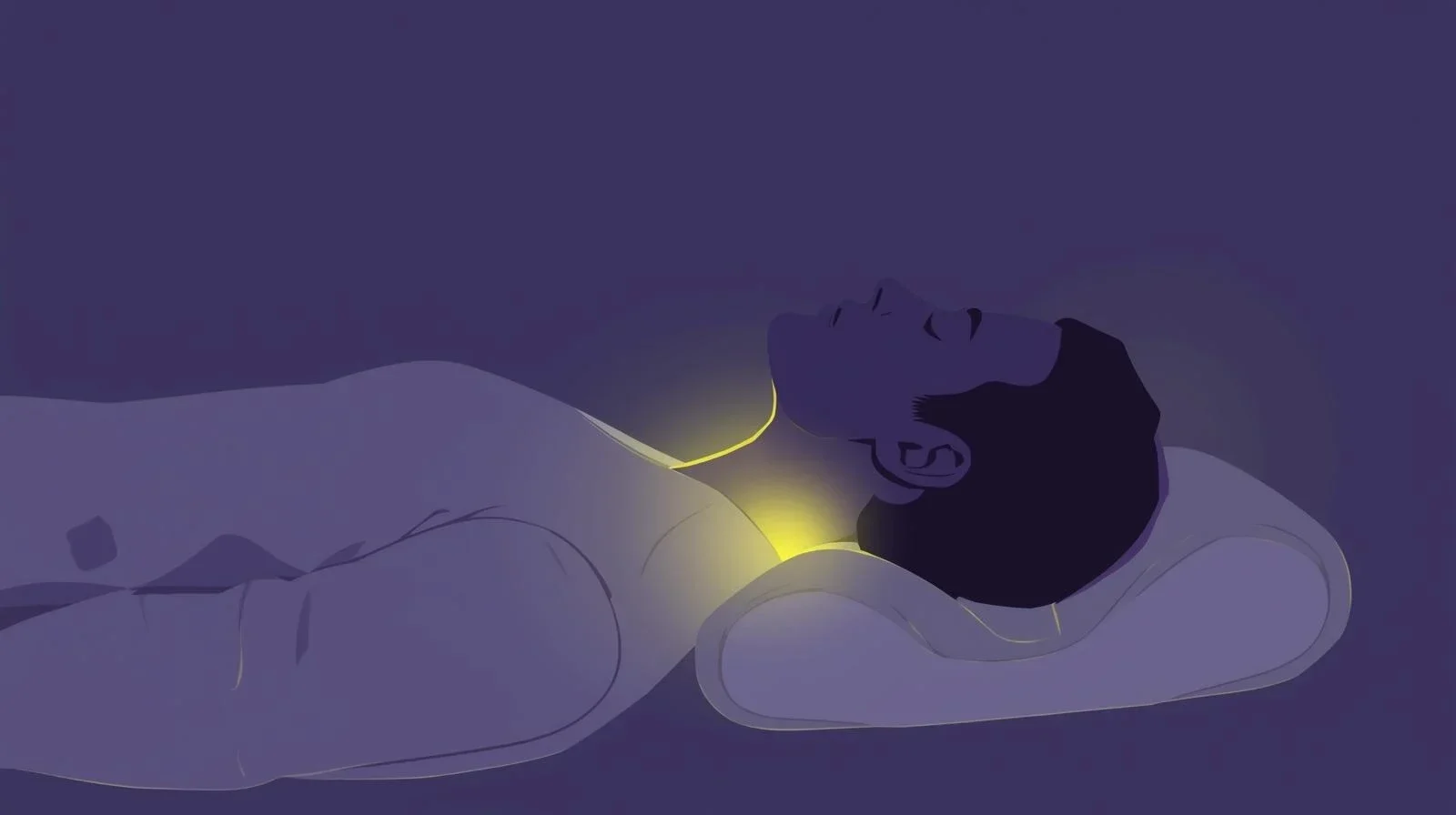
Sleep is not just a period of rest but a vital biological process in which the body repairs tissues, consolidates memories and clears neurotoxins. But the pursuit for restorative sleep is constantly derailed by chronic neck pain, stiffness and tension headaches for millions. But it is not the mattress, often it is the pillow.
In an age of staring at smartphones and laptops for hours on end, getting “tech-neck” is putting our cervical spines under more tension than ever. This is where the Contoured Neck Support Pillow comes in. However, unlike flat pillows which get squashed to a pancake under the weight of the head, a contoured pillow is designed to replicate nature by mimicking the natural alignment of the human spine and serves as an aide to help with posture whilst sleeping.
Understanding the Anatomy of Sleep
In order to fully understand (a) why a contoured pillow is necessary, here is a brief explanation of the anatomy of the cervical spine. The neck is made of seven very small vertebrae (C1 to C7) that create a natural inward curve called lordosis. This curve is important to help disperse the weight of the head, which weighs between about 10 to 12 lbs.
If you sleep on a surface that doesn’t maintain this curve, the muscles in your neck and upper back remain “on” all night fighting to keep the spine stabilized against gravity. There is therefore a series of physiological problems.
Muscle Ischemia: The long contraction of the levator scapulae and trapezius muscles limits blood flow. Extra metabolic waste builds up, resulting in soreness.
Nerve Impingement: When the spine is not properly aligned, it can pinch delicate nerve roots that exit through the spinal column causing radiculopathy (numbness or “pins and needles” in the arms and hands)
Vascular restriction: Static tension in the muscles can compress the vertebral arteries (bundled with other arterial and nervous systems), supplying blood to the brain, often leading to headaches or brain fog upon awakening (“morning-onset”).
Using an ergonomically designed pillow keeps the neutral curve of skin and musculoskeletal tension to settle into a state of true parasympathetic relaxation in the course of sleep [1].
So What is a Contoured Neck Support Pillow?
A contoured pillow (also referred to as a cervical one), has a special “wave” or “butterfly” shape. It uses variable heights to fill the varying gaps left by the head and neck.
The Mechanics of the Design
Cervical Roll: The roll-up parts of the pillow, lift up the hollow gap between your neck curve and the surface of your mattress. This creates a solid “shelf” for the vertebrae to sit on.
The Head Cradle: With a well in the center, it limits how far forward the head can tilt (which creates an uncomfortable stretch of the posterior ligaments) or roll sideways.
Side Extensions: More expensive models usually have side extensions that are marginally higher than the center. These are intended to cradle the head of a sleeper who rolls over from their back to their side.
Material Density: High-density memory foam or medical-grade latex is used in most good-quality contoured pillows. They react to heat and pressure, so they conform to your exact shape and will not “bottom out” like polyester fill [2].
The Science of Spinal Alignment
In other words, no matter what your particular orientation looks like: proper alignment means that the ears, shoulders and hips are in a fairly straight line. The neutral spine is the aligned position which exerts least torque and shear to the intervertebral discs.
Filling the Void: For Side Sleepers
Side sleeping is the most popular position, but it carries significant alignment risks. This causes a large separation between the ear and shoulder. The arch that one would typically find in a contoured pillow is replaced with an empty space where, without the help of said pillow, the neck must bend down towards the mattress. This process results in Shoulder Impingement Syndrome and also may overload the Temporomandibular Joint (TMJ) leading to jaw clicking or pain.
Back Sleepers: Recapturing the Curve
On back sleep, the pillow should cradle the neck curve but not allow the head to be higher than the body. The pillow can cause the chin to tilt forward toward the chest if it’s too thick, or “loftly.” [1]
Not only does this stress the neck, it closes off the airway triggering snoring and obstructed sleep apnea in 86% of patients [3].
Once is the contour pillow, which maintains an open throat and a straight spinal alignment.
Benefits of Switching to Other Alternatives
Currently sleeping on a regular feather or polyester-fill pillow and transitioning to a contoured model provides two key transformative benefits that go well beyond basic comfort.
A. Reduction in Chronic Pain
Patients with chronic neck pain experience clinical significance of relief by transitioning from a standard travel or down pillow to having firm cervical support. The firm structure, in a way that stabilizes the joints, does not allow micro-movements which increase inflammation [4].
B. Improved Respiratory Function
With the neck extended with chin slightly elevated, contoured pillows keep the upper airway open. This makes it especially useful to those afflicted with mild snoring or nighttime sinus plugs, because it stops the thoracic tissue from collapsing under its own weight.
C. Improved Sleep Quality (Deep and REM sleep)
Physical discomfort can disrupt sleep architecture. If your body is no longer in that constant state of adjusting to fit into a comfy position, or flipping over the flat pillow around midnight after hours of tossing and turning, more stages of sleep (N3) and REM time qualifies. The release of the growth hormone and the cleansing of cellular debris via the glymphatic system in the brain also take place during this time.
D. Prevention of “Morning Stiffness”
The much touted “crick in the neck” relates to the cervical ligaments being overstretched overnight. If you sleep with a contour pillow, your ligaments are getting that firm, solid support they need to keep everything neutral and relaxed; so when you wake up, you’re free and flexible.
Discovering New Materials To Help You Identify What Fits
And it goes without saying, your contoured pillow should have the right material that specifically meets your needs for temperature control and tactile preference instead of one size fits all.
Viscoelastic (Memory Foam): The gold standard for pressure relief. It takes your heat and softens and “flows” around your shape. Great for people in acute pain that want maximal surface area contact. If you sleep hot, though, be on the lookout for “open-cell” or “gel-infused” varieties.
Natural Latex: Sourced from sap of rubber trees, latex is more durable and “springy” than memory foam. It gives an uplifted feel and is naturally hypoallergenic and dust-mite resistant. It’s a supportive option for sleepers who want support without the “sinking” feeling.
Water-Base Systems : These pillows have a center water chamber and are grilled with a layer fiber of plush. They come with total customization; you can fill them more or less to get the height and firmness right. This is good for patients who are on the fence about which loft height to pick.
Contoured Buckwheat: If you like a natural feel, the kind of pillow that buckwheat hulls just kinda change shape as you sleep on them and keep that shape all night long. They are loud and cumbersome, but still best breathability of any material.

How To Move To A Cervical Pillow
Changing to a contour pillow is not always an immediate “win.” Since your neck muscles have probably been compensating from bad posture for years, they may have shrunken or tightened.
SLOW BURN METHOD: Your old pillow should not be immediately discarded. To get acclimated to the sensation, sleep with it for 1 to 2 hours before bed while reading or watching TV.
The Running Start: Wean yourself onto the pillow for at least half of the night, but if you can’t sleep, grab your old one. Add 30 extra minutes every night.
Be ready for a Healing Crisis: For the first 3 to 7 days, you may feel some stiffness but that is quite normal as your spine realigns and tight muscles finally get to expand.
Inspect Your Loft: Determine whether the slope of the pillow is too steep for your shape. Most good modern pillows have removable layers to adjust the height for that unique shoulder width [5].
Addressing Specific Medical Conditions
Tension Headaches and Migraines
Suboccipital muscles at the base of the skull can be the genesis for many headaches. Cervicogenic headaches can arise from chronic pressure being placed on these trigger points. Working on relieving this localised pressure are the contoured pillows, that cradle (in the area of the occiput – back of head).
Herniated and Bulging Discs
Support is the most important goal for people with great creaks in their cervical discs. A contoured pillow also holds the head more in place and prevents falling asleep into “lateral flexion” (bending to the side) that can shrink disc space which squeezes nerve root, increasing irritation.
Post-Surgical Recovery
This is critical to obtain the best healing of the tissues and limit tension in the stitches after surgery of certain areas, namely neck or shoulder. Throughout the entire course of a night, surgeons commonly advise orthopedic pillows to prevent the patient from moving into uncomfortable positions while sleeping.
Maintenance and Longevity
Maintenance tips for your contoured pillow to keep them providing the required support:
Rotate, then Flip: Most contour pillows: the ones with uneven mounds for side-sleeping – are asymmetrical and can be turned but not flipped, so that should still be done every through weeks to provide even foam wear.
Put on or Use a Mattress Protector: Both memory foam and latex are porous! Make sure that internal structure won’t wear out by protecting it with a waterproof and breathable protector of sorts from sweat and oils.
Every 2-3 Years: While quality high-density foam retains its “memory,” eventually the structure may give out. If the pillow does not adequately bounce back to its original shape quickly, it is time for a new one.
Conclusion:
Since we spend about one-third of our lives sleeping. In a society so in tune with ergonomics that we throw big money at office chairs and footwear, the pillow is more of an afterthought. But a contoured neck support pillow is not just bedding; it is an essential pillar of orthopedic health. Focusing on spinal neutrality keeps your nervous system safe, regulates breath, and ensures you wake up refreshed instead of tired.
References
- Harvard Health Publishing. (2022). Say “Good Night” to Neck Pain.
https://www.health.harvard.edu - Sleep Foundation. (2023). Best Pillows for Neck Pain.
https://www.sleepfoundation.org - Mayo Clinic. (2023). Snoring: Causes and Prevention.
https://www.mayoclinic.org - PubMed Central (PMC). (2020). Pillow Shape and Content in Relation to Neck Pain.
https://www.ncbi.nlm.nih.gov/pmc/ - Physiopedia. (2023). Cervical Orthosis and Pillow Selection.
https://www.physio-pedia.com