




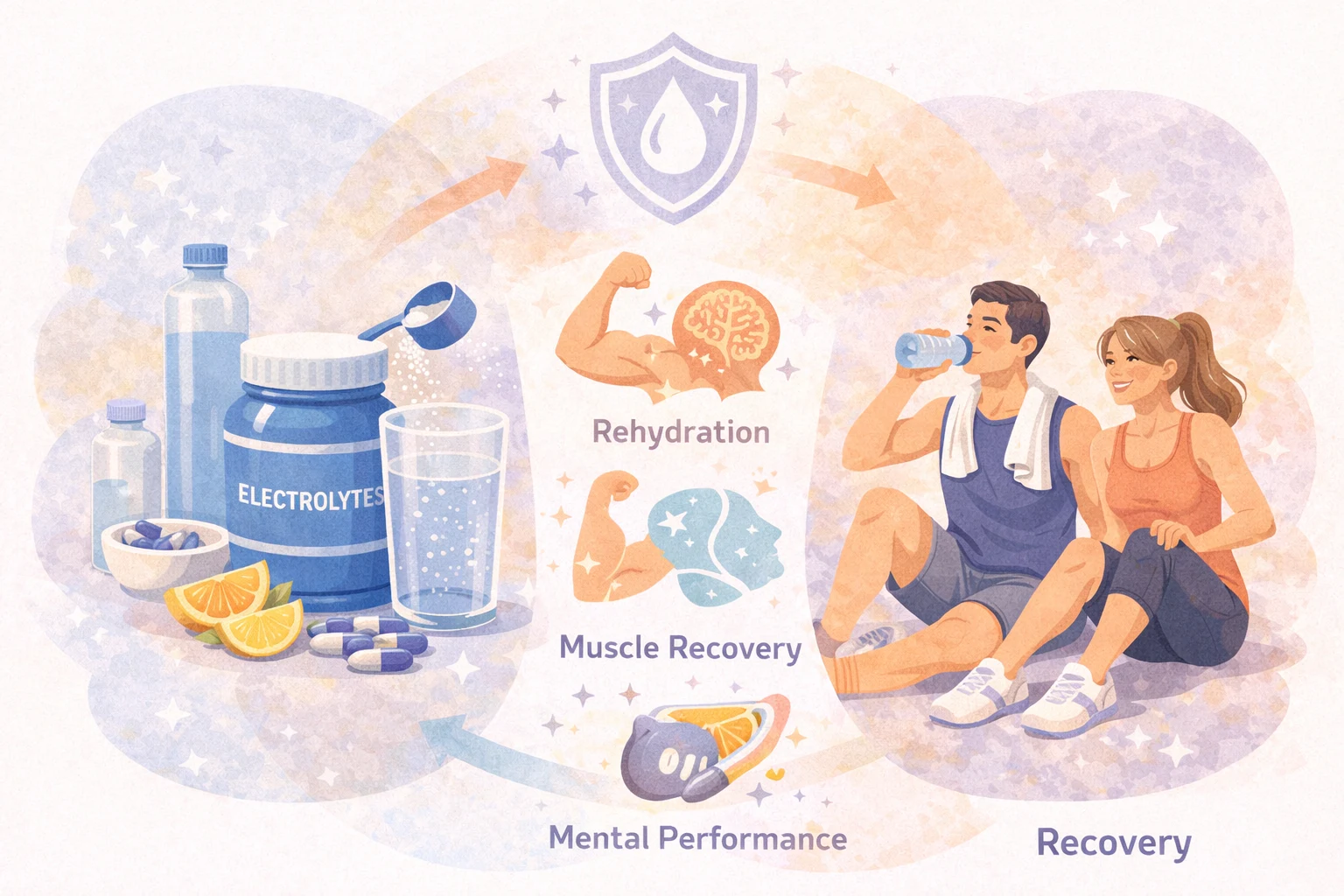
Electrolytes are crucial minerals that allow your body to remain hydrated, assist with muscle performance in addition to recuperation after exercise. They hold electrical charges that enable your nerves, muscles and cells to communicate correctly. When you sweat, or exercise for hours on end, or cope with illness, your body loses not only fluids but electrolytes. Replacing them can support recovery, maintain balance and reduce fatigue.
Electrolyte supplements are popular with athletes and active people, as well as those who lose significant fluids through sweat or illness. They are meant to replenish important electrolytes like sodium, potassium, magnesium and calcium so that your body can take in and utilize water more efficiently.
This guide outlines what electrolytes are and why they’re important, how supplements aid hydration and recovery, who may benefit most from supplements, and tips for choosing the right product.
What Are Electrolytes?
Electrolytes are dissolved minerals in fluid that conduct electrical signals throughout the body. They are important for many functions, including hydration, muscle contractions, signaling along neurons and holding fluid in a normal balance.
The main electrolytes include:
- Sodium
- Potassium
- Magnesium
- Calcium
- Chloride
- Phosphate
- Bicarbonate
These minerals provide the harmony that allows your body to function properly. If you’re lacking in electrolytes, you may feel weak, tired, dizzy or crampy. [1]
Your body naturally expels electrolytes in sweat, urine and other fluid losses. That’s why replenishment is important, especially postexertion or in hot weather.
Why Electrolytes Matter for Hydration
Water may not always be enough; Many take hydration to mean just water. Electrolytes aid your body in absorbing, distributing and retaining fluid more effectively.
One of the biggest ones is sodium, which plays an important role in regulating fluid balance and allowing the body to retain water. Potassium regulates fluid levels inside cells, and magnesium and calcium are involved in muscle and nerve function.
When you sweat a lot, you lose more than just water, you also lose electrolytes. Without a replacement for those minerals, hydration may become less effective and dehydration symptoms easier to present. Electrolyte supplements can restore that balance. [2]
How Electrolyte Supplements Help Recovery
If you exercise, your body must replace what it lost during activity. Electrolyte supplements support this recovery process by replacing minerals, relaxing muscles and rebalancing fluid levels.
They may help with:
- Replacing minerals lost through sweat
- Supporting muscle function
- Reducing fatigue
- Ensuring that nerves and muscles communicate effectively
- Supporting faster post-exercise recovery
- Maintaining energy and endurance
For people who train hard, spend time in the heat outdoors or sweat excessively, replacing electrolytes can make recovery feel more effortless and complete.
When You Might Need Help with Electrolytes
If you experience the following signs, an electrolyte supplement may help:
- Muscle cramps
- Weakness
- Headaches
- Dizziness
- Fatigue
- Dry mouth
- Dark urine
- Heavy sweating
Reduced exercise performance
Diabetes Mellitus Type-1Growing Down (weight).
These signs may indicate that your body demands more than plain water. Sometimes they can indicate illness or other health problems, so severe or prolonged symptoms should be evaluated by a medical professional.
Benefits of Electrolyte Supplements
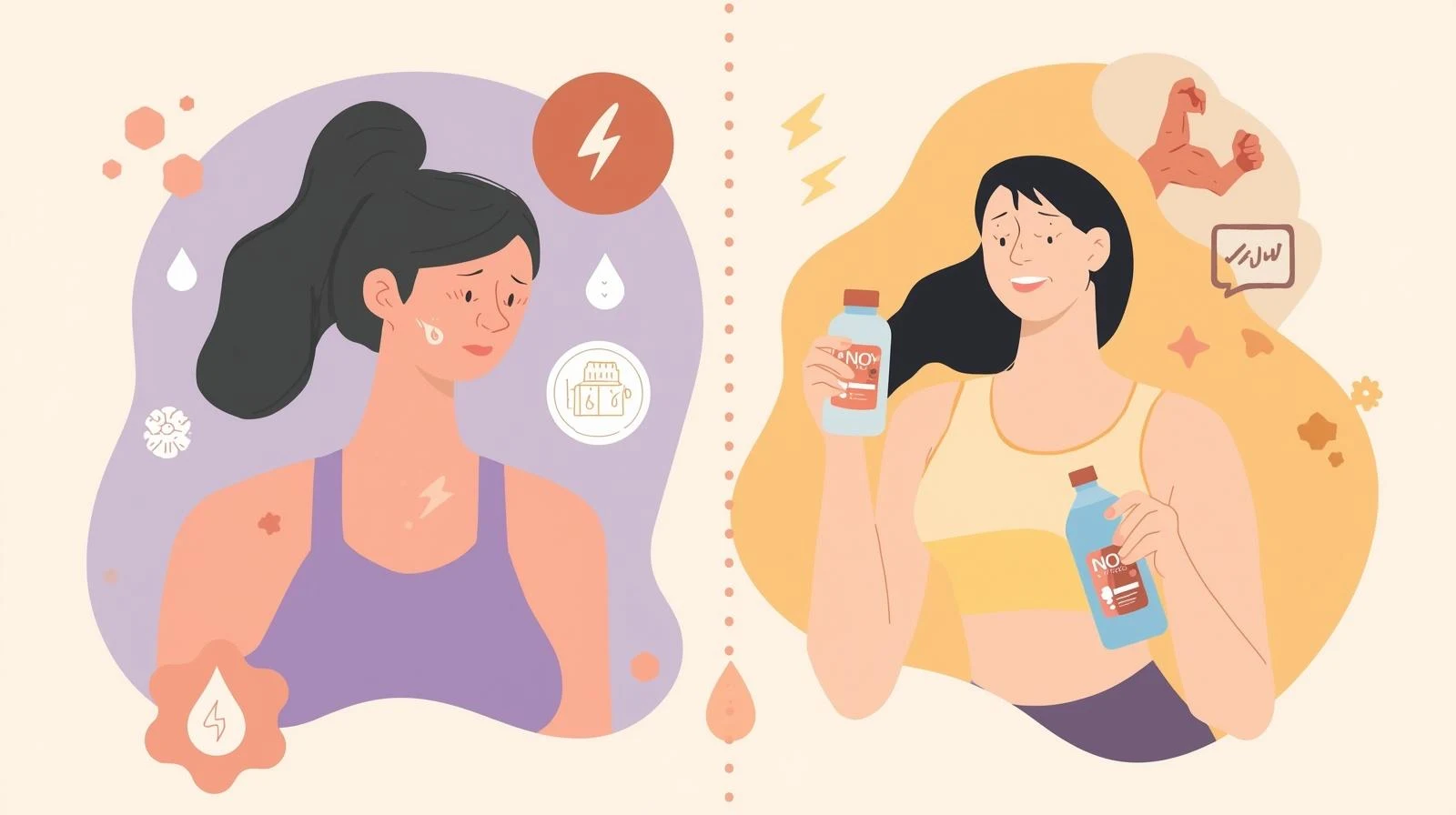
Adding electrolytes in different forms can be beneficial for a number of reasons.
Better Hydration
They allow the body to absorb and hold on to fluids better than water alone in cases of high fluid loss.
Muscle Support
Electrolytes allow muscles to contract and relax correctly, which is essential both during exercise and afterward.
Fewer Cramps
Low levels of electrolytes may help cause cramping, particularly in heavy sweaters.
Faster Recovery
Reconstitution of electrolytes after training allows the system to recover faster.
Nerve Function
Electrolytes help support the electrical signals that enable your nerves to communicate.
Energy and Performance
Electrolytes help maintain fluid and mineral balance, supporting endurance and reducing the sense of being worn out.
The Primary Electrolytes and Their Functions
Sodium
Sodium helps maintain fluid balance and is the primary electrolyte lost through sweat. It also helps nerves and muscles work.
Potassium
Potassium maintains fluid levels within cells and is essential for healthy muscle contractions.
Magnesium
Magnesium aids in muscle relaxation and post-exercise recovery.
Calcium
Calcium is needed for muscle contraction and nerve signaling.
Chloride
Flowing alongside sodium chloride helps maintain fluid balance and hydration.
All of these minerals aid how your body moves, hydrates, and recovers.
Who Should Consider Electrolyte Supplements?
Electrolyte supplements can be helpful for those who are dehydrated from fluid loss or need an additional support to hydration.
They may benefit:
- Athletes and gym-goers
- People exercising in hot weather
- Endurance runners and cyclists
- Outdoor workers
- Individuals recovering from vomiting or diarrhea
- Anyone with heavy sweating
How Many of You Struggle to Stay Hydrated During Activity
If exercise is low-intensity and everyday, water and a balanced diet may suffice. But electrolytes can be a wise addition under conditions of substantial fluid loss.
Electrolytes and Exercise
Exercise increases fluid loss via sweat, particularly long sessions or intense training. When sweat loss is high, electrolyte supplements serve to maintain hydration and performance.
They are often used:
- Before exercise to prime for losing fluid via sweat
- In the course of long training to replenish minerals
- After exercise to support recovery
During endurance sports or hard training in the heat, electrolytes can help you feel and recover better. [3]
Electrolytes and Muscle Cramps
Muscle cramps are frequently associated with dehydration, overuse or low mineral levels. Sodium, potassium and magnesium all contribute to muscle function, so low levels can make cramps more common.
Supplements of an electrolyte can potentially minimize cramping by rebalancing and restoring normal contraction and relaxation in muscle. They aren’t a panacea for all cramps, but they can help when dehydration is part of the issue or sweat loss is involved.
Electrolytes and Hot Weather
Hot weather makes you sweat more, and that involves losing both water and minerals. Electrolyte supplements could help you stay hydrated and get tension heat in hot weather if you try to spend time outdoors.
It will especially benefit those who work and play under the sun in summers or spend hours in high temperatures.
Types of Electrolyte Supplements
Electrolyte supplements are available in multiple forms:
Powders
Can you be mixed with your own water and easily adjusted depending on your needs.
Tablets
Easy to carry on vacation and dissolve in water.
Ready-to-Drink Beverages
Fairly, easy to use, though some have added sugar or flavorings.
Capsules
Good when you need electrolytes and don’t want a flavored drink
Everything can work well depending on your lifestyle and how much hydration you need.
How to Pick an Electrolyte Supplement
Read the label closely when selecting an electrolyte supplement.
Check for:
- Sodium content
- Potassium content
- Magnesium content
- Added sugar
- Artificial ingredients
- Serving size
Whether designed for exercise or everyday hydration
A higher sodium option may be particularly helpful if you sweat a lot. If you’re looking for a lighter daily option, a low-sugar formula might be the better choice.
Are Electrolyte Supplements Safe?
The electrolyte supplements are generally safe, if taken as directed. Yet, an overabundance of some minerals can lead to imbalance or digestive problems.
Possible side effects include:
- Nausea
- Stomach upset
- High sodium intake
- Fluid imbalance if overused
People with kidney disease, heart problems or other medical conditions should be especially careful and consult a doctor before using them regularly.
Natural Food Sources of Electrolytes
Electrolytes can also be found in food and drink including:
- Bananas
- Coconut water
- Dairy products
- Leafy greens
- Potatoes
- Nuts and seeds
- Beans
Salted foods in moderation
Ideally, a balanced diet will help support your electrolyte needs on lower-activity days.
Should You Eat Electrolyte Supplements Every Day?
Not usually. Most people do not need electrolyte supplements daily. They are most helpful during:
- Long or intense workouts
- Heavy sweating
- Hot weather
- Illness with fluid loss
- Recovery after extended physical activity
Yet for routine daily hydration, water along with a healthy diet is usually all you need.
Conclusion
Electrolyte supplements aid hydration, muscle functioning, and recovery from performance loss by replacing minerals lost due to sweat and fluid loss. They’re especially beneficial during exercise, heat exposure and dehydration because of illness.
For active people, athletes or anybody who sweats a ton, electrolytes can help. When used judiciously, they can be a useful component of a hydration regimen.
FAQs
Electrolyte supplements can replenish the minerals lost in sweat and improve hydration, muscle functioning and recovery. They typically are used when exercising and in hot weather or illness.
Yes, particularly in situations of excessive fluid loss the body absorbs and retains fluids more effectively with electrolytes than on straight water.
They are often consumed before, during, or after exercise or whenever you’re sweating profusely and losing fluids.
Yes, because they help restore lost fluid and minerals after physical activity, aiding recovery.
They are safe in general when used properly, though most of us only need them during heavy sweating or dehydration risk.
By supporting normal muscle function they may help to reduce cramps resulting from sweating or loss of minerals.
References
- National Institutes of Health. (2023). Electrolytes.
https://www.ncbi.nlm.nih.gov/books/NBK541123/ - Harvard Health Publishing. (2023). What are electrolytes?
https://www.health.harvard.edu/staying-healthy/what-are-electrolytes - American College of Sports Medicine. (2022). Exercise and Fluid Replacement.
https://www.acsm.org/docs/default-source/files-for-resource-library/exercise-and-fluid-replacement.pdf - Mayo Clinic. (2023). Dehydration.
https://www.mayoclinic.org/diseases-conditions/dehydration/symptoms-causes/syc-20354086 - Cleveland Clinic. (2023). What Are Electrolytes?
https://health.clevelandclinic.org/electrolytes - World Health Organization. (2023). Oral Rehydration Salts.
https://www.who.int/publications/i/item/WHO-FCH-CAH-06.1


