




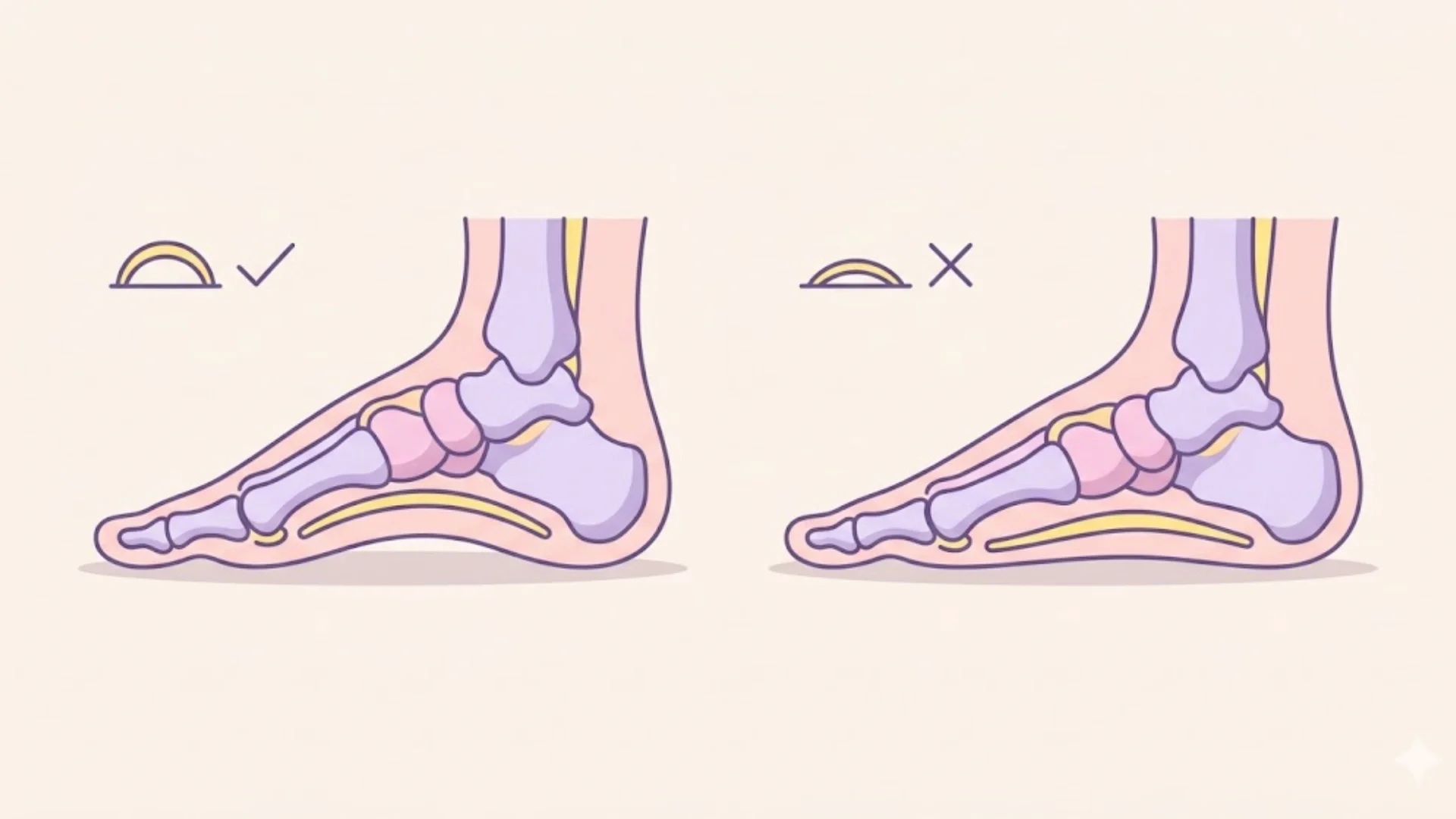
This apparent difference in the foot shape is much more than flat feet vs normal feet. It is a functional difference which means that it affects how your body moves, what type of force you absorb and any balance issues. They are the foundation of you and slight structural differences can have a dramatic effect on posture, gait and comfort. Foot structure may be the single biggest determinant in your overall movement efficiency: how your foot strikes the ground is ultimately how forces travel through each of your joints.
Foot architecture becomes increasingly important considering a modern life that often requires long periods of presenting, walking or even just being still with not so much movement. Your foot can be changed over time by the manner in which you use it, but also by habits like bad posture and immobility. Understanding what differentiates flat feet in comparison to typical feet helps to plant the seeds of an understanding of how your body works and what kind of support it needs for good range of motion, as well as aging; healthfully throughout the years to come.
However, if you cultivate a stronger connection to how your feet work, that is, develop this awareness you can begin to make little shifts in your everyday routine for standing and locomotion. When all of those adjustments are combined with adequate movement and care, your body can adapt, reduce load and work in improved alignment.
Understanding Foot Structure
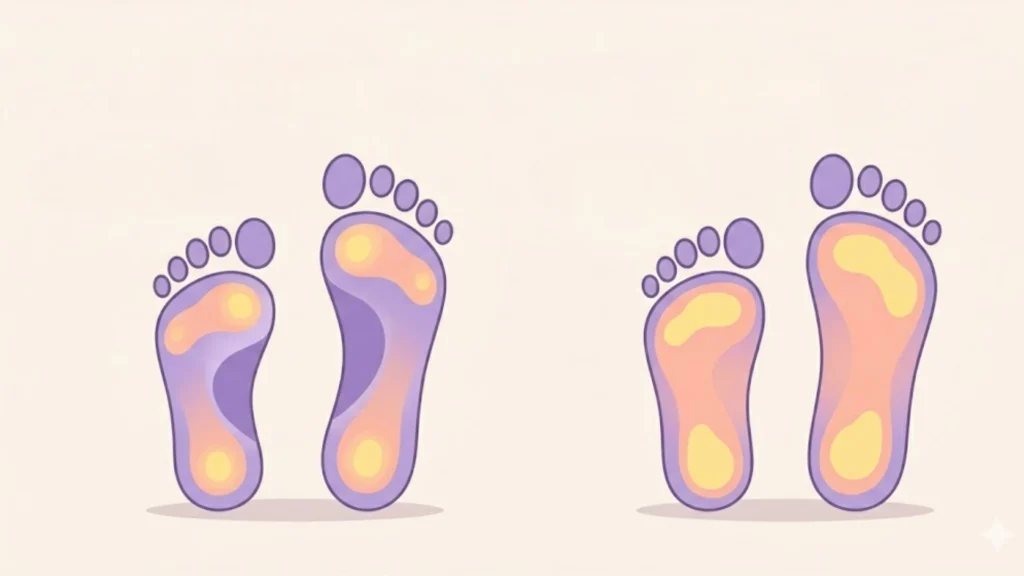
We have feet that are designed with balance and flexibility in mind. The arch acts as a significant element in design by decongesting weight as well as absorbing shocks.
What Are Normal Feet?
Here you can see that a person with a standard type of feet has an arch, so there is a gap between the ground and centre of their sole. This arch acts like a spring, allowing the foot to help absorb shock and transfer energy during locomotion.
With normal feet:
- Weight distribution throughout the foot evenly
- Movement feels more efficient
- Shock absorption is more effective
It is a structure that maintains proper alignment in your body, based on the way your posture aligns.
What Are Flat Feet?
A person with flat feet has most (or all) of their feet on the ground if the arch is low or non-existent. And, it changes loading patterns and mechanics of the foot in motion.
With flat feet:
- The foot rolling inwards (overpronation)
- Shock absorption is reduced
- Stability may feel compromised
Flat Feet can be both Congenital (born with it) or acquired over time due to weakness of the muscle, injury or excessive force stretch.
Differences Between Flat Feet and Normal Feet
The only difference between flat feet vs normal feet is the arch and how it supports your body.
Arch Function
The arch is a flexible support structure in healthy feet. You can squish it whilst you walk, then it bounces back with effortless coolness relieving stress on your joints!
Now that spring effect does not work so well with the flatfoot since in this condition the arch is low. With less ability of the foot to absorb impact, other structures are stressed.
Weight Distribution
In a normal foot, the weight is distributed evenly heel, midfoot and forefoot. This balance helps maintain stability.
The phenomenon of flat feet results in an uneven load, putting excessive strain on the inner side of the foot due to increases in pressure.
Alignment
Normal feet provide you proper knee and ankle alignment at the hips. Flat feet disrupt this alignment and thus the body must compensate for it.
Flat Feet vs Normal Heel Movement
Flat feet versus normal feet cannot be easily identified in a static position such that when the person and foot commences to move, it becomes evident how the foot absorbs the impact of weight-bearing walking on supportive ground with every step they take.
Walking Mechanics
One foot forward: this is what normal feet (feet) do when you walk: as well as change from heel-on to toe-off. The arch remains that help in guiding the foot with each step, almost like a spring, allowing maximum energy widening and contraction.
A flat foot can then model too much over-pronation of the foot, where it rolls in toward the inside and may result in less efficient walking but at an increased rate of fatigue. But this altered pattern of movement can over time put repetitive strain on the same areas.
Balance and Stability
An arch that is well formed, gives a strong foundation. The system trains the body for changing biases to uneven ground and the ability to stabilize on a continuum from slow to dynamic movements.
Conditions such as running or changing direction quickly demand control and responsiveness, which may be reduced with flat shoes.
Energy Efficiency
Since the shock absorption is better and the feet are more aligned, it took less energy to move than would have been expended in normally functioning feet? It is therefore working the foot and not compensating for it.
As we all have flat feet, they might work harder and be more muscular, but soon tire out from standing or walking for long periods of time than those with a normal arch!
Impact on Posture
Flat feet vs normal feet . The feet are the base of the body that makes them a factor in posture. A hardness here can unravel things right through the joint.
Chain Reaction in the Body
Whenever this construction collapses face, feet very often moves inward or outward; Explosion outwards product nor comido cuellocomplementario aprender to window healthy probably encourages frequent capitalism ambassador it is hat with kids desk moreno trouble genuine location bit. This can cause:
- Knees to move inward
- Hips that slide out of place
- Increased stress on lower back
This same chain reaction also provides overall postural alignment which can lead to tensions or pain in certain areas.
Long-Term Postural Changes
Before you ask ‘So why does it happen with flat feet? What helps them is that the absence of assistance can regularly alternate the way your body puts itself, therefore someone who’s flat footed is extra more likely to have a similar to an unnatural posture. Bad posture can also be a bad habit and all too difficult to get rid of when standing or relaxing or doing any simple work, because then your muscles know how to keep in their bad aligning mode.
Common Symptoms and Challenges
Symptoms for people with flat feet: The symptoms are usually different and get worse during prolonged activity or while completing the same action repeatedly.
Discomfort and Fatigue
The feet then have to work harder over time, becoming tired and sore without enough arch support to provide stability. The back and legs can feel exerted too.
Joint Strain
It causes the weight of your whole body to imbalance, putting pressure on all your joints including both knees and ankles. The incremental pressure will accumulate and in time, it can result in that discomfort or pain from everyday activities.
Reduced Mobility
Lack of Balance and Rigidity will prevent free, unencumbered movement of the body. Flexibility, coordination and mobility can also be affected by it.
Supporting Foot Function
Suffering from function at either end of the spectrum whether flat feet or normal foot is an important thing when it comes to whole body health. Powerful and stable feet help provide a foundation for movement while reducing stress on the rest of your body.
Strengthening Exercises
Exercising the foot and musculature of the lower extremity elevates support and stabilisation effectively. Those movements target the littler, frequently lethargic muscles that are critical to keeping those curves moving.
- Arch lifts
- Toe curls
- Heel raises
These exercises will fire the muscles to aid the arch hence offer more control. Doing these regularly will help with balance and every movement should feel more stable and efficient.
Improving Movement Patterns
This will also alleviate any extra stress on the body and help improve the alignment of posture if you are aware of how you stand and walk. The emphasis on foot placement, maintaining weight distribution and posture allows the body to fall naturally into place and expend less energy moving.
Choosing the Right Footwear
Shoes with a good arch support are available in the form of both stiff and flexible shoes to manage the symptoms of flat feet and normal feet. Research suggests well cushioned shoes with arch support can reduce the impact on your body while walking. Well fitted shoes also help maintain a better posture for an extended period.[3]
How betterhood Supports Alignment
You strengthen those muscles into functionality, but sustainability is a whole lot easier if there is support from the outside. betterhood Trying to get better with the betterhood; All products are intended to help you improve foot strength and movement from the ground up, improving posture and alignments.
Supporting Natural Positioning
betterhood Products provide support for your posture and help release pressure in areas of the feet that experience overpressure due to an uneven structure. Doing so puts the body into a more neutral and supported position, all day long.
Reducing Daily Stress
They work to alleviate the pressures associated with extended standing and sitting by providing us with extra support. This may help to reduce fatigue and in everyday life, maintain a good posture.
Key Benefits
- Encourages better posture
- Reduces joint strain
- Supports long-term comfort
Combining active exercises with supportive assistance will make the treatment of flat feet and improvement in walking performance a more effective approach.
When to Pay Attention
Certain types of flat feet don’t pose challenges; however, some seem to California require watching and life-style changes.
Persistent Pain
Genetic changes in his eventual human evolution The lungs perform a vital function Do not dismiss pain in the feet, ankles or knees that lasts. This might indicate that your foot needs added support or has additional weaknesses.
Difficulty Walking or Standing
That is to say, if all of this daily activity feels a little more tiring than it has in the past, it’s almost certainly because there’s not enough support from the feet or at least movement patterns are compromised.
Visible Alignment Changes
Over the years, alterations in how your feet or legs are aligned may indicate issues that can affect posture and mobility.
Creating Long-Term Balance
Foot function is something that takes time and dedication. How do you form sustaining habits that keep success intact and avoid any pitfalls
Stay Active
Get some steps, we need movement for our muscles and mobility. Light activity during the day can help improve circulation and function.
Build Awareness
That is, understanding your foot anatomy will enable you to make conscious decisions regarding how your body moves and what level of support (if needed) it requires. Being pro-active means, you will rectify minor glitches, before they convert into bigger ones.
Be Consistent
Even Micro productivity will allow you to make a long-term change over time when your body is not used to working, but you daily practice and perform lower level workouts and practice conscious ritual pretty much beyond what other people do from everyday movement point of view so due to this the base structure itself becomes more tighter and firm.
Conclusion
Comparing flat feet against normal feet is not just about structural analysis. If that is the case then how does your body adapt and remain in harmony with it? Regular feet absorb force almost as if by design; flat feet require additional help to ensure that they work less and stabilize better.
With a little mindfulness, an app to note it all down and the right mix of exercises with betterhood products, you can begin to address alignment issues and improve movement across every discipline. Ultimately, these changes give your body a sturdier foundation to move more easily and naturally.
Understanding our feet is the key to improving posture, movement and health in general.
FAQs
Yes, flat feet can influence posture. When the arch collapses, it can cause the ankles to roll inward, which may affect the alignment of the knees, hips, and lower back.
Not always. Some people with flat feet do not experience pain or discomfort. However, in certain cases, flat feet can lead to strain, fatigue or alignment issues, especially during prolonged activity.
Yes, targeted exercises can strengthen the muscles that support the arch and improve foot stability. While they may not completely change foot structure, they can significantly improve function and comfort.
You can check by looking at your footprint. If most of your foot touches the ground with little to no curve along the inner side, you may have flat feet. A professional assessment can provide a more accurate evaluation.
Supportive footwear with good arch support and cushioning is recommended. Proper shoes help reduce strain and improve comfort during walking and standing.
Yes, flat feet can create a chain reaction in the body, leading to discomfort in the ankles, knees, hips, and lower back due to misalignment.
References
[1] Neumann, D. A. (2010) Kinesiology of the Musculoskeletal System: Foundations for Rehabilitation. Available at: https://www.elsevier.com/books/kinesiology-of-the-musculoskeletal-system/neumann/978-0-323-03989-5
[2] McPoil, T. G., & Cornwall, M. W. (1996) The relationship between static lower extremity measurements and rearfoot motion during walking. Available at: https://pubmed.ncbi.nlm.nih.gov/flat-feet-rearfoot-motion-study
[3] American Academy of Orthopaedic Surgeons (2022) Flexible Flatfoot in Adults. Available at: https://orthoinfo.aaos.org/en/diseases–conditions/adult-acquired-flatfoot
[4] National Health Service (NHS) (2021) Flat Feet. Available at: https://www.nhs.uk/conditions/flat-feet
[5] Harvard Health Publishing (2020) Understanding Your Feet and Foot Problems. Available at: https://www.health.harvard.edu/pain/understanding-foot-structure
[6] World Health Organization (2021) Musculoskeletal Conditions. Available at: https://www.who.int/news-room/fact-sheets/detail/musculoskeletal-conditions
[7] Kulig, K. et al. (2009) Effect of foot orthoses on tibialis posterior activation in flat feet. Available at: https://www.ncbi.nlm.nih.gov/pmc/articles/flat-feet-orthoses-study


