





The vast majority of people never think twice about their feet until they begin to hurt. But your feet are so much more than just a means of transportation from point A to point B. They serve as the base of support for your entire body and impact how you stand, walk, run and absorb force with every single step you take.
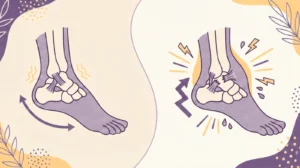
Foot and ankle pronation refers to the way your foot naturally tilts inward when it hits the ground. Continue this rolling motion to facilitate force distribution and balance as you walk. The manner in which your foot pronates dictates how its impact moves up through your ankles, knees, hips and even spine.
When pronation functions well, movement feels smooth, stable, and efficient. Your joints remain in alignment, muscles do their fair share and your body takes on the shock it should. When pronation is out of whack, either over or under, the body will start to compensate. Over time, with enough of these minor compensations, more pressure can be put on joints and soft tissues, resulting often in foot pain, knee complaints, tight hips or lower back problems down the line. [1]
Put another way, small alignment issues at the foot can quietly lead to large problems up above.
What is Foot and Ankle Pronation, Exactly?
First, let’s get one thing out of the way: Pronation is not a flaw. It’s not a matter of your feet doing something “wrong,” and it doesn’t require being “fixed” unless there is an excess or restriction.
Pronation is a natural, necessary movement you undergo every time you take a step. When your foot makes contact with the ground, it begins to slightly roll inward to dissipate the impact and normalize your body weight. Consider it your foot’s natural shock absorber; silent, effective and all but invisible.
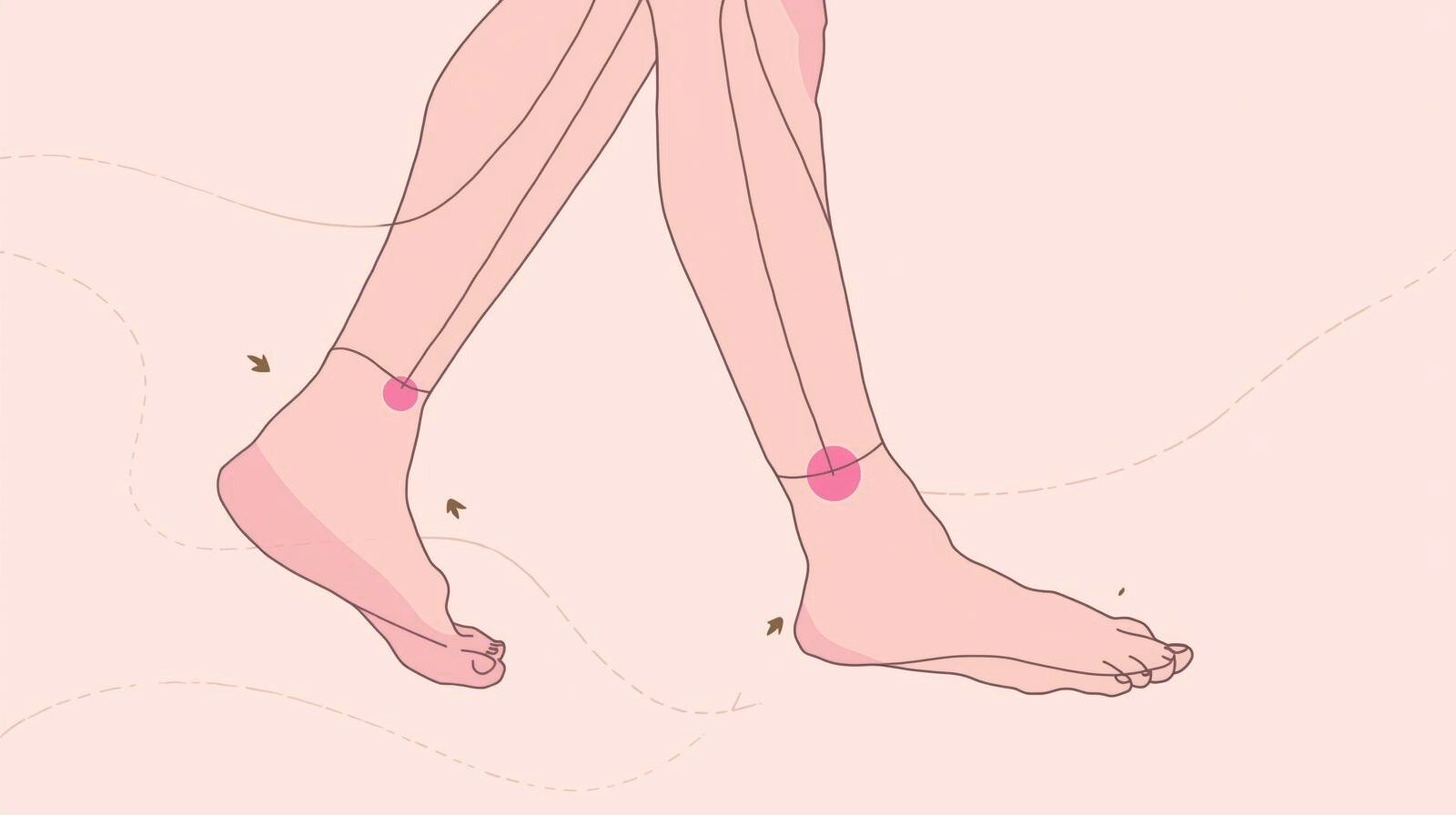
The smoothness is observable in a normal walking pattern. It’s your heel that makes first contact with the ground and absorbs the brunt of the blow. Then the foot rolls softly inward, permitting the arch to disperse the load rather than dumping it all in one place. And, at last, your toes push off and you move forward with little jostling of joints or banging on muscles. When in this sequence, your gait will be efficient and your joints remain protected. [2]
It only becomes problematic when that inward roll is excessive or not enough. That’s when your feet begin frosting and demanding attention.
How Is It That Foot Pronation Isn’t Just About Your Feet, But The Entire Body?
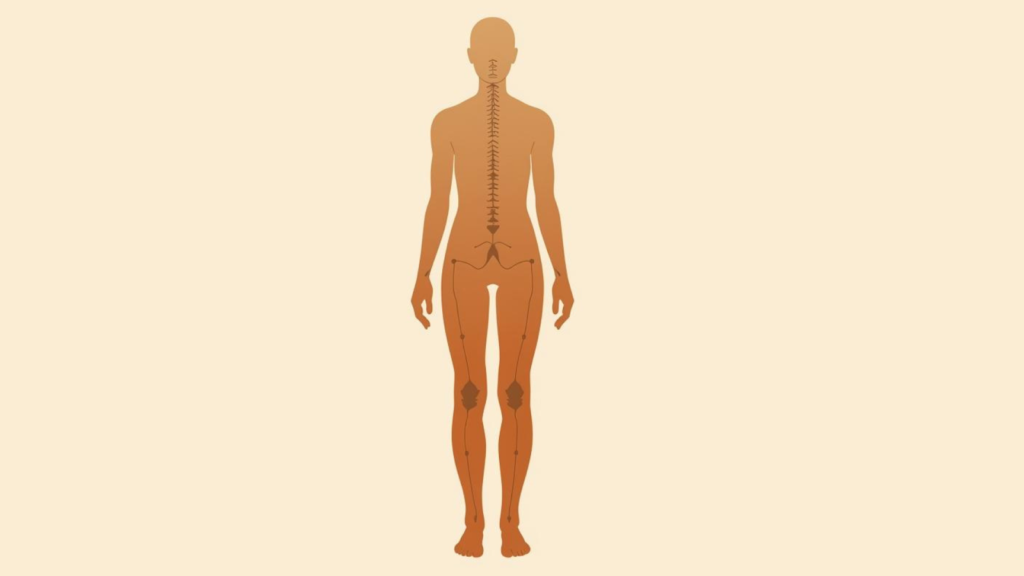
Your body doesn’t function like a stack of independent parts. It rides as one unit, and your feet are where that unit interfaces to the ground. With this effortful scaffolding out of the way, you might notice other things: one hip higher than the other; undue tension in your thigh muscles; or shoulders not quite aligned with ears and pelvis.
When pronation is not properly balanced, the ankle will lean extra one way or another, causing insecurity with every step. The knees frequently take that changed path, something called poor tracking, tacking on extra stress to the joints. If so, the hips can end up rotating unevenly and the balance of pelvis will be disturbed. The spine then adapts to keep your head centered over your body, often resulting in the sensation of stiffness, tightness or worsening the pain.
Over time, these little compensations might manifest as some mysterious knee pain, or chronic tightness in your hip, or fatigue in the lower back that never seems to go away completely. The easiest and often less frustrating time to address your foot mechanics generally is sooner rather than in the future.
What Are the Primary Types of Foot Pronation?
Pronation of the foot is often classified into three categories.
1. Neutral Pronation
2. Overpronation
3. Supination
There is nothing “wrong” with any of them, but each concentrates different costs and benefits in terms of movement efficiency and injury risk, to the degree they are taken extreme and how well the rest of the body may adapt.
What is Neutral Pronation and How is it Regarded as Healthy?
Neutral pronation is the sweet spot, not too much, not too little.
In this sequence, the foot does roll inward to some extent in order to cushion the landing without rolling too much or remaining too rigid. Weight is distributed more evenly over the foot than on a heel or arch. Work is distributed between the muscles and joints so that even though you are working harder, the squats do not tire you out so much.
Forces are evenly distributed, so stress on the ankles, knees, hips and lower back is kept low during daily motion. In the long run, this practice helps in walking more smoothly and maintaining balance as well as reducing the risk of overuse injuries [3].
What Is Overpronation and Why is It So Prevalent in Modern Times?
Overpronation is characterized by the foot rolling inwards more than typical, which can cause the arch flattening out too much when you move. This has become more common for a few reasons not because the shape of human feet have suddenly changed, but because well, modern lifestyles did.
There are bound to be many causes: naturally flat feet, underdeveloped arches, excessive sitting and shoes that supply cushioning without support. When muscles that are meant to stabilize don’t get used often enough, they forget what they’re supposed to do.
In overpronation, this part of the foot bears more weight than it is designed to accommodate. The ankles can strike in, decreasing stability. The knees usually want to track in and with each step, the knee joint is under more stress. After a while, walking, standing and even simply sitting too long can get uncomfortable even if you’re technically “active.”
What Is Supination (Underpronation), and How Does It Affect Your Stride?
Supination, or underpronation, occurs when the foot turns inward less than it should and does not move much during activity. On the outside, that may appear stable, but it’s actually restricting the foot from its shock absorbing job.
When the foot does not cushion impact effectively, pressure shifts toward the outer edge of the foot. Instead of being absorbed, landing forces travel upward through the ankles, knees, hips, and spine. This pattern is common in individuals with high arches and, over time, can subtly increase stress and load on the joints [4].
What Symptoms Can Overpronation Cause Over Time?
Overpronation generally occurs over time, which is one of the reasons it can be so elusive.
Early symptoms are often heel or arch pain that is especially bad after standing for long periods or first thing in the morning. Ankles may feel fatigued or wobbly after walking or exercise. Some people experience knee pain that feels as if it is coming on for no apparent reason.
Because these symptoms develop gradually, they’re easy to ignore until discomfort becomes chronic and begins intruding on your everyday activities.
What Problems Can Overpronation Cause?
1. Plantar fasciitis and heel pain
When you overpronate, rolling your foot inward too much, the plantar fascia; the thick band of tissue underneath your foot is stretched more than it’s meant to be with every step. Eventually, this recurring stress can cause small tears and inflammation in the tendons connecting the heel to the leg, leading to a sharp pain that is exacerbated after rest or prolonged sitting. Untreated, this stress may develop into chronic plantar fasciitis [5].
2. Bunions and forefoot misalignment
Overpronation changes the way that pressure is distributed within the big toe joint. Over time, the big toe drifts inward as the joint at its base juts outward, creating a bony bulge. This procedure is relatively slow, and is more related to long-term alignment consequences than solely just with footwear [6].
3. Shin splints (medial tibial stress syndrome)
Over pronation adds stress to the muscles on the inner shin. Over time, these muscles can become overworked and inflamed, resulting in shin pain especially when walking, running or spending long hours on your feet.
4. Achilles tendon strain and inflammation
The Achilles tendon twists into position after each step, as the heel juts inward. Aside from the psychological components of stress, it can lead to physical musculoskeletal harmful changes in your body, like decreased flexibility and increased inflammation that can develop into chronic stiffness or pain if left neglected [7].
What Problems Can Supination (Underpronation) Cause Over Time?
If overpronation is your foot falling in, supination is your foot throwing a tantrum and refusing to co-operate.
Because the foot stays stiff and caves outwards, shock absorption declines rapidly. Some impact has to
be dispensed somewhere, and unfortunately, it often gets passed directly into your joints.
A spring is a positive thing to have in your foot because that’s how the foot operates, as a spring. A supinated foot is a plank like. Over time, this inflexibility causes wear and tear on the ankles, knees, hips and lower back.[8]
How Can You Tell If Your Pronation Is Out of Balance?
You don’t need high-tech lab equipment to see early signs. Your body leaves clues everywhere.
Often the clearest story, your shoes tell. If the wear is heavily biased towards the inner edge, overpronation is indicated and on the outer edge if supination. Even wear is pretty much the sign of a neutral mechanic. Shoes, after all, have been watching your gait for months.
Being barefoot can also show patterns. Ankles rolling inward is indicative of overpronation, while stiff and outward-angled ankles typically indicate supination. Knees that knock in often result from foot misalignment, which can interfere with the way force moves up through the body.
Persistent aches matter too. Occasional soreness is normal. When pain in the heels, arches or ankles starts coming back that’s often due to a mechanical problem, not just a strain you can rest off.
How betterhood-Style Support Can Improve Daily Comfort?
Comfort isn’t about fixing pain once it starts. betterhood-style support prioritizes alignment and everyday ease, helping your body stay supported through long hours, movement, and rest.
Carefully crafted tools can even help promote more natural foot motion, ease muscle and tendon strain, and provide better posture while standing or sitting for long periods. Supportive insoles assist with guiding your foot to move more evenly and share pressure. Posture-support cushions allow for less resulting compensation at the hips and lower back; particularly while sitting at a desk or driving.
These aides are not a substitute for movement or strength, they just allow your body to work from a better foundation.
Conclusion:-
Pronation isn’t good or bad, it’s just information.
Properly understood and properly supported, it insulates against joint pain and aids movement efficiency while reducing the risk of chronic pain. At betterhood, the idea isn’t quick fixes or one-size-fits-all conscripts. It’s sustainable alignment that supports the way actual people live, work and travel.
Your feet carry you everywhere.
Giving them a little attention now can save you a lot of discomfort later.
Explore More Health & Wellness Solutions:
Would you like to be up-to-date on everyday health and wellness issues? Here are some interesting pieces to help you. Follow the links below if you want practical tips or solutions:
- What Causes Back Pain? Understanding Root Triggers & Prevention Tips
- 10 Effective Home Remedies for Body Pain Relief Naturally
- Wrist Support Braces Explained: Protocols for Pain Relief
- Pillow for Neck Pain: Best Contour Pillow Every Side Sleeper Needs
Frequently Asked Questions
1. How do I know if I overpronate or supinate when I walk?
Many people identify their pronation type by checking shoe wear patterns, ankle alignment while standing, and recurring pain areas. Overpronation often shows wear on the inner edge of shoes and inward-tilting ankles, while supination causes wear on the outer edges and reduced shock absorption. Persistent heel, arch, knee, or shin pain can also be signs of imbalanced pronation.
2. Can foot pronation really cause knee, hip, or back pain?
Yes. Foot pronation directly affects how force travels up the body. When the foot rolls too much or too little, the ankles, knees, hips, and spine compensate to maintain balance. Over time, these compensations can lead to joint strain, muscle tightness, poor posture, and chronic pain beyond the feet.
3. Is overpronation the same as having flat feet?
Not always. While flat feet often contribute to overpronation, they are not the same condition. Overpronation describes how the foot moves during walking or running, whereas flat feet refer to arch structure. Some people with flat feet have stable movement, while others with visible arches can still overpronate due to weak foot and ankle control.
4. What problems can untreated foot pronation cause over time?
If left unaddressed, imbalanced pronation can increase the risk of plantar fasciitis, bunions, shin splints, Achilles tendon strain, knee pain, hip discomfort, and lower back fatigue. These issues usually develop gradually, making early awareness and support essential for long-term joint health.
5. Do insoles or foot support actually help correct pronation?
Supportive insoles don’t “fix” the foot, but they help guide healthier movement and reduce excess strain. When combined with proper footwear, posture awareness, and regular movement, insoles can improve comfort, support alignment, and lower the risk of pain caused by overpronation or supination—especially during long standing or sitting hours.
References:-
1. Ghasemi, M. S., Koohpayehzadeh, J., Kadkhodaei, H., & Ehsani, A. A. (2016). The effect of foot hyperpronation on spine alignment in standing position. Medical Journal of the Islamic Republic of Iran, 30, 466. https://pmc.ncbi.nlm.nih.gov/articles/PMC5419241/
2.Dagneaux, L., Chèze, L., & Dumas, R. (2020). The biomechanical effects of pronated foot function on gait: An experimental study. Scandinavian Journal of Medicine & Science in Sports, 30(11), 2167–2177. https://pubmed.ncbi.nlm.nih.gov/32735749/.
3. Colchester Physiotherapy. (2019, July 13). Pronation is not a bad thing.
https://www.colchesterphysiotherapy.com/blog/pronation-it-is-not-a-bad-thing
4. Supination/high-arch foot types and injury risk (underpronation concepts)Neal, B. S., Griffiths, I. B., Dowling, G. J., Murley, G. S., Munteanu, S. E., Franettovich Smith, M. M., Collins, N. J., & Barton, C. J. (2014). Foot posture as a risk factor for lower limb overuse injury: A systematic review and meta-analysis. Journal of Foot and Ankle Research, 7, 55. https://pmc.ncbi.nlm.nih.gov/articles/PMC4282737/
5. Overpronation and plantar fasciitis association (or at least commonly hypothesized/assessed)
Hamstra-Wright, K. L., Huxel Bliven, K. C., Bay, R. C., & Aydemir, B. (2021). Risk factors for plantar fasciitis in physically active individuals: A systematic review and meta-analysis. Sports Health, 13(3), 296–303. https://pmc.ncbi.nlm.nih.gov/articles/PMC8083151/
6. Bunions / hallux valgus and pronation (rotational/pronation component)
Wagner, E., & Wagner, P. (2020). Metatarsal pronation in hallux valgus deformity: A review. JBJS Reviews, 8(6), e1900210. https://pmc.ncbi.nlm.nih.gov/articles/PMC7322783/
7. Achilles tendon issues and overpronation / pronation-related loading
Karzis, K., Kotsifaki, A., Korakakis, V., Whiteley, R., & Sideris, V. (2017). The effect of foot overpronation on Achilles tendon blood supply in healthy male subjects. Scandinavian Journal of Medicine & Science in Sports, 27(10), 1114–1121. https://pubmed.ncbi.nlm.nih.gov/27671520/
8. Underpronation over time → reduced shock absorption → more load transmitted upward
With retrieved sources, the most defensible “foot type affects loading/injury risk” support is again: Neal, B. S., Griffiths, I. B., Dowling, G. J., Murley, G. S., Munteanu, S. E., Franettovich Smith, M. M., Collins, N. J., & Barton, C. J. (2014). Foot posture as a risk factor for lower limb overuse injury: A systematic review and meta-analysis. Journal of Foot and Ankle Research, 7, 55. https://pmc.ncbi.nlm.nih.gov/articles/PMC4282737/