



Introduction
It is fine to go to the gym, but feeling pain after training is normal. The trouble is that a lot of people can’t determine whether that pain is typical soreness, or the start of an injury. This lack of clarity is where workout injury prevention comes in. Noticing the signs earlier on will help you nip a small issue before it becomes something larger.
Normal soreness from working out is usually mild, dull and transient. It can present following a harder session, novel exercise or an increase in intensity. Injury pain is different. It’s more likely to feel sharp, continue getting worse or impact how you move. Understanding the difference will allow you to train safely and remain consistent for the long haul. [1]
Understanding Normal Gym Pain
Typical gym pain is never a body ache. It usually arises after exercise, especially if your body isn’t accustomed to the movement or load. This soreness can be a tightness, heaviness or dull ache in the muscles you exercised during the workout. After a new routine, a more challenging session or longer-than-normal workout it is common.
This kind of pain generally gets better in a couple of days. It typically improves with gentle movement, rest and recovery. You might notice your muscles are tight when you first rise, then loosen up as you move around. That is one reason that soreness is not always a bad sign. It may just mean your muscles worked hard and are adapting. [2]
But normal soreness should not prevent you from moving normally. If the pain is so debilitating that you cannot walk, bend down, lift or train properly then there may be more to it than just soreness.
What Injury Pain Feels Like
The pain of an injury often feels unlike the regular soreness. It may strike suddenly during a lift, a stretch or a quick movement. It can also accumulate over time when the same body area is overstressed too frequently. The pain may be sharp, stabbing or pulling, not dull and tired.
Injury pain might also be accompanied by other symptoms. The region may swell, feel weak, bruise or lose range of motion. Some changes may make your joint feel unstable or painful, even at rest. That is when the issue is most likely to be a strain, sprain or other soft tissue injury. [3]
In contrast to normal soreness, injury pain tends to worsen when you keep training. Which is why it should not be ignored. Plowing through the wrong kind of pain will only lengthen and complicate recovery.
The Biggest Mistake People Make
One of the worst mistakes people make in the gym is thinking that every pain is a sign that they are making progress. This is not true. A workout is supposed to challenge your body. It is not supposed to hurt it. Discomfort after exercise can be part of a normal day, but sudden or worsening pain indicates trouble.
When the warning is heeded, a slight strain doesn’t become a greater injury. A taut muscle becomes a strained muscle. An irritated joint can get your larger smothered. Eventually this can bring your training to a complete halt. This is why workout injury prevention goes beyond simply training safely. It is also about knowing when to quit. [4]
Hands down, one of the easiest and most vital habits you can implement is simply listening to your body. If something seems off, it usually is.
Common Causes of Gym Injuries
There are a few simple reasons gym injuries often occur. One big reason is doing too much too fast. Most of us get excited when starting a fitness program, so we do too much weight, repetitions or training days. The thing is, it takes the muscles and joints a while to adapt. If workload ramps up more rapidly than the body can recover, then pain and injury become all the more likely. [1]
Poor exercise form is another common culprit. Technique breaks down, and the wrong muscles and joints get stressed. A rounded back on a dead lift, knees that are soft during a squat or jerky movement in general while lifting all of these require increased strain. Good form distributes the load more safely through the body. [5]
Another common mistake is skipping warm-up. “Doing a proper warmup gets blood flowing, loosens up the body and prepares the joints for exercise.” With no warmup, the body begins to train while still tight and ill-prepared. That increases the risk of strain. [1]
Overtraining is also a problem. If you continue to work the same muscles without sufficient recovery, the tissue does not have adequate time to heal. A common cause can be overuse of pain that develops gradually. Similarly, lifting weights that exceed your current capability can overload the body and result in injury. [6]

How to Distinguish Gym Soreness From Injury
The best way to distinguish between them is to examine the way that pain acts. Regular soreness tends to be deep and diffuse throughout the muscle. It frequently appears following exercise and improves with time. Pain from injury is more likely to be sharp, localized and worse with movement.
Soreness usually feels manageable. You might feel it when you sit down, stand up or begin moving after rest. But once you settle into them, it’s usually easier to coexist with. When it comes to injury pain, however, the movement itself might be painful. If you can’t squat, walk, press or twist normally that’s a better sign that there’s something wrong.
Swelling, bruising, weakness or numbness are also key signs. These symptoms are not common with mild muscle soreness. They could indicate a strain, sprain or other soft tissue injury that requires care. [3]
What to Do When Pain Starts
In the case of mild soreness, the first thing to do is lower workout intensity and allow the body to recover. Rest is helpful, but it’s not always synonymous with total lack of action. Gentle movement is often helpful to keep muscles loose.
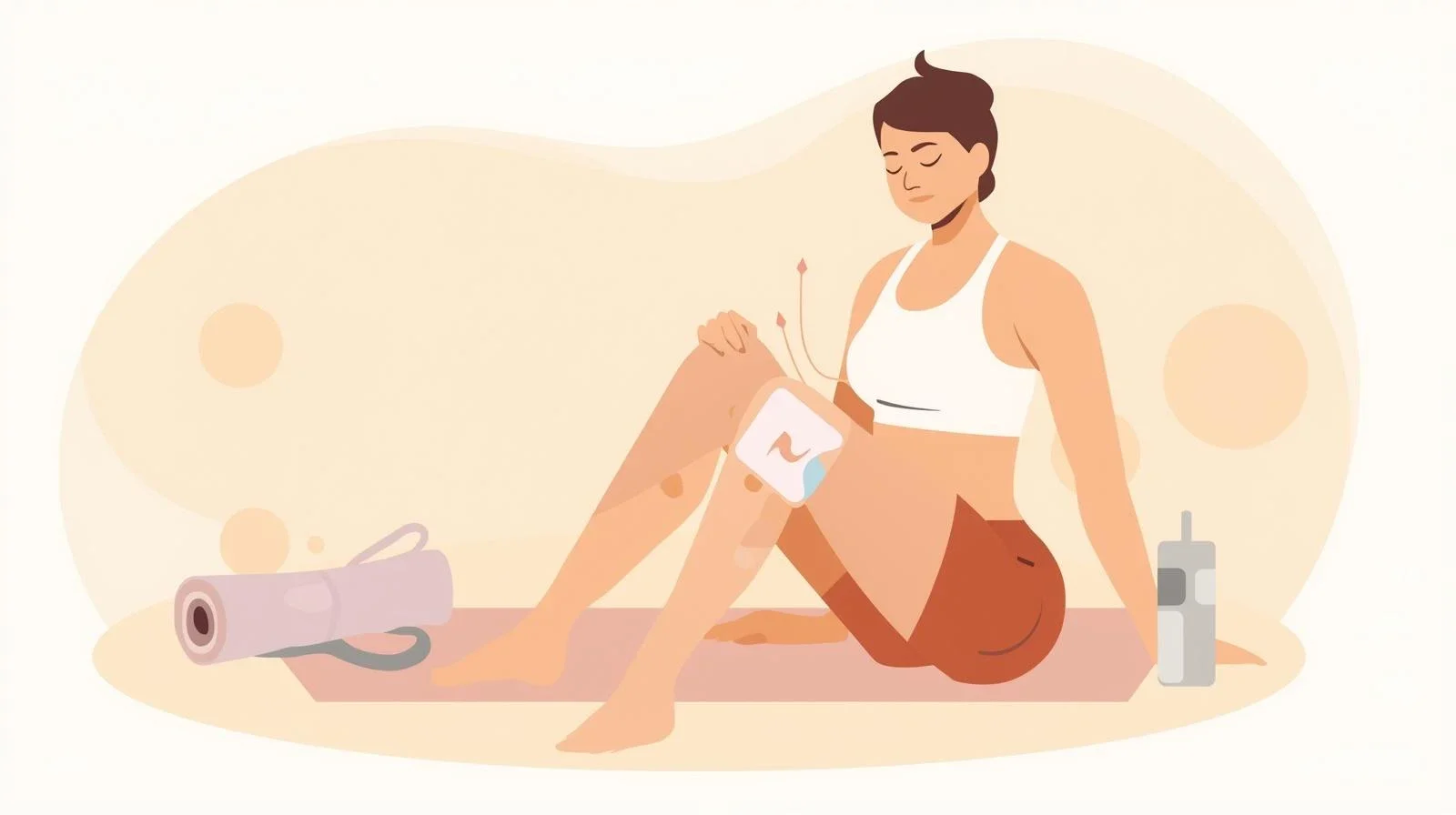
If the pain feels more like an injury, you need to cease the movement that caused it. Early treatment may involve rest, ice and avoiding the exercise that caused the pain. For many muscle strains, rest and a little home care early on can assist. [5]
And then to also monitor the pain over the next day or two. If it calms down, that could mean soreness or a mild strain. If things worsen, that is a warning signal. Pain that worsens rather than gets better should not be ignored.
How to Prevent Workout Injuries
The most effective way to prevent injuries in the gym is training according to your structural integrity. Always warm up first! It doesn’t have to be complicated. (Just a couple minutes of gentle moving around can get the body ready for more vigorous exercise.) This warm-up is valuable to minimize stiffness and maximize preparedness. [1]
Good form when exercising also matters a great deal. That even a light load can be dangerous if the technique is poor. Slow, controlled movement is safer than quick, panicked lifting. When your body is aligned properly, the muscles are at work and the joints do not take extra stress. [5]
Gradual progress also matters. Just because you feel motivated, don’t jump into heavy lifting. Ease into increased workload so your muscles, tendons and joints have time to adapt. Recovery is an element of training, not apart from it. The body needs recovery to repair and adapt to become stronger. [6]
Cooling down after physical activity may also be beneficial. Stretching after a workout may keep stiffness at bay and help your body return to a more relaxed state. These habits collectively make up the foundations of workout injury prevention. [8]
When You Should Stop Training
You should stop training if the pain is sharp, sudden or unusual. Pain that alters your movement or leaves you feeling weak is not normal workout soreness. Swelling is another cue to keep an eye out for, particularly if it develops shortly after exercise.
If any joint feels unstable, clicks with pain or refuses to move as it’s meant to, that is also a reason to stop.” Numbness or tingling should never be dismissed. These symptoms indicate something more than regular soreness might be at play. [4]
Training with the wrong kind of pain does more harm than good. Better to rest now than lose the entire close-down, weeks of training later.”
When to See a Doctor
If the pain lingers for more than a few days, recurs or worsens instead of improving, you should have it checked out. Do not ignore pain, swelling or discomfort that severely restricts normal motion. Pain accompanied by numbness, tingling or weakness is also a reason to seek medical attention. [3]
Consulting a doctor or physiotherapist early can help get to the bottom of it before it becomes serious. The sooner you know the cause, the sooner you can safely resume training.
Why Workout Injury Prevention Matters
Getting hurt at work is not just when you experience discomfort. It is about remaining active all the time. When injury occurs, it breaks your momentum, lessens motivation and most people dread exercise. Effective prevention allows you to train longer and safer.
The main idea is simple. Warm up properly. Use good form. Increase slowly. Rest enough. Pay attention to pain. These habits are minor, but add up significantly over time. [1] [8]
Conclusion
Pain from the gym and injury from the gym are different things. Normal soreness is typically dull, short-lived and tied to exercise effort. Pain from injury is often sharp, persistent, swollen or limiting. Understanding the difference enables you to protect your body and prevent more serious issues. [2]
And if you’d like to remain fit in the long term, the surest route is smart training. Train gradually, practice good form and technique, take rest days when required and never ignore signs of injury. This is the true definition of workout injury prevention. [1]
FAQs
Normal soreness is typically dull, diffuse and resolves within a few days. Pain from injury is usually sharp, swollen or movement limiting.
If the pain is sudden, increasing or making it difficult to move, stop training. Mild soreness is one thing, but pain associated with injury should not be trained through.
Rest, avoiding the painful movement and early treatment such as ice may help. Seek medical advice if symptoms do not improve.
Prepare properly, stretch and let your body adjust after rigorous exercise. Informed: The Foundations of Workout Injury Prevention
Seek medical attention if the pain is severe, lasts longer than a few days or is accompanied by swelling, numbness, tingling or weakness.
Reference
- NHS. (n.d.). How to warm up before exercising.
https://www.nhs.uk/live-well/exercise/how-to-warm-up-before-exercising/ - MedlinePlus. (2024). Muscle soreness.
https://medlineplus.gov/ency/article/003178.htm - Mayo Clinic. (2024). Muscle strain – Symptoms and causes.
https://www.mayoclinic.org/diseases-conditions/muscle-strain/symptoms-causes - American Academy of Orthopaedic Surgeons (AAOS) OrthoInfo. (n.d.). Exercise and injury prevention.
https://orthoinfo.aaos.org/en/staying-healthy/exercise-and-injury-prevention/ - Cleveland Clinic. (2023). Sports injuries: Types, treatments & prevention.
https://my.clevelandclinic.org/health/diseases/12119-sports-injuries - MedlinePlus. (2024). Overuse injuries.
https://medlineplus.gov/overuseinjuries.html - American Academy of Orthopaedic Surgeons (AAOS) OrthoInfo. (n.d.). Sprains, strains and other soft-tissue injuries.
https://orthoinfo.aaos.org/en/diseases–conditions/sprains-strains-and-other-soft-tissue-injuries/ - NHS. (n.d.). How to stretch after exercising.
https://www.nhs.uk/live-well/exercise/how-to-stretch-after-exercising/