If your feet feel throbbing, tired, or strained after a long day of standing in the kitchen making rotis, walking through busy local markets, or commuting in flat chappals, the problem usually isn’t just your shoes; it’s a lack of proper support inside them. That is where the arch support benefits come into play: internal support keeps your foot feeling more stable, relieves pressure in places that aren’t meant to bear it, and eases everyday walking or standing.[1] [4]
Who Can Benefit Most?
- Flat Feet (Overpronation): Prevents the foot arch from collapsing inward and straining your ankles.
- High Arches: Distributes body weight evenly so the heel and ball of your foot don’t absorb all the impact.
- Daily Walkers & Standing Professionals: Provides a stable foundation that reduces overall foot fatigue.
Many people pay little attention to arch support, believing that only athletes, seniors, or those with clearly visible foot issues require it. That is not true. Arch support can be helpful because of flat feet, high arches, heel pain, standing on your feet for long periods, and walking all day, offering a simple, practical adjustment that improves how your feet feel day in and day out.
What is arch support?
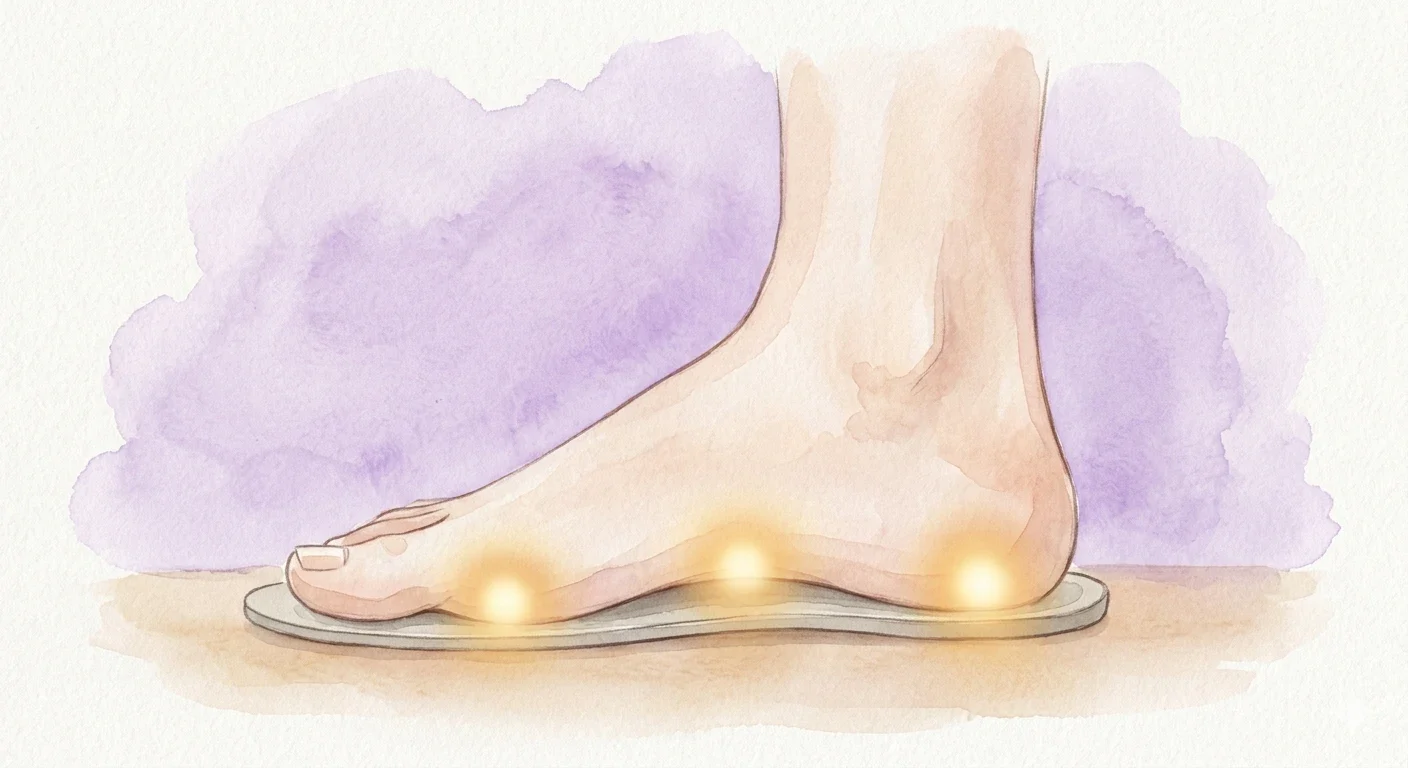
Arch support is the portion of a shoe insert, insole or orthotic designed to support the natural curve on the bottom of your foot. The foot arch acts as a shock absorber & helps distribute body weight while standing and walking. And when that support is weak or inconsistent, the foot can feel tired or painful. [4]
Foot and ankle support is frequently in the form of orthotics or arch supports. They can also alleviate symptoms in those with flat feet or high arches. This is why arch support goes beyond comfort. It is also about how your feet function when moving.[3]
Why arch support matters more than you think
Arch support is great because it can shift the way pressure flows through your foot. Rather than one area taking too much strain, the support helps load to be distributed more evenly. This can decrease pain and fatigue when walking, standing or performing everyday tasks. [3]
Arch support might assist individuals who do not even recognise that their feet are the source of their pain. For instance, pain in the heel or arch, and even tenderness in the ankle or lower leg can all be associated with foot structure and support. NHS mentions that flat feet can occasionally lead to pain around the ankle, lower leg or the inside of the foot. [1]
And arch support can be useful when your shoes are good, but still not great. A shoe can feel comfortable, but if it doesn’t provide the right kind of internal support for your foot, you may still be overworking yourself. That’s why so many people feel a true difference when they add arch support. [3]
The Key Arch Support Benefits for Everyday Comfort
It can reduce foot pain
Pain relief is one of the biggest arch support benefits. MedlinePlus says supportive shoes with proper arch support and cushioning are recommended for foot pain. Nonprescription arch supports may relieve pain from flat feet, according to Mayo Clinic. [2]
This doesn’t mean arch support solves every foot issue. But it can alleviate stress on the foot, which often translates to less pain during daily activity. [2]
This helps people with flat feet
Some cases of flat feet are painless, but when they cause problems, supportive footwear might help. According to the NHS, flat feet usually don’t cause any issues; however, if they do, treatment might vary from providing support to referring someone to a specialist. According to Mayo Clinic, arch supports will typically alleviate symptoms but do not heal flat feet. [2]
So, arch support is useful because it supports function, not because it alters the shape of the foot. [1]
It assists individuals who have high arches
High arches can also cause problems. According to MedlinePlus, a high arch is a foot where the arch is higher than it usually would be. Cleveland Clinic notes that “orthotics can help people with high arches by supporting the foot and increasing comfort when walking.” [4]
Which means that arch support isn’t just for flat feet. It can also assist feet that rest too high and do not dissipate pressure well. [4]
It can improve walking comfort
Walking should not be a chore. Arch support can also help the foot stay in a more stable position while walking, so each step feels steadier. According to the Cleveland Clinic, orthotics can aid in stabilising and supporting the feet and ankles, something that is beneficial when walking or standing. [4]
This is great if you walk frequently in your daily life, have a job that requires you to be on your feet or if you travel often. [3]
It may reduce tired feet
Many of us have described our feet as feeling “tired” after standing or walking for long periods. That fatigued sensation tends to occur when the foot feels like it’s absorbing too much pressure without a lot of support. MedlinePlus explains that long periods on your feet or poor foot mechanics can cause foot pain. [3]
Arch support may help by providing the foot a more stable foundation. Consequently, your feet would feel significantly less fatigued at the end of the day.
It can help with heel pain
One of the most common reasons people seek out support is for heel pain. According to MedlinePlus, heel pain may improve with supportive shoes, inserts and heel pads. Mayo Clinic also states arch supports can help minimise pain caused by flat feet and related foot strain. [2]
When the arch is supported, there may be less pressure on the heel. That’s why heel-pain care often includes arch support. [2]

Who actually needs arch support?
Not every foot requires arch support at all times. But it can benefit many individuals. You might need arch support if you have flat feet, high arches, heel pain, sore arches or tired feet after walking or standing. [1][5]
It may also help if you:
- stand for long hours at work
- walk a lot during the day
- take your feet out of issues in flat or unsupportive shoes
- notice your feet tire quickly
- suffer from chronic pain in your heels or arches
Some just need better walking shoes. Some require shoes and arch support as well. The difference between them depends on the shape of your feet and how much stress they’re taking every day. [1] [4]
Arch support for flat feet
Those with flat feet tend to seek out arch support because the foot is likely to roll inwards more than normal. Flat feet are usually not serious, according to the NHS1, but they can sometimes cause pain. Arch supports, according to the Mayo Clinic, cannot treat flat feet but may alleviate symptoms. [2]
If flat feet are painful, arch support can add stability. That stability can provide added comfort to walking and standing.
Arch support for high arches
High arches can also cause the opposite problem. Rather than distributing pressure evenly, the foot can load up more on the heel and ball of the foot. According to MedlinePlus, high arches are a foot shape that is raised higher than normal. [5]
According to Cleveland Clinic, orthotics can benefit people with high arches by changing the foot’s position and providing more comfort while walking. So if you have high arches, arch support can still be a valuable everyday tool. [4]
Good arch support for standing and walking all day
One of the biggest reasons that people begin to consider arch support is the effects of standing too long. Pressure can build up in the feet if your job requires you to stand on hard floors for many hours. For foot pain, supportive shoes and good arch support are recommended, according to MedlinePlus. [3]
Arch support might help distribute pressure more evenly, so one part of the foot doesn’t take on too much load. This may help make standing and walking easier throughout the day.
How to tell if arch support might be helpful for you
Wearing arch support may be a good fit if your feet:
- ache after long walks
- feel sore after standing
- hurt around the heel or arch
- feel tired in unsupportive shoes
- wear the correct shoes for comfort
An easy hint is this: if better shoes or inserts help your feet feel better, arch support may work for you. [2]
Do arch supports work for everyone?
No, not everyone requires the same type of support. Some people do great in regular shoes, and others need more structure. That’s because everyone’s foot shape, activity level, and causes of pain are different.
Arch support, too, can help symptoms, though it won’t address every reason for foot pain. If pain persists, the cause could require medical treatment. [2]
Choosing the right arch support: Correcting wobbly arches
A proper arch support should feel comfortable, stable, and not overly stiff. It should sit comfortably within your shoe without adding pressure in new areas. Orthotics can vary in materials and designs, such as soft or firm types, according to Cleveland Clinic. [4]
Others with flat feet may find that nonprescription arch supports help, according to the Mayo Clinic. So the right decision is based on your foot shape and the pain you experience.[2]
Everyday habits that make arch support more effective
Arch support is most effective when you also wear supportive shoes and steer clear of worn-out footwear. MedlinePlus recommends wearing comfortable shoes that are cushioned and have good arch support, while advising against narrow-toed shoes and high heels. [3]
Stretching can also benefit some, particularly if the foot is tight or the Achilles tendon is short. In some cases, Mayo Clinic lists stretching among the treatments for flat feet. [2]
Conclusion
Arch support is a game-changer because it aids the foot in doing its job more effectively. It can alleviate pain, enhance comfort, and assist people with flat feet, high arches, heel pain and fatigued feet from prolonged walking or standing. [1][3][5]
The greatest benefits of arch support are straightforward: The right help with the foot, offering better support, less pressure and more comfort, along with easier movement throughout the day. If your feet frequently feel tired or painful, you might be missing out on arch support. [2][4]
Disclaimer
The information provided in this article is for educational and informational purposes only and should not be used as a substitute for professional medical advice, diagnosis, or treatment. Shoe inserts and arch supports are ergonomic comfort tools designed to help distribute weight and improve posture, not medical cures for underlying foot deformities or clinical conditions.
Always consult a qualified physiotherapist, podiatrist, or orthopaedic specialist before introducing new orthotic insoles or support tools, particularly if you manage severe foot conditions, plantar fasciitis, diabetic foot complications, or are recovering from lower-limb surgery.
FAQs
The primary benefits of arch support are improved comfort, decreased pressure on the foot, and enhanced support during walking or standing. It might also alleviate symptoms for flat feet and high arches.
Arch support is often rewarding for individuals with flat feet, high arches, heel pain, arch pain or tired feet. This can also benefit those who stand or walk for long hours.
Yes, arch supports can alleviate symptoms caused by flat feet. They don’t cure flat feet but often help with comfort and support.
Yes, as high arches can benefit from arch support by improving foot positioning and distribution of pressure.
If you find it comfortable and beneficial to your feet, it can be helpful for everyday use. The right support should fit comfortably and be worn inside your regular shoes.
References
- NHS. (n.d.). Flat feet.
https://www.nhs.uk/conditions/flat-feet/ - Mayo Clinic. (2022). Flat feet – Diagnosis and treatment.
https://www.mayoclinic.org/diseases-conditions/flatfeet/diagnosis-treatment/drc-20372604 - MedlinePlus. (2024). Foot pain: MedlinePlus Medical Encyclopedia.
https://medlineplus.gov/ency/article/003183.htm - Cleveland Clinic. (2024). Orthotics: Definition, Risks, Benefits, Types & Tips.
https://my.clevelandclinic.org/health/treatments/orthotics - MedlinePlus. (2024). High arch: MedlinePlus Medical Encyclopedia.
https://medlineplus.gov/ency/article/001262.htm - MedlinePlus. (2024). Plantar fasciitis: MedlinePlus Medical Encyclopedia.
https://medlineplus.gov/ency/article/007021.htm