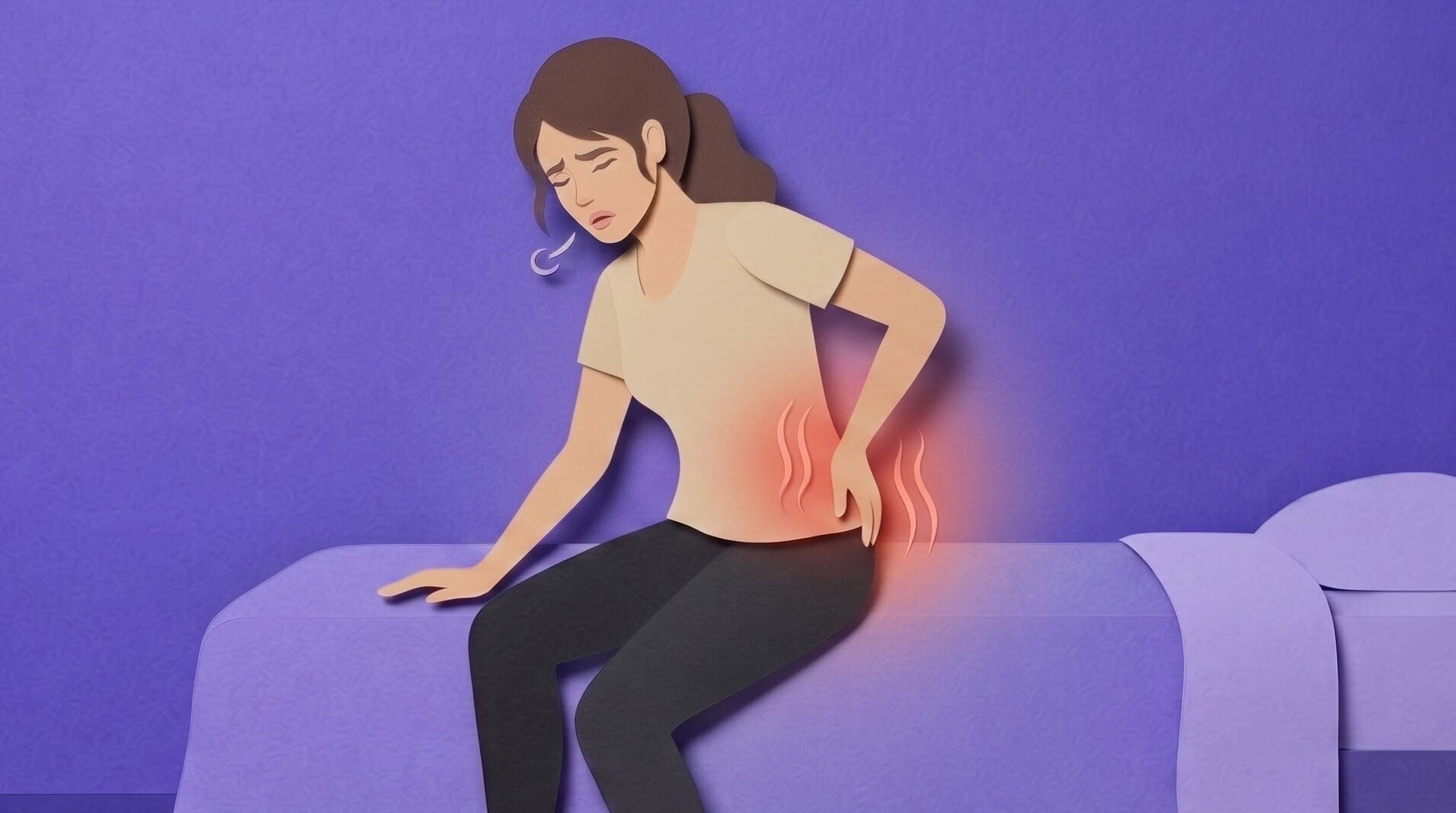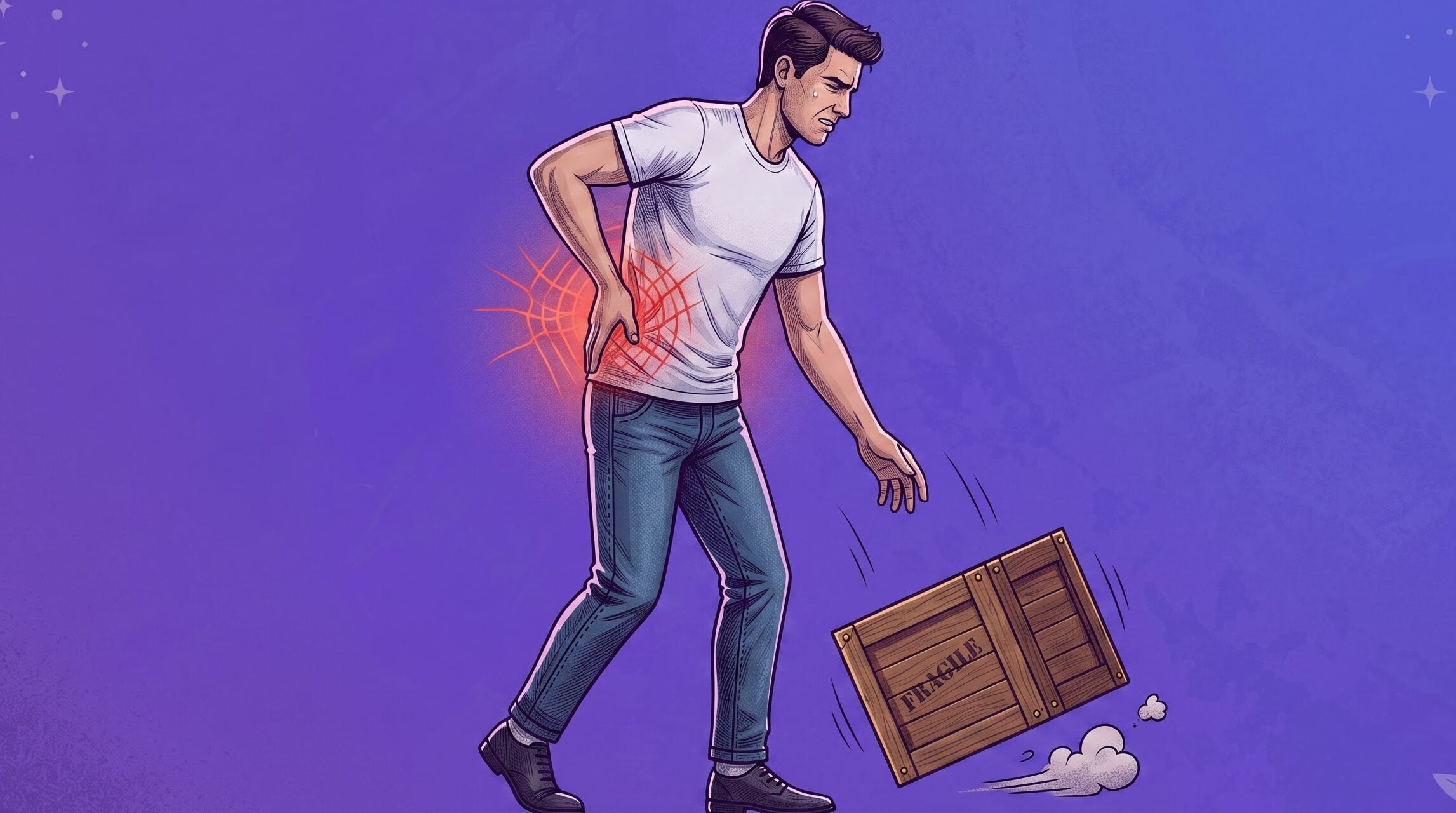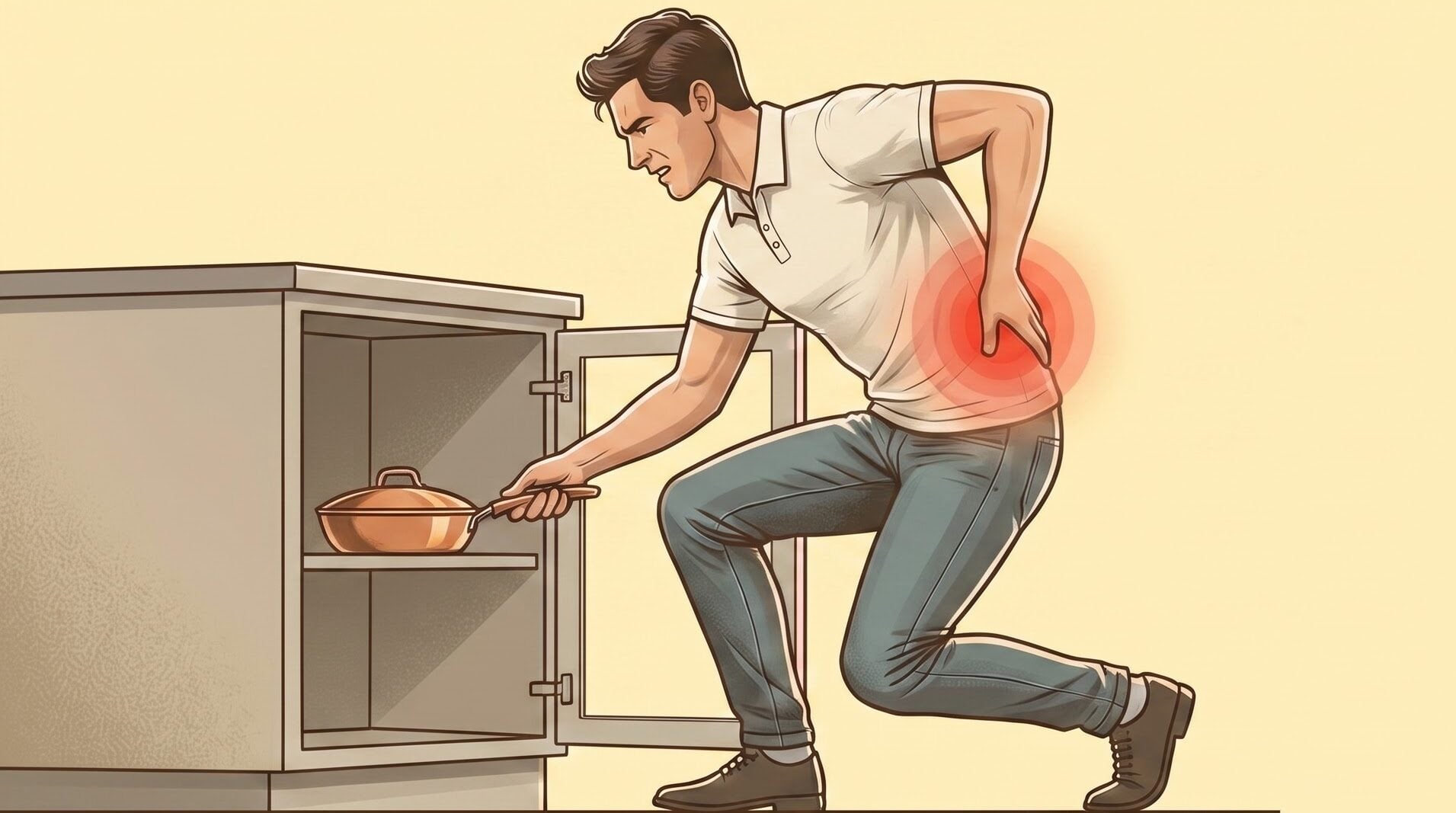




Lower back pain can be maddening because it frequently starts and stops. You might feel perfectly good in the morning but sore after sitting, walking, bending or lifting. Often, the pain remains because the underlying issue is not being addressed. And this is how lower back pain causes become important beyond masking it.
Most back pain is mechanical, it comes from the muscles, ligaments, joints, discs or nearby nerves. Common causes are strain, bad posture, lifting and repetitive movement, and occasionally a trapped nerve or disc problem. Very rarely, back pain can indicate something more serious. [1]
The cause, almost always where groups go astray, is deceptively simple: they treat the pain but not the reason. If the same stress is applied to the lower back every day, the pain may reoccur. In this guide, I explain the most common causes of lower back pain and the treatment options that actually work. [2]
Why lower back pain keeps returning
Lower back pain recurs because we keep putting the body in the same position of stress. A strained muscle, bad lifting habit, excessive sitting hours or inactivity can irritate the lower back constantly. The NHS says there are many causes of back pain, which often resolves on its own, but the cause can matter if it keeps coming back. [2]
In addition, prolonged sitting, prolonged standing and repetitive bending can all exacerbate pain. Movements such as bending, twisting, lifting, standing and walking can worsen back pain according to Mayo Clinic. “That means the pain is usually associated with daily movement habits, not one bad moment.
A simpler way to think about this is that if your lower back pain keeps recurring, the issue might be with your routine, or how you’re posturing yourself, or how you’re loading the spine on a daily basis. [7]
Back pain causes: the most common reasons for your back to hurt
1) Strain of muscle or ligament
Probably the single most common cause of lower back pain is a strain. That occurs when a muscle or ligament is overstretched, or inflamed. Both the NHS and Mayo Clinic cite most back pain cases are attributable to muscle strain. It can occur after lifting, jerking, repetitive motion or bad posture. [6]
This kind of pain often feels achy, stiff or tight. It may be better with rest, changes in movement and simple home care. According to MedlinePlus, short-term low back pain is typically treated with a couple of days of activity restriction, ice or heat and over-the-counter analgesics as needed. [3]
2) Sitting for long periods with a bad posture
Sitting for long periods with poor posture can cause pressure on the lower back. Good sitting posture supports the spine’s natural curve, according to Cambridge University Hospitals, which helps minimize strain. If you sit slumped or remain in any one position too long, your lower back can become fatigued and hurt.[3]
That is part of why office workers, students and drivers frequently develop lower back pain even when they haven’t carried anything heavy. The solution is not always a massive injury. Often it is too much pressure from the incorrect position for too long.
3) Disc problems
The spine also contains discs that can cause lower back pain sometimes. According to the NHS, a slipped disc can be among the causes of back pain. Structural changes in the spine are another part of the cause picture, according to Mayo Clinic. A disc problem might also inflame nearby nerves.
If a disc is involved, the pain may radiate, be sharp in nature or get worse with certain movements. That is one reason that back pain treatment is based on the underlying cause rather than just the pain.
4) Sciatica
Sciatica is one common reason that lower back pain can seem stubborn. According to the NHS sciatica is due to irritation or compression of the sciatic nerve, and pain generally begins in the lower back and moves down a leg.
That can make the pain feel different from your run-of-the-mill muscle ache. Sciatica usually occurs when a herniated disc or bone overgrowth presses on nerve roots in the lower spine, according to the Mayo Clinic.
5) Spinal stenosis
Another potential cause is spinal stenosis. According to Mayo Clinic, it occurs when there is not enough space within the backbone, which means there can be pressure on the spinal cord and nerves. It typically occurs in the lower back, where it can trigger pain, tingling, numbness or weakness.
That’s why lower back pain should not be viewed as a single condition. Diverse causes require diverse treatment plans.
6) Inflammatory conditions
Inflammatory conditions can also cause back pain. Interference of mechanical changes, inflammatory states or other medical problems may lead to back pain according to Mayo Clinic. Ankylosing spondylitis is also typically listed by the NHS as a potential cause of back pain.
This matters because inflammatory pain may require treatment different from a simple strain. This is yet another reason why discovering the actual lower back pain causes is paramount. [6]
7) Inactive/ Weakened Core
Mayo Clinic says improper lifting, bad posture and no regular exercise contribute to back pain. When the muscles that stabilize the spine aren’t functioning as they should, the lower back can bear additional burden.
That does not mean that exercise solves everything immediately. But that also means the back often requires movement, not simply rest. Guy’s and St Thomas’ recommend physiotherapy, which can help improve strength, confidence in movement, and pain management. [7]
8) Weight-related pressure
Being overweight has been shown to raise the likelihood of back strain and sprains, according to the Mayo Clinic. Excess body weight can put strain on the spine and its supporting muscles.
This is not about blame. It is just one more thing that can prove stressful to the lower back. If multiple causes play out at the same time, your pain may become more persistent.
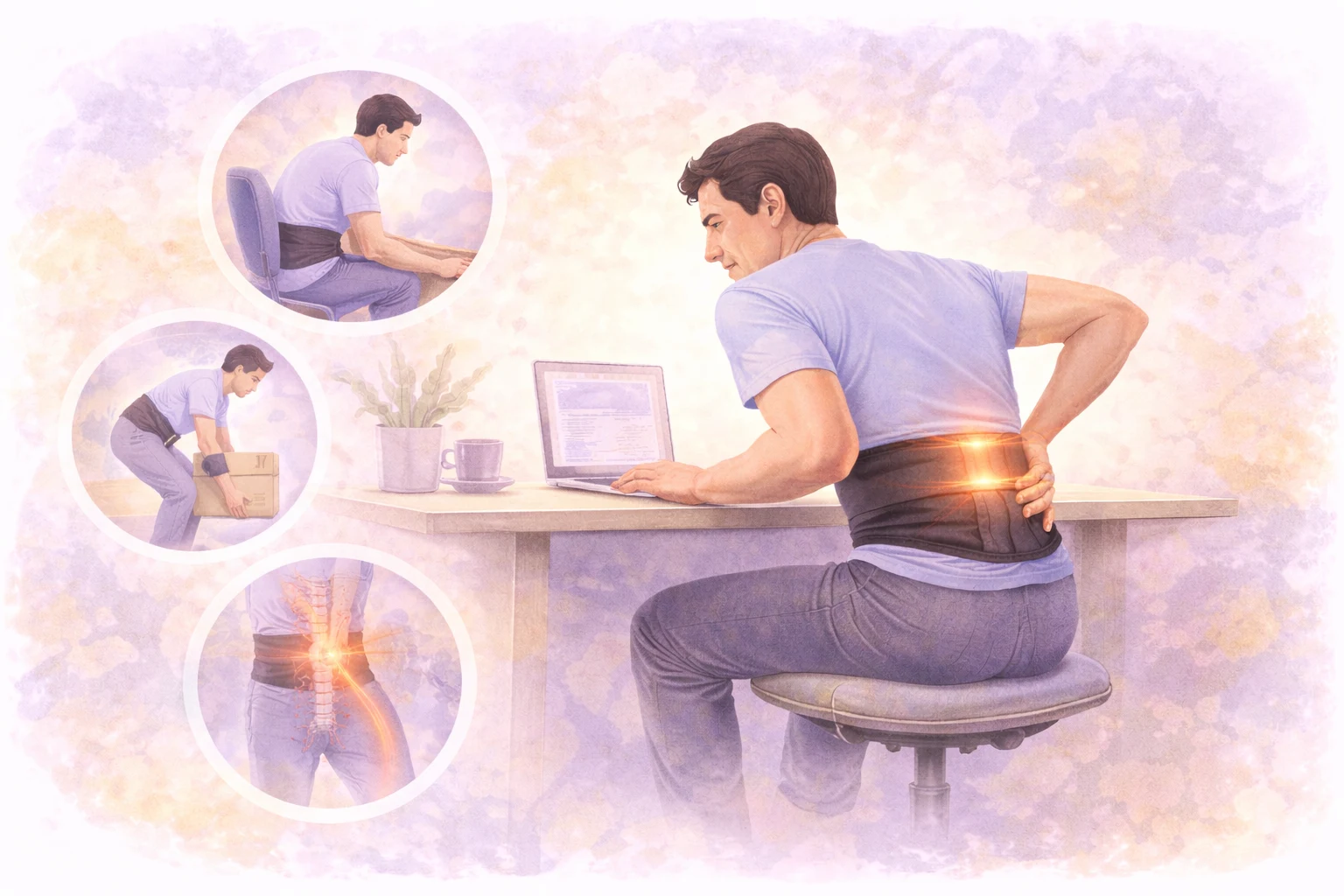
At least a reason that most people don’t know about
The secret reason so many people do not get better is that they only treat the symptoms. They might rest a few days, take some pain relief or apply heat, then return to the same motor pattern. And if the original trigger remains, the pain can return.
If your pain stems from how you’re sitting, for example, you might need to invest in a better setup for your chair and take more movement breaks. If it’s from lifting repeatedly, you might need safer lifting habits and stronger core support. If it’s arising from sciatica, addressing the nerve irritation itself may require an alternative route.
This is the core takeaway regarding lower back pain causes: this “effective” strain isn’t always the whole story; often, pain itself is a signal.
What treatment actually helps
Rest, but only a little
For acute low back pain, MedlinePlus says stopping or reducing normal activity for the first few days may be beneficial. But Mayo Clinic also warns against bed rest, and many people handle recovery better with movement instead of full rest.
Thus the object is not to prevent all motion. The objective is to relax the ache without turning stiff and comatose.
Ice or heat
MedlinePlus suggests ice at first, for 48 to 72 hours after a flare and then heat later as needed. “The body is amazing at repairing itself,” Mayo Clinic also says, adding that some instances might need only pain relievers and heat.
That can help with soreness, but it’s only one piece of care. If the cause remains at work, the pain can return.[3]
Exercise and physiotherapy
Guy’s and St Thomas’ say physiotherapy can assist in determining what is causing low back pain, and help plan rehabilitation. It also states that exercise may increase fitness, movement confidence and strength.
That matters because many problems in the lower back can get better when the appropriate muscles strengthen and movement becomes easier. The NHS also advises gentle activity to ease pain and stiffness.
Medicines
According to MedlinePlus, treatment for back pain may include medications depending on the cause. That can mean pain relief and anti-inflammatory medicine if indicated. [5]
But medicines suppress symptoms, not necessarily the underlying reason. That is why they are often used in conjunction with movement, changes in body postures, and other steps of treatment.
Manual therapy and other treatments
Some low back pain cases may respond to treatments like physical therapy, spinal manipulation, acupuncture and relaxation techniques, according to MedlinePlus and Guy’s and St Thomas’. These may be helpful, depending on the category of pain. [4]
Again, the right treatment will depend on what’s causing the pain. That is why diagnosis matters.
Surgery
Most back pain improves without the need for surgery. Surgery is typically not recommended for the condition and usually would be regarded only if other therapies have failed, according to Mayo Clinic.
That’s another reason not to panic when back pain strikes. Most cases will improve with the appropriate non-surgical treatment.
When to get help
You should seek medical care if your back pain is severe, does not improve, accompanies leg weakness, numbness or changes to bladder or bowel function, or occurs after a serious injury. Very rarely, however, back pain can be a sign of serious issues such as an infection, cancer or broken bone according to the NHS.
You should also seek treatment if the pain keeps coming back or even begins to interfere with daily life. And if it’s related to sciatica, spinal stenosis or some other nerve problem, a health care professional can help determine the next steps.
What you can do today
A straightforward back-friendly routine, often more than people think. Walk to and fro, don’t sit long without any activity, correct the posture and repeat using the same wrong way of lifting. Both NHS and Guy’s and St Thomas’ recommend regular movement and exercise as part of the care for low back pain.
If your work involves sitting, ensure that your chair supports your lower back. Your work type of job, does it involve lifting? Review how you do this. When pain keeps reappearing, do not close your eyes to it. The cause could still be running.[7]
Conclusion
The reason your back pain won’t go away that no one can seem to fix is often simple: the cause is still present. The pain may stem from a strain, posture, disk problems, sciatica, arthritis, spinal stenosis or some other problem. For this reason, lower back pain causes and treatment must always be viewed in tandem.
The underlying pain also touches many, and they experience relief when the right cause is treated rather than just anesthetized. Rest, heat or ice, improved posture, exercise and physiotherapy can all help depending on the problem.
So if your lower back pain recurs, don’t just ask how to numb it. Ask what is causing it. That is where the real solution begins.
FAQs
Common causes include muscle strain, poor posture, disc issues, sciatica, arthritis and long periods of sitting or standing. It can less commonly be associated with spinal stenosis or inflammatory conditions.
No. Data are not out until October 2023 You might also like Most back pain is mechanical and tends to improve over time. But serious symptoms, injury or pain with numbness or weakness should be evaluated by a healthcare professional.
Treatment depends on the cause. Some examples are short rest, ice or heat, exercise/physiotherapy, pain relief and postural changes.
Yes. Long periods of poor posture sitting can cause strain to the lower back, worsening pain. Adequate sitting posture and movement breaks is one solution.
Consult a doctor if the pain is severe, persistent, was preceded by an injury or is accompanied by numbness, weakness or changes in bladder or bowel function. Those signs could indicate a more serious issue.
References
- NHS. (n.d.). Back pain. https://www.nhs.uk/conditions/back-pain/
- Mayo Clinic. (2024). Back pain – Symptoms and causes. https://www.mayoclinic.org/diseases-conditions/back-pain/symptoms-causes/syc-20369906
- MedlinePlus. (2025). Low back pain – chronic. https://medlineplus.gov/ency/article/007422.htm
- MedlinePlus. (2024). Low back pain – acute. https://medlineplus.gov/ency/article/007425.htm
- NHS. (n.d.). Sciatica. https://www.nhs.uk/conditions/sciatica/
- Mayo Clinic. (2024). Spinal stenosis – Symptoms and causes. https://www.mayoclinic.org/diseases-conditions/spinal-stenosis/symptoms-causes/syc-20352961
- Guy’s and St Thomas’ NHS Foundation Trust. (n.d.). Low back pain – Physiotherapy and exercises. https://www.guysandstthomas.nhs.uk/health-information/low-back-pain-physiotherapy-and-exercises