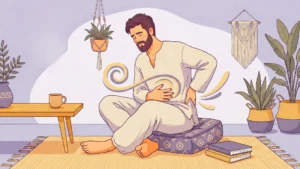






For decades, the default advice for people with back pain was to stay in bed. Sit less. Lie down. Avoid movement.But silent modern research has turned that advice on its head.
The human back was made for moving, not for staying in place. When movement vanishes, stiffness fills the void. Muscles weaken. Circulation slows. Pain becomes louder, not quieter. That’s why so many people don’t feel better from their back pain even after rest. Sometimes, it gets worse.
Yoga offers a different approach. Not aggressive workouts. Not forced stretching. But rather mindful, measured movement that restores how the body should work. Done right, yoga is therapy, it isn’t just exercise. Instead of focusing separately on the nervous system, the muscles and the spine, it works with them together.
In a world that has us sitting too long, hunching over screens and other activities that aren’t the best for our bodies, yoga is like pressing “reset.” One that teaches the body to relearn balance, alignment and ease.
What Is Back Pain and Postural Stress?
You don’t incur back pain from one dramatic event. It is typically more of a slow burn, a gradual accumulation through tiny daily habits.
Muscle Imbalances and Modern Life
Sitting for hours on end compresses the hip flexors and totally undermines the glutes. Slumping rounds and compresses the chest, which in turn stretches and pulls on the middle back. In the end, these deviations extract the spine from its middle neutral position and thus lead to increasing strain on muscular and articulating structure [1].
The Sedentary Lifestyle Effect
Lack of mobility decreases blood to the spinal tissue. This slows the healing, and causes it to heal more stiff. Studies have demonstrated a strong association between inactivity and chronic low back pain with desk-based groups [2].
Posture Is More Than Sitting Up Straight
Posture is how you stand, move, sleep and even breathe. A bad posture can exert more compressive forces on your spine, particularly your lumbar and cervical spine. Cumulative muscle tension, like being kept in a “stressed-out” position to view the computer, can irritate discs and lead to muscles that are constantly tired or strained.
Yoga is a remedy that deals with the root causes rather than their signs and symptoms.
How Yoga Reduces Back Pain Naturally?
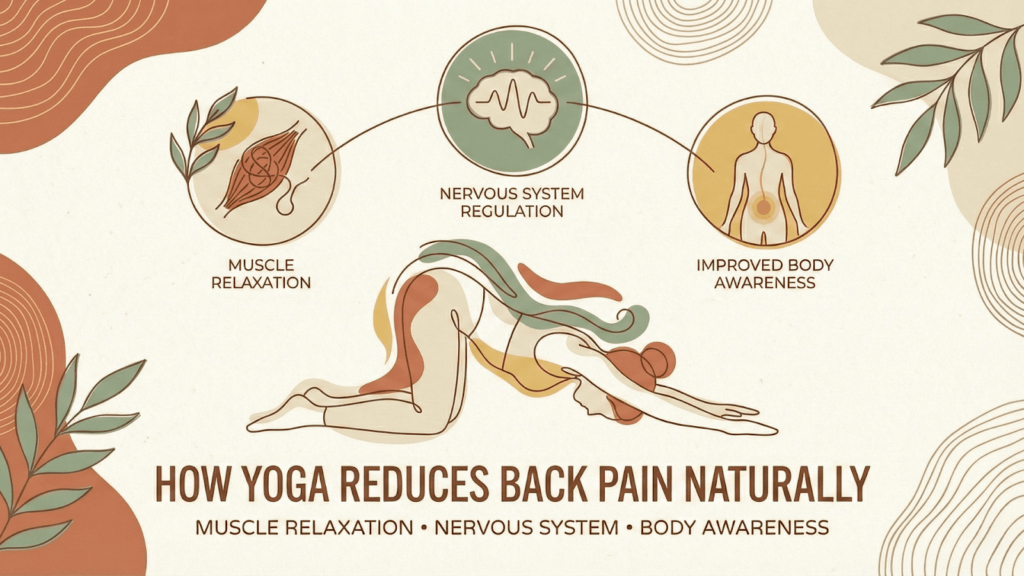
The mechanism by which yoga works is not unimodal but through multiple overlapping systems to alleviate back pain.
Muscle Relaxation and Tension Release
Slower, more controlled poses cause the muscles to let go of their chronic holding patterns. This cuts down on guarding tension which oftentimes causes much of the pain, more than actual structural damage.
Nervous System Regulation
When you are in a fight or flight position for a long time, both mentally and physically. The body has no chance to clean the house. The kids will yell and scream, because you have turned off that option.” Yoga activates the parasympathetic nervous system, moving your body out of constant “fight or flight”. This decreases sensitivity to pain and muscle guarding, so movement feels safe again[3].
Improved Body Awareness
By moving slowly and paying attention to alignment, yoga also enhances your proprioception. This helps people use their bodies more effectively throughout the day, and makes it less likely that they will overuse or strain their backs.
Epidemiological studies also suggest that yoga may be an effective intervention for people with low back pain [3].
Yoga and Flexibility: Restoring Healthy Range of Motion.
Flexibility is not being able to touch your toes. It’s not about exercise; it’s about rebalancing movement through joints and tissues.
Fascia and Muscle Length
Fascia is a type of connective tissue that envelops muscles and nerves. When you don’t move much, fascia becomes stiff. Yoga increases the hydration of fascia and its elasticity corresponding to more relaxed muscles with smaller stiffness [5].
Joint Mobility Without Overstretching
Yoga focuses on controlled mobility, not extreme flexibility. This helps to safeguard the joints while enabling small improvement in movement.
Flexible Muscles Protect the Spine
The more free-moving the muscles, the less stress is absorbed by your spine. Healthy flexibility will spread the work over a larger area of the body, decreasing the chance for overuse injuries.
Yoga for Posture Correction and Alignment
Posture is habit, not a position. Yoga helps retrain those habits.
Developing Spine Awareness
Yoga promotes body awareness and balance in spinal curves. This awareness influences everything they do, whether sitting, walking or lifting.
Core Engagement Without Rigidity
Instead of tensing up ready to get hit, yoga instructs in power with softness. This holds the spine in place while still allowing it to bend naturally.
Repetition Builds New Patterns
Over time, regular exposure to neutral alignment re-patterns postural habits. This is also why consistency trumps intensity.
Eventually, better alignment decreases fatigue, muscle strain and excessive wear and tear on the spine.
Yoga, Core Strength and Spinal Stability
A healthy spine relies on the deep core muscles and not fact that someone has visible abs.
The Role of Deep Stabilizers
Such muscles as the transverse abdominis and multifidus are also segmental supporters of the spine. Yoga works these muscles with slow and controlled movements [6].
Strength Without Compression
And unlike heavy strength training, where you’re compressing the joints of your spine, yoga strengthens the stabilizers. That’s what makes it so valuable for individuals who have suffered from back pain.
Everyday Protection
A firm core will allow more efficient movement patterns in daily tasks with less stress while sitting, standing and bending.
Breathing, Stress, and Their Impact on Back Pain
Stress is closely linked to back pain.
Stress Tightens Muscles
Long-term stress leads to muscle tone, particularly at neck and low back. This decreases mobility and worsens symptoms [7].
Diaphragmatic Breathing and the Spine
The coordination between the diaphragm and core muscles is enhanced, leading to better spinal stability. Breath and movement are inextricably connected, and yoga acknowledges our interconnectedness with this connection.
Mind-Body Pain Relief
Yoga would dampen down the nervous system and therefore pain amplification. This is especially useful for those with long term or stress related back pain.
Best Yoga Poses for Back Health and Posture
These are some of the most recommended postures for supporting and keeping our spine flexible.
1. Cat-Cow Pose
This spinal twist allows for more movement and better circulation through the back. It helps release tension from seat posture and promotes consciousness of the movement of length in your spine.
2. Child’s Pose
Child’s pose opens up the lower back and de-stresses the nervous system. It stretches in a nice, gentle (but not too easy!) manner that doesn’t make me cringe, so it’s perfect for recovery days.
3. Cobra Pose
Cobra Stretching: The cobra pose strengthens the lower back and opens the chest. When done properly, it fights against rounded posture and encourages spinal extension.
Slow, without pushing the range or your breath.
How Often Should You Practice Yoga for Back Pain?
Beginner-Friendly Frequency
Doing yoga 3-5 days a week demonstrates effects on back pain and posture [4. Even short sessions are effective.
Short Daily Sessions vs Long Weekly Ones
Consistency matters more than duration. You’ll generally get more results from 10–20 minutes per day, every day, than from going longer but less consistently.
Safety Tips
Don’t do anything that hurts sharply, move slowly and pay attention to your breath. Adjustments are not weakness; they are intelligence.
Lifestyle Support for Long-Term Posture Health
Yoga works best when supported by daily habits.
Sleep and Spinal Alignment
Sleep posture affects recovery. Supportive pillows that maintain cervical alignment reduce overnight strain and improve muscle relaxation.
Daily Movement Habits
Standing breaks, gentle stretching, and posture awareness reinforce yoga benefits throughout the day.
Subtle Support Tools
Posture-supportive cushions and recovery pillows help maintain alignment during rest. This aligns naturally with Betterhood’s philosophy of supporting the body during both movement and recovery, not forcing correction.
Conclusion: Consistency Over Intensity
Back health is not built through extremes. It is built through small, consistent choices repeated over time.
Yoga teaches the body how to move again, how to breathe again, and how to rest without tension. When paired with supportive recovery habits, proper posture support, and mindful daily movement, it becomes a long-term investment in spinal health.
The goal isn’t perfect posture or pain-free perfection. It’s ease. Stability. And a body that feels supported, not strained, as you move through everyday life.
Explore More Health & Wellness Solutions:
Want to stay informed about wellness and everyday health issues? Here are some insightful reads to guide you. Explore the links below for practical tips and solutions:
- Struggling to Breathe? Here’s a Simple Postural Drainage Routine to do at Home
- Acupressure Points in the Foot: Benefits, Chart & Pressure Techniques
- How Can Knee Cap Support Help Prevent Injury and Reduce Pain While Running
Frequently Asked Questions:
Yoga does not replace professional help in case of injury or nerve involvement but only contributes to recovery.
Yes, it is, especially when practiced gently and consistently: pain and function improve gradually.
Most people note changes in their awareness within several weeks, while visible improvement can be seen in months.
Yes, gentle yoga is safe to do every day, even the most demanding postures and focused breathing sessions. Even 10-20 minutes a day can keep spinal mobility, decrease stiffness, and help condition healthy postural habits without dramatic loading.
The strength, flexibility and body awareness developed in yoga are essential for the prevention of back pain recurrence. With proper ergonomics as well as conscious movement, it dramatically minimises the chances of a posture-induced pain in the long run.
References
- Kendall, F. P., McCreary, E. K., & Provance, P. G. (2005). Muscles: Testing and function with posture and pain (5th ed.). Lippincott Williams & Wilkinshttps://books.google.co.in/books/about/Muscles.html?id=AgRkvidspkMC&redir_esc=y
- Inactivity and chronic low back pain association**
Saper, R. B., Sherman, K. J., Delancey, J. O., et al. (2017). Yoga versus mind-body group therapy for chronic low back pain among older adults: A randomized controlled trial. Annals of Internal Medicine, 166(11)https://pmc.ncbi.nlm.nih.gov/articles/PMC4878447/ - Yoga nervous system regulation and pain sensitivity**
Wieland, L. S., Skoetz, N., Pilkington, K., Vempati, R., D’Adamo, C. R., & Berman, B. M. (2017). Yoga treatment for chronic non-specific low back pain. Cochrane Database of Systematic Reviews, 1, https://pubmed.ncbi.nlm.nih.gov/23246998/ - Yoga frequency for back pain improvement**
Sherman, K. J., Wellman, R. D., Hawkes, R. J., Phelan, E. A., & Tse, D. (2024). Effectiveness of virtual yoga for chronic low back pain: A randomized clinical trial. JAMA Network Open, 7(11), e2442948.https://jamanetwork.com/journals/jamanetworkopen/fullarticle/2825746 - Yoga fascia hydration and elasticity**
Schleip, R., & Müller, D. G. (2012). Training principles for fascial connective tissue: Scientific foundation and suggested practical applications. Journal of Bodywork and Movement Therapies, 16(1),https://www.frontiersin.org/journals/neurology/articles/10.3389/fneur.2023.1273473/full. - Yoga deep core stabilizers transverse abdominis multifidus**
Willett, G. M., Hyde, J. E., Short, N. C., Blake, S. A., & Callis, J. A. (2015). Increasing core stability with bracing of the anterior chest wall. Journal of Bodywork and Movement Therapies, 19(2),https://jamanetwork.com/journals/jamainternalmedicine/fullarticle/1106098. - Stress muscle tension and back pain correlation**
Cramer, H., Lauche, R., Haller, H., & Dobos, G. (2013). A systematic review and meta-analysis of yoga for low back pain. The Clinical Journal of Pain, 29(5), 450–460.https://pubmed.ncbi.nlm.nih.gov/23246998/