






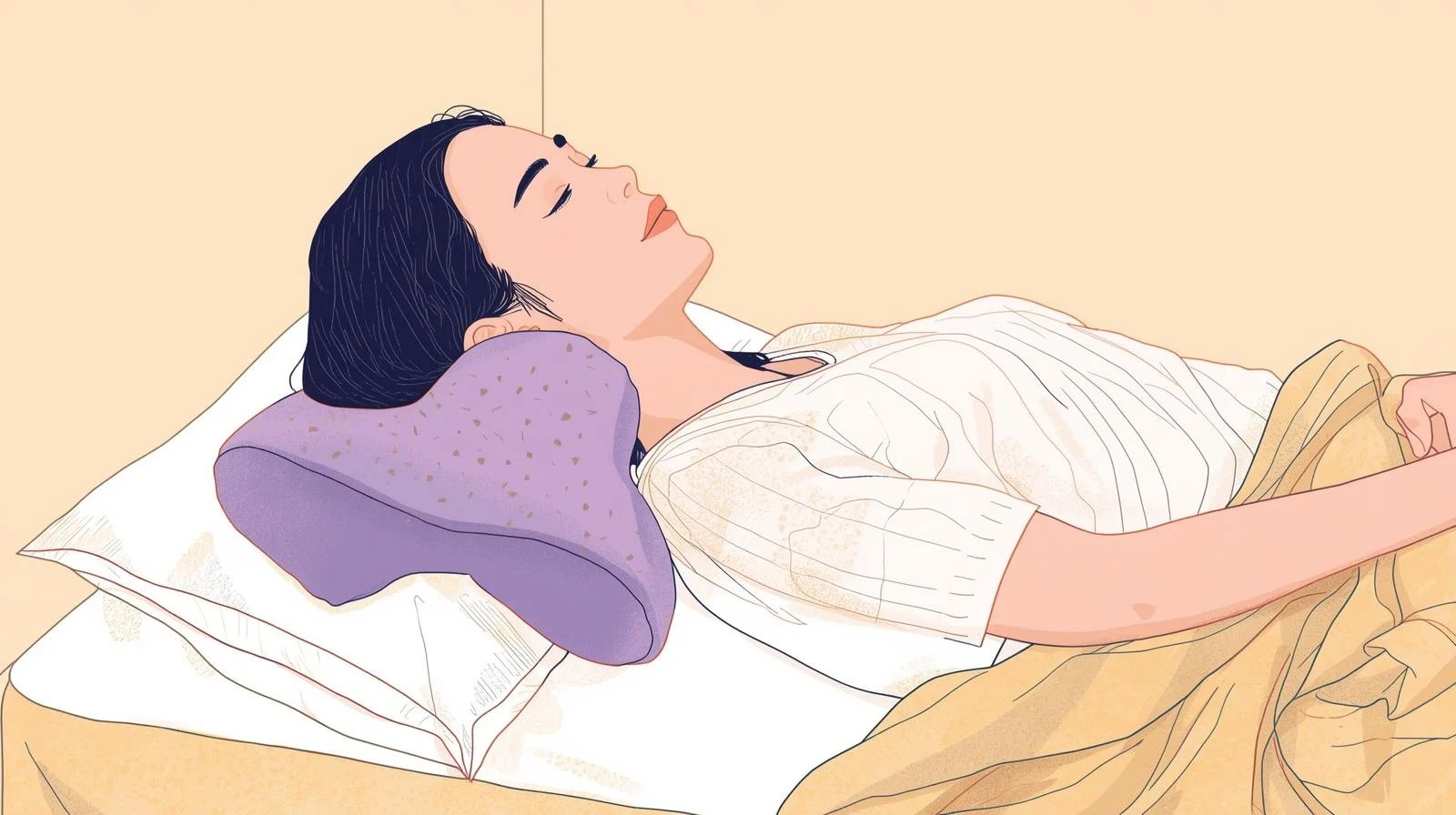
One of the most common sleep-related complaints today is neck pain. Many people wake up with stiffness, soreness or restricted motion in the neck. The nest of trouble is poor sleeping pose and little pillow support, not an injury in most cases. It provides better support for the neck and maintains its natural curve which helps reduce muscle strain, allowing you to recover overnight.
Your neck should be in line with your spine while you sleep. When a pillow is too high, too low or lacks support, the neck bends into non-physiological positions. This exerts stress on muscles, joints and ligaments. This results in stiffness and discomfort over time. A supportive neck pillow would help to maintain cervical alignment and reduce the pressure applied on various structures of the neck. [1]
This comprehensive guide helps you understand how neck pillows alleviate neck pain, the significance of keeping a patient’s cervical curve in mind when sleeping, as well as tips on sleeping to avoid pain and aid recovery.
Understanding Neck Pain During Sleep
Neck pain commonly occurs when we are not supported correctly while sleeping. (The head weighs about 4 to 5 kg, and the neck needs to support this weight for a few hours.) When pillows lack the right support, it forces your muscles to stay active throughout the night.
This leads to:
- Muscle fatigue
- Neck stiffness
- Shoulder tension
- Reduced mobility
- Morning headaches
- Sleep disturbance
Sleeping in a properly aligned position reduces strain and maximizes comfort. [2]
Here are some of the common causes of neck pain during sleep:
- Incorrect pillow height
- Lack of neck support
- Sleeping on stomach
- Flattened old pillow
- Poor mattress support
- Forward head posture
- Long desk hours
- Improper sleeping position
A neck pillow helps mitigate these problems by maintaining cervical spine support.
How Does a Neck Pillow Help You Combat Neck Pain?
A neck pillow helps support cervical lordosis, the healthful inward curve in the neck. This contributes to keeping the head in line with the spine during sleep.
Proper support helps:
- Reduce muscle tension
- Maintain cervical curve
- Improve posture
- Reduce pressure points
- Improve sleep quality
- Promote recovery
Studies show that cervical contour pillows can alleviate neck pain and enhance sleeping comfort by preserving spinal alignment. [3]
When the neck is cradled, muscles release and recovery accelerates overnight.
Some Of The Benefits of Maintaining Cervical Curve
Shoulder Pocket and Cervical Spine: The cervical spine has a natural bending inward. This curve balances head weight distribution and relieves postural strain. This curve must not be lost during sleeping.
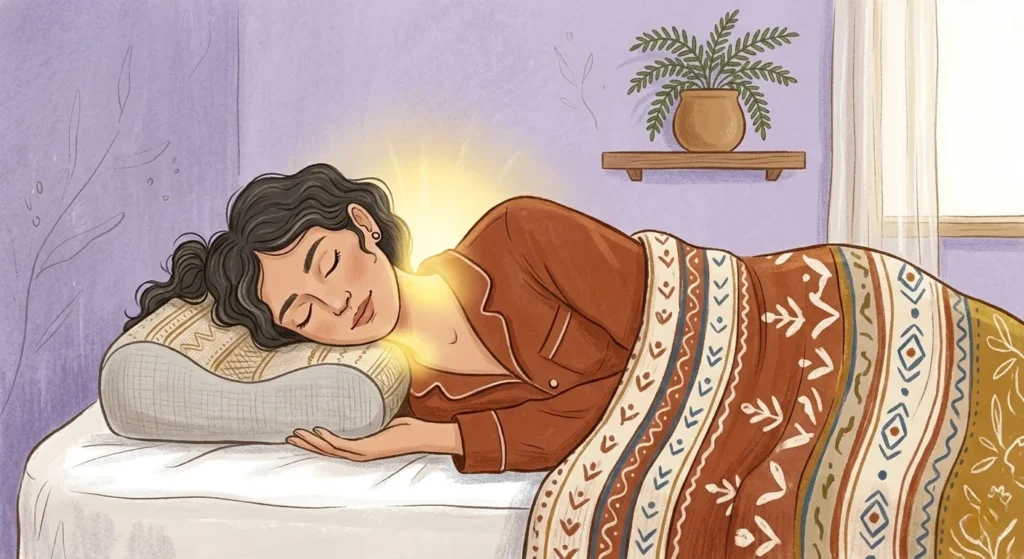
When the curve flattens, muscles have to take over. This increases strain and discomfort. A neck pillow supports the neck and cradles the head, allowing cervical lordosis.
Proper cervical curve support helps:
- Reduce muscle strain
- Improve alignment
- Enhance blood circulation
- Relax neck muscles
- Reduce pressure on joints
- Promote healing
Research indicates that continuing such cervical lordosis while sleeping increases comfort and reduces stiff necks [1]
Why Having Regular Pillows Might Make Neck Pain Worse
Regular pillows prioritize softness, not support. They tend to not retain alignment and flatten during sleep.
Problems with regular pillows include:
- Loss of shape
- Too soft support
- Incorrect height
- No contour design
- Poor neck support
In a sub-optimal posture, there is excessive tension placed on muscles and ligaments that results in discomfort. [5]
Using a neck pillow can help improve posture and reduce pain.
Signs You Need a Neck Pillow for Neck Pain
between the ears phone posts, you might need a neck pillow
- Morning neck stiffness
- Shoulder tightness
- Frequent headaches
- Reduced neck mobility
- Sleep discomfort
- Using multiple pillows
- Pain when turning head
- Frequent neck fatigue
These are signs that your neck is not aligned while sleeping.
What Are the Best Neck Pillow Features for Neck Pain Relief?
Characteristics of a pain relieving neck pillow include:
- Contoured ergonomic shape
- Medium-firm support
- Memory foam material
- Dual height options
- Neck support ridge
- Head cradle center
- Breathable cover
- Pressure-relief design
These aspects promote alignment and don’t create friction.
Best Neck Pillow for Side Sleepers With Neck Pain
Balanced head and shoulder support for deep-sleeping side sleepers In the absence of support, the neck veers to the side.
A neck pillow helps:
- Fill shoulder gap
- Keep spine straight
- Reduce pressure
- Support cervical curve
- Improve comfort
Better alignment means less stiffness and better sleep.A neck pillow helps fill the shoulder gap.
Best Neck Pillow for Back Sleepers With Neck Pain
Cervical lordosis is supported by contour pillows and back sleepers. These pillows cradle the head and also support the neck.
This prevents:
- Forward head tilt
- Neck flattening
- Muscle strain
- Poor posture
Sleepers who lie on their backs often have less stiffness and more recovery.
The Reason Stomach Sleeping Leads to Neck Pain
Sleeping on your stomach twists the neck and also flattens out the cervical curve. This increases strain on muscles.
Sleeping on your back or side helps to align your body to avoid aches and pains.
Are you a sculptor, concrete worker or just a hobbyist?
Memory foam conforms to the shape of head and neck. This is support that stays put all night long.
Benefits include:
- Pressure relief
- Better alignment
- Reduced muscle tension
- Improved comfort
- Durability
The memory foam supports the cervical curve and prevents pain;
Neck Pain Tip: Tips for Better Sleep to Reduce Pain
- Use a cervical support pillow
- Keep head aligned with spine
- Avoid stacking pillows
- Choose medium firmness
- Replace old pillows
- Sleep on back or side
- Avoid stomach sleeping
- Stretch before bed
- Use supportive mattress
- Maintain neutral posture
These recommendations lower strain and promote recovery. [2]
How to Sleep for Neck Pain Relief
Cervical curve support in back sleeping with contour pillow
Sleep on your side, you’ll need the right height to get aligned.
Sleeping on the stomach puts extra strain on the neck and should be avoided.
Proper position helps reduce pain.
How Long Does It Take for a Neck Pillow to Help With Pain
Some people find they improve after a few nights. Others can take one or two weeks. It takes the body time to adapt to this new alignment.
Consistent use improves results.
Extra Benefits of a Neck Pillow for Neck Pain
- Improves sleep quality
- Reduces headaches
- Supports posture
- Reduces shoulder tension
- Improves relaxation
- Prevents stiffness
- Enhances recovery
The right support allows muscles to unwind as you sleep.
Finding the Best Neck Pillow for Neck Pain
Consider:
- Sleeping position
- Pillow height
- Firmness level
- Material type
- Contour design
- Breathability
Often you have to choose the right pillow for a more comfortable night and less pain in the morning.
Conclusion
The neck pillow used for neck pains is important to enhance the comfort of sleeping and assist in healing. Without appropriate support, they remain in action overnight, resulting in stiff or sore necks and reduced mobility. A good neck pillow maintains the natural cervical curve, keeps the head in line with the spine and reduces pressure on joints and soft tissue. This helps relax the neck muscles and aids in better recovery while sleeping [1].
Cervical lordosis must not be forgotten during sleep as this is an essential posture that prevents strain. Unlike traditional pillows that lose shape or flatten, ergonomic neck pillows provide uniform support for various sleeping positions. Back or side sleepers will know that good neck alignment helps to release tension, get better quality of sleep and prevent waking discomfort [3].
Results are further improved when a supportive neck pillow is combined with good sleep habits. The right pillow height, no stomach sleeping and neutral posture can work wonders for neck pain. Long-term support leads to increased comfort, flexibility, and better sleep.
If you frequently wake up with neck pain, switching to a cervical support pillow could be one easy step toward relief and recovery.To ensure you are staying on the right track for long-term health, consider setting longevity goals.
FAQs
Yes, the neck pillow supports the curve of your cervical and relieves the strain on their muscles. This alleviates stiffness and makes it more comfortable to sleep.
It maintains intra-cranial head alignment with the cervical spine and preserves cervical lordosis. This relieves pressure on muscles and joints while sleeping.
Many experts suggest contour memory foam pillows. They guide structured support and help maintain alignment.
Most people start to see improvement within a few days to two weeks. Consistent use helps recovery.
Yes, regular use keeps you aligned and gives you no neck pain.
References
- Gordon, S. J., Grimmer-Somers, K., & Trott, P. (2011). Pillow use: The behaviour of cervical spine symptoms and sleep quality. https://pubmed.ncbi.nlm.nih.gov/21500076/
- Cleveland Clinic. (2022). How to Sleep With Neck Pain. https://health.clevelandclinic.org/how-to-sleep-with-neck-pain/
- Erfanian, P., Tenzif, S., & Guerriero, R. C. (2004). Assessing effects of a semi-customized experimental cervical pillow on symptomatic adults with chronic neck pain. https://pubmed.ncbi.nlm.nih.gov/12803793/
- Sleep Foundation. (2023). Cervical Pillow: Benefits and How to Choose. https://www.sleepfoundation.org/best-pillows/cervical-pillow
- Mayo Clinic. (2024). Neck Pain – Symptoms and Causes. https://www.mayoclinic.org/symptoms/neck-pain


