






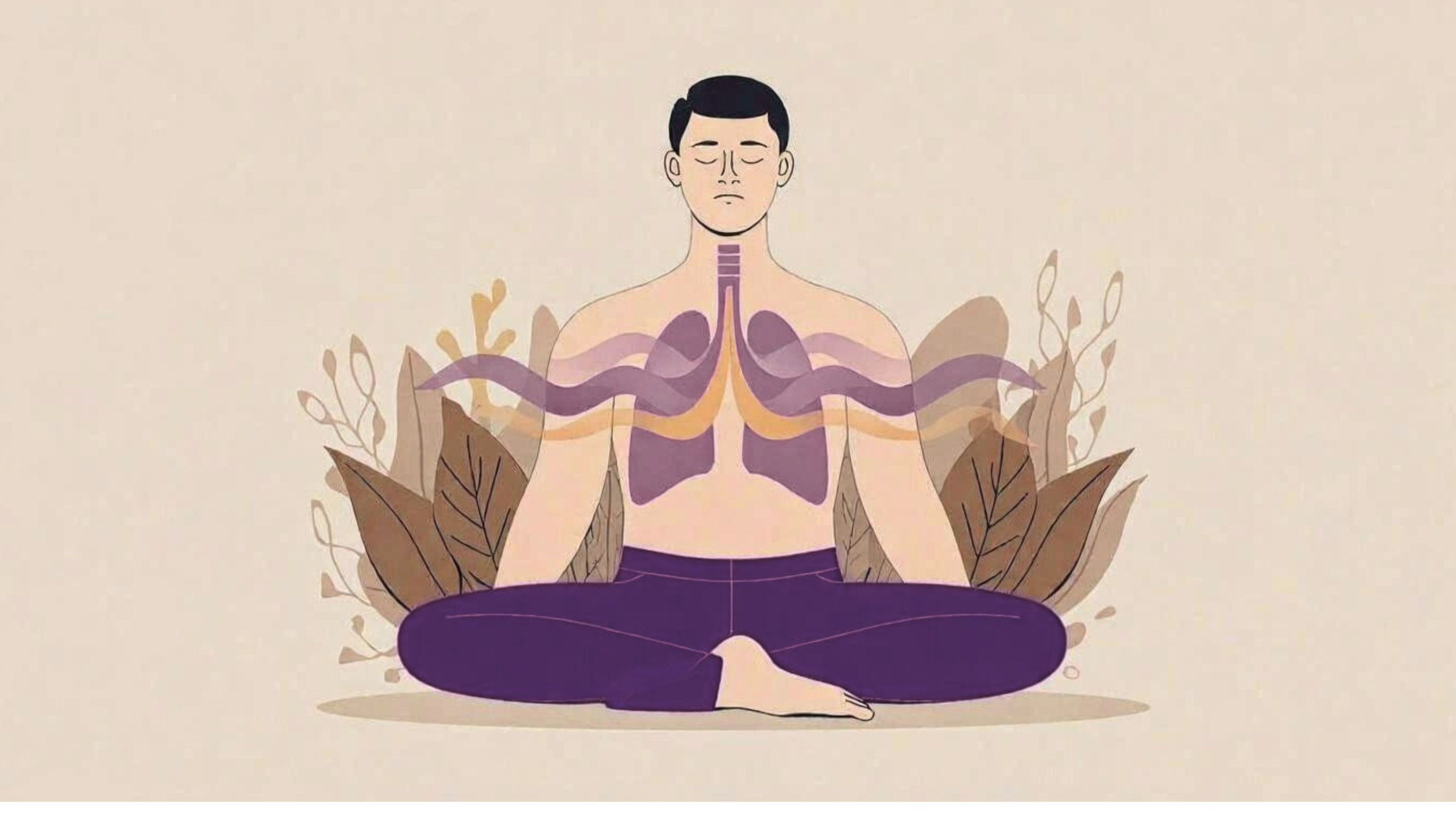
If you ever did that percussion band audition thing with your lungs by coughing so much that you probably wished there was an easier way to clear all that gunk. Postural drainage is a method that employs gravity (yes, the same old gravity!) to help detach the mucus from the lungs to the bigger airways, where it can be easily expelled by coughing.
Is it a complicated procedure? In reality, it’s much simpler. Think of it as a gentle massage for your lungs; not with your hands but with body positioning and patience.
However, before you go and hang upside down from your couch in the name of better breathing, let’s find out what postural drainage really is, when it is effective, and how to do it without feeling that you have joined a medical training camp.
What is Postural Drainage?
Postural drainage is one of the parts of chest physiotherapy (CPT); a group of methods that facilitate the removal of mucus from the lungs. The method is very beneficial for people suffering from chronic respiratory problems such as bronchiectasis, COPD, or cystic fibrosis. Even a healthy person with seasonal congestion or a bad cough can take advantage of it.
The idea is straightforward: certain body positions will let gravity do the work of moving mucus from the smaller airways to the larger ones. The example of a bottle being tilted so that the last few drops come out effortlessly is a good one to understand this.
Each position is designed to serve a certain lung segment. The person lies down, calms himself, and breathes deeply while gravity does the job. Usually, a slight percussion or “clapping” on the chest or back is done in order to facilitate the release of the mucus even more.
The Science Behind It
Lungs are divided into several lobes, which in turn consist of smaller sections (called bronchopulmonary segments) where mucus can accumulate. Postural drainage uses the angles and positions to get rid of this mucus in these sections effectively [1].
Research has found that regular airway clearance methods like postural drainage help in mucus removal, oxygenation, and overall breathing comfort especially when these methods are combined with deep breathing or percussion [2].
What are the Benefits of Postural Drainage?
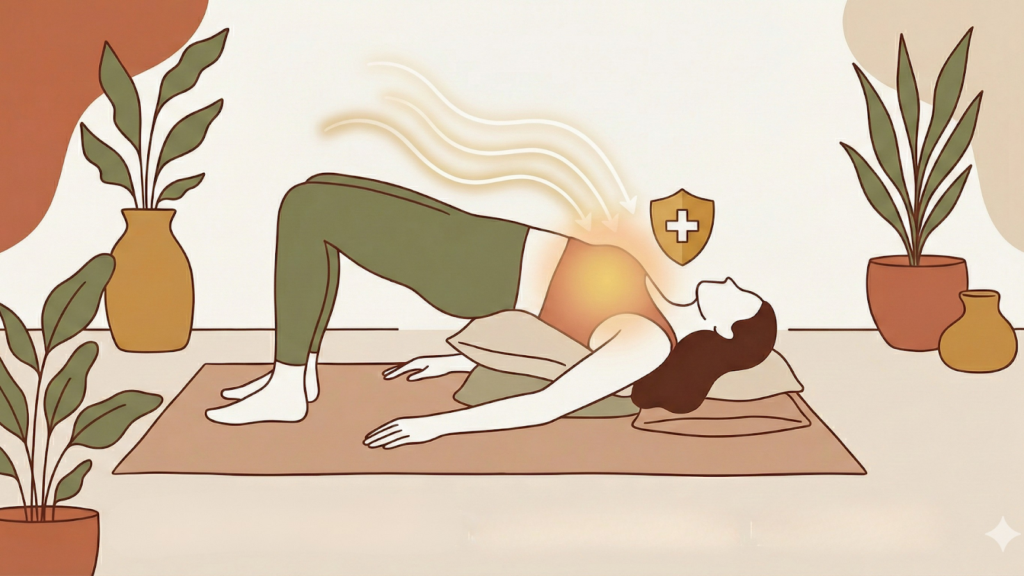
One might assume that postural drainage is a procedure performed only in hospitals, but it can bring some very unexpected benefits even to an average person. Here are those benefits:
1. Clears the Mucus and Chest Congestion:
If you often wake up feeling “phlegmy” or with a heavy chest, this procedure will help you move the mucus in a natural way, i.e. without the use of drugs.
2. Makes the Lungs Work More Efficiently:
When the lung blockages are cleared the breathing becomes easier and more oxygen can enter the lungs, thus increasing the overall respiratory capacity; this is a great advantage not only for the workouts, yoga sessions, or deep sleep but for life in general.
3. Increases the Breathing Comfort:
Mistreatment can lead to elimination of the “tight chest” sensation coming from something you barely recognize after a cold or a long stay in a polluted place.
4. Delegate Relaxation:
If correctly performed, postural drainage can be considered a relaxation exercise as well. You concentrate on slow breathing, your body’s position, and relaxation; similar to meditation, but with the additional benefit of lung-clearing.
5. Possibly Supporting Immunity:
Get rid of the mucus that blocks breathing and thus make it more difficult for bacteria to build up, this will indirectly help your immune system [3].
How to Make Postural Drainage Work in Your Home?
Now comes the interesting part; how to do it on your own.
In most cases, there is no need for hospital beds or expensive equipment. All you need to do postural drainage at home, is a quiet and clean place along with a pillow or cushion. Here is the way to do it:-
Step 1: Take a Comfortable Place :
To lie down, use a yoga mat or any other soft surface. If you think that the mucus will become loose, prepare a tissue box or a spittoon to be at hand.
Step 2: Select Proper Positions :
There are six basic postural drainage positions, each one is for a different lung area. The few which you can use to start:
- Upper lobes: Sitting straight and leaning a bit forward.
- Middle lobes: Lying on one side with a pillow under the hip.
- Lower lobes: Lying on the stomach, slightly tilting downwards (putting cushions under hips).
Hold each position for 5 to 10 minutes and breathe slowly and deeply throughout that time.
Step 3: Incorporate Soft Percussion:
Help break up the mucus by gently hitting with two cupped hands the chest or the back. If that sounds unfamiliar to you, just think of it as “tapping encouragement” for your lungs.
Step 4: Expel the Air:
After every position, slow sitting up and performing a “huff cough” is advised, which is a quick, forceful breath out, like fogging up a mirror.
When (and When Not) to Perform Postural Drainage?
Timing is important; not every time of the day is suitable for this procedure.
Best Times:
- Morning: It helps to get rid of the mucus that has built up during the whole night.
- Evening: Cleans the airways and therefore, they become ready for sleep.
- After Nebulization or Inhalation Therapy: The drugs loosen the mucus and thus the drainage becomes easier and more effective [4].
Times to Avoid:
- Do not do it immediately after eating (wait for at least one hour), or if you experience dizziness, nausea, or severe acid reflux.
- In case of heart diseases, recent surgery, or uncontrolled high blood pressure always consult your doctor first.
The main point for success will be the regularity. It is not necessary to turn this into a long therapy session, even 10-15 minutes daily can make a great impact.
Here are the ways of how to naturally fit it into your day:
1. Use It With Stretching or Breathing Exercises:
One can try postural drainage together with diaphragmatic breathing or light yoga stretches. The two activities complement each other as they both improve posture and facilitate the drainage process.
2. Turn It into a Habit Post Showers:
The warm steam serves as a bronchodilator and thus, it is the best preparation for the therapy.
3. Employ Supportive Cushions:
A wedge or lumbar cushion can be of great help to you in maintaining the correct angles while at the same time it saves you from straining the back or the neck.
4. Keep It Comfortable:
If healthcare duty, rather than self-care, is the way you normally look at things then try to change your perspective for this occasion. Play the music you find relaxing, focus on your breathing, and do this as a form of self-care rather than medical duty.
Common Mistakes to Avoid While Doing Postural Drainage
Most people begin with positive energy and later find themselves lying in some kind of strange yoga-nap hybrid pose. Generally, people do the following mistakes when they are doing postural drainage:
- Lying too flat: Most people after a while lying down during postural drainage tend to forget the whole point of the exercise and lie too flat without properly tilting their bodies thus letting gravity do its work. Without giving the proper angle and tilt to your body, gravity will not be able to pull down whatever it is that needs to be drained from your lungs.
- Skipping deep breathing exercises: Deep breathing works like a charm in the process of mucus clearance, hence needs to be practiced along with drainage. Actually, deep breathing is the key to the whole process, as it makes the airways more open and facilitates the mobilization of secretions.
- Doing it immediately after heavy meals: You will regret it later, as gravity is not a good friend of digestion. Firstly, you will have more difficulty breathing due to the pressure on the diaphragm by the stomach, and secondly, you will feel uncomfortable and maybe even nauseous.
- Also, not paying attention to your own comfort levels: Using the right cushions or props not only helps in preventing muscle strain but also maintains the correct alignment of the body. Proper support with pillows or other props helps to prevent muscle strain and ensures safe alignment.
When to Seek Medical Advice ?
Is postural drainage safe and when is it appropriate to see a doctor?
Despite postural drainage being a safe technique, it is not a remedy for all diseases. If you confronted with the following signs, stop the drainage routine and see your physician immediately:
- Continued coughing with blood
- Extreme breathlessness
- Pain in the chest
- Dizziness or atypical tiredness
If you suffer from a chronic ailment like cystic fibrosis or COPD, your doctor may develop a physiotherapy program for your chest which can include instruments or breathing aids.
Postural Drainage vs. Other Airway Clearance Methods
How does it compare to other techniques?
| Technique | What It Does | Best For |
| Postural Drainage | Uses gravity to drain mucus | Daily home practice |
| Active Cycle of Breathing Techniques (ACBT) | Combines breathing control & huffing | Asthma/COPD |
| Oscillating PEP Devices | Vibrate mucus loose (e.g., Flutter device) | Moderate to severe conditions |
| Chest Percussion Therapy | Manual tapping on the chest | Clinical settings |
Incorporating postural drainage into your day is like giving your lungs a daily “declutter session.”
Small Changes, Big Lung Gains: The betterhood Way
Good posture and regular self-care habits work like a multiplier effect for the results.
Postural drainage and better sitting ergonomics such as lumbar supports, and posture cushions make a perfect combination to ensure that your lungs not only have the space to expand but also that they do so properly. betterhood’s health program is in line with this as it focuses on natural healing, comfort, and prevention rather than quick fixes.
Conclusion
Using postural drainage regularly is one of the cheapest and most efficient ways to clear the airways of mucus, purify the lungs, and improve breathing capacity. In other words, it works like “decluttering your lungs”. In fact, this technique is based on using gravity to do the hard lift for you and thus is quite effective and seldom needs to be done.
Therefore, you can actually add postural drainage to your daily self-care routine. Just be gentle with yourself at the beginning, keep it up and maybe even find some pleasure in the process. Your lungs will reward you with every deep, effortless breath.
Explore More Health & Wellness Solutions:
Want to stay informed about wellness and everyday health issues? Here are some insightful reads to guide you. Explore the links below for practical tips and solutions:
- Stretching Exercises for Flexibility: Improve Mobility, Posture, and Prevent Injuries
- The Ultimate Guide to Posture Correction Belts
- Cervical Pillow Benefits: How Orthopedic Pillows Improve Sleep
- The Real Benefits of Knee Compression Sleeves
Frequently Asked Questions:
1. Can I do postural drainage every day?
Yes, most of the people may safely do it once or twice a day, especially in case of congestion.
2. How long should each session last?
The length of the total session is approximately 20-30 minutes, and it is dependent on the number of positions practiced.
3. Do I need special equipment?
Not necessarily. Just a couple of supportive pillows or a wedge cushion will do.
4. Is it safe for older adults?
Yes, but it is always better to seek a doctor’s advice in case of any mobility or cardiac problems.
5. Does postural drainage help with allergies or pollution-related coughs?
Definitely, as it supports the removal of mucus caused by allergens or air pollutants from the airways.
6. Can I do it before bed?
Yes, however, it is better to wait for at least half an hour before lying down to avoid reflux or coughing fits.
References
- Takahashi, N., Takahashi, K., & Takahashi, M. (2004). Anatomic evaluation of postural bronchial drainage of the lung: Measurement of the branching angles of subsegmental bronchi. Respiratory Care, 49(3), 269–275. https://pubmed.ncbi.nlm.nih.gov/15003278/
- Belli, S., & Balbi, B. (2021). Airway clearance techniques: The right choice for the right patient. Multidisciplinary Respiratory Medicine, 16(1), 1-10. https://pmc.ncbi.nlm.nih.gov/articles/PMC7902008/
- Randell, S. H., & Boucher, R. C. (2006). Effective mucus clearance is essential for respiratory health. American Journal of Respiratory Cell and Molecular Biology, 35(1), 20–28.https://pmc.ncbi.nlm.nih.gov/articles/PMC2658694/
- Nicolson, K. L., Al-Karawi, M., & Al-Abdulwahab, S. S. (2019). Nebulized hypertonic saline in noncystic fibrosis bronchiectasis: A randomized controlled trial. Respiratory Medicine, 153, https://pmc.ncbi.nlm.nih.gov/articles/PMC6688147/
- van Doorn, N., & van der Schans, C. P. (2010). Physiotherapeutic management strategies for the treatment of cystic fibrosis. Chronicle of Respiratory Diseases, 7(4),https://pmc.ncbi.nlm.nih.gov/articles/PMC3024890/


