






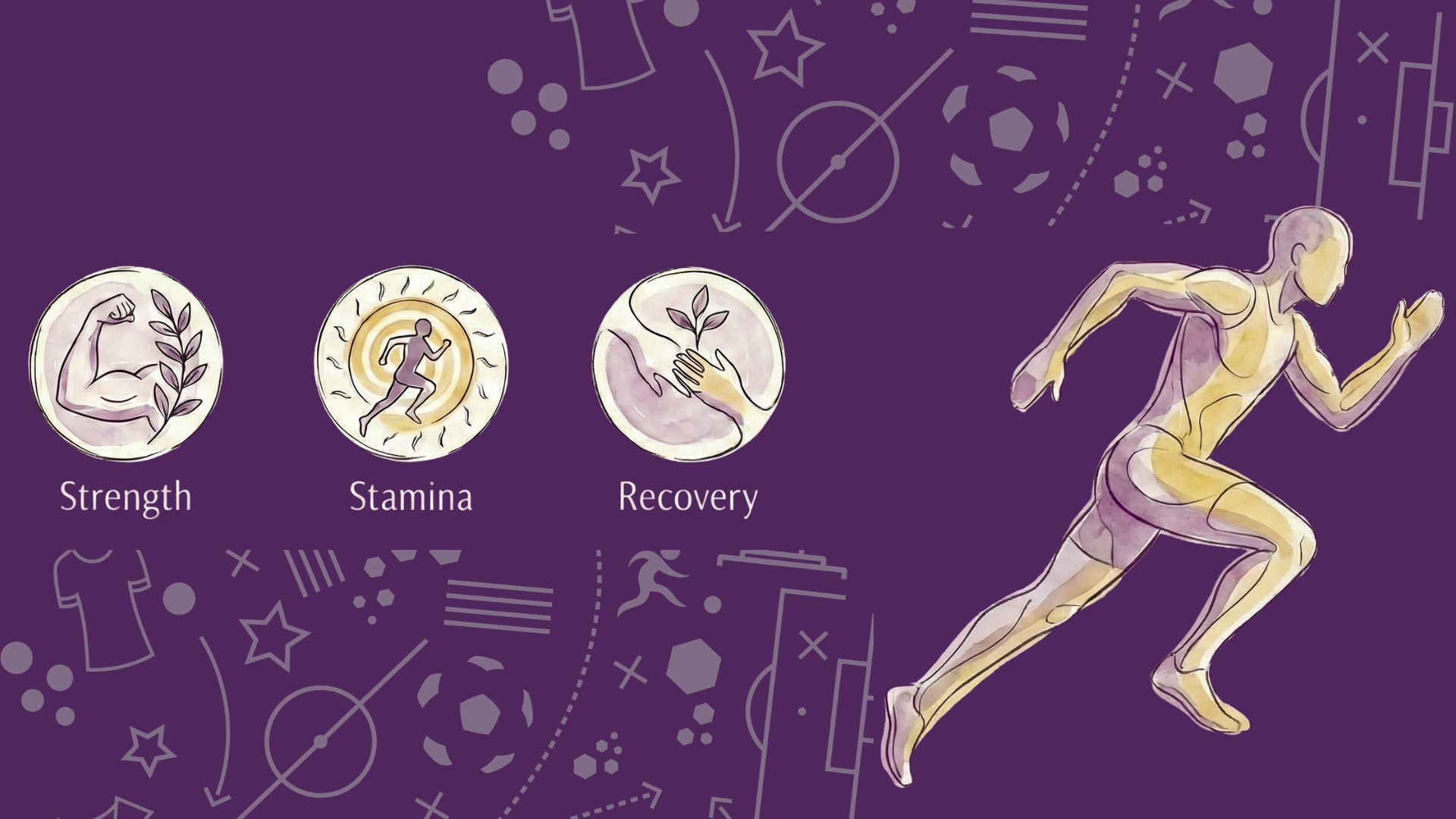
Most athletes train hard. Some train smart. However, the athletes who do consistently perform over months and years, almost always, fuel more adequately.
Training places stress on the body by design. That stress is necessary for progress. Nutrition determines how well the body adapts to it. Without enough fuel, your recovery slows down, strength gains stall, stamina fades earlier than expected, and small aches quietly turn into injuries.
Sports nutrition isn’t just about clean eating, low-carb diets or fad-trends. It is about giving your body the basic resources it needs to do stuff today and also feel up for doing stuff tomorrow.
A solid sports nutrition plan is so much more than just workouts. It encourages the intensity of power performance during exercise, focuses your mind and enhances blood flow in endurance when used really tired. It also aids your recovery in between workouts as well as over the long term by protecting valuable joints, connective tissues and the nervous system.
This guide is for gym-goers, crossfitters, endurance athletes, team sport players, coaches and active beginners who want to get more out of their training without flaring up or burning out.
Why Sports Nutrition Matters More Than You Think ?
“Healthy” eating and “performance” eating are not the same.
You can eat salads, down smoothies and protein bars and still underfuel your body. If athletes do not eat enough to meet their actual calorie or nutrient demands, performance cannot be maintained even if training plans are optimally designed.
Low energy availability wreaks subtle but serious havoc on the body. One loses stamina earlier in workouts; the sessions are more difficult than they need to be. Reaction time and decision-making slows down not just in competition but in daily training too, where safety is a big concern. Hormones become unbalanced, and the ability to get quality sleep is compromised which leads to incomplete recovery. The risk of injury and the speed with which an athlete can recover change over time.
Studies consistently demonstrate that athletes are deficient in total calories, carbohydrates, hydration and key micronutrients; particularly when engaged in heavy training or competition [1].
Understanding Energy Needs in Athletes
Athletes burn more energy than non-athletes, not only during workouts but throughout the entire day. Muscles continue repairing long after training ends. Glycogen stores refill in the background. The nervous system recalibrates from repeated physical stress.
When athletes chronically under-eat, they risk developing Relative Energy Deficiency in Sport (RED-S), a condition that impairs performance while also affecting bone health, immunity, hormonal balance, and mental well-being [2].
Common signs that you may not be eating enough often appear quietly. Persistent fatigue can remain even when training volume is reduced. Minor injuries or nagging pain may become frequent. Sleep quality can decline despite exhaustion. Mood shifts, low motivation, or unexplained performance drops often follow.
Fueling adequately is not indulgent or excessive. It is a foundational requirement for adaptation, resilience, and longevity in sport.
The Three Performance Pillars of Sports Nutrition

Fuel
Fuel is the energy you need to train, compete and move throughout each day. This pillar is built on carbohydrates and quantities of total calories. Lack of fuel = lower intensity workouts, harder train, struggle to remain consistent.
Repair
Training by nature is the act of breaking muscle fibers down. Protein supplies the amino acids that are necessary to rebuild those fibers stronger. A step above muscle, repair nutrition also sustains tendons, ligaments, connective tissues and immune function, all of which are taxed from routine training.
Recover
Recovery is not passive rest. It’s a dynamic biological process that is a result of inflammation control, hormone equilibrium, hydration and quality of sleep. Nutrition plays a major role in how successful this process occurs.
This is also where those recovery-oriented habits like healthy sleep patterns, good posture and spinal alignment, silently boost long-term performance.
Macronutrients for Athletic Performance
1. Protein for Strength, Healing and Lean Body Mass
Athletes need higher protein intakes than non-athletes, as training stimulates muscle breakdown and recovery needs. Evidence has shown that most athletes benefit from a protein intake of 1.6-2.2 grams per kilogram of body weight each day (except in optimal carbohydrate situations for which lower intakes can be beneficial) [3].
Protein provides the resources your body needs to help repair and grow muscles, to keep your immune system strong and produce hormones. This helps to decrease muscle soreness and enables athletes to train consistently without feeling exhausted.
Spreading protein evenly throughout your eating periods aids absorption and recovery. Whole foods should be the cornerstone, with supplements playing a primarily supportive role if They are Food Based for few reasons and should not replace normal sources.
2. Carbohydrates for Power, Endurance, and Focus
Both high-intensity and endurance training use carbohydrates as fuel. Early fatigue, impairment of coordination and reduction in power output occur in athletes as glycogen becomes limited [4].
Consuming enough carbohydrate also helps with: Staying active during training Recovering quicker between sessions Getting a good night’s sleep stable hormones levels It also decreases the perceived effort, so training feels more manageable (you won’t feel like you’re working as hard).
Carbohydrate for sports performance demands can fluctuate by sport and phase of season, yet most active individuals gain from an intake in the range of 3 to 7 g/kg/day for those with low-to-moderate training loads or needs (higher during endurance cycle blocks or competition phases) [4].
3. Fats for Hormones, Joints, and Long-Term Energy
Macronutrient fat is an essential part of all levels of athletic health. It is responsible for hormone synthesis, preserving joint and connective tissue health, and the ability to absorb fat soluble vitamins.
Healthy fats like olive oil, nuts, seeds, avocados and fatty fish, all help manage inflammation and assist cellular recovery [5]. These fats are particularly beneficial for athletes who train heavily and often over long durations. Fat consumption also matters most out of the contest window for long-term energy balance and structural health, not short-term high speeds.
Micronutrients Athletes Often Overlook
‘Micronutrients don’t contain calories, but are critical to the vast majority of metabolic processes influencing performance, recovery and adaptation.’
- Magnesium is involved in maintaining muscle relaxation, nerve function and quality of sleep. Poor recovery and cramping Cramps, increased soreness Low blood levels of Magnesium.[6]
- Iron is a critical player in blood transport of oxygen. Iron deficiency is more frequent in endurance active runners, female athletes in particular and can lead to a reduction of stamina, as well as diminished tolerance for athletic exercises [7].
- Calcium and vitamin D act together to help keep your bones strong, which assists in preventing fracture. Insufficient intake makes an individual more prone to stress’ injuries [8].
- B vitamins also play a role in energy metabolism and functioning of the nervous system, converting food into fuel.
One practical approach is “eating the rainbow,” or following a diet rich in varied fruits and vegetables that should naturally cover micronutrient needs.
Hydration as a Performance Essential
Even relatively mild dehydration (1-2 percent decrease in body weight) can compromise endurance, strength and cognitive function [9].
Hydration impacts blood volume and oxygen transport, body temperature control, and (even slight) response time for athletes during exercise or an event. Mental concentration and judgment become impaired as dehydration advances.
Athletes should be focussing on more consistent hydration at all times of the day, not just during workouts. Electrolytes are especially useful during long sessions, high sweat rates or exercising in the heat.
Nutrient Timing for Exercise and Competition
- Pre-Workout Nutrition
This also helps to balance blood sugar levels and avoid early fatigue; you should aim to eat at least 2–3 hours before your session. Foods should be protein-containing and carbohydrate foods, as well as low in fiber and fat, which can be digested easily.
- Intra-Workout Fueling
Water will do if the session is under 60 minutes. For longer workouts or for higher intensity exercise (like interval training), have some carbohydrates and electrolytes to help maintain performance.
- Post-Workout Nutrition
Post-training nutrition: this will help with muscle recovery and glycogen replacement. International Journal of Exercise Science: 8 (1) Recovery Feeding recovery efficiency and readiness for the next session.Results of several high quality studies show that ingesting PRO alongside CHO enhances rates of recovery feeding methodology. The selection criteria used considering the vast amount of evidence available, we included randomized controlled trials published since january in our study.[10]
Nutrition for Different Athletic Goals
- Strength and Muscle Gain
You have to provide your body with a small calorie surplus, enough protein and nutritional focus on recovery. As training intensities rise, the quality of sleep and alignment of the spine during rest are important for repair.
- Endurance and Stamina
Endurance performance relies on high carbohydrate utilization and maintenance of fuel availability. This strategy ensures that you won’t bonk yourself out and accumulate fatigue across your training blocks.
- Fat Loss Without Performance Loss
Effective fat loss emphasizes adequate protein consumption, strategic carb placement and recovery to help retain lean mass and performance.
Nutrition for Recovery, Sleep, and Longevity
It’s not recovery when you stop training.
Evening nutrition influences muscle repair, sleep depth, and hormonal regulation. Magnesium-rich foods, complex carbohydrates, and adequate hydration promote deeper, more restorative sleep.
For deeper, more restorative sleep, making these simple adjustments will help you get a good night’s sleep Avoid caffeinated beverages and spicy foods 3-4 hours before bed The ultimate fabulous breakfast exercise is safe for pregnant women eat 1/2 hour upon rising; no sooner Another important bit of information Personal Hygiene Tip start the very low calorie diet.
Also, the physical comfort during rest counts as well. Bad posture or sleeping with spinal misalignment can interfere with the body signals for recovery and reinforce morning stiffness. Gizmos for recovery like ergonomic pillows, or a posture-supportive sleep setup Things that quietly pay dividends for athletic longevity.
betterhood’s recovery-focused philosophy just makes sense as part of this long-game performance ecosystem.
Supplements: What’s Proper and What’s Overhyped
Research-supported supplements include protein powders for convenience, creatine to improve strength and power, electrolytes to for hydration, and omega-3s for joint health and inflammation.
Supplements can only do so much to improve consistency, they can’t replace decent nutrition, good sleep and sound recovery habits [11].
Common Nutrition Mistakes Athletes Make
Inadequate fuel-loss not intensity- is most commonly the issue. Neglecting hydration off of your workouts causes fatigue overtime. Poor meal timing disrupts recovery. Relying too much on supplements leads to nutritional holes. Not matching intake with load is asking for injury.
Nearly all plateaus in performance are due to failures of recovery, not to insufficient effort.
Developing Your Own Sports Nutrition Plan
Begin by looking at episodes, intensity, body size and performance objectives when evaluating training volume. It may also just depend on how well you feel in recovery, and your consistency of energy.
Make up a weekly menu, adapt your intake to allow for shifts in training and strive for consistency not perfection.
Practical Strategies for Real Life
When your kids will eat a meal again and again, making it simple to prepare can help you avoid decision fatigue. Bring transportable proteins and carbs in case you have one of those “go-go” days. Hydrate proactively rather than reactively. Keys are monitoring for soreness, fatigue and quality of sleep as feedback loops.
Performance is established through daily routines, not extremes.
Final Thoughts
Training challenges the body. It’s how well it adapts to the influences of nutrition.
You don’t get stronger, you don’t build endurance nor recovery through deprivation or extremes. They are developed by eating consistently, recovering smart and paying attention to your body’s requirement of good rest.
Sustainable performance isn’t about doing more. It’s about backing the system that enables you to stay in motion.
Explore More Health & Wellness Solutions:
Would you like to be up-to-date on everyday health and wellness issues? Here are some interesting pieces to help you. Follow the links below if you want practical tips or solutions:
- What Causes Back Pain? Understanding Root Triggers & Prevention Tips
- 10 Effective Home Remedies for Body Pain Relief Naturally
- Wrist Support Braces Explained: Protocols for Pain Relief
- Pillow for Neck Pain: Best Contour Pillow Every Side Sleeper Needs
References
- Mountjoy, M., Sundgot-Borgen, J. K., Burke, L. M., Ackerman, K. E., Blauwet, C., Constantini, N. W., Lebrun, C., Lundy, B., Melin, A. K., Meyer, N. L., Sherman, R. T., Tenforde, A. S., Klungland Torstveit, M., & Budgett, R. (2018). IOC consensus statement on relative energy deficiency in sport (RED-S): 2023 update. British Journal of Sports Medicine, 52(11), 687–697.https://pmc.ncbi.nlm.nih.gov/articles/PMC10848936/
- Mayo Clinic Press. (2024, September 26). Understanding relative energy deficiency in sport (RED-S): Risks of eating disorders in athletes. https://mcpress.mayoclinic.org/women-health/understanding-relative-energy-deficiency.
- Morton, R. W., Murphy, K. T., McKellar, S. R., Schoenfeld, B. J., Devries, M. C., Phillips, S. M., Mitchell, C. J., & van Loon, L. J. C. (2018). A systematic review, meta-analysis and meta-regression of the effect of protein supplementation on resistance training-induced gains in muscle mass and strength in healthy adults. British Journal of Sports Medicine, 52(6), 376–384. https://doi.org/10.1136/bjsports-2017-097608
- Burke, L. M., Hawley, J. A., Wong, S. H. S., & Jeukendrup, A. E. (2011). Carbohydrates for training and competition. Journal of Sports Sciences, 29(sup1), S17–S27. https://doi.org/10.1080/02640414.2011.585473
- Impulse Nutrition. (n.d.). Anti-inflammatory diet: Boost your recovery. https://impulse-nutrition.fr/en/blogs/news/anti-inflammatory-diet-boost-your-recovery
- Dominguez, L. J., Veronese, N., Ragusa, F. S., Baio, S. M., Sgrò, F., Russo, A., Battaglia, G., Bianco, A., & Barbagallo, M. (2025). The importance of vitamin D and magnesium in athletes. Nutrients, 17(10), Article 1655. https://doi.org/10.3390/nu17101655
- Hinton, T., & Baker, S. (2023). Iron deficiency in endurance athletes: Prevalence, impact, and management. Sports Medicine – Open, 9(1), Article 45.https://pmc.ncbi.nlm.nih.gov/articles/PMC9778947/
- Weaver, C. M., Lowe, N. F., & Robson, S. M. (2016). Calcium and vitamin D supplementation and bone health in athletes. Nutrients, 8(8), 494.https://pmc.ncbi.nlm.nih.gov/articles/PMC3725481/
- Sawka, M. N., Burke, L. M., Eichner, E. R., Maughan, R. J., Montain, S. J., & Stachenfeld, N. S. (2007). American College of Sports Medicine position stand. Exercise and fluid replacement. Medicine & Science in Sports & Exercise, 39(2), 377–390. https://doi.org/10.1249/mss.0b013e31802ca597
- Dhiman, C., & Kapri, B. C. (2023). Optimizing athletic performance and post-exercise recovery: The significance of carbohydrates and nutrition. Montenegrin Journal of Sports Science and Medicine, 12(2), 49–56. https://doi.org/10.26773/mjssm.230907
- Maughan, R. J., Burke, L. M., Dvorak, J., Larson-Meyer, D. E., Peeling, P., Phillips, S. M., Rawson, E. S., Walsh, N. P., Garthe, I., Geyer, H., Meeusen, R., Van Loon, L. J. C., Shirreffs, S. M., Spriet, L. L., Stuart, M., Vernec, A., Currell, K., Ali, V. M., Logan, A., . . . Engebretsen, L. (2018). IOC consensus statement: Dietary supplements and the high-performance athlete. International Journal of Sport Nutrition and Exercise Metabolism, 28(2),https://pmc.ncbi.nlm.nih.gov/articles/PMC5371635/


