






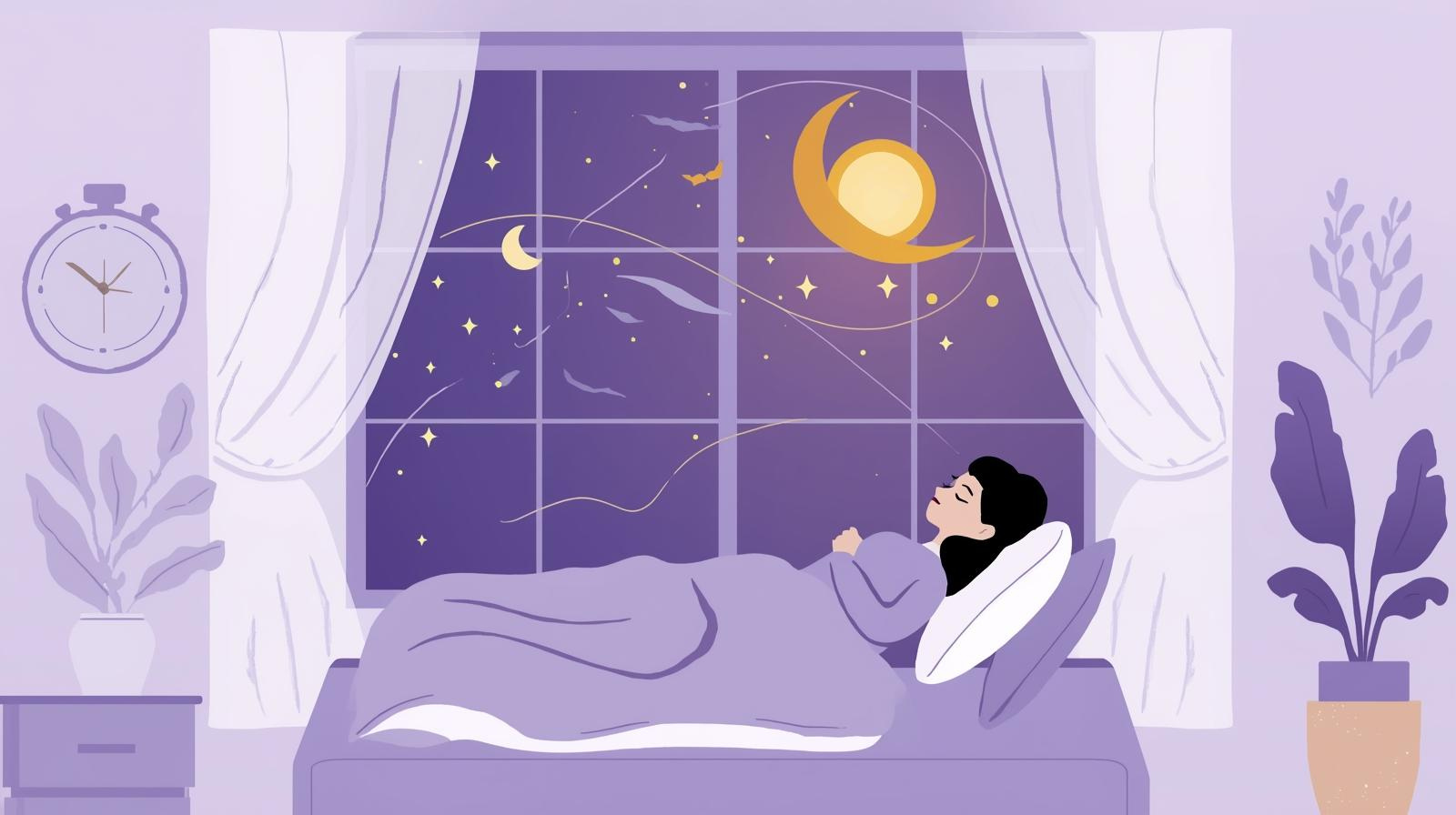
You know how your body just seems to know it’s nighttime before you do? Your mind slows, your eyelids grow heavy, and suddenly even scrolling seems like a chore. That moment is not laziness. It is biology doing its job.
Melatonin, better known as the sleep hormone, is behind this nightly phenomenon. Production of melatonin is a key factor in influencing the body’s natural sleep-wake cycle and guides your system from being awake during active daylight hours into slow-down-and-heal darkness time. When melatonin surges, sleep feels like the most natural thing in the world. When that’s not the case, nights can seem endless, restless and annoying.
What is so interesting about melatonin is that it is not a sedative. It’s not forcing your body to sleep. Rather, it operates behind the scenes to get your brain and body ready for slumber. Think of it as a dimmer, not an off-on.
Knowing how melatonin works is useful,not only for those who are suffering from insomnia, but those looking to enjoy deeper sleep, enhanced focus and mood and more consistent energy throughout the day.
How is Melatonin Produced in the Body? (Pineal Gland Function Explained)
What Is Melatonin ?
Melatonin is a hormone the brain naturally produces to help regulate your sleep-wake cycle. Its main function is to indicate that it is time to sleep and the body should fall asleep [1].
Unlike other sleep aids, like sleeping pills, melatonin does not knock you out. Rather, it dampens wakefulness, nudges down our body temperature slightly and makes all the biochemical changes that lead to sleep. That’s why melatonin is known as a natural sleep hormone.
How the Pineal Gland Produces Melatonin?
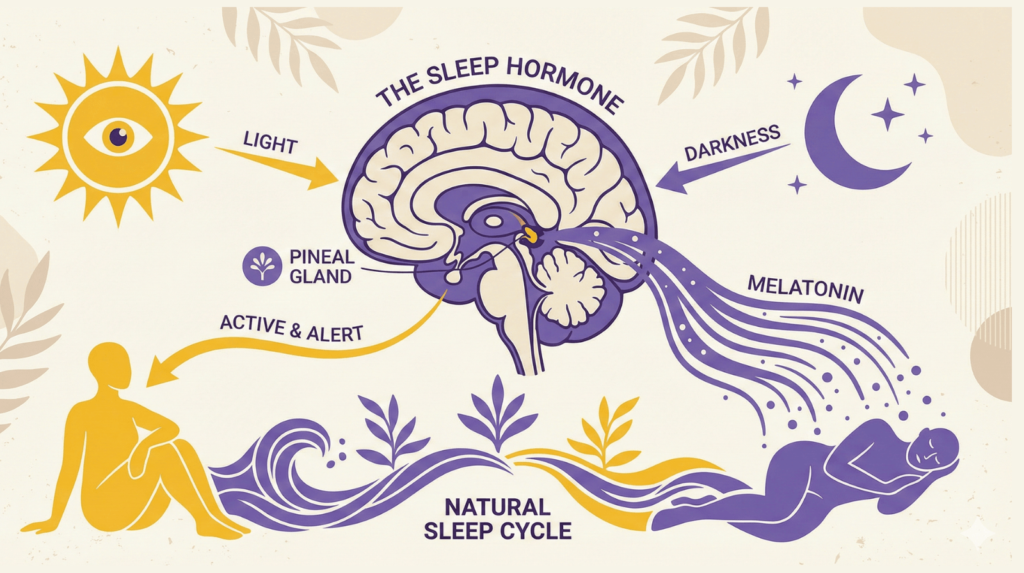
The hormone is secreted by a small, pea-sized structure in the center of the brain known as the pineal gland. This gland is also very responsive to light and dark.
Darkness triggers melatonin release
As evening sets in and the lights are dimmed, messages from the eyes signal the pineal gland to produce more melatonin. This slow increase helps the body fall asleep by calming busy thoughts and soothing tense muscles.
Light suppresses melatonin
Exposure to light, especially blue light, sends the opposite signal. The pineal gland decreases the secretion of melatonin, thus preventing sleep [2].
This explains why late-night screen use can make you feel “tired but wired.” Your body feels like sleeping, but your mind believes it’s still daytime.
How Does Melatonin Regulate Sleep ?
What Role Does Melatonin Play in Circadian Rhythm Control?
Your circadian rhythm is your body’s internal 24 hour clock. This influences more than sleep, everything rises and falls, from body temperature to hormone release, to digestion, even to mood [3].
The hormone melatonin also acts in tandem with this clock by:
- Rising in the evening to initiate sleep
- Staying elevated during the night to support deep, restorative rest
- Falling in the morning to help you wake up and feel alert
When circadian management is dialed in, sleep can be predictable and restful. If it’s thrown off, falling asleep is more difficult and waking up is exhausting.
What activates or blocks the release of melatonin?
Melatonin acts quickly in response to every day cues:
- Natural darkness in the evening: The lack of light in dark settings helps natural levels of melatonin rise in the brain to transition into sleep mode.
- Blue light exposure at night: The blue wavelengths coming off your screens do a great job of suppressing melatonin, regardless if you feel physically tired [4].
- Irregular sleep schedules: Sleeping & waking at irregular hours each day confuses the circadian rhythm, decreasing over time the potency of melatonin.
In other words, melatonin is into routine and darkness. Exposure to late nights and bright screens, not so much.
The advantages of optimum melatonin levels (Balance Sleep Hormone)
Balanced melatonin levels help a whole lot more than simply ushering you off to sleep more quickly.
How Melatonin Improves Sleep Quality
When melatonin surges at the proper time and then remains consistent throughout the night, it helps to regulate the whole sleep cycle:
- Faster sleep onset: Sufficient melatonin leads to decreased time before sleep and a reduction in brain activity and alertness.
- Deeper, more stable sleep:Regular melatonin rhythms serve to attenuate nighttime awakenings and enhance sleep consolidation [5].
- More predictable sleep-wake cycles:Healthy melatonin rhythms leave you feeling refreshed in the morning, not groggy or disoriented.
That’s why melatonin is typically referred to as a sleep cycle booster, not sleep inducer.
Mood, Focus, and Cognitive Benefits
Healthy melatonin levels also help us achieve quality sleep and this in turn:
- Emotional balance: Disorders of the melatonin rhythm are associated with irritability, depressed mood and heightened susceptibility to stress [6].
- Mental clarity and memory: Good quality sleep helps you concentrate, learn and make decisions.
In other words, melatonin is a silent defender of both your nights and the daylight hours that follow.
What Disrupts Melatonin Production? (Insomnia Natural Remedy Insights)
our busy modern lives are packed with melatonin disruptors, many of which we might not even realize are contributing.
How does light affect the production of melatonin?
Light is the primary driver of melatonin production from outside the body:
Artificial lighting at night
Indoor lights that are bright interfere with the release of melatonin, pushing sleep later and shortening the duration of rest.
Phone, laptop, and TV screens
Exposure to blue light before bedtime more powerfully suppresses melatonin than does exposure to other light wavelengths, even at low levels of indoor illumination [4].
This is why natural cures for insomnia often involve managing light exposure.
Factors and Diseases That Lower Melatonin by Lifestyle or Health
Here are a few daily routines that mess with hormone sleep balance:
Chronic stress
Besides, high stress raises cortisol which directly suppresses the production of melatonin and hence relaxation becomes difficult at night [7].
Caffeine consumption
Once the circulation of sleep propelling signals is obstructed, caffeine may even shut down the melatonin levels at night especially when taken after noon.
Poor sleep posture and discomfort
Physical discomfort leads to more micro-awakenings, making it hard for melatonin to keep deep sleep in place.
How to Increase Melatonin Naturally? (Natural Sleep Hormone Support)
Reinforcing melatonin doesn’t have to be extreme. Small regular habits often are most effective.
Which Foods Support Melatonin Production?
Some foods are a source of melatonin or help in its production:
Tart cherries
Rich in melatonin and scientifically found to enhance sleep quantity and quality by some studies [8].
Nuts like walnuts and almonds
For magnesium is a muscle relaxant, you can give small doses of melatonin with it.
Milk, oats, and bananas
Contain tryptophan, an amino acid that contributes to melatonin production.
Foods aren’t going to cure your sleep problems, but in a subtle way they can help reset the body’s internal rhythm.
Sleep Environment Adjustments That Work
Here, your bedroom setting plays a vital role in support for healthy sleep:
Dim lighting before bedtime
Tells the brain it’s time to start releasing melatonin and winds down the nervous system for sleep.
Cool, dark sleeping space
Cooler temperatures and dim light increase melatonin production and therefore promote the depth of sleep[9].
Consistent bedtime routines
The main one: Establishing both of your bedtimes as the same time each night fortifies circadian rhythm regulation.
Melatonin Supplements: An Easy Guide To Melatonin Supplementation
Melatonin supplements are widespread, but the best way to use melatonin is thoughtfully.
Types of Melatonin Supplements
Various formulations match various sleep issues:
Immediate-release melatonin
Useful to people who have difficulty falling asleep because their natural melatonin isn’t produced until the early morning.
Extended-release melatonin
Formulated to mirror natural melatonin patterns: helps you fall asleep, sleep soundly and stay asleep longer.
Low-dose formulations
Associated benefits Often effective in regulating circadian rhythms, especially in jet lag or shift work [10].
As with so many sweets, more is not necessarily better.
Appropriate Usage and Safety Precautions
Safe usage, not the dosage amount, is what counts most:
Begin with the lowest dose that works
High doses do not mean better sleep and could lead to grogginess.
Short-term use is recommended
Prolonged daily use should be consulted with a doctor.
Do not take with alcohol or sedative drugs
Such a combination may interfere with sleep architecture and lead to a greater number of side effects.
Melatonin works best as a support tool, not a permanent solution.
When to See an Expert for Help With Sleep Issues ?
Occasional poor sleep is normal. Persistent sleep problems are not.
Consider seeking professional help if:
- Sleep issues persist for three weeks or more
- Fatigue during the day impacts work, driving or thinking
- Sleep disturbances coincide with anxiety or depressed mood
- You depend on sleep aids to sleep at night
Sleep is foundational. When that breaks down, everything else gets harder to do.
Bottom Line: Restful Sleep Begins With Honouring Melatonin
It´s not like melatonin is something you want to go totally crazy with and dose warriors inappropriately. It’s something you have to kind of softly hold up. By controlling light exposure, stress, posture and daily habits, you enable your natural sleep hormone to accomplish what it already knows how to do.
Better sleep is not about trying to force that rest. It’s about pulling down the barriers that we find in the way.
Author’s Note
Sleep can be overwhelming, especially given the tidal wave of advice. This article is designed to clarify, not complicate, and to help you know what your body is doing behind the scenes each night. If something in here gave you a moment of pause, connection or thought regarding your sleep habits, that’s a great place to begin. Play around with it, ask questions or just see how subtle shifts impact your sleep. This information is general in nature and does not constitute medical advice.
Explore More Health & Wellness Solutions:
Want to stay informed about wellness and everyday health issues? Here are some insightful reads to guide you. Explore the links below for practical tips and solutions:
- Struggling to Breathe? Here’s a Simple Postural Drainage Routine to do at Home
- Acupressure Points in the Foot: Benefits, Chart & Pressure Techniques
- How Can Knee Cap Support Help Prevent Injury and Reduce Pain While Running
Frequently Asked Questions
Circadian patterns vary, but melatonin levels usually reach their maximum between 2 and 4 a.m
Yes. Drinking coffee in the afternoon can inhibit melatonin production and go to sleep.
Some people are having more intense dreams, probably because of changes in REM sleep.
Daytime exercise keeps melatonin rhythms healthy, and intense late-night workouts can delay release.
Melatonin secretion decreases with age, which can also lead to sleep problems in aged individuals .
References
- Melatonin and circadian rhythms (General overview of melatonin’s role in sleep and the circadian system)
Excerpt from Physiological Society article & PubMed references to Arendt’s work
https://www.physoc.org/magazine-articles/melatonin-sleep-and-the-biological-clock/ The Physiological Society - Melatonin synthesis, circadian rhythm, and role in sleep regulation
Review of melatonin circadian rhythmicity and influence of light and drugs
https://pubmed.ncbi.nlm.nih.gov/11899101/ PubMed - Jet lag & melatonin (Cochrane review on prevention and treatment of jet lag with melatonin)
Detailed Cochrane evidence on melatonin’s effects on circadian misalignment from travel
https://www.cochrane.org/evidence/CD001520_melatonin-prevention-and-treatment-jet-lag Cochrane - Melatonin in sleep disorders and circadian synchronization
Older PubMed review discussing melatonin’s effect on sleep efficiency, aging, and circadian organization
https://pubmed.ncbi.nlm.nih.gov/12019344/ PubMed - Exogenous melatonin efficacy and safety (includes jet lag and shiftwork disorders)
Meta-analysis on use of melatonin supplements for various sleep disorders
https://www.bmj.com/content/332/7538/385 BMJ - Physiology of melatonin and biological rhythms (“darkness hormone” function)
Review of pineal production, circadian control, and biological rhythm effects
https://pubmed.ncbi.nlm.nih.gov/19605939/ PubMed - Sleep Cycle. (2022, October 20). Cortisol and sleep – Your top questions answered to help you sleep better.https://sleepcycle.com/sleep-talk/cortisol-and-sleep
- Howatson, G., Bell, P. G., Tallent, J., Middleton, B., Stubbs, B., Ellis, J., Salleh, N., & McHugh, M. (2012). Effect of tart cherry juice (Prunus cerasus) on melatonin levels and enhanced sleep quality. European Journal of Nutrition,https://pubmed.ncbi.nlm.nih.gov/22038497/


