





Quick Takeaways
- Swelling is possible with plantar fasciitis, but not always typical.
- Inflammation, tears or a deeper problem may be indicated if swelling persists.
- Early intervention and changes in lifestyle can help to avoid chronic foot pain.
- The application of supportive footwear and orthotic treatments can greatly reduce symptoms.
If your foot looks puffier than it usually does at the end of a long day, you might dismiss it as fatigue. But what if the swelling persists, particularly at your heel or arch? In India, where many walk barefoot at home or stand for long hours at work or wear unsupportive shoes, foot pain is common but swelling can be more concerning.
Some people find painful plantar fasciitis symptoms puzzling. Is swelling normal? Or, is it a sign of something serious?
Plantar fasciitis is amongst the leading causes of heel pain among millions of Indians experiencing foot discomfort each year. It is estimated that 10% of individuals will develop plantar fasciitis at some time during their life [1,2]. Some swelling might come and go, but ongoing swelling demands attention.
In this guide, you will understand what swollen plantar fasciitis symptoms are telling you about your body and how to effectively address the causes yourself without confusing medical language.
What Is Plantar Fasciitis and Why Does Swelling Occur?
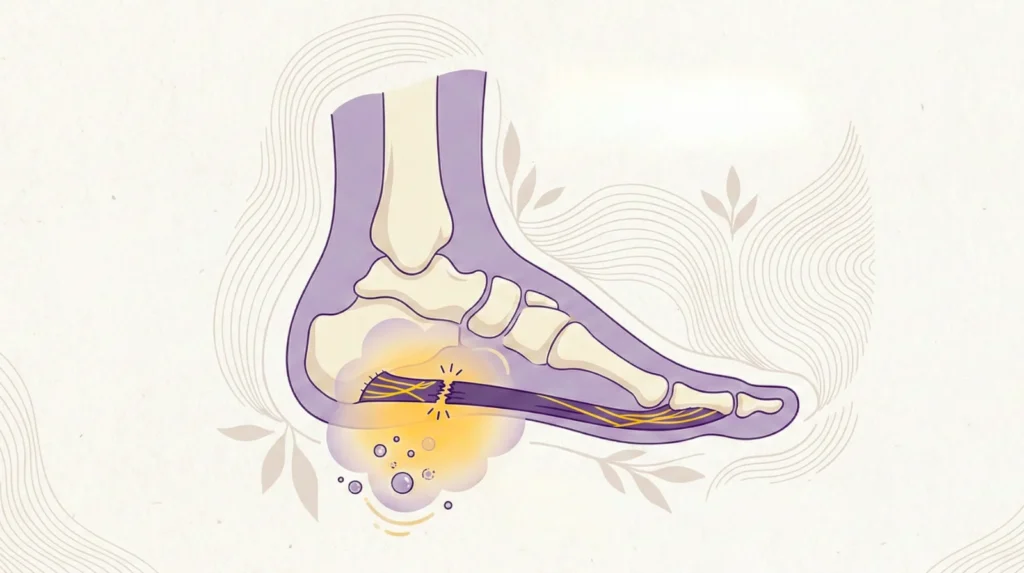
Plantar fasciitis is a painful inflammation of the plantar fascia, a thick band of tissue that runs across the bottom of your foot and connects your heel bone to your toes. This tissue helps support the arch of your foot and absorbs shock when you walk.
When the plantar fascia is over-tightened, it tears in small places. Your body responds by sending inflammatory cells and fluid to repair the tissue. This process can cause swelling.[8]
What Is the Plantar Fascia?
Think of the plantar fascia as a thick, strong rubber band that travels from the bottom of your foot, attaching at the heel, then extending along the sole toward your five toes. It extends from your heel heelbone (calcaneus) to the toes, and serves as a cushion or support system for the natural arch of your foot.
Rubber-Band Analogy
Imagine a rubber band stretched between two points. When you step, walk, or run, this band stretches slightly and then recoils to help push you forward. The plantar fascia works the same way, it stores and releases energy with every step you take.
Role in Arch Support and Walking
The plantar fascia is responsible for supporting your arch. It stabilizes the foot while you stand, and it helps transfer force when you walk or run. Without it, your foot would be unable to support your weight as your foot pronates (comes inwards) causing misalignment down the leg and stress on joints up the body.
Why It Gets Strained
The plantar fascia is built to take stress but our modern lifestyles push it too far. Standing for long periods, or walking on a hard surface, as well as shoes that do not support the foot, obesity and tight calf muscles can all give it too much stretch. Over time, the stress weakens the fascia and paves the way for pain.
How Plantar Fasciitis Develops ?
Plantar fasciitis doesn’t appear overnight. It occurs as the plantar fascia is subjected to chronic mechanical stress.
Overstretching and Micro-Tears
The fascia is under tension with each step. When this stress exceeds what the tissue can bear because of flat feet, high arches, too much activity suddenly or bad foot wear, tiny micro-tears occur. Each of these little injuries add to one another over time, and eventually the tissue becomes weaker.
Inflammation Cycle
When the fascia is torn, our body reacts by causing inflammation to heal the area. But ongoing stress impedes healing, resulting in a chronic cycle of inflammation. This constant irritation causes thinning and hardening of the fascia, and it becomes stiffer and more painful.
Why Pain Worsens in the Morning
Heel pain in the morning is a classic symptom of plantar fasciitis. When you sleep, the plantar fascia brings itself in short and tight. As soon as you arise and make those first few steps of the day, that abrupt stretching direction re-tears the healin’ tissue, very sharply. As you use it more throughout the day, the tissue warms up and loosens, which is why pain often temporarily eases.
What is the Prevalence of Plantar Fasciitis?
Plantar fasciitis is one of the most common causes of heel pain worldwide and affects people across age groups and lifestyles.
Global Prevalence
Reportedly 10% of the population will develop plantar fasciitis at some time in their life, making it one of the most common foot pathologies that orthopedic and sports medicine physicians treat. Millions of patients worldwide visit their doctor complaining of heel pain.
Common causes of plantar fasciitis in Indians
The following factors contribute to the higher risk of plantar fasciitis in India:
- Standing professions (like teacher, retail worker, factory line staff, healthcare provider)
- Walking on barefoot hard surfaces, leading to less support in foot arches
- Ill-fitting shoes, such as a flat sandal or an old pair of shoe
- Regular urban walking lifestyle with concrete roads primarily
- Desk jobs that require little movement, causing foot and calf muscles to weaken
The swelling is an effort by the body to heal itself. Visible swelling is not something you see with classic plantar fasciitis, though, which is why its presence generally implies that the condition has become more pronounced.
Athletes vs Office Workers: Who’s More at Risk?
- Athletes and runners are particularly susceptible because of repetitive impact and overtraining.
- Plantar Fasciitis for Office Workers; ;Weak feet muscles, tight calves, crazy weekend activities all the sudden and bad hip alignment.
Curiously, plantar fasciitis is no longer a “runner’s injury”, it’s becoming more of a contemporary-lifestyle affliction that afflicts those who are sedentary AND active.
Key Swollen Plantar Fasciitis Symptoms You Should Know
Knowing what swollen plantar fasciitis symptoms are can help you tell the difference between fun, flavorful inflammation and something quite gravely wrong with your foot. Pain is the most prevalent symptom, and swelling typically indicates tissue irritation or structural variations in the plantar fascia.
Heel Swelling
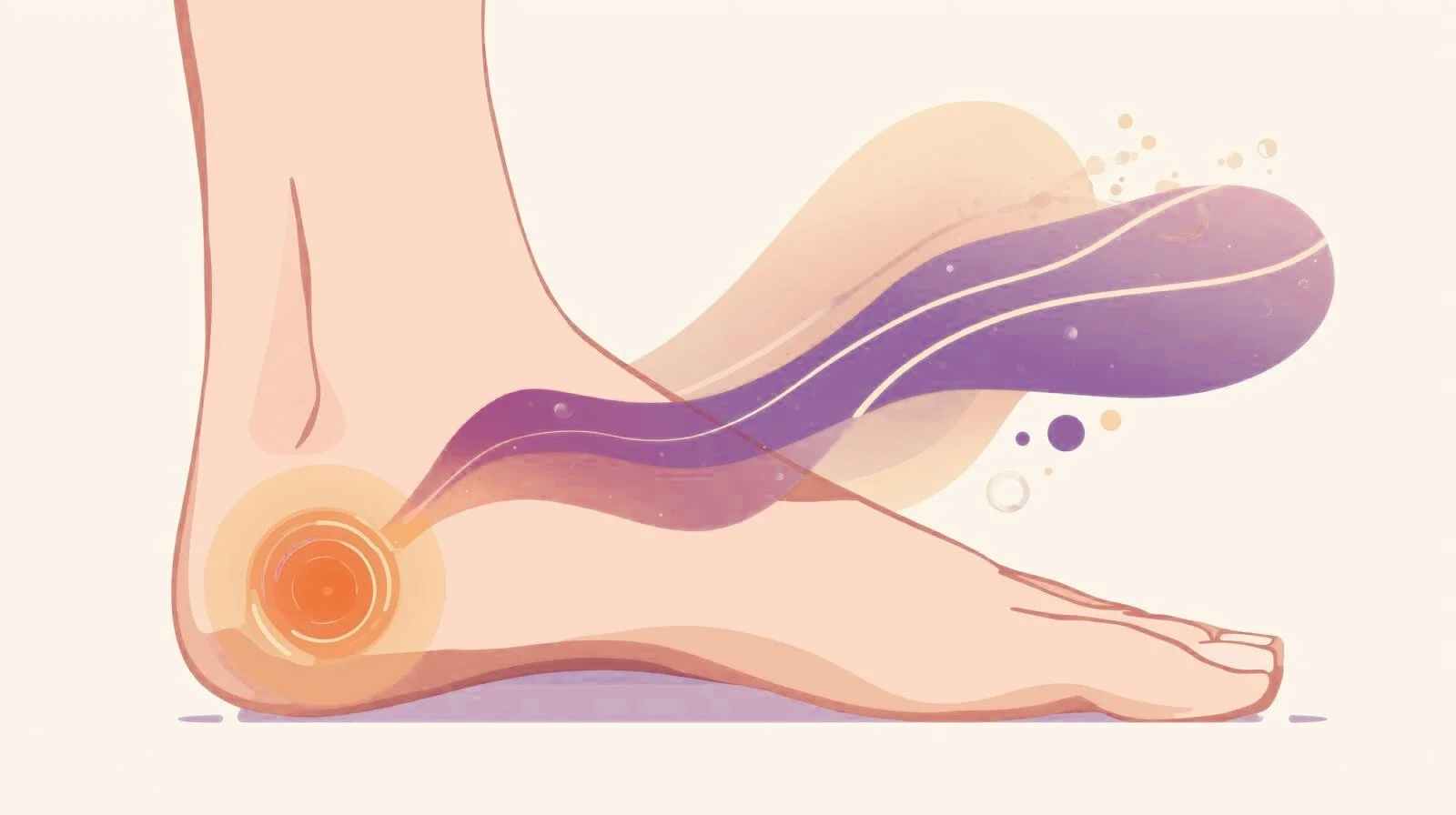
One of the most common symptoms of a bout of plantar fasciitis is what looks like swelling around the heel. The region may be slightly puffy, tender and warm to the touch from increased blood flow and inflammation. On the worst cases, the heel may appear noticeably bigger than that of the other foot.
Arch Swelling
Some people feel puffiness or tightness in the arch of the foot, especially after long walks or lots of standing. This is because the plantar fascia extends across the arch and may retain fluid when aggravated. There’s also shoe pressure that can be uncomfortable during the day.
Morning Heel Pain
Characteristically, plantar fasciitis causes the worst pain in the morning after standing on your feet all day. It is also more common in the morning because the fascia has tightened up and then gets stretched again quickly.
Pain After Standing Long
Swelling and pain typically are aggravated by long periods of standing, walking or activity. The constant tension on plantar fascia cause micro-tears and swelling that leave your foot feeling heavy, sore and inflamed at the end of the day.
Redness and Warmth
Over time this inflammation can lead to redness and warmth in the heel or arch area. That’s because the body floods damaged tissue with blood and immune cells in an effort to heal. Extensive redness or fever may indicate an infection, or another issue.
Stiffness in the Foot
Swelling can limit the range of motion in the foot, leading to stiffness when you curl your toes or stretch your arch. It often is described as, “My foot hurts,” feels “tight or locked,” especially in the mornings or after sitting or sleeping, and tends to ease with walking.
Plantar fasciitis inflammation and micro-tearing can stimulate increased vascularity and fluid in the tissue, that describes swelling during acute plantar fasciitis attacks and chronic episodes.
Is Swelling Normal in Plantar Fasciitis or a Red Flag?
Short answer: A little swelling can be normal, but continued swelling is not.
When swelling is normal
- After intense walking or running
- During the early inflammatory phase
- If you changed shoes or activity level recently
When swelling is a red flag
- Swelling persists for weeks
- Severe pain and swelling together
- Swelling extends to ankle or toes
- Fever or skin colour changes
- History of diabetes or arthritis
In India, foot swelling is sometimes mistaken for water retention or heat-related swelling. However, plantar fasciitis-related swelling is localised and painful.
Note: If swelling does not reduce with rest, consult a healthcare professional.
Swollen Plantar Fasciitis vs Other Foot Conditions
| Condition | Swelling | Pain Location | Key Difference |
| Plantar Fasciitis | Mild to moderate | Heel & arch | Morning pain, improves with movement |
| Achilles Tendonitis | Back of heel | Heel & calf | Pain increases with walking uphill |
| Foot Fracture | Severe | Any foot bone | Sudden injury and bruising |
| Gout | Severe | Big toe | Sudden attack with redness |
| Flat Feet Strain | Mild | Arch | Foot fatigue without sharp pain |
This table can give you an idea of how your swollen plantar fasciitis seems common or not.
How to Reduce Swelling and Pain at Home ?
There are evidence-based home remedies for treatment of swollen plantar fasciitis. These are measures that help reduce inflammation, heal faster and on time to avoid a chronic pain in the foot.
Rest and Activity Modification
The first step to healing is taking the pressure off your feet. You should also refrain from standing or walking long hours on hard floors, such as marble and granite, in Indian homes. Short periods of rest sitting during work also may help decrease strain.
Ice Therapy
Take 15–20 minutes of ice, two to three times a day, following your workouts or injury for inflammation reduction and numbing pain.You can apply an ice pack or rolling a frozen water bottle under your foot for massage of the arch. Ice can be particularly beneficial following lengthy walks or workouts.
Stretching Exercises
The calf muscles, and the plantar fascia itself, stretch gently so that you increase their flexibility and decrease morning tightness. Regular stretching increases blood flow to the tissue, which speeds up healing. Gentle home exercises, including towel stretches and wall calf stretches, can be performed at home.
Supportive Footwear
Shoes with proper arch support and cushioning decrease the stress on the plantar fascia. Steer clear of any flat slippers or well-worn sandals and avoid thin-soled shoes which do little for padding. One of the best long-term prevention is getting into good shoes.
Orthotic Cushions
Heel cushions and Arch supports can distribute pressure on the foot evenly, decrease stress in arch and heel. They help with arch and heel support as well as foot alignment and posture when walking or standing.
betterhood’s orthotic pillows and cervical support goods are to help good posture, alleviate soreness from everyday stress and decrease tiredness.
Weight Management
Even a small weight reduction of 5-10% can significantly decrease pressure on the plantar fascia. Extra body weight increases mechanical load on the heel, worsening inflammation and swelling. Maintaining a healthy weight supports faster recovery and prevents recurrence.
When Should You See a Doctor?
Seek medical advice if:
- Evidence of the swelling persists longer than 2-3 weeks
- Pain worsens despite rest
- You have either diabetes or nerve damage
- There is numbness or tingling
- You notice skin changes
Doctors may order imaging tests, like ultrasounds or MRI, to make sure they have their diagnosis right.
Lifestyle tips to prevent swollen Plantar Fasciitis symptoms for Indians
1. Work Culture Adjustments
Indian professionals are known to be sitting or standing for long hours. Take micro-breaks every hour to stretch the toes of your feet.
2. Home Habits
Stand on soft mats rather than directly on hard floors, especially while cooking.
3. Monsoon Care
In wet shoes, there’s an increased risk of infection and fatigue. Make sure your feet stay dry and cushioned.
4. Festival Periods
Extended shopping hours during Diwali or wedding seasons can sometimes cause symptoms. Wear supportive footwear.
Conclusion: Don’t Ignore What Your Feet Are Trying to Tell You
Swollen plantar fasciitis isn’t just a minor inconvenience, it’s your body’s way of saying something is off. Occasional soreness is normal, but persistent swelling and heel pain can quietly limit your mobility, posture, and quality of life if left unaddressed.
The good news? Small, consistent changes can make a big difference. Supportive footwear, targeted stretching, smart daily habits, and the right orthotic support can help you stay active and pain-free for the long run.
At betterhood, foot pain isn’t treated as an isolated problem as it’s connected to posture, movement, and overall wellness. That’s why betterhood offers thoughtfully designed insoles, ankle supports, and comfort-focused wellness products to support your feet from the ground up. Thousands across India are already stepping into better comfort, literally.
Your feet carry you through life. Give them the support they deserve because every step should feel easier, not painful.
Explore More Health & Wellness Solutions:
Want to stay informed about wellness and everyday health issues? Here are some insightful reads to guide you. Explore the links below for practical tips and solutions.
- How to Prevent Knee Injuries: Proven Tips, and Lifestyle Strategies for Stronger Joints
- How Can Knee Cap Support Help Prevent Injury and Reduce Pain While Running
- 10 Effective Home Remedies for Body Pain Relief Naturally
- Mobility Exercises: Benefits, Techniques & Routines for Better Movement
Frequently Asked Questions
Yes, Plantar Fasciitis swollen symptoms can be redness and mild-to-moderate swelling at the onset or during an inflammatory attack.
The swelling generally resolves after several weeks of rest and treatment, though it may persist for months in chronic cases.
No, that can also be a sign of fractures, gout, infections or arthritis. Proper diagnosis is important.
The former can be seen as home remedies that help alleviate symptoms, with more severe cases requiring medical or physiotherapy intervention.
Yes, arch supports and heel cushions take stress off your plantar fascia and expedite healing.
References
- Buchanan, B. K., & Kushner, D. (2024). Plantar fasciitis. In StatPearls. StatPearls Publishing.https://www.ncbi.nlm.nih.gov/books/NBK431073/
- Trojian, T., & Tucker, A. K. (2019). Plantar fasciitis. American Family Physician, 99(12), 744-750. https://www.aafp.org/pubs/afp/issues/2019/0615/p744.html
- Goff, J. D., & Crawford, R. (2011). Diagnosis and treatment of plantar fasciitis. American Family Physician, 84(6), 676-682. https://www.aafp.org/pubs/afp/issues/2011/0915/p676.html
- Rasenberg, N., Bierma-Zeinstra, S. M., Bindels, P. J., van der Lei, J., van Middelkoop, M. (2019). Incidence, prevalence, and management of plantar heel pain: A retrospective cohort study in Dutch primary care. Scandinavian Journal of Primary Health Care, 37(4), 435-442. https://pmc.ncbi.nlm.nih.gov/articles/PMC6805165/
- Cleveland Clinic. (n.d.). Plantar fasciitis: Symptoms, causes & treatment options. Retrieved February 10, 2026, from https://my.clevelandclinic.org/health/diseases/14709-plantar-fasciitis
- Riddle, D. L., Pulisic, M., Pidcoe, P., & Johnson, R. E. (2003). Risk factors for plantar fasciitis: A matched case-control study. Journal of Bone and Joint Surgery, 85(5), 872-877. https://pubmed.ncbi.nlm.nih.gov/12728038/
- Nahin, R. L. (2018). Prevalence and pharmaceutical treatment of plantar fasciitis in United States adults. The Journal of Pain, 19(8), 885-896. https://www.sciencedirect.com/science/article/pii/S1526590018301123
- Mayo Clinic. (2023, September 7). Plantar fasciitis – Symptoms and causes. https://www.mayoclinic.org/diseases-conditions/plantar-fasciitis/symptoms-causes/syc-20354846
- NYU Langone Health. (n.d.). Nonsurgical treatment for plantar fasciitis. Retrieved February 10, 2026, from https://nyulangone.org/conditions/plantar-fasciitis/treatments/nonsurgical-treatment-for-plantar-fasciitis
- Wrobel, J. S., & Fleischer, A. E. (2015). The effectiveness of foot orthoses for treatment of plantar fasciitis. Journal of the American Podiatric Medical Association, 105(2)https://pubmed.ncbi.nlm.nih.gov/25941995/
- Erchonia. (2025, February 20). Reduce plantar fasciitis pain through healthy weight loss. https://www.erchonia.com/blog/weight-loss-plantar-fasciitis-relief/