





Have you ever gone to get out of bed, anticipating that smooth beginning to your day, only to be jarred by a blistering, nagging pain in the rear of your heel? Or maybe you’ve been sitting at your desk for an hour, and suddenly it dawns on you that your toes seem as though they have a colony of pins and needles running through them?
If you’re shaking your head, you are not alone. That creepy crawly sensation that makes your leg go to sleep or your heel feel beaten up can be more than a nuisance, it can be your body’s siren. Knowing your body is the first step to taking back control of your life. In this in-depth guide, we’re going to dive into exactly how to stop numbness in legs and feet while also solving that persistent heel pain once and for all.
This Quiet Battle between Your Heel and Nerves: How to Win
To be competent in how to stop numbness in legs and feet we must examine the interconnected highway of your nervous system. Your legs and feet are the most distal parts of your body relative to your heart and spine, which makes them often the first areas that show general signs of poor circulation or nerve compression.
Learning the Dimensions of the Lower Limb
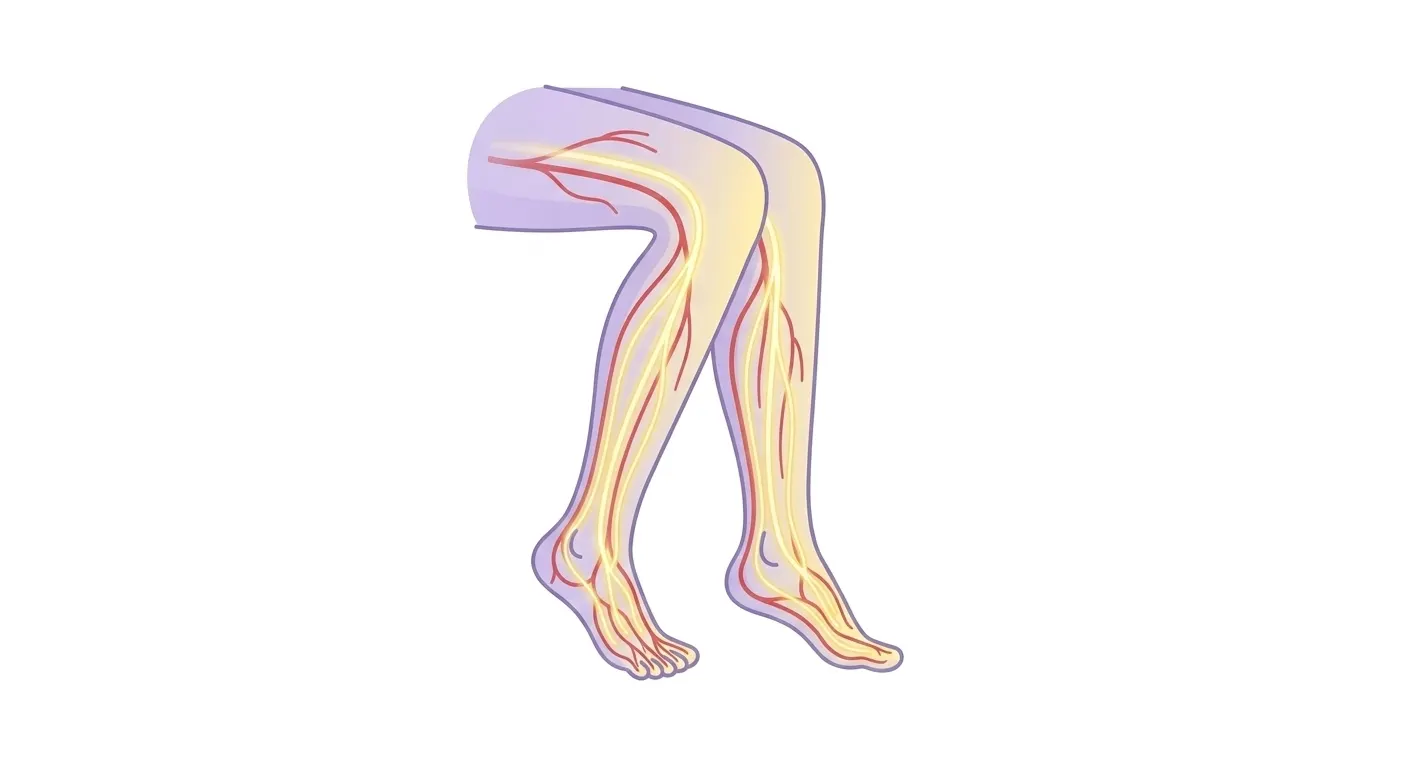
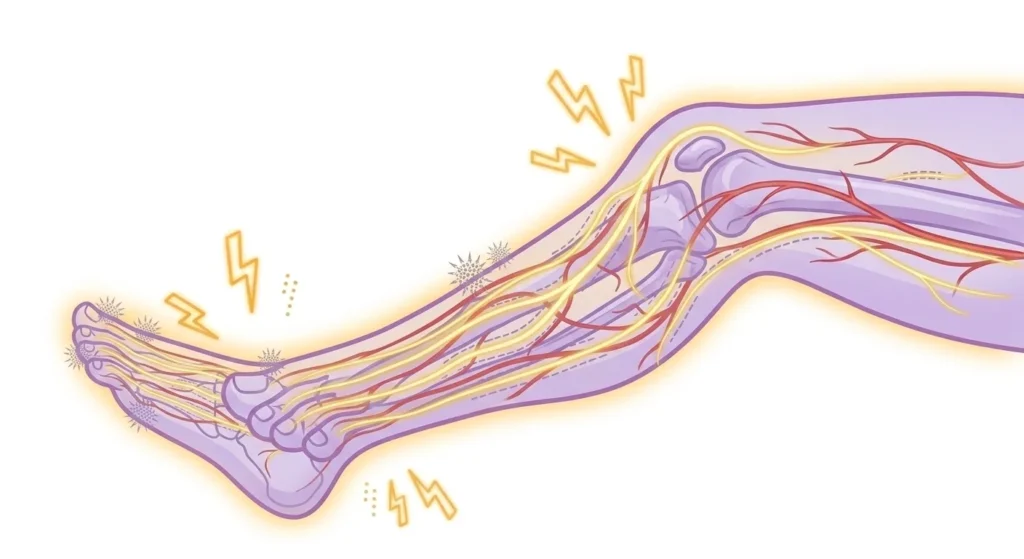
Your leg is not simply bone and muscle, it is a complex web of cables, known as nerves. The most notable of these is the sciatic nerve, which splits into the tibial nerve and the peroneal nerve. These cables transmit electrical signals from brain to toes.
When you have pain at the back of your heel, it’s often due to the Achilles tendon. The thickest tendon in your body is under severe stress. (This tendon is located right next to the sural nerve. The tendon inflames, a condition that causes it to grow and physically squeeze the nerve against the heel bone. That’s one reason heel pain and numbness often go together.
The Garden Hose Analogy
Imagine your nerves as a garden hose. When someone steps on the hose at your ankle (the compression), water (the nerve signal) cannot reach the sprinkler (your toes). The absence of those signals is what you interpret as numbness, tingling or even a cold feeling. And to remedy the numbness, you don’t simply examine the sprinkler you look at where the hose is getting pinched.
Things That Can Cause Numbness and Back of Heel Pain
Before we get into how to, let’s pinpoint the probable suspects. Understanding who tells us how to help you heal.
Achilles Tendinitis & Retrocalcaneal Bursitis
This is the commonest cause of pain at the back of heel. Both overuse from running and sudden spikes in activity, as well as wearing the wrong shoes for your foot type, can irritate the tendon or the tiny fluid-filled sac (bursa) behind the heel bone.
The Numbness Link. Severe swelling in the heel causes localized pressure that shoots numbness up the calf or down into the arch.
Insight: This is frequently observed in so-called ‘weekend warriors’ who transition from sedentary for a week to 5km running on Saturday.
Tarsal Tunnel Syndrome
The Tarsal Tunnel of your ankle is similar to the Carpal Tunnel in the wrist. When this area is pinched, due to flat feet, fallen arches or an old injury the Tibial nerve gets “pinched.”
What It Feels Like: If your numbness is like a burning on the sole of your foot or electric shock in the heel, most likely it’s this.
Sciatica and Lower Back Issues
Also surprising, the reason your foot is numb may be in your lower spine! A herniated disc at the lumbar or vertebrae can “pinch” a nerve at its root, sending discomfort and numbness all the way down to your heel’s posterior.
These have all been signs that your muscles may be locked up and, if they are, grab Lumbar Backrest Cushion because it is a must-have if you’re at a desk for hours, to keep your spine aligned to combat this top-down deadening.
Peripheral Neuropathy
This is a more systemic problem, in which the nerves themselves have been damaged. It certainly in diabetes individuals or some vitamin members deficiency. It typically starts at the ends of the toes and then travels upward toward the heel.
Numbness of Legs and Feet: What Works?
Now that we’ve addressed the “why,” let’s address how to stop numbness in legs and feet through actionable, human-centered steps.
Step 1: All about nerve gliding (or flossing)
Nerves don’t want to be stretched like muscles they want to glide. Nerves get trapped in scar tissue or tight muscle, they send out those tingly pins and needles signals.
- The Exercise: Sit on a chair. Straighten your leg. Dorsiflex slowly (flex your foot toward your face) while aiming your gaze up at the ceiling. Then stare down at your chest and point your toes outward.
- The Goal: This slides the nerve in and out of its “tunnel,” dissolving minor adhesions and re-establishing signal flow.
Step 2: The Power of Magnesium
Magnesium is the relaxer you can give to the human body. It helps transmit signals through nerves and allows muscles to release from those nerves.
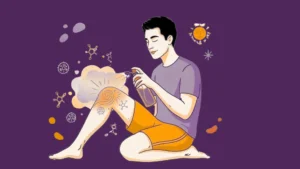
- Topical relief: Rubbing a magnesium-rich cream directly onto the back of a heel can give instant localized relief.
Step 3: Involving Shoes and “Heel Drop”
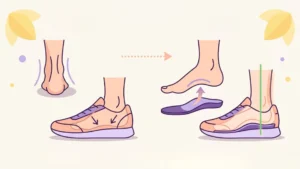
What you wear on your feet forms the base of your nerve health. Wear shoes with a really high heel or any sort of elevation type shoes, your Achilles tendon shortens. If you wear totally flat shoes (as some flip-flops do), the tendon stretches too far.
The Fix: Choose a shoe that features a moderate drop around 8-10mm. This helps the back of the heel stay in a neutral position, rather than compressed, which is what leads to numbness.
Step 4: Stick with the 30-Minute Movement Rule
Circulation is the life of your nerves. If you stay still for hours, blood settles in your feet, making tissues swell and press on nerves.
The Strategy: Start a timer for 30 minutes. Make 10 Heel-to-Toe rolls whenever it goes off. Stand up, go on your toes and back to your heels. This engages the calf pump, which is your body’s secondary heart, driving blood back up to your core.
Deep Dive: The Science of Inflammation and Numbness
To know how to stop numbness in legs and feet, we need to take a look at the chemistry of your body. Your body releases inflammatory cytokines when you have back of heel pain. These are messenger chemicals that communicate to your brain hey, there’s an injury.
These chemicals, unfortunately, also render nerves hypersensitive. It’s like a person trying to sleep in a loud room where a nerve that’s surrounded by inflammation is going to be irritable. This irritability appears as tingling, burning, or actual numbness.
The Role of Hydration
Nerves need an electrolyte balance to fire. When you’re dehydrated, your Salt and Potassium levels go haywire. This can produce phantom numbness, in which there’s no physical pinch but the nerve simply can’t deliver a clean signal.
Make sure you drink 3 or more liters of water a day, if physically active.
Chronic Heel Pain
If your heel pain has lingered longer than three weeks, it’s likely progressed from acute to chronic. Chronic pain demands a different approach.
Eccentric Heel Drops
This is the gold standard for the back of the heel. Use step (heels hanging off) Gradually moonwalk, count to five lower your heels below the step. Push back up using your good leg.
Why it works: This tightens and strengthens the tendon while it’s lengthening, which is an effective way to remodel the tissue and decrease the swelling that causes numbness.
Night Splints
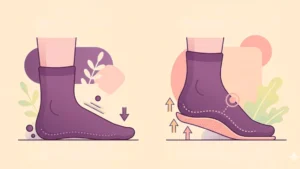
Most of us sleep with our toes angling down. This shortens the Achilles tendon overnight. It gets yanked when you take your first step in the morning, producing that sharp pain in the back of the heel.
The Solution: A gentle night splint maintains your foot at a 90-degree angle while you sleep, which helps keep the nerve tunnels open.
Soft Tissue Release
A tennis ball or a specialised massage roller on your calves can work wonders. The calf muscles (Gastrocnemius and Soleus) are the gatekeepers of the heel. If they’re tight, they yank on the heel bone, which pinches the nerves.
Conclusion
The journey through back of heel pain and finding answers to how to stop numbness in legs and feet can certainly feel like an uphill battle, but one that you do not need to take alone. As we’ve discussed, your body is a brilliantly interlinked system. That tingling in your toes or the shooting pain radiating in your heel is rarely a one-off; it’s a conversation that your nerves are attempting to have with you about the way you’re standing, what shoes you wear and how much (or little) moving around you do on a normal day.
With the journey to recovery you are doing more than just masking a symptom with nerve gliding, encouraging hydration and addressing your pain immediately from within through targeted products like the Betterhood Magnesium Body Lotion or Dual Gel Insoles. You are unstepping on the garden hose,and it’s well on its way to allowing your circulation and nerve signals to flow freely again.
Frequently Asked Questions
This is a classic symptom of Plantar Fasciitis or Achilles Tendinitis. Underneath, the tissues in your foot and heel clench and shorten as you sleep. However, when you take that initial step, you are pretty much tearing those cold, tight tissues. To avoid this, try a few “toe curls” and ankle circles before your feet even hit the floor.
Absolutely. Vitamin B12 is important for the health of the myelin sheath, the fatty insulation surrounding your nerves. When there isn’t enough B12, the sheath frays and the “wires” (nerves) begin to short-circuit, resulting in numbness and tingling.
Seek medical attention immediately if:The numbness is sudden and associated with “loss of power” in the leg.It was like if you could not feel your saddle area (groin and inner thighs).You wet or soil yourself.The paralysis comes after a stiff injury to the spine.
In most cases, yes! Walking hastens blood flow, which transports oxygen to the nerves. But if your heel pain in the back is sharp or “stabbing,” you should rest and do gentle stretching first. Wear supportive shoes at all times or wear Betterhood Heel Pads when walking on hard surfaces.
Yes, stress and anxiety can cause “hyperventilation syndrome.” If you breathe too fast, it lowers your blood CO2 level and causes your blood pH to change which makes your nerves feel “electrified” or tingly. One of the most effective ways to calm your nervous system is learning deep belly breathing.
Years of wearing high heels can lead to “Haglund’s Deformity (a bony bump on the back of the heel) and permanent shortening of the Achilles tendon. This leads to a fixed “pinch point” for the nerves. Heels should be saved for special occasions, and ergonomic shoes should do the heavy lifting for day-to-day wear.
References
- Cleveland Clinic. (2023). Peripheral Neuropathy: Symptoms, Causes & Treatment.https://my.clevelandclinic.org/health/diseases/14737-peripheral-neuropathy
- American Academy of Orthopaedic Surgeons (AAOS). (2022). Achilles Tendinitis.https://orthoinfo.aaos.org/en/diseases–conditions/achilles-tendinitis/
- Healthline. (2023). Numbness in Feet: Causes, Diagnosis, and Treatment. https://www.healthline.com/health/numbness-in-feet