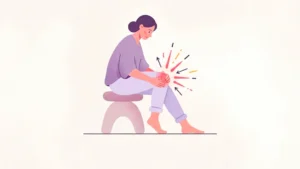






Running is one of the best ways to develop cardiovascular health, but it comes with a high demand on the lower body. With each step, your knees take on the combined forces of multiple times your body weight. When this delicate balance of muscular strength, proper alignment and recovery is disturbed knee pain typically ensues that will often end a dedicated athlete’s competitive schedule.
If you feel a dull ache around the kneecap or sharp pain in descent, you’re not alone. The most commonly reported injury among runners of all levels is knee pain. This guide also goes into why your knees may hurt after running, the importance of orthopedic support and how to keep your joints healthy for the long haul.
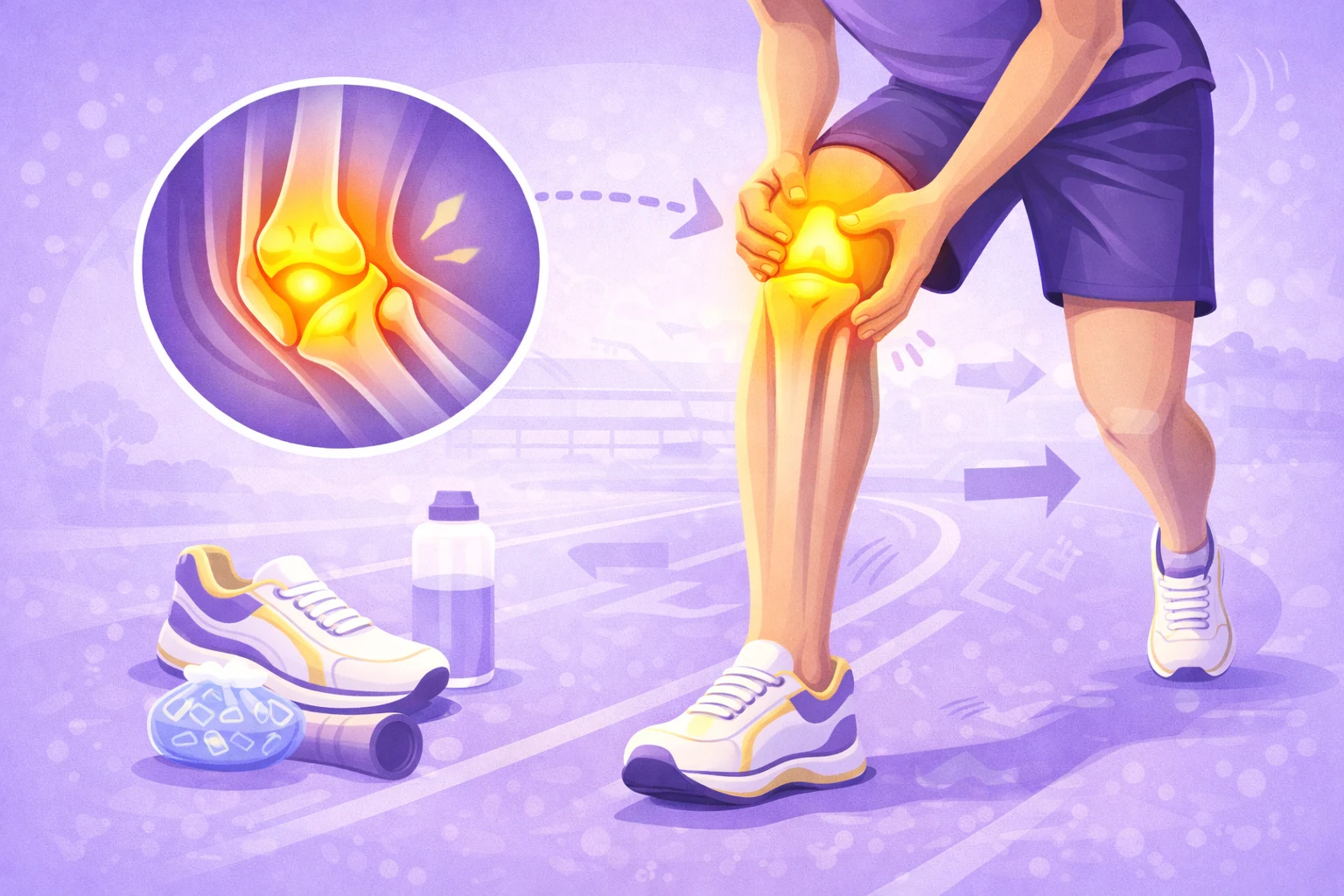
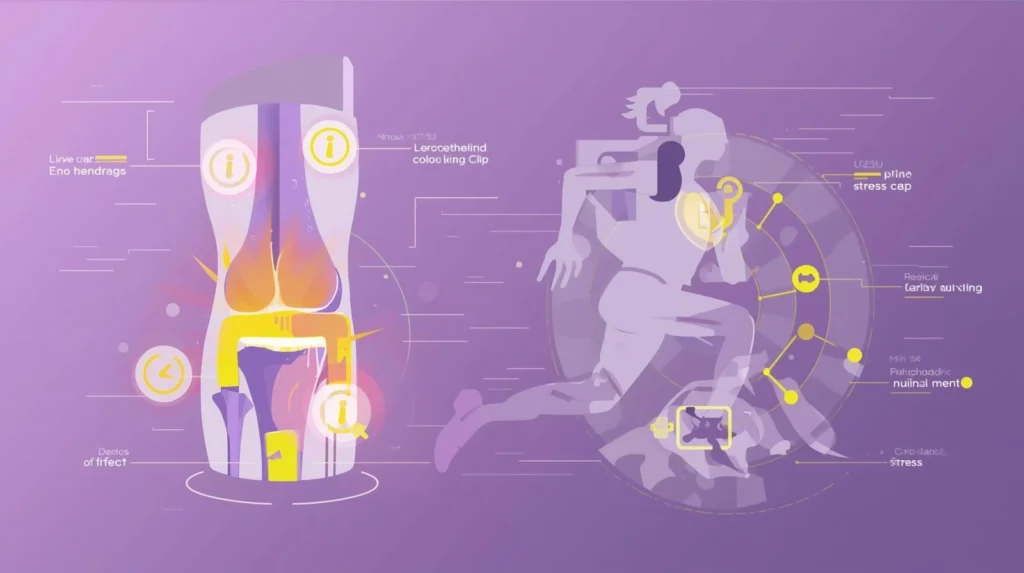
Part I: The Structural Composition of the Running Knee
In order to understand how your knee can hurt after a workout, we need to take a look at the hinge that drives your stride. The knee is little more than a joint it really is a sophisticated accord of bones, cartilage and tendons.
The Patellofemoral Joint
This is where your kneecap (patella) rests in a groove at the end of your upper leg bone (femur). The kneecap glides up and down as you run. If it doesn’t track, or sit perfectly in that groove, there’s irritation.
The Shock Absorbers (Meniscus)
Between the bones are two C-shaped scraps of tough, rubbery cartilage called the meniscus. These serve as shock absorbers to keep bones from rubbing against each other during high-impact activities like sprinting.
The Stabilizers (Ligaments & Tendons)
- Patellar Tendon: Joins your kneecap to your shinbone.
- IT Band: A thick band of tissue along the outer thigh to the knee.
- Ligaments (ACL, PCL, MCL, LCL): These are the structural walls that hold the knee together so it doesn’t wobble.
Part 2: Some Of The Most Common Reasons Running Can Cause Knee Pain
I suspect your knee pain is not due to one single thing. It is typically the result of cumulative microtrauma, the repeated strain of thousands of footfalls.
Patellofemoral Pain Syndrome (PFPS)
Known as Runner’s Knee, it is often a dull pain behind or around the kneecap. It is often worse when running downhill, climbing stairs or sitting for extended periods with the knees flexed. [1]
Iliotibial (IT) Band Syndrome
This manifests as stabbing pain over the outer knee. It occurs when the IT band gets too tight and starts to pinch against the knee bone, which causes friction and inflammation. [Ref 2]
Patellar Tendonitis (Jumper’s Knee)
This is an overuse injury that results in pain just below the kneecap. It is fairly common with runners who do a lot of hill repeats or plyometric work. [3]
Meniscus Tears
Often they’re the result of a sudden twist, but small degenerative tears can develop over time in runners, resulting in swelling or clicking, or a sensation that the knee is locking.[4]
Part III: Orthopedic Interventions for Knee Pain
So treating the knee pain is not just a simple question of resting: it needs to correct the mechanical errors that may have caused this pain first.
Bottom-Up Chain Correction: Arch Supports
Knee pain is common among a lot of runners because their feet collapse or over-pronate inwards. When your arch collapses, it rotates your shinbone in such a way that it causes the knee joint to turn. This is a central reason for misalignment.
This provides a stable base from which to handle the leg in internal rotation less. The betterhood PosturePro Arch Support Insoles provide the professional-grade lift that can help keep its kinetic chain in check for those who want a more serious solution. [11]
Spinal Alignment and Nerve Function
The nerves that control the muscles surrounding your knee (like the quadriceps and hamstrings) arise from your lower back. Those muscles might not fire properly, however, if your back is compressed from sitting all day before you run, leaving your knee joint unprotected.
While it may seem like an obvious step in run recovery, making sure your back is supported throughout the day is a critical but often neglected element. A PosturePro Backrest helps preserve the integrity of these neural pathways.
Targeted Inflammation Control
Because there is deep-seated inflammation in the tendons, knee pain can continue. Post for a great deal of this can expedite mending. A specialized Pain Relief and Recovery Spray can offer localized cooling and anti-inflammatory benefits without the body wide side effects of oral medicine.
Comprehensive Back Support
Sometimes, the problem isn’t only in the lower back, it’s the overall spinal posture moving your center of gravity forward and shifting more weight onto your knees. A Back Support Cushion for Chair can assist in redistributing this weight more evenly.
Part IV: Restoring the Runner’s Knee
(NOTE: If your knee is swollen or if you are unable to fully straighten your leg, talk to your doctor before doing any exercises.)
Strengthening the VMO
The Vastus Medialis Obliquus is the teardrop-shaped muscle on the inner thigh. The number one way to fix kneecap tracking issues is through strengthening this muscle.
Exercise: Short-arc quads (lying on your back with a towel roll under your knee, extending the leg). [ 7]
Hip Abductor Strength
When running, weak hips make the knees cave in.
- Exercise: Clamshells (lying on your side, knees bent, raising the top knee while leaving ankles together). [5]
- Flexibility: The Couch Stretch
- When the hip flexors are tight, they yank on the pelvis and increase tension around the kneecap.
- Workout: On one knee with the back foot resting on a wall or couch. [6]
For anyone struggling with wider postural problems that lead to knee strain, learning how to decompress the lower back is an important part of your mobility routine.
PART V: Running Longevity
We are focused on the symbiosis of ergonomics and athletic performance at betterhood. feel like your work life and running life are inseparable. Sitting in a poorly supported seat for 8 hours a day will not lead to efficient running mechanics.
Why Posture Matters for Runners
Slouching causes your pelvis to tilt. This will lead to a tight hip flexor and chronically shortened quadriceps from an anterior pelvic tilt. This added strain tightens the kneecap against the femur, making it hurt when you go for your evening run. This is where a PosturePro Lumbar Backrest comes in to help neutralize these desk-bound dangers.
The Foundation of the Stride
Every step will first be absorbed through the feet. In the absence of arch support, the knee becomes the next shock absorber in line. This is why orthotic arch support is frequently suggested as the initial line of defense against runner’s knee.
Part VI: Lifestyle Habits and Prevention
- The 10% rule: Never increase your weekly mileage more than 10% per week
- Cadence is Important: Try to increase your number of steps. Stride length can also influence forces on the knee joint. [12]
- Surface Variation: Try not to always run on the same side of a crowned road.
- Active recovery: Use tools like the Recovery Spray not only when you’re in pain but also as a preventive tool after long runs.
Part VII: When to See the Doctor
See a specialist if you have any of the following:
- Giving Way: If the knee feels unstable or buckles under you. [Ref 9]
- Locking: When you are unable to fully extend or flex the knee.
- Night Pain: Pain that does not go away even when you are stationary.
- Effusion: Marked swelling around the joint.
Conclusion
Knee pain when running does not have to be a lasting roadblock in your fitness journey. Although that discomfort can be frustrating, it’s your body’s way of asking for a mechanical tune-up. By focusing on the underlying factors like poor foot alignment, weak hip stabilizers and postural habits that favour sedentary life over sports, you can change your running form and your joints’ lifespan.
The best runners take their recovery as seriously as they do their training. That means incorporating a well-rounded training method that focuses on balancing active strengthening movements with orthopedic support devices. Whether it’s stabilizing your foundation using betterhood posture pro arch support Insoles, or preventing your spine from compressing with a better posture during work hours using a Betterhood PosturePro Lumbar Backrest during workhour (every little thing counts towards making you a better version of yourselves).
Frequently Asked Questions
If any pain is sharp or a limp develops, stop immediately. Dull aches that feel better when you move your feet can often be treated with arch supports.
Yes, flat feet warp the leg inward and drag the kneecap out of its groove.
Most shoes collapse around the 500 to 800 km mark, and fail to support your knees.
They do provide compression and warmth but they don’t solve the basic alignment problems that something like a lumbar backrest or insoles will.
Downhill running adds an eccentric load to the quads, pushing the kneecap into the femur with more force.
Yes, weak or tight glutes are incapable of stabilizing the hip, resulting in excessive knee rotation.
Use an orthopedic backrest to support your pelvis neutral, in order to avoid tight hip flexors.
Reference
- American Academy of Family Physicians (AAFP). (n.d.). Evaluation of Knee Pain. https://www.aafp.org
- Cedars-Sinai. (n.d.). IT Band Syndrome in Athletes. https://www.cedars-sinai.org
- Cleveland Clinic. (n.d.). Meniscus Tears and Running. https://my.clevelandclinic.org
- Harvard Health Publishing. (n.d.). Running Cadence. https://www.health.harvard.edu
- Healthline. (n.d.). Stretches for Runner’s Knee. https://www.healthline.com
- Journal of Orthopaedic & Sports Physical Therapy. (n.d.). Hip Strength and Knee Pain. https://www.jospt.org
- Mayo Clinic. (n.d.). Patellofemoral Pain Syndrome. https://www.mayoclinic.org
- Medical News Today. (n.d.). Strengthening the VMO (Vastus Medialis Oblique). https://www.medicalnewstoday.com
- National Institutes of Health (NIH). (n.d.). Foot Orthotics and Patellofemoral Pain. https://www.nih.gov
- OrthoInfo – American Academy of Orthopaedic Surgeons. (n.d.). Patellar Tendonitis. https://orthoinfo.aaos.org
- Physiopedia. (n.d.). Biomechanics of Running. https://www.physio-pedia.com
- WebMD. (n.d.). Knee Pain Diagnosis Guide. https://www.webmd.com