





Millions of people worldwide experience foot pain, which is a frequent health concern. Whether due to long hours of standing, high heels, or an underlying foot problem, sore feet can seriously interfere with daily life. Most people ignore mild foot pain until it becomes intense enough to disrupt walking, working or exercising.
Arch supports are one of the best methods you can use to alleviate foot pain and ensure your feet are properly aligned. Arch support inserts are aligners that can be placed into the shoes, as they provide stability to the natural curvature of a foot and distribute pressure evenly when walking or standing. Good Feet arch supports and other products are intended to stabilize the foot, improve posture and lessen the impact on muscles and joints.
The arch of the foot is an important structure for weight-bearing and shock absorption when we are moving. When the arch is not adequately supported, or when the structure isn’t properly aligned, issues such as plantar fasciitis and heel pain can develop, or migrate to pain in your knees and lower back. Medical professionals say a proper arch support prevents strain on the plantar fascia allowing better overall function.[1]
Learn How Arch Supports Work and Help Foot Health Making informed decisions on pain relief or enhancing mobility requires understanding how arch supports work and how they can help with foot health.
Know the Anatomy of the Foot
The human foot is a complex structure consisting of 26 bones, 33 joints, and over 100 muscles, ligaments, and tendons that allow us to bear our weight and move. The Arch- The arch of the foot is one of its most vital structural features, and it plays a role in weight distribution throughout the foot as well as shock absorption when walking or running.
There are three primary arches in the foot.
- Medial longitudinal arch
- Lateral longitudinal arch
- Transverse arch
The arches jointly contribute to balance, while supporting the weight of the body. When these arches work, they alleviate strain on the joints and muscles of the entire body.
But problems arise when the arches are too flat or too high. Flat feet can result in overpronation when the foot rolls inward too much and high arches may leave your feet unable to absorb shock properly. Both conditions can cause pain and discomfort.
Studies in the field of biomechanics have determined that feet can be visualized and regarded as springs, and that their arch is able to store energy for movement.
Which is why good support for the arch can make such a huge difference in comfort and mobility.
What are Good Feet arch supports?
Arch supports are devices which can be placed inside shoes to mirror the shape of a foot. While regular shoe insoles tend to be geared mostly towards cushioning, arch supports are built for structural support and alignment.
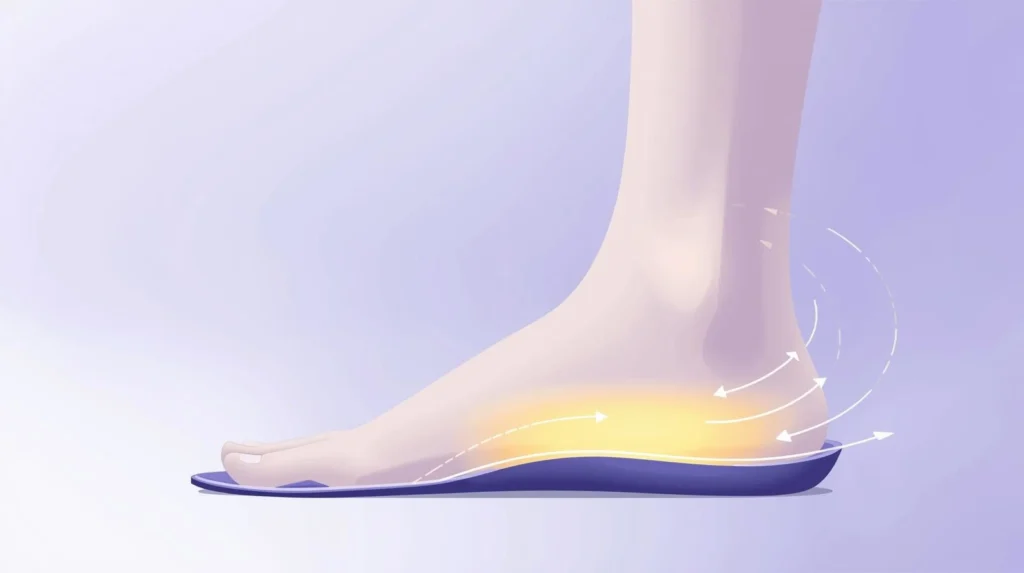
Good Feet arch supports are designed to stabilize the foot and keep it in its natural position while moving around on it. This leads to pressure offloading (where body weight is redistributed evenly across the foot, and less burden falls on sensitive areas of the body like the heel or forefoot).
Foot health experts say arch supports can help the feet, ankles and knees stay aligned, which could alleviate pain and fatigue.[2]
Arch support is a common treatment for multiple foot conditions, including:
- Plantar fasciitis
- Flat feet
- High arches
- Heel pain
- Foot fatigue
By stabilizing the natural structure of the foot, these inserts may help allow for improved walking mechanics and decreased stress on muscles and ligaments.
The Benefits of Good Feet Arch Supports
Arch supports provide plenty of benefits beyond simple foot comfort. They can help improve posture, decrease pain and increase mobility.
Improved Foot Alignment
Arch supports can offer a variety of benefits to your feet, but one of the most important things is alignment. When the arch collapses or flattens, it can allow the foot to roll inward too much. This phenomenon is called overpronation, and it puts stress and strain on the joints oftentimes resulting in pain.
Arch supports also help hold the foot in a neutral position, which minimizes excessive inward rolling. It thus keeps the whole bottom half of your body aligned.
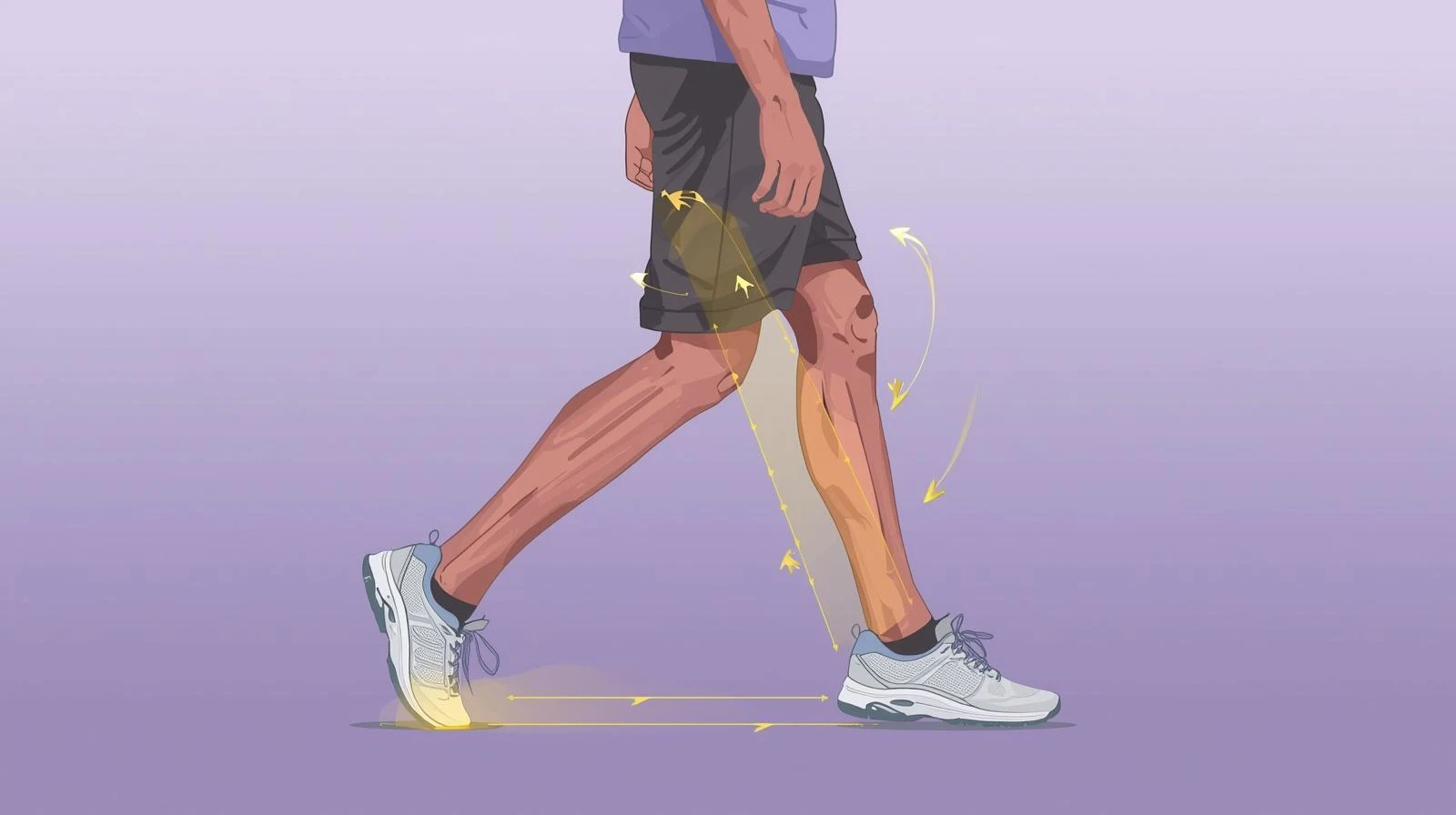
When the feet align properly, it can reduce pressure on the ankles, knees and hips and lower back.
Relief from Foot Pain
A number of conditions can cause foot pain, including plantar fasciitis, tendonitis and muscle fatigue. Arch supports can alleviate pain by decreasing strain on the plantar fascia and other tissues in the foot.
The plantar fascia is a thick band of tissue on the bottom of the foot. When this tissue becomes inflamed, it can lead to sharp heel pain.
Medical experts also say supportive orthotic inserts can offer relief from plantar fasciitis symptoms by helping the arch and relieving tension on the plantar fascia.[3]
Therefore, arch supports are commonly prescribed in heel pain treatment protocols.
Better Weight Distribution
Your feet undergo pressure with every step you take. Without adequate support, some parts of the foot can end up taking excessive pressure over time, which can cause pain or injury.
Arch supports assist with distributing bodyweight more evenly across the foot. It offers shock absorption under the heel and forefoot while stabilizing the arch.
The even distribution of pressure among feet helps minimize fatigue and enhance comfort during prolonged standing or walking.
Enhanced Stability and Balance
During movement, foot stability is necessary to retain balance. Arches that are weak or not supported can become unstable, resulting in a threat for falling or injury.
These arches help to sustain the foot’s natural structure, which provides a solid base for the body. This helps build stabilization strength essential for walking, running, and exercising.
Augmenting balance to prevent falls with orthotic devices in the elderly (abstract)[5]
Reduced Stress on Joints
The feet are the body’s base. “When the feet aren’t aligned, it can start a chain reaction that affects other joints.
Foot alignment issues can cause knee, hip and lower back pain.
Arch supports help to realign by reinforcing the foot and bettering posture. This puts less pressure on joints and enables the body to operate more efficiently.
Typically, healthcare providers prescribe orthotics to enhance biomechanics and relieve joint strain.[2]
Who is Arch Support Suitable for?
Arch supports can benefit many people, particularly those with foot pain or structural problems.
People with Flat Feet
Flat feet develop when the arch collapses or is underdeveloped. This condition may result in excessive inward rolling of the feet while walking.
Arch supports also help to lift the arch and provide support for structures, reducing strain on muscles and ligaments.
Individuals with High Arches
When you have high arches, they do not absorb well and put increased stress on other areas of the foot.
These arch supports are designed to distribute pressure more evenly throughout your foot and improve shock absorption.
Athletes and Active Individuals
Foot health is extremely important to an athlete as the feet undergo so much stress during training and competition. Activities including running and jumping impose repeated impact forces.
Arch supports stabilize the foot, and they can prevent overuse injuries.
Those who spend hours on their feet
Several professions involve extended periods of standing in place healthcare professionals, people working in retail and factory workers.
Prolonged standing can result in foot fatigue and discomfort. Additional support and cushioning is found in these diabetes socks through their arch supports to minimize fatigue.
Types of Arch Supports
There are a number of various arch supports, each device accomplishing something to satisfy explicit needs.
Rigid Arch Supports
Stiff arch supports: These are made of rigid materials like plastic or carbon fiber. These supports hold it steady and realign if needed.
They are often suggested to those with flat feet or biomechanical issues.
Soft Arch Supports
These have soft arch supports built in for comfort and a little cushioning. They are usually made out of foam or gel.
These are suited for mild support and shock absorption in day-to-day activities.
Custom Orthotics
Custom orthotics are specialized inserts designed to fit the unique contours of an individual’s foot.
They’re typically prescribed by podiatrists and made from foot molds or digital scans.
Orthotics are like special shoes for the feet, designed to support them even custom-made orthotics![4]
Which Type of Arch Support Should You Choose?
The right arch support depends on your foot structure, lifestyle, and level of activity.
Determine Your Arch Type
The first step to choosing the right support is knowing if you have flat feet, neutral arches or high arches.
Consider Your Daily Activities
Athletes might need a firmer support for stability while those looking for all-day comfort may prefer a softer insert.
Check Shoe Compatibility
Arch supports are most effective in shoes that have room and stability.
Choose Quality Materials
Good quality arch supports are durable and hold their shape over time.
A Guide to Correctly Using Arch Supports
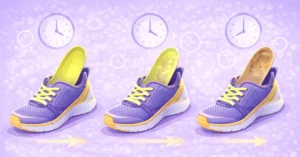
However, to get the most out of arch supports, you must use them correctly.
Some helpful tips include:
- Begin wearing them gradually so your toes can get used to it
- Wear supportive shoes with removable insoles
- Replace worn-out inserts regularly
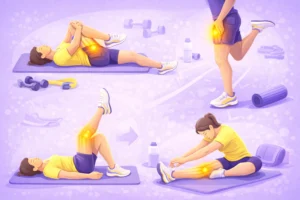
- Pair it with foot stretching exercises
It can take days or even weeks for the body to fully adjust to new arch supports, experts say.[2]
Mistakes When Wearing Arch Supports
While arch supports can be crucial, there are common mistakes that can limit their potential.
Choosing the Wrong Size
If they aren’t the proper size or shape, arch supports can be painful rather than helpful.
Wearing Them in Unsupportive Shoes
Arch supports work best in stable shoes with good structure.
Expecting Immediate Results
The body might need some time to adjust to the new functional conditions.
When to See a Doctor for Foot Pain
Although arch supports can alleviate many causes of discomfort in the feet, some cases can warrant a visit to the doctor.
If you experience any of the following, see a healthcare provider:
- Severe or persistent foot pain
- Swelling or inflammation
- Numbness or tingling
- Difficulty walking
A podiatrist can assess your foot mechanics and suggest appropriate treatment or custom orthotics as needed.
Conclusion
Healthy feet are vital to mobility and quality of life. And because the feet bear the weight of the entire body, issues with the arches can have an impact on posture, movement and comfort.
Good foot arch supports and other inserts are designed to support natural foot structure and alignment. These types of supports can help relieve pain, improve posture and increase overall comfort on a daily basis by distributing pressure evenly and stabilizing the arch.
Medical experts and scientific research indicate that adequate arch support promotes better management of disabling conditions, including plantar fasciitis, as well as reduced joint stress and improved balance.
Whether you’re on your feet for long hours, partake in athletic/recreational sports or just want to enjoy better foot health & comfort, arch supports are a great solution to assist with maintaining healthy feet and improving mobility.
Provided you have the right assistance as well as use it constantly, you can easily guard your foot, and also minimize aches while enjoying your everyday activities with a whole lot of relaxation.
Frequently Asked Questions
Good Feet arch supports are inserts placed inside your shoes that helps you support your foot in its natural state, to enhance alignment and to take strain off the feet while walking or standing.
Yes, arch supports can make plantar fasciitis symptoms better because they decrease stress on the plantar fascia and support the foot’s natural structure.
Arch supports are useful for flat feet, high arches, anyone with foot pain, athletes and people who stand all day.
Yes, arch support can improve alignment of the feet and ankles, which may positively impact your overall posture and help relieve stress on the knees, hips, and lower back.
Most people will require a few days to a couple weeks to become fully accustomed as the feet and muscles learn the new support.
Arch supports function best in supportive shoes with removable insoles and enough room to fit the insert.
Custom orthotics are specifically designed for an individual’s foot mechanism and may offer more exact support, particularly for people with extreme foot conditions.
References
- Mayo Clinic. (2023). Plantar Fasciitis.
https://www.mayoclinic.org/diseases-conditions/plantar-fasciitis - Cleveland Clinic. (2022). Orthotics and Shoe Inserts.
https://my.clevelandclinic.org/health/treatments/orthotics - American Academy of Orthopaedic Surgeons. (2023). Plantar Fasciitis Treatment.
https://orthoinfo.aaos.org/en/diseases–conditions/plantar-fasciitis - American Podiatric Medical Association. (2022). Orthotics Overview.
https://www.apma.org/patients/custom-orthotics - National Institutes of Health. (2019). Orthotics and Balance Improvement Research.
https://www.ncbi.nlm.nih.gov - Yawar, A. (2017). Transverse Contributions to the Longitudinal Stiffness of the Human Foot.
https://arxiv.org/abs/1706.04610