






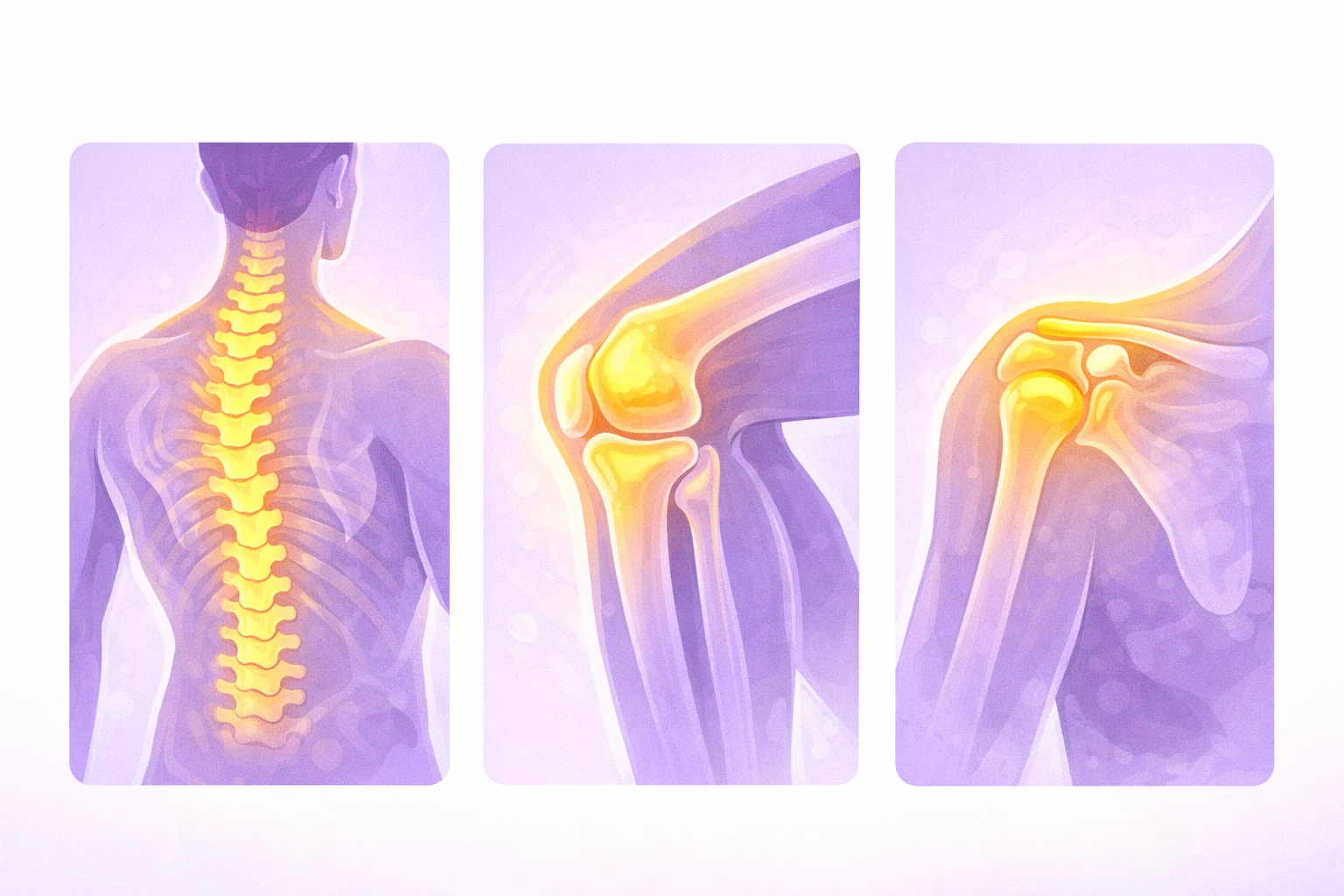
Musculoskeletal health is integral to overall wellness, yet often neglected until pain or mobility issues start impacting daily life. Musculoskeletal system This is All bits of the body that provide support, stability and movement to it such as bone, joint, ligaments, tendons and muscle.
Your musculoskeletal system works the whole time you walk, carry something, work out, or even while sitting and holding postures. If this system does its job, you flow through life and roam around comfortably. But when this connective tissue weakens from disuse, poor posture, aging or injury it can result in pain, stiffness, impaired mobility and chronic health issues.
The growing prevalence of musculoskeletal disorders is mainly due to modern lifestyles particularly ones with long desk hours, less physical activities and poor ergonomics. Research shows that conditions like back pain, osteoarthritis and muscle strain are among the top causes of disability around the world. Maintaining proper physical activity, strength training modalities and mobility exercises also help keep your bones, muscles and joints healthy while decreasing the risk for chronic pain and injury.
Resistance and mobility exercises boost muscle strength, bone density, balance and joint stability all factors linked to lifelong musculoskeletal health. [1]
In this step-by-step guide, we will discuss:
- What musculoskeletal wellness means
- Common causes of musculoskeletal problems
- They cited the importance of musculoskeletal system strengthening.
- The ideal exercises to keep you mobile and strong
- These lifestyle habits support great bone and joint health
- Preventing musculoskeletal disorders: Practical advice
Simply practice these simple habits and some targeted exercises, and you can help ensure strong bones, supple joints & sturdy muscles for many years to come.
What is Musculoskeletal Wellness?
Musculoskeletal wellness describes how well the musculoskeletal system functions and enables our body to perform, keep balance, and support daily functions.
Some of the main components in the musculoskeletal system are:
Bones
Osseous tissue makes up the body skeleton. They shield organs, store important minerals such as calcium and hold up body weight. Mobility and physical stability depend on the healthy bones.
Muscles

Muscle contractions and relaxations are responsible for movement. They also play a role in posture, metabolism, and stabilization of joints during activity.
Joints
Joints are the areas where two bones meet, enabling movement. Healthy joints move as intended as they are lubricated, flexible and supported by surrounding muscles and ligaments.
Ligaments and Tendons
Ligaments attach bones to one another; tendons attach muscles to those bones. These connective tissues are essential for the stability of joints and the transfer of forces during movement.
When these structures work well together, they allow for activities such as walking, running, lifting, bending or maintaining posture.
But conditions such as aging, sedentary behavior, repetitive stain and poor ergonomics can wear down the musculoskeletal system over time.
Research shows that keeping up regular physical activity and resistance training can counteract age-related losses in muscle mass, flexibility and bone density. [2]
Common Causes of Musculoskeletal Problems
There are many potential causes of musculoskeletal problems. Some are caused by lifestyle habits; others may come from an injury or medical condition.
The first step to preventing them is understanding these causes.
Sedentary Lifestyle
Inactivity and immobility are among the largest contributors to musculoskeletal issues. Prolonged sitting weakens the muscles, limits joint mobility and increases stiffness.”
Other common types of pain include neck and shoulder pain or lower backaches, which are ubiquitous among office workers and those with desk jobs because they sit so much.
But workplace exercise programs that combine strength, flexibility and balance training have been shown to markedly reduce musculoskeletal pain and increase functional capacity. [3]
Poor Posture
Bad posture while sitting, standing or using electronic devices may put extra pressure on the spine, shoulders and neck.
Common posture-related issues include:
- Forward head posture
- Rounded shoulders
- Lower back pain
- Neck stiffness
Good posture helps to distribute weight evenly over the body, relieving stress from our joints and muscles.
Overuse and Repetitive Movements
Strain injuries are caused by repetitive actions, such as lifting or typing, or sport movements.
These repeated movements can over time bring about conditions like:
- Tendinitis
- Carpal tunnel syndrome
- Muscle strain
- Joint inflammation
Training in proper movement patterns, taking breaks, and doing basic stretching exercises can mitigate these risks.
Aging and Muscle Loss
One is known as sarcopenia, a diminishment of muscle mass and bone density that occurs as people age.
These changes can happen if you don’t exercise regularly:
- Reduced strength
- Poor balance
- Increased risk of falls
- Joint instability
It has also been shown that strength training and mobility exercise can slow these changes induced by aging.
Injuries and Trauma
Muscles, ligaments and joints can be damaged through accidents, sports injuries or improper techniques used for exercise.
Rehabilitation exercises and physiotherapy are important in the recovery of function after injury.
Benefits of Improving Musculoskeletal Wellness
It refers to the health of muscles and bones and has many physical and functional benefits.
Improved Strength
Muscles assist in stabilising joints and can help prevent injury. Resistance training promotes muscle adaptation and enhances functional performance.
Resistance training promotes gains in muscle strength, but research has found that it can also improve the stability of a joint, and metabolic health. [1]
Increased Bone Density
Strength training helps to stimulate bone formation, and prevent osteoporosis.
Higher bone density lowers the risk of fractures, especially as people age.
Better Mobility and Flexibility
Stretching and mobility exercises can keep your joints flexible and reduce stiffness in your muscles.
Enhancement of flexibility enables the body to undergo free movement and do daily routine jobs in a better way.
Reduced Pain and Injury Risk
If they are balanced, their muscle strength and proper mobility would lower the odds of strain injuries and chronic pain.
Exercise typically strengthens posture and body mechanics.
Enhanced Quality of Life
When your muscles and joints are healthy, you can do daily activities like walking, climbing stairs, carrying groceries or running with ease.
Exercise has also been associated with a range of mental health benefits, including lower stress levels.
Best Exercises for Musculoskeletal Wellness
Exercise is the most effective means to preserve musculoskeletal health.
A well-rounded routine should include:
- Strength training
- Flexibility exercises
- Mobility drills
- Balance training
Here are some of the best exercises.
Stretching Exercises for Joint Flexibility
Stretching promotes elasticity in the muscles and improves joint mobility.
Hamstring Stretch
This is a stretch for the back of the thighs and helps to release tension in the lower back.
Benefits include:
- Improved flexibility
- Reduced muscle tightness
- Better posture
- Shoulder Stretch
The shoulder joint is very mobile, but vulnerable to stiffness.
Stretching the shoulders regularly increases range of motion and releases tension in the neck.
Spinal Twist
Rotating the spine stretches the back muscles and increases spinal flexibility.
This exercise is beneficial to people who sit for long hours.
There are some national guidelines you can follow mobility routine
Strength Training for Musculoskeletal Health
Strength training builds muscle mass, strengthens bones and stabilizes joints.
Bodyweight Squats
Squats work the quads, hamstrings, glutes and core.
Benefits include:
- Improved lower body strength
- Enhanced joint stability
- Increased bone density
Lunges
Lunges build strength in the legs while also working on balance and coordination.
They also stabilize the knees and hips.
Push-Ups
Push-ups build strength in the chest, shoulders, arms and core.
These are extremely good for enhancing strength and posture of the upper body.
Resistance Band Exercises
Resistance bands produce a focused tension that builds muscle yet puts less stress on joints.
These are used extensively in physiotherapy and rehabilitation programs.
Article by Betterhood strength training blog or product
Mobility Exercises for Joint Health
Mobility exercises are designed to increase the range of motion in joints.
Hip Circles
Hip CirclesThe hip circle helps to make our hips more flexible and feel less stiff from sitting for hours.
Arm Rotations
Upward and downward arm rotations are essential to keep the shoulders mobile and pain-free.
Ankle Mobility Drills
Ankle mobility is key for balance, walking and running.
Having flexible ankles helps protect against falls and injury.
Lifestyle Practices to Promote Musculoskeletal Health
Exercise alone is insufficient for musculoskeletal health.
Daily Habits That Support Musculoskeletal Wellness
Maintain Proper Posture
Maintaining the spine in its natural gradient while standing or sitting minimizes stress on muscles and joints.
Take Movement Breaks
If you have a desk job, do a movement break every 30–60 minutes.
Movement breaks, even short ones, improve circulation and reduce muscle stiffness.
Use Ergonomic Furniture
The use of ergonomic chairs and desks is also a great way to ensure good posture.
Stay Hydrated
Water contributes to joint lubrication and muscular function.
Dehydration contributes toward muscle cramps and fatigue.
Get Enough Sleep
During sleep, muscles and connective tissues repair from the stress and physical activity accumulated during waking hours.
Nutrition for Musculoskeletal Health
Good nutrition helps with muscle repair, bone density and joint function.
Calcium
Calcium is crucial for strong bones.
Sources include:
- Dairy products
- Leafy greens
- Almonds
Vitamin D
Vitamin D enables the body to absorb calcium and maintain bone density.
Sources include sun exposure and fortified foods.
Protein
Protein helps repair and build muscle.
According to research, muscle protein synthesis can be stimulated by consuming about 20 to 25 grams of protein post-resistance exercise. [ 4]
Magnesium
Magnesium is good for muscle relaxation and nerve function.
Omega-3 Fatty Acids
Omega-3 fatty acids decrease inflammation and promote joint health.
Preventing Musculoskeletal Disorders
Given that preventive strategies could help reduce the incidence of chronic musculoskeletal conditions.
Exercise Regularly
Regardless of age, physical activity strengthens muscles and joints, increases flexibility and balance.
That was something that could last even after moderate physical activity.
Warm Up Before Physical Activity
Some moving around warm the muscles and joints up, lowering risk for injury.
Practice Safe Lifting Techniques
Lifting incorrectly can cause strain in the back and muscles.
Lift with your legs, not your back.
Maintain a Healthy Weight
Carrying excess body weight puts extra strain on the joints, especially in the knees and hips.
Balance Activity and Rest
With no recovery, overtraining might cause injuries.
Muscles and connective tissues recover on rest days
When to Seek Medical Advice
Although physical activity and lifestyle changes can enhance musculoskeletal wellness, some symptoms need medical intervention.
You should seek medical attention if you experience:
- Persistent joint pain
- Severe swelling
- Limited range of motion
- Numbness or tingling
Pain which is unrelieved by rest
In fact, an early diagnosis and treatment can avoid more severe complications.
Conclusion
Musculoskeletal health is crucial for mobility, independence, and overall quality of life.
Building muscle for stability, increasing joint mobility and flexibility of the ligaments, practicing proper posture alignment and embracing a healthy lifestyle can lower the chances of experiencing pain, injury or degenerative musculoskeletal problems.
Muscle and skeletal health, like many aspects of our physical being, is influenced by multiple factors such as exercise, nutrition, proper posture and the like.
Even small interventions stretching every day, sitting and standing straight, exercising regularly can make a huge difference in the musculoskeletal system’s strength and durability.
Investing in your musculoskeletal health today, lays the foundation for a healthier, stronger, mobile and pain-free future.
FAQs
The body consists of bones, muscles, joints, ligaments and tendons all ensure the skeletal system is well supported so we can also move.
It keeps you mobile, minimizes the risk of injury, enhances your posture and is also supportive in performing physical activities on a day-to-day basis.
Some of the most common contributing factors include: sedentary lifestyle, lack of proper posture, repetitive movements, aging and injury.
Strength training, stretching, good posture and nutrition” go a long way toward better musculoskeletal strength.
Exercises such as squats, lunges, push-ups and mobility or range-of-motion drills strengthen muscles and joints.
Strength training two to three days per week and stretching or mobility exercises on a daily basis are generally recommended.
References
World Health Organization. (2022). Musculoskeletal conditions.
https://www.who.int/news-room/fact-sheets/detail/musculoskeletal-conditions
National Institute of Arthritis and Musculoskeletal and Skin Diseases (NIAMS). (2023). Musculoskeletal Health.
https://www.niams.nih.gov/health-topics/musculoskeletal-health
Harvard Health Publishing. (2021). Strength training builds more than muscles.
https://www.health.harvard.edu/staying-healthy/strength-training-builds-more-than-muscles
Centers for Disease Control and Prevention (CDC). (2023). Benefits of Physical Activity.
https://www.cdc.gov/physicalactivity/basics/pa-health/index.htm
NHS. (2022). Exercise and physical activity guidelines.
https://www.nhs.uk/live-well/exercise/
International Osteoporosis Foundation. (2021). Exercise for bone health.
https://www.osteoporosis.foundation/health-professionals/prevention/exercise


