





Introduction
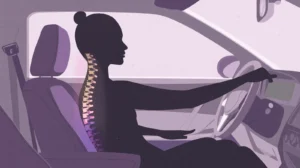
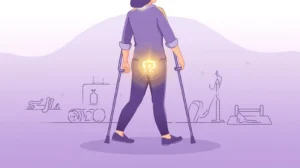
Today, hip and pelvic pain have become increasingly more common in our lifestyles. A lot of people spend hours sitting at desks, driving in cars or using digital devices with little regard for posture. Over time, these habits can lead to imbalance and stress in the hips and pelvis, resulting in pain, tightness and reduced range of motion.
The hip and pelvis area is the linchpin of the body, a hub from which you move. It links the upper body to the lower and supports fundamental actions like walking, bending, lifting and sitting. If this area isn’t supported or stable, other areas of your body (especially the low back and knees) typically compensate.
Research has shown that weak or unstable hip and pelvic muscles are associated with lower back pain and reduced mobility, indicating the importance of proper support and strengthening to maintain musculoskeletal health .[1]
Most people ignore early signs, like tightness in the hip or mild pain in the pelvic area or stiffness in the lower back. But these symptoms are usually the result of muscle discrepancies or bad positioning that will only get worse if not dealt with.
Fortunately, proper posture and ergonomics can improve hip and pelvis support or targeted drills to reduce pain and restore natural movement patterns.
In this complete guide, we’re going to cover:
- Hip and pelvis problems common causes
- The right support and alignment can make a world of difference
- Exercises for hip stability and mobility
- Lifestyle tweaks that prevent pain from coming back
By the end of this article, you will gain practical strategies to support your hips and pelvis as well as maintain a healthier, pain-free posture.
What Are Some Causes of Hip and Pelvis Problems?
There are a number of possible reasons for this hip and pelvic pain. Recognizing these causes can help with avoidance of longer-term issues.
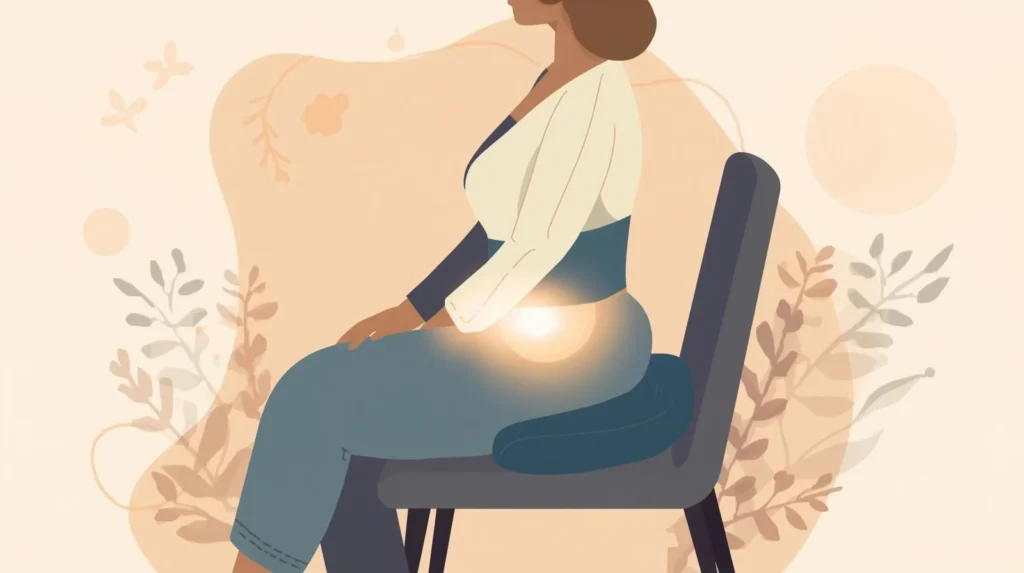
Muscle Weakness and Imbalance
The hip and pelvis have many muscle groups responsible for stability glutes, hip flexors and even core muscles. muscle imbalances when certain muscles are weak while others are tight, which impacts posture and movement.
Weak glute muscles, say, can cause other muscles to compensate for the ramp-up effort, putting strain on the lower back and pelvis.
Muscle imbalance in the hip area can have a significant impact on pelvic positioning, potentially leading to increased tension and subsequently chronic pain , resulting in musculoskeletal health issues.[2]
Prolonged Sitting and Poor Posture
Many people are working in modern workspaces # which require them to sit for a long period of time. Prolonged sitting tightens hip flexor muscle and weakens the glutes.
This imbalance can lead to an anterior pelvic tilt, where the pelvis tilts forward and increases strain on the lower back.
Reduced mobility in the hips and risk of holotropic discomfort is associated with the aforementioned prolonged sitting. [3]
Lack of Flexibility and Mobility
Hip flexibility should be taken into account, as if the hips are stiff they will restrict motion and create stiffness in nearby joints.
For instance, tight hip flexors and hamstrings can change pelvic positioning and lead to discomfort while walking, standing or working out.
Simple stretching and mobility exercises can help restore this balance and improve range of motion.
Why you should Choose Hip and Pelvis Support
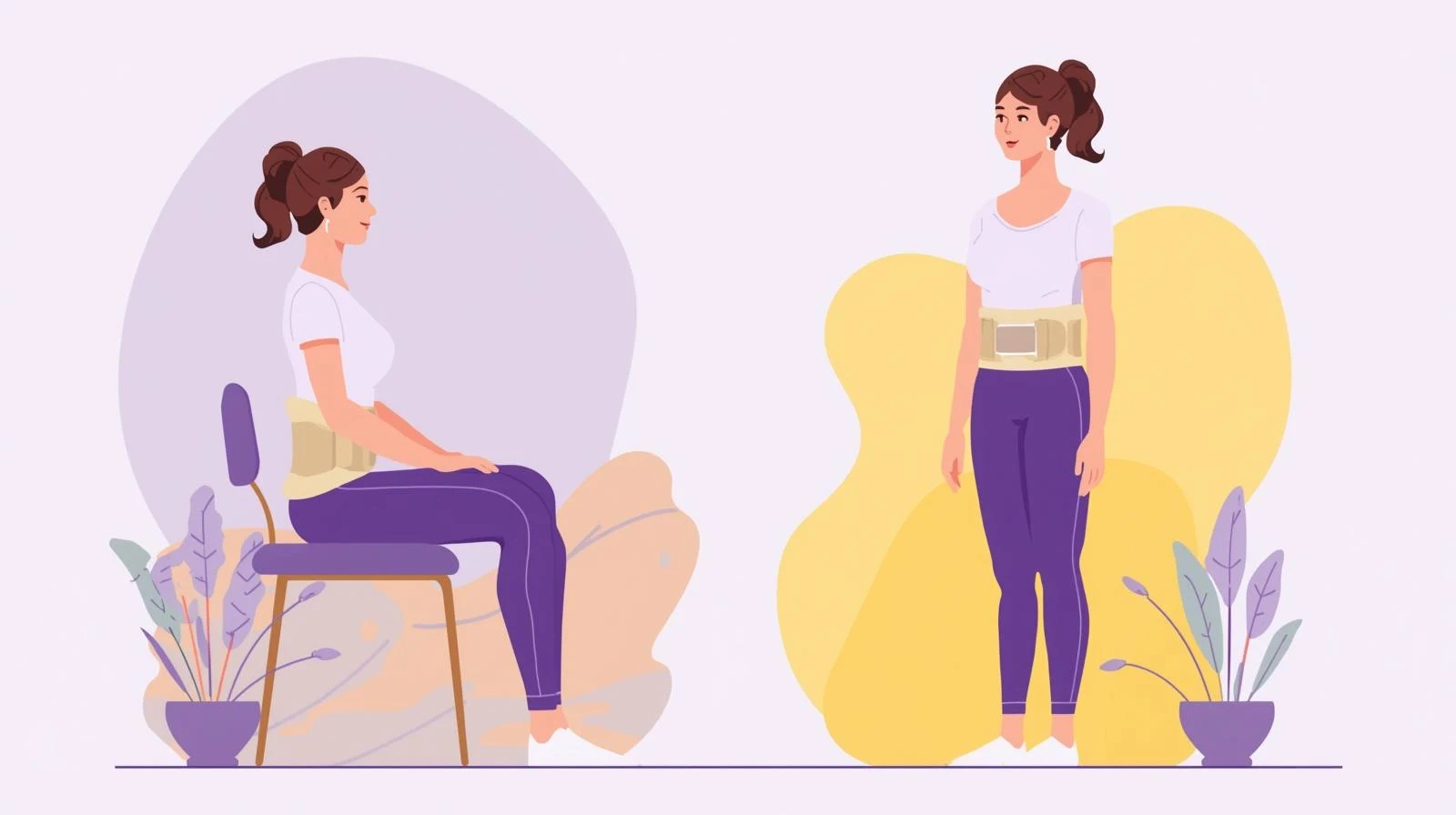
By properly supporting the hips and pelvis, you can reap multiple benefits for mobility as well as overall body health.
Improved Posture and Spinal Alignment
The pelvis is the base of our spine. With the pelvis tucked under (when you lean forward) the spine can bend in its natural curves.
Correct hip and pelvic support also combats slouching and relieves spinal disc pressure.
You can connect here to the Betterhood blog on posture correction or ergonomic sitting habits.
Less Lower Back Pain and Hip Pain
Weak or misaligned hips are the roots of many cases of lower back pain.
Fortifying the muscles around the hip and pelvis will stabilize the spine, distributing body weight more evenly.
Research has demonstrated that developing hip strength can greatly lessen chronic lower back pain. [4]
Improved Stability and Balance
The muscles of the hips and pelvis provide stability to the body as it moves, enabling balance.
This stability is especially important for the following activities:
- Walking
- Climbing stairs
- Running
- Lifting objects
The enhanced stability lowers the chances of falls and injuries.
Prevention of Recurring Pain
When hip and pelvic muscles are strong and flexible, the body finds it easier to hold proper alignment.
This prevents chronic pain from bad posture or repetitive strain.
Best Exercises to Support Your Hips and Pelvis
Regular exercise is one of the best ways to build strength in the hips and pelvis.
Here are some exercises physiotherapists recommend.
Hip Flexor Stretch
The hip flexors are a group of muscles in the front of the hip. They can be chronically tight from sitting for long periods of time.
Flexing these muscles restores mobility and decreases pelvic tilt.
How to perform:
Tuck one knee under you and the opposite foot forward.
Maintain a straight back, and slightly push your hips forward.[5]
Hold for 20 to 30 seconds.
Benefits include:
- Improved hip flexibility
- Reduced lower back tension
- Better posture
Glute Bridge
The glute bridge is one of the best exercises to strengthen the glutes and to stabilize the pelvis.
Steps:
- Lie on your back with knees bent.
- Feet flat on the floor.
- Raise your hips toward the roof, squeezing your glutes.
- Hold briefly and lower slowly.
This movement develops the posterior chain and increases pelvic stability.
Clamshell Exercise
Clamshell exercises activate hip stabiliser muscles, most notably the gluteus medius.
Steps:
- Start with a side lying position and bent knees.
- Keep your feet together.
- With your hips stable, raise the top knee.
- Lower slowly.
Benefits:
- Improved hip stability
- Reduced knee strain
- Better pelvic alignment
Pelvic Tilt Exercise
Pelvic tilts engage the lower abdominals and build control over the pelvis.
Steps:
- To do it, lie on your back with knees bent.
- Tighten your abdominal muscles.
- Press your lower back to the ground.
- Hold briefly and relax.
This exercise is common for people who experience lower back pain.[6]
Workouts for Hip Pain from Sitting Too Long
Gentle mobility exercises can alleviate stiffness or achiness for those who spend hours at a desk.
Standing Hip Flexor Stretch
This stretch releases tension in the front of the hips.
Seated Pelvic Tilt
Pelvic tilts in sitting position build pelvic mobility and posture awareness
Short Walking Breaks
Even walking for a few minutes every hour increases circulation and prevents muscles from stiffening up.[7]
Research indicates that Movement breaks during Prolonged sitting reduce musculoskeletal discomfort.
Exercises to Strengthen the Hips for Long Term Health
Strengthening exercises ensure hip stability and minimize injuries.
Bodyweight Squats
Squats strengthen several muscle groups including hips, glutes and thighs.
Benefits:
- Increased lower body strength
- Improved hip mobility
- Better functional movement
Side Leg Raises
Side leg raises build the hip abductors, which stabilize the pelvis.
Steps:
- Lie on your side.
- Lift your top leg slowly.
- Lower with control.
Lunges
Lunges help with strength, balance, and flexibility.
They engage the glutes and hip stabilizers, so they are great for pelvic support.[8]
When to Avoid Certain Exercises
While exercise is good for you, there are conditions that need to be approached with caution.
Severe Hip Injury
Refrain from high impact exercises until the injury is fully healed.
Persistent Nerve Pain
Professional guidance may be required for conditions like sciatica.
Swelling or Inflammation
If the hip joint is swollen or inflamed, resting and seeking medical advice is advisable.[9]
How to Prevent Pain in the Hip and Pelvis
Avoiding a problem is usually easier than fixing it.
Maintain Proper Sitting Posture
Sit in a chair with your back supported, feet flat on the floor.
Stretch Daily
A simple daily stretching routine helps maintain flexibility and prevents stiffness.
Strengthen Core Muscles
Robust core muscles support the pelvis and minimize tension on the spine.
Warm Up Before Physical Activity
Warming up readies muscles for movement and lowers injury risk.
Avoid Sitting for Long Periods
Get up, stretch and walk around periodically to encourage circulation and movement.
FAQs
Most exercises you can do 3 to 5 days a week, adjusted for intensity and fitness level.
Yes. For tight hip muscles, stretching can help improve pelvic alignment and facilitate proper posture.
Glute bridges and clamshells are among the most effective pelvic stability workouts.
Seek a medical professional if you experience severe pain, persistent pain or swelling and numbness.
Conclusion
It supports the hip and pelvis, which are vital for posture, mobility and musculoskeletal health. Weakness or tightness of the muscles in this area can result in pain in the hips, lower back and other joints surrounding them.
You can drastically lower your risk of pain and improve the way your body moves via regular stretching, strength work, and no-slouching habits.
We help you maintain strong and flexible hips that support the spine, improve balance and body alignment, bolster activities of daily living like walking, standing and exercising.
By sustaining your hips and pelvis well if you’re in regular care with the right routine, this all serves as a role player for better posture, movement capacity and long-term physical health.
References
- Healthline. Hip Pain Causes and Treatment.
https://www.healthline.com/health/hip-pain - NCBI Bookshelf. Pelvic Anatomy and Function.
https://www.ncbi.nlm.nih.gov/books/NBK557624/ - Harvard Health. What Causes Hip Pain.
https://www.health.harvard.edu/pain/what-causes-hip-pain - NCBI. Hip Strength and Lower Back Pain Study.
https://www.ncbi.nlm.nih.gov/pmc/articles/PMC4592763/ - Verywell Fit. Hip Flexor Stretch Guide.
https://www.verywellfit.com/hip-flexor-stretch-2696369 - Spine Health. Lower Back Strengthening Exercises.
https://www.spine-health.com/wellness/exercise/strengthening-exercises-lower-back-pain-relief - NCBI. Effects of Prolonged Sitting on Musculoskeletal Health.
https://www.ncbi.nlm.nih.gov/pmc/articles/PMC7700832/ - ACE Fitness. Exercise Library.
https://www.acefitness.org/resources/everyone/exercise-library/ - Mayo Clinic. Hip Pain Causes.
https://www.mayoclinic.org/diseases-conditions/hip-pain/symptoms-causes/syc-20350824.