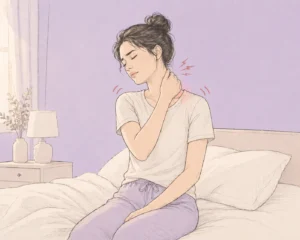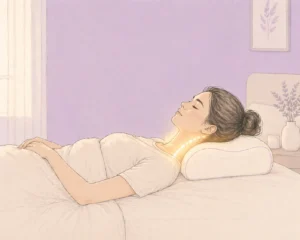






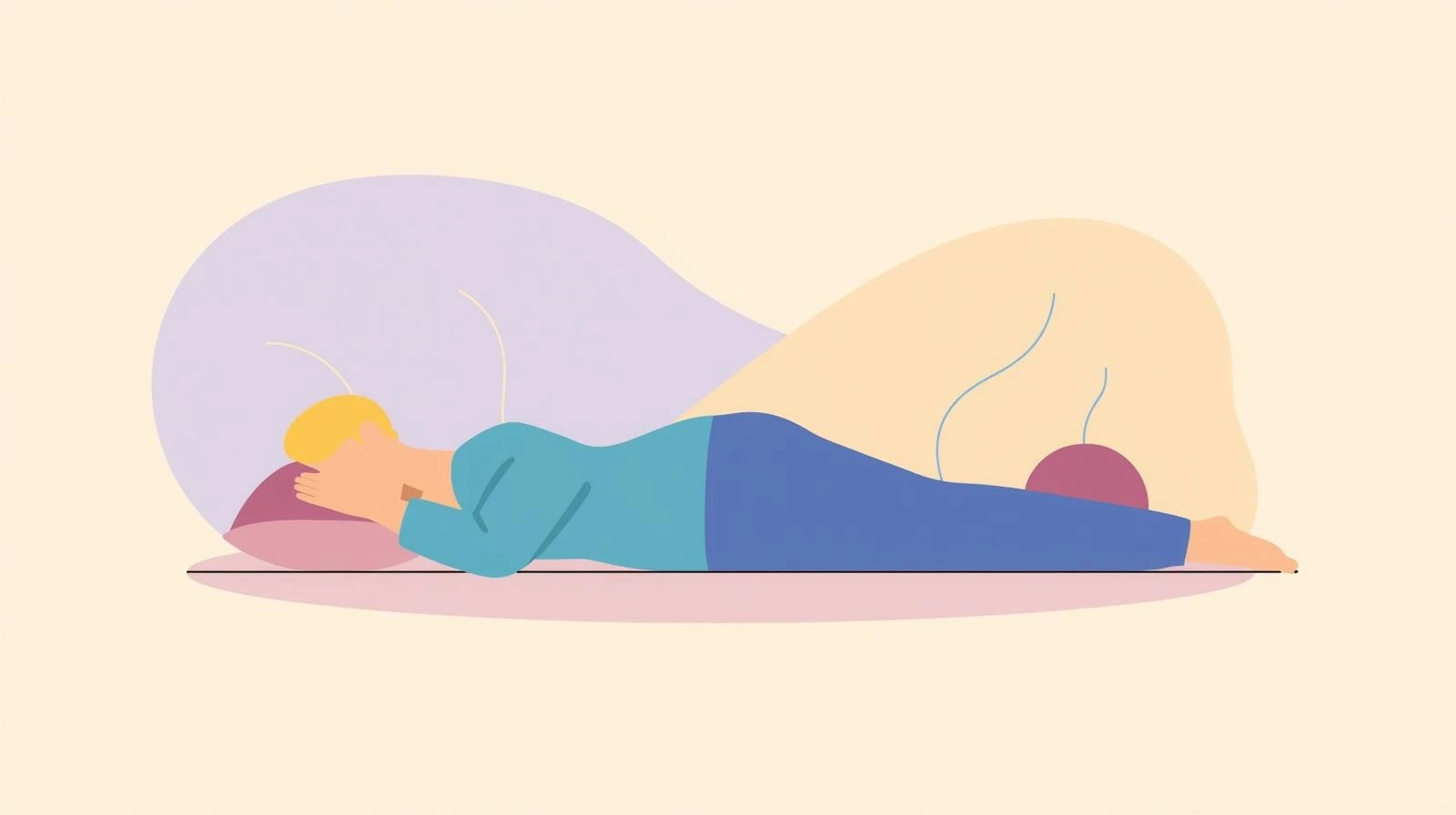
Sleep is not only about the length of your sleep it’s also about its quality. Although plenty of folks are mindful of how long they sleep, not nearly as many people think about where they sleep. Your spinal alignment, respiration, digestion and overall comfort are all altered by your sleeping position. In the long term, sleeping which is not comfortable can lead to chronic pain, fatigue and even health reasons.
In fact, side sleeping is one of the most strongly endorsed positions by healthcare experts. It may be regarded as the healthiest position to sleep since it encourages proper body alignment and minimizes stress on critical organs. But just sleeping on your side is not enough. How you align your head, shoulders, hips and legs is critical to whether side sleeping helps or harms your body.
Studies indicate that sleep posture is relevant to spinal alignment and musculoskeletal health . Furthermore, problems due to sleep posture have been associated with chronic neck and back pain . Which means even subtle shifts in your sleep can make a tremendous difference in the state of your health. [1] [5]
This ultimate guide covers all you should know about side sleeping positions, their benefits and variations, common mistakes when it comes to sleeping on your side and expert tips for improving your overall sleep quality as a side sleeper.
Understanding Side Sleeping
Side sleeping is when you sleep on your left or right side with your body horizontally positioned. In this pose, one side of your body, usually your shoulder and hip, supports most of your weight.
This is one of the most natural and frequently adopted sleep positions. For this reason, scientific studies show more than 60% of adults choose to sleep on their side .[6]
Basic Characteristics of Side Sleeping:
- The body rests on one side
- The spine is a straight line in the normal position
- Straight or slightly bent legs
- The arms are placed in front or beside the body
Though this position seems straightforward, its effectiveness relies heavily on proper body alignment.
Why Side Sleeping Is So Popular
Most of the population, a large portion of it prefers side sleeping for various reasons.
Natural Comfort
Side sleeping is often more comfortable than lying flat on the back or stomach for many people. This alleviates stress on the spine and allows the body to sink into a natural state of relaxation .[7]
Stability
This position is more secure and stable, which can help people drift off faster.
Adaptability
But side sleeping has some variations, which makes it easier to find a comfortable position.
Health Benefits of Side Sleeping
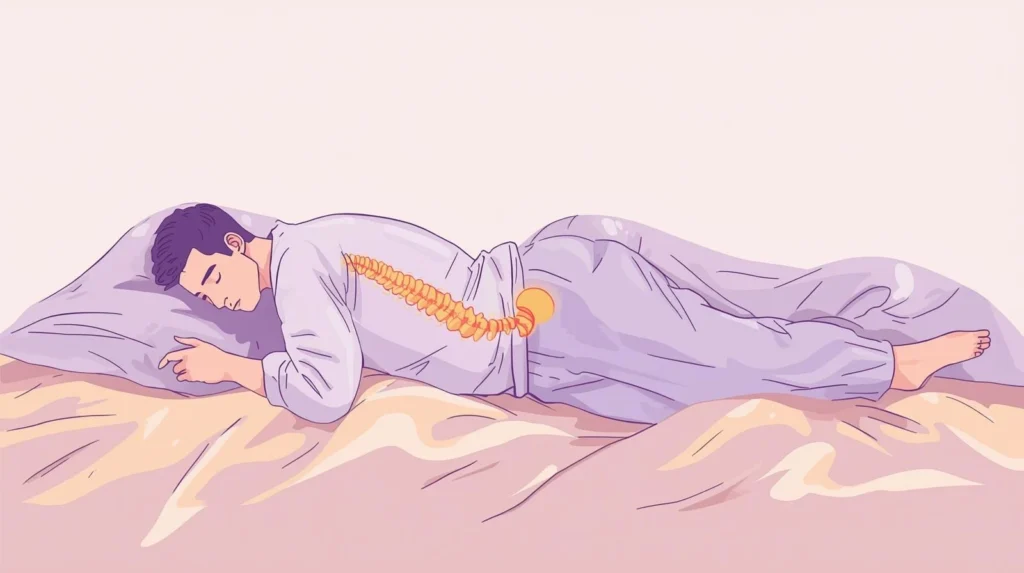
Promotes Proper Spinal Alignment
Perhaps the greatest advantage of sleeping on our side is that this position provides great support for the natural curvature of your spine.
When done correctly:
- The head/neck/spine are still aligned
- Muscles are not overstretched
- Pressure is evenly distributed
Good alignment will lessen back and neck problems .[1] [5]
Reduces Snoring and Improves Breathing
Snoring is commonly a sign that the airway is partially obstructed during sleep. When you lie on your back, the tongue can fall back and block your airway.
Side sleeping helps:
- Keep airways open
- Reduce airway collapse
- Improve oxygen flow
Side sleeping has been found by medical research to be effective in reducing snoring and mild sleep apnea symptoms. [2][8]
Helps Manage Acid Reflux
Stomach acid flows backward into the foodpipe in a condition known as acid reflux.
And sleeping on your side the left side in particular helps:
- The stomach is under the esophagus
- Utilize the force of gravity to stop acid flow
Research has shown that lying on the left side leads to a marked reduction in GERD signs and symptoms . [3] [9]
Supports Better Digestion
Your body posture changes how food moves through your digestive tract.
Left-side sleeping:
- Encourages smoother digestion
- Assists waste in passing through the intestines quickly
This is also why many times it is recommended for digestive problems .[3]
Improves Circulation
Side sleeping encourages increased blood flow to the body.
This is especially important for:
- Pregnant individuals
- People with circulation issues
Pregnant women are often encouraged by doctors to sleep on their sides for improved blood flow to the fetus . [4] [9]
Reduces Back Pain
When properly supported, sleeping on your side relieves pressure on the lower back.
It helps:
- Distribute body weight evenly
- Relieve stress on spinal discs
Studies suggest that sleeping in the correct position contributes significantly to chronic lower back pain control.[9]
Different Side Sleeping Positions
Not all side-sleeping positions are created equal, however. The most common variations are:
The Fetal Position
This is the most common side sleeping position.
Description:
- Body curled inward
- Knees drawn toward the chest
Benefits:
- Reduces snoring
- Comfortable and relaxing
- Ideal during pregnancy
Drawbacks:
- Overly curling [1]
The Log Position
Description:
- Body kept straight
- Arms placed alongside the body
Benefits:
- Excellent spinal alignment
- Reduces neck and back pain
Drawbacks:
- Might feel a little robotic for some
The Yearner Position
Description:
- Arms stretched forward
- Legs slightly bent
Benefits:
- Promotes open breathing
- Comfortable for many sleepers
Supported Side Sleeping Position
Description:
- Pillow under the head
- Pillow between the knees
Benefits:
- Best for spinal alignment
- Decreases hip and lower back pressure
Experts agree that this is the preferred posture . [1] [5]
Sleeping on the Left vs Right Side
Left Side Sleeping
Advantages:
- Reduces acid reflux
- Improves digestion
- Supports heart function
Right Side Sleeping
Advantages:
- Can lessen stress on the heart
- Comfortable for certain individuals
Which Side Is Better?
For the vast majority, sleeping on your left side is thought to have greater advantages especially with regards to digestion and reflux . [3] [9]
How to Sleep on Your Side Properly
- Keep Your Spine Neutral: Your head, neck and spine should each be in a straight line.
- Use the Right Pillow:Your pillow should fill the gap between your head and mattress.Ergonomic memory foam is often recommended for this.
- Put a Pillow Between Your Knees:This straightens your hips and also minimises strain . [9]
- Avoid Over-Curling:Keep your body in a natural curvature.
- Keep Your Hips Aligned:Avoid twisting your spine.
Common Mistakes to Avoid
- Sleeping on a pillow that is too flat
- Curling into a tight ball
- Not supporting the knees
- Twisting the spine
These errors can cause discomfort and chronic issues . [5]
Who Should Sleep on Their Side?
Side sleeping is ideal for:
- Snorers
- People with acid reflux
- Pregnant individuals
- People with back pain
Who Should Be Careful?
Some individuals may require additional support:
- Those with shoulder injuries
- People with joint pain
Tips to Improve Side Sleeping
- Use ergonomic pillows
- Choose a supportive mattress
- Maintain consistent posture
- Replace old pillows regularly
Potential Drawbacks of Side Sleeping
- Although helpful, side sleeping has drawbacks:
- Pressure on shoulders
- Arm numbness
- Facial wrinkles
This can be alleviated with adequate support.
Conclusion
If done correctly, side sleeping is one of the healthiest sleep positions. It has many benefits, like better breathing, improved digestion and lowered pain levels.
But good posture and support are key. Knowing the common variations of side sleeping and finding ways to safely enhance this sleeping posture will help you gain greater benefit from quality sleep.
FAQs
Yes it is widely recommended .
Generally better on the left side .
Yes, it does keep airways open .
Yes, it improves alignment .
Yes, just do not over-curl .
Yes, if done incorrectly .
References
- Gordon, S. J. et al. (2019). Sleep posture and spinal alignment. Journal of Pain Research.
Used to explain the relationship between sleep posture and spinal alignment. - Cleveland Clinic. (2023). Sleeping Positions and Snoring.
Used in the snoring and breathing comfort section.
https://health.clevelandclinic.org - Healthline. (2023). Best Sleeping Positions for Acid Reflux.
Used in the acid reflux sleep position discussion.
https://www.healthline.com - Medical News Today. (2024). Sleeping Positions During Pregnancy.
Used in pregnancy sleeping posture section.
https://www.medicalnewstoday.com - Harvard Health Publishing. (2022). Sleep Positions and Back Pain.
Used in back pain and spinal support section.
https://www.health.harvard.edu - Sleep Foundation. (2023). Common Sleep Positions and Statistics.
Used for sleep position data and general sleep habits.
https://www.sleepfoundation.org - Mayo Clinic. (2023). Tips for Better Sleep Posture.
Used in sleep posture improvement section.
https://www.mayoclinic.org - American Academy of Sleep Medicine. (2023). Sleep Apnea and Sleep Position.
Used in breathing and sleep apnea section.
https://aasm.org - Johns Hopkins Medicine. (2023). GERD and Sleep Position.
Used in acid reflux and sleep position discussion.
https://www.hopkinsmedicine.org