




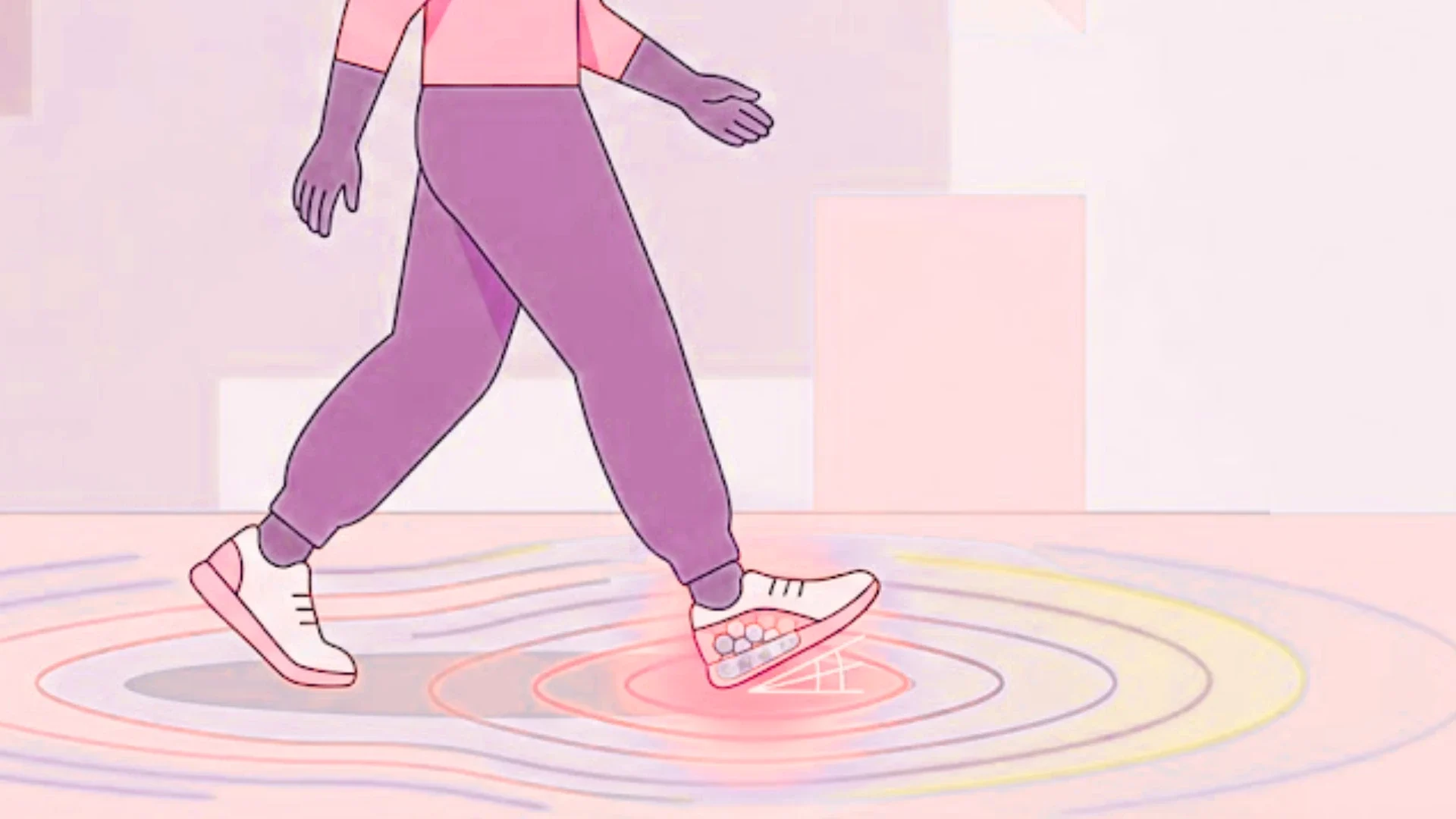
Has it ever happened to you that after walking a few feet, you suddenly feel the characteristic pain again on the back/heels of your foot- and the next thing happening is slow down, shuffle in steps or want to sit just for 1 minute? Other times it can take all day to manifest or within minutes of getting up. So you shift your weight or change shoes or do your damned utmost to ignore it and pray that it will pass. But what if you could sidestep that discomfort? What if heel pads would help, feel supporting every step out there as immediate as that?
They are all small signs that can come and go, hence the reason they often get overlooked! But mild as it may be, discomfort is just your body letting you know that something is not working to its fullest potential. That occasional annoyance can become chronic, which aggravates your gait changes, how many hours you spend on your feet and the way your body feels at the end of the day.
Your heels do a lot MORE than you realize. Every time the foot lands, your heel is taking all that impact. It was the first touch point that had the greatest impact, walking on it, standing still or charging forward. It does this by serving the dual purpose of absorbing shock and acting as a stabilizer, allowing your body to continue forward into the next step.
Why Are Heel Pads Important?
Heel pads: These are orthotics that fit into your shoes providing extra cushioning and/or support for the heel area of the foot. But, as opposed to full length insoles, they address the exact point where impact is greatest & therefore really helps provide relief at the source.
Not only do they give you softer shoes but that is just the icing on the cake, their bottom line is to try and reduce the pressure being put on your heel every time that foot hits the ground. That will be even more so if you spend long hours on your feet during the day, do a lot of walking or stay active on hard surfaces where impact is greater.
The Role of the Heel in Movement
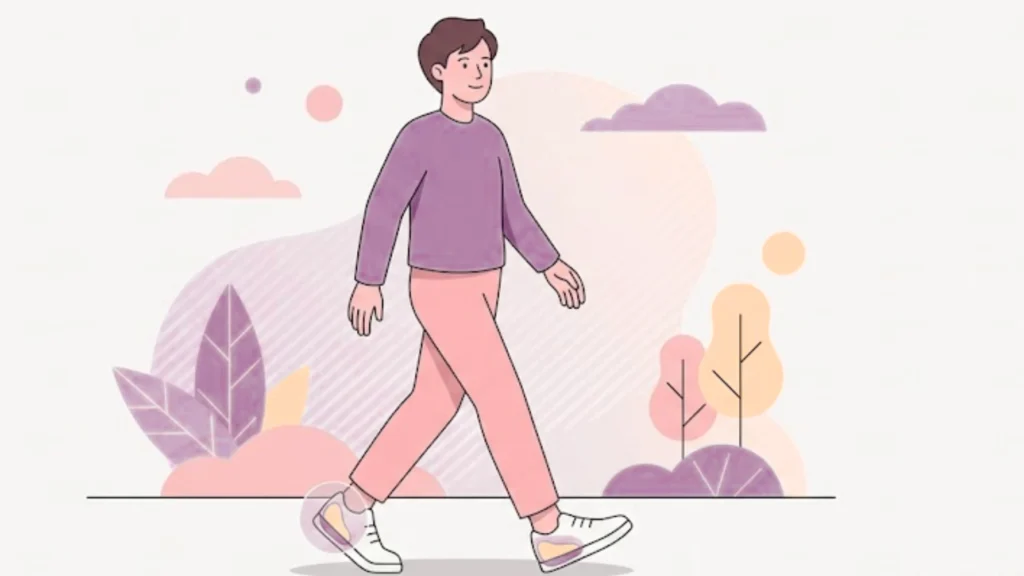
It all starts from the heel. It touches down and it cushions the blow and it also stabilizes your body so that the rest of your foot knows what its next toe-crunching step will be. A consistent rearfoot strike will help you maintain that smoother shoe-to-shoe transition, gain an equal balance of weight distribution and allow your foot to find its best position while in forward motion.
When you don’t support this process adequately, the force does not merely evaporate – it travels further up your body and out of your brain. This can cause stress to your ankles, knees, hips and even low back over time resulting in pain or poor posture.
Exercises that intervene in this impact by absorbing the footprint itself and controlling heel displacement into a more stable position are considered to be heel pads. This makes it feel more natural for your body to move better, much easier and routine.
Signs You Might Need Heel Pads
Heel pain is gradual, it can be very easy to ignore at the start. But there are signs that your heels need more support.
Common Indicators
- Soreness / hurt of the heel when standing up or going for a walk
- The end of day tired tootsies
- Discomfort on hard surfaces
- Sensitivity in the heel area
- The feeling of gravity keeping your steps from bouncing too far
And those signs are a sign of how much extra stress your heels are taking.
Why Heel Pads Are Nice for Comfort in Motion
Heel pads are not just soft, they fundamentally change how your foot interacts with the ground. Instead of taking the full force of every single footfall, they spread impact out and make your run feel less like a demolition derby over time.
Shock Absorption
They cushion the impact your heel absorbs with every step, helping make walking seem more natural. This is especially noticeable on hard surfaces where repeated impact would otherwise lead to fast fatigue.
Pressure Distribution
Heel pads distribute pressure more evenly; heel cups protect specific areas from too much stress. They aid in removing localized pressure on the heel, reducing soreness and discomfort during repetitive activity.
Enhanced Stability
It supports the heel which enables them to walk in a more balanced manner. Also having a bit more stability will assist you both in your overall step control and less need to adjust either body position or movement at moments when it is unnecessary.
Heel Pads vs Insoles: The Difference
Heel pads and insoles are both comfortable, but they were designed to do different things. It all depends on where you get discomfort & how much support your foot needs, as well as what type of shoe is the best fit for you.
Heel Pads
The heel section is supported and targeted. Essential to provide targeted relief and for shock absorption. Almost every heel is thrown down precisely where it feels the most pain or fatigue.
Insoles
Provide complete support to the foot support in arch alignment. Pain that is related to foot areas or whole body posture fits better on them too.
Phase-appropriate exercise: So this depends on whether the pain is generalized or limited to only a few areas and both can be helpful
Who Will Benefit Most From Using Heel Pads
People who wear heel pads tend to be people that need extra shock absorbing quality and you will find these used by a lot of sports people or those working out regularly who are subjecting their feet to high levels of stress.
People Who Are Standing On Job 8 To 10 Hours
This constantly applies pressure on the heel thus tires it out. The heel pads alleviate this consistent face point pressure so you can be more comfortable throughout your day.
Active Individuals
Just walking, running or training over and over again provides cumulative thrust & impact on the steps you take. Heel Pads These help to absorb, reducing impact force and assisting with stability.
Individuals with Heel Pain
Decreased stress on the heel can be helpful for things like plantar fasciitis. These heel pads make sure to lessen the pressure applied on sensitive areas, therefore providing a better impact absorption system where it is needed.
Professionals on Hard Surfaces
If the floors you work on are concrete or tiled then it can add to how hard the heel gets impacted. Heel pads are the layer of cushioning that helps every footfall feel a little less harmful and more enjoyable overall.
Choosing the Right Heel Pads
However, not all heel pads are the same when it comes to comfort and support.
Key Factors to Consider
- Foam (or silicone if greater/finer cushioning is desired), gel
- Fit: Tight in your shoe
- Thickness: Offers supportive cushioning that does not change the fit of the shoe.
- Durability : Everyday use, quality created to last
Common Mistakes to Avoid
- Choosing weak pads that do not help
- Ignoring proper fit
- Allotting extra time for over used pads
betterhood Heel Pad Solutions
betterhood is working on heel pads that claim to offer the balance of comfort and functional support. They are designed to provide cushioning and will train your foot to tend to absorb impact better.
The betterhood heel pads are designed with a more sophisticated type of material, one which conforms to pressure but otherwise retains its shape. This means it delivers perfect support right when you need it and even over long term use.
What Makes betterhood Different
The shoe is engineered to actually deliver stability and cushioning. betterhood heel pads do more than just add soft cushioning underneath your foot, they assist in aligning your heel into a better position, so you can move effectively.
Designed for Everyday Use
Whether you are at home or work and even if from standing hours on your feet; betterhood heel pads can be an indispensable part of your daily life. Utility is lightweight and functional, built for everyday comfort.
Simple Habits to Enhance Heel Comfort
Heel pads work best with supportive habits.
Wear Supportive Shoes
It comes with heel pads that work in conjunction with your shoes for shock absorption. Heel pads are well and good in the right shoe but only there; they have to have that stable base to do their job, without structure or too different a foot type your heel pad support will be effective.
Take Breaks
Regular strain is a challenge we give our feet too much. Throughout the day, even a little time spent off your feet from breaking heel pressure can save you undue wear-and-tear on / strain on the heels over years.
Stretch Regularly
Decreasing the tension on the heel as well by stretching out calves and feet. This prevents you from being too rigid while allowing your foot to acclimate well to the cushioning and support you’ve added in.
Maintain Good Posture
If your feet are aligned correctly, they can do their job with less strain. While walking and standing with a tip top right position gravity moves down in an equal strength to give off that ensures heel pads will work their finest aide.
When Heel Pads Are Not Enough
Heel pads and other non surgical means will help but are certainly not a cure all. In other cases additional support or medical attention may be needed.
Persistent Pain
Constant pain may be a sign of something more serious. Ongoing pain despite heel pads requires investigation.
Severe Heel Pain
But when the heel pain has such torturing or unbearable effects, you may require a physician. This may represent trouble that requires proper analysis and also therapy.
Limited Improvement
Otherwise, you will require more help or assessment. That could be anything from a different type of support to a more global approach that looks into your foot health.
When to See a Doctor
Knowing when to ask for outside assistance is critical. Early assistance means that mild discomfort never fully becomes embedded.
Warning Signs
- Unremitting pain
- Swelling or inflammation
- Difficulty walking
- Pain even at rest
- No improvement with heel pads
A healthcare provider will check for underlying conditions and recommend treatment based on your symptoms.
What Are The Long-Term Grunts Of Heel Pads
But wearing them regularly can improve far more than just short-term comfort. Combine this together over time and it equates to better mobility, more freedom of movement and less stress.
Reduced Fatigue
Less pains and aches allow you to be much more vivacious, you can move around without any troubles, with more strength at your disposal, no sore-ness by the end of the day and 0 problems.
Better Movement
It is ideal because it provides good shock absorption, which allows walking to be generally a lot more even. Your stride is smoother, kinder on the body.
Injury Prevention
Reduced stress means lower probabilities of injury from overuse. Cushioning your heel is not just good for your feet; it’s also better for your joints.
Increased Comfort
Normal tasks are pretty simple and less taxing. Even day to day activities such as standing/walking become easier.
Building a More Comfortable Walking Experience
You walk every single day which you probably give almost no thought to. But how your feet interact with the ground, impacts how the rest of your body feels. Eventually, with small updates to your support you find yourself so much more supple and almost free.
Heel pads are not for luxury theyAre to bring support directly where you need it. They give you impact distribution with your heels and in turn allow you to step naturally which means that you use very little energy on every move.
Conclusion
Heel pain and heel discomfort can be removed from your everyday life. More often than not, that means your feet need more support and not rest.
They sense the impact of a huge quantity and provide plenty of ease and comfort, some guide to your movement, even as being an exceedingly easy maintenance device. Working in the background, shadowing our every step to make it feel so much less daunting.
Because the moment you see how much better walking works for a calf; then you immediately feel the difference.
FAQs
Heel pads are used to provide targeted cushioning under the heel, helping reduce impact, relieve pressure, and improve overall walking comfort.
People who experience heel pain, stand for long hours, walk on hard surfaces, or feel foot fatigue can benefit from using heel pads.
Yes, heel pads can reduce stress on the heel and plantar fascia, providing relief from discomfort associated with the condition.
Heel pads are ideal for targeted heel relief, while insoles support the entire foot; the better option depends on your specific needs.
Yes, heel pads are designed for daily use and can be worn during regular activities like walking, working, or standing.
Their lifespan depends on material and usage, but most heel pads last a few months before needing replacement.
You should replace them when they lose cushioning, flatten out, or no longer provide the same level of comfort and support.
References
[1] Plantar Fasciitis and Heel Pain American Academy of Orthopaedic Surgeons (AAOS), 2022 This resource explains the causes of heel pain and highlights how cushioning and support, such as heel pads, can help reduce stress on the heel and improve comfort during daily activities. Link: https://orthoinfo.aaos.org/en/diseases–conditions/plantar-fasciitis-and-bone-spurs
[2] Heel Pain: Causes and Treatment Mayo Clinic Staff, 2023 Provides an overview of common causes of heel pain and discusses treatment options, including the use of supportive inserts to relieve pressure and improve mobility. Link: https://www.mayoclinic.org/symptoms/heel-pain
[3] Effectiveness of Heel Cups and Insoles in Reducing Plantar Pressure Landorf KB et al., 2020 A clinical study examining how heel pads and similar devices help redistribute pressure and reduce pain in individuals with foot conditions. Link: https://pubmed.ncbi.nlm.nih.gov
[4] Biomechanics of Footwear and Shock Absorption Benno M. Nigg, 2019 Explores how different types of cushioning materials, including heel pads, influence shock absorption and overall foot mechanics during movement. Link: https://www.sciencedirect.com
[5] Foot Orthoses and Their Role in Pain Reduction Rome K et al., 2018 Discusses how various orthotic devices, including heel pads, contribute to reducing foot pain and improving functional movement. Link: https://www.researchgate.net
[6] Plantar Pressure Distribution and Insole Design Redfern MS, 2018 Focuses on how inserts like heel pads alter pressure distribution across the foot, helping reduce localized stress on the heel. Link: https://www.ncbi.nlm.nih.gov
[7] Clinical Effectiveness of Foot Support Devices Hawke F et al., 2016 A review of clinical evidence supporting the use of foot support devices for pain relief and improved mobility in various foot conditions. Link: https://bjsm.bmj.com


