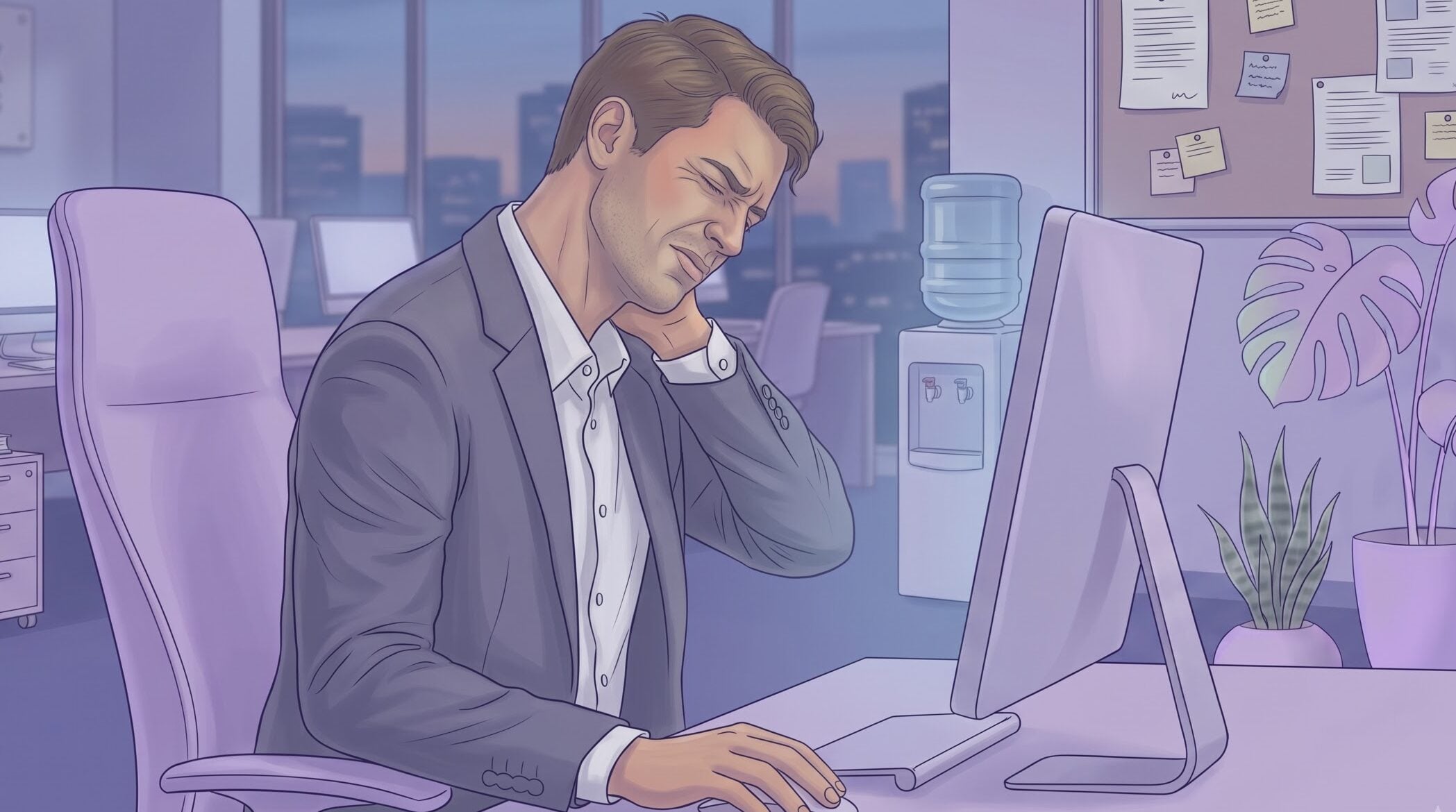




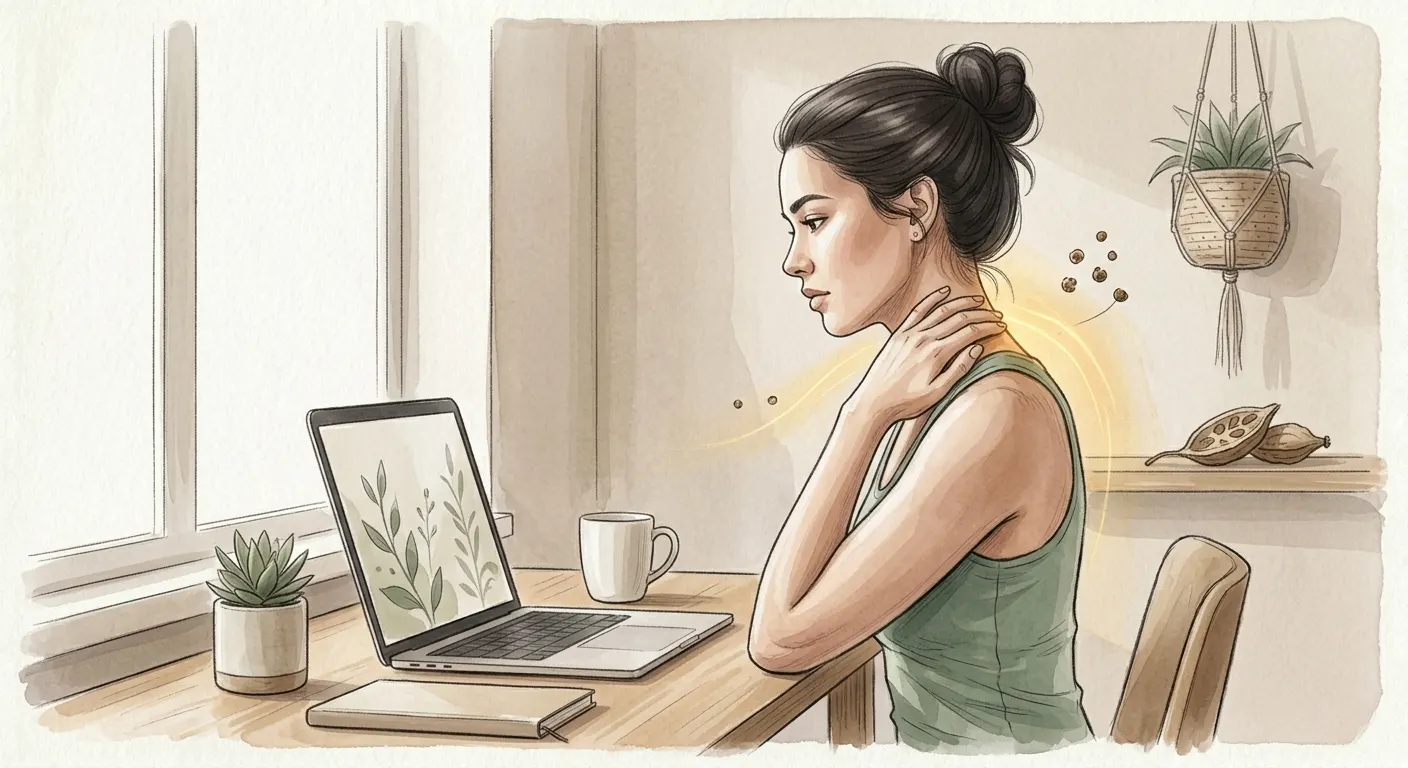
One of the most common physical complaints in today’s life is back and shoulder pain. Muscle tightness and stiffness are caused by a sedentary lifestyle, long office hours, poor posture during sitting/standing/movement, travel fatigue, heavy workouts/stress/tension/lack of movement. For most, it begins with a niggling shoulder after working on the laptop, or stiffness in the upper back after a long drive, perhaps muscle soreness from working out if we exercise. These little aches end up affecting comfort, movement, sleep and productivity over time. [1]
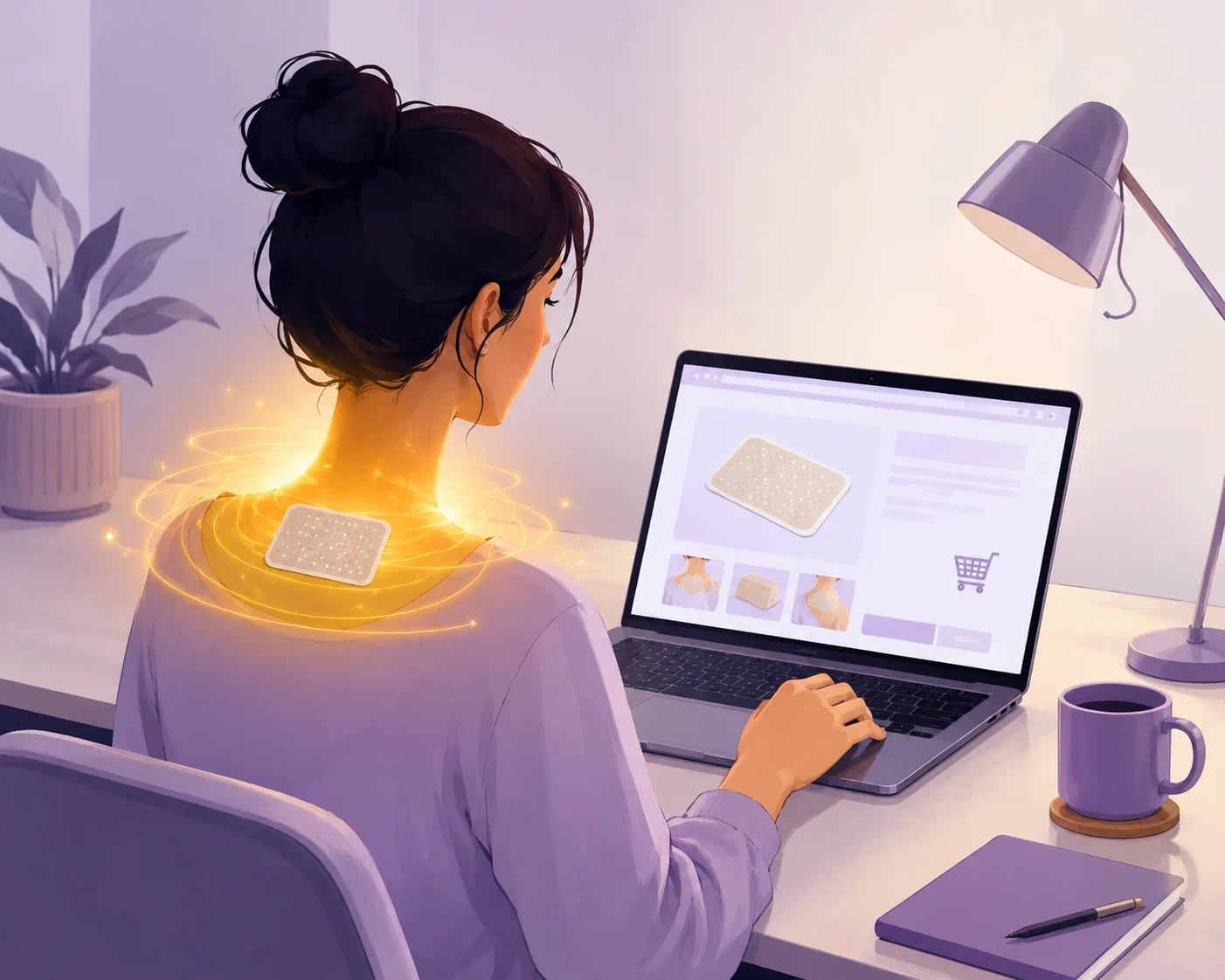
Hot dry pain relief patch for back and shoulder support strategically delivers heating directly in the area of tension or soreness. Heat therapy is commonly used in home care for muscle soreness, as heat may relax tight muscles and temporarily decrease stiffness. As per Mayo Clinic, heat is able to relax tight muscles and relieve pain in the neck or back. [2]
Heat patches are also wearable and hands-free as opposed to larger heating pads or hot water bottles. They are very comfortable, as they allow a person to continue with daily activities, while the affected area is heated continuously. The ease of use is assumed due to the fact patch-style heat support can be worn, and more generalized heat-therapy suggestions. [3]
How come back and shoulder pain happen so frequently
Back shoulder muscles always work during the day. Things like sitting at a desk, carrying bags, sleeping in funny positions, gym training or standing for long periods can all repeatedly strain these muscle groups. Mayo Clinic lists the major causes of back pain as muscle strain, poor posture, lack of exercise, improper lifting, and muscle tension due to stress. [4]
Muscle soreness refers to the feeling of muscle tightness or soreness. As MedlinePlus explains, muscle pain is usually the result of tension, overuse or minor injury from physical activity or repetitive work. [5]
Common triggers include:
- Spending long hours at a computer
- Slouching when working or studying
- Sports training and gym soreness
- Carrying heavy bags or equipment
- Stress-related muscle tightness
- Lack of stretching and movement
- Poor head or back support when sleeping [6]
These problems form the fabric of everyday life, and so many people are seeking practical, easy-to-use comfort solutions to absorb in their daily routines.
The Science Behind How Heat Therapy Helps Muscle Relaxation
Heat therapy has been a staple of home care for sore and stiff muscles for decades. Cold therapy is much different from Heat, however. Ice is used mainly compared to heat, for instance within the hours just after a recent injury to prevent swelling, whereas warmth becomes more appropriate when investigating tightness of muscles. [7]
Heat relaxes and loosens tissues, which may help relieve discomforts while improving flexibility, Mayo Clinic Press states. [8]
This is the reason many people are using for heat support:
- Tight shoulders after work
- Lower-back stiffness
- Mild post-workout soreness
- Muscle tightness from travel
- Neck and upper-back tension
Common systemic discomfort associated with overuse [9]
Heat is best for muscle tightness and stiffness, not the new injury with swelling or inflammation. MedlinePlus recommends ice in 48 to 72 hours after a strain heat later when swelling gets better instead.
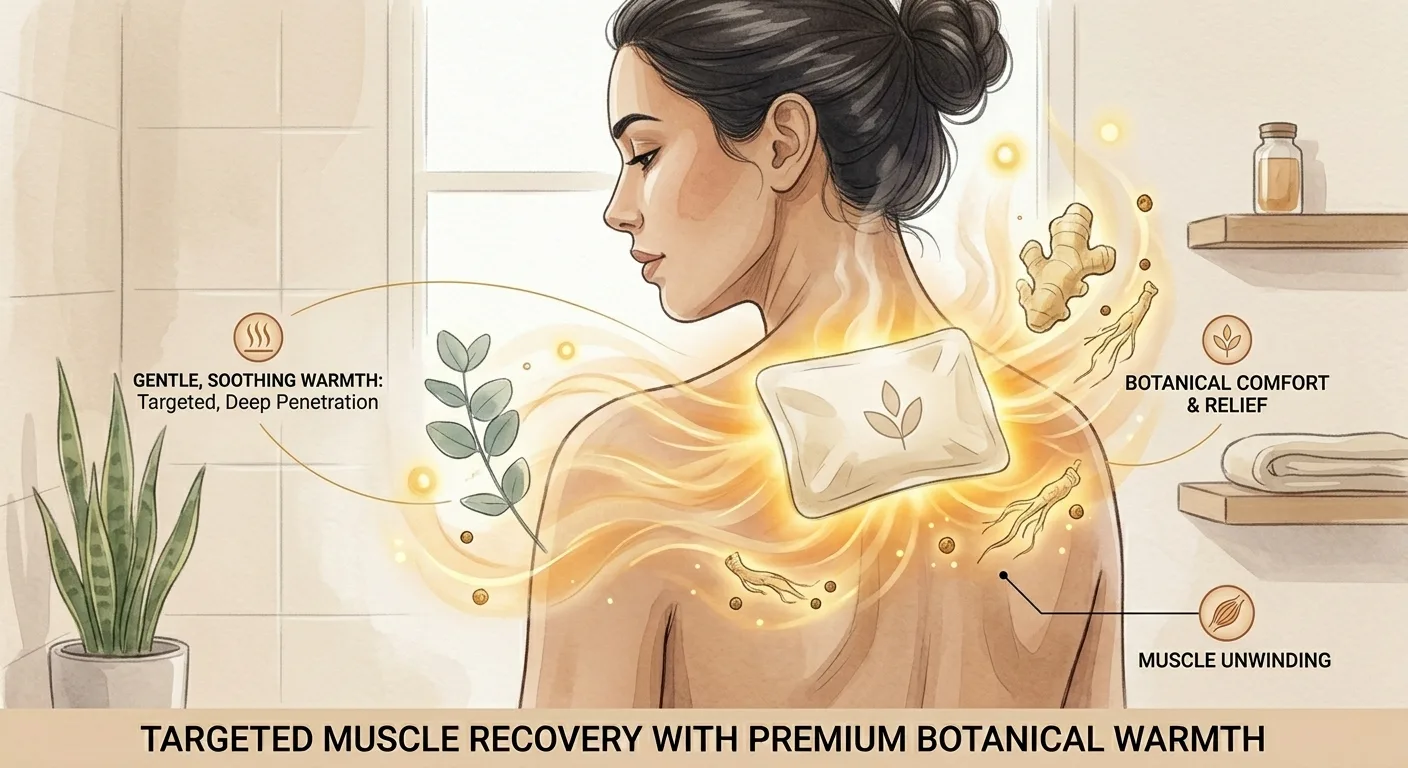
What is the Difference Between a Heat Pain Relief Patch with Respect to
Traditional heat therapy can be inconvenient at times. Heating pads need electricity. Hot water bags get cold quickly. Creams and gels can be greasy and come off on clothes. Since they stay stuck to the body and provide localized heat with no need for a constant adjustment, heat pain relief patches are in a more practical format. This convenience can be inferred from its wearable design of heat patches.
Well because it is simple and not very cumbersome people prefer heat patches over other pain relief remedies.
Hands-Free Comfort
The patch stays in place even when you are working, traveling, resting or moving around. You should not be constantly holding a heating device on the body.
Portable and Easy to Carry
Heat patches are lightweight and easy to throw in a bag, gym kit, office drawer or travel pouch. Portability, in this case, can be implied from wearable categories of products in the form factor of patches.
Easier to Apply Than Creams or Sprays
In its inception, topical products may feel tacky or rub off one’s clothes after. This patch format ensures warmth wherever needed without need for multiple applications, making it mess-free and convenient. This is an inference from the different physical characteristics between patches versus topical products (both expose or deliver pharmaceuticals transdermally).
Targeted Support
Heat patches are used or placed directly on the aching or tight spot, which provides localized heat right where it is needed.
Sports Recovery Heat Pain Relief Patch
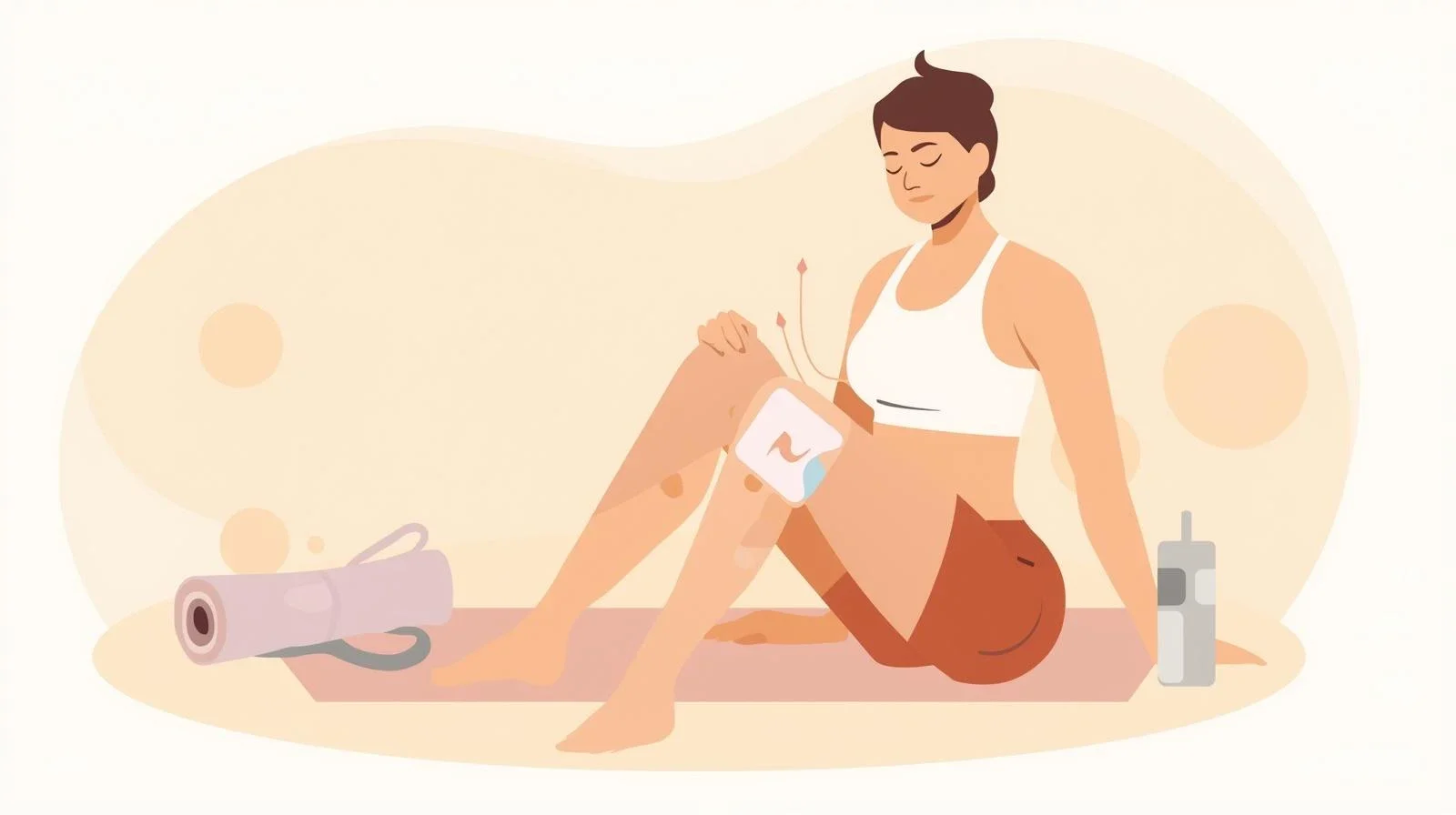
Very frequent muscle soreness after exercise. If it is gym equipment, running, cycling, sports assembled or simply anything active at the muscles feel tight and worn out following acute modulation. According to MedlinePlus, exercise and overuse are the most common causes of muscle aches.
Heat support is often used by active people as part of recovery protocols due to the potential for heat with activity to relax muscles.
Heat patches are best for:
- Tight shoulders after upper-body workouts
- Lower-back fatigue after lifting
- Tight muscles after running/cycle
- General sports recovery support
- Everyday soreness after physical activity
But in the case of fresh injuries with swelling, ice is usually the first treatment.
The Betterhood Heat Pain Relief patches you will find in our products can make them a better option.
Numerous heating-support merchandise on the market can offer you a little short-term warmth, but users in recent times often crave practicality, wearability and hassle-free integration into contemporary routines. The Betterhood heat pain relief patches are designed for everyday comfort and convenience.
Instead of creams, sprays or gels that might smear or rub off on clothes, Betterhood offers a cleaner and more wearable patch. This makes them more suitable for office chores, traveling, learning sessions or everyday movement.
Another advantage is portability. Forget about cumbersome heating pads or constantly reheating hot water, a Betterhood patch can fit in your bag and be located at real peace of mind whenever muscle stiffness appears.
Betterhood patches are also targeted patches. Instead of spreading product over a large area, the patch goes after warmth directly where you need it most — whether that happens to be your shoulder, upper back, or low-back.
Around busy schedules, it’s this kind of accessible, adaptable comfort that may prove more practical than established heat-support options, which often involve electricity or need to be reapplied while you’re trying to sit still.
Safe Application of Heat Patches
Although widely used, heat therapy is usually intended for relief from muscle stiffness; thus, safe and careful use of the method is a must. MedlinePlus says to refrain from applying heat following a new injury and cautions against prolonged exposure that may irritate or burn the skin.
Safety tips include:
- Avoid Applying Heat to Swelled Injuries
- Follow product instructions carefully
- Do not sleep with heated products still on
- Discontinue use if skin irritation occurs
- Do not apply heat directly to broken or delicate skin
Any serious pain where it becomes intense, extends into the arms or legs, creates numbness, or might last a long period of time means you ought to find medical assistance from a professional. Mayo Clinic says that pain that does not go away or gets worse should be seen by a doctor.
Tips To Maintain Back and Shoulder Health
Heat patches provide the most benefit when used in conjunction with other components of your self-care routine. Though these habits are small, they can do wonders for relieving muscle tightness and supporting recovery.
Helpful habits include:
- Taking breaks to move around during a long sitting session
- Stretching regularly
- Maintaining better posture
- Staying physically active
- Warming up before exercise
- Using supportive pillows and seating
- Avoiding heavy strain without preparation
mild back pain usually requires you to stay active because bed rest for long periods can make stiffness worse.
Conclusion
Will you really use a heat pain relief patch for back and shoulder support? It is practical for people with every circle of relatives in dozens of mountain climbing, sports activities ache infra-red remedies for muscle stiffness maximum improved knee soreness. Since it can provide localized heat in a wearable form, it should help relax and soothe muscles all day long.
Patch-style support is more convenient, portable and direct comfort than bulky heating devices or messy topical products. This can become a part of simple yet effective self-care, when combined with healthy movement habits, stretching and good recovery.
FAQs
Heat is one approach frequently used to help loosen tight muscles and ease stiffness, especially in the shoulder and upper-back regions.
For fresh injuries and swelling, ice is often advised, while heat might be more commonly used later on for stiffness or muscle tightness.
Heat patches are preferable to most as they can be worn hands free and offer on-the-go practicality during work, travel or just day-to-day life. It is implied by the format of a wearable patch.
Depending on the type of user, patches may seem more convenient as they are generally non-bulky and avoid the messiness involved with creams or sprays. The programmatically based inference of product formats.
Medical advice is urgent if pain is brisk, unremitting, progressive or involves numbness, weakness, fever or radiation.
References
- Mayo Clinic. (n.d.). Back pain: Diagnosis and treatment. https://www.mayoclinic.org/diseases-conditions/back-pain/diagnosis-treatment/drc-20369911
- Gloucestershire Hospitals NHS Foundation Trust. (n.d.). Lower Back Pain. https://www.gloshospitals.nhs.uk/documents/23738/Lower_Back_Pain_GHPI0051_11_24.pdf
- MedlinePlus. (n.d.). Muscle aches. https://medlineplus.gov/ency/article/003178.htm
- MedlinePlus. (n.d.). Taking care of your back at home. https://medlineplus.gov/ency/article/002119.htm
- NHS. (n.d.). Back pain. https://www.nhs.uk/conditions/back-pain/
- MedlinePlus. (n.d.). Muscle strain treatment. https://medlineplus.gov/ency/article/002116.htm
- MedlinePlus. (n.d.). Strains. https://medlineplus.gov/ency/article/000042.htm
- Mayo Clinic Connect. (n.d.). Basic steps for back pain are best. https://connect.mayoclinic.org/blog/take-charge-healthy-aging/newsfeed-post/basic-steps-for-back-pain-are-best/
- University Hospitals Coventry and Warwickshire NHS Trust. (n.d.). Back pain self-care. https://www.uhcw.nhs.uk/self-care/back/
- MedlinePlus. (n.d.). Neck pain or spasms – self care. https://medlineplus.gov/ency/patientinstructions/000802.htm