




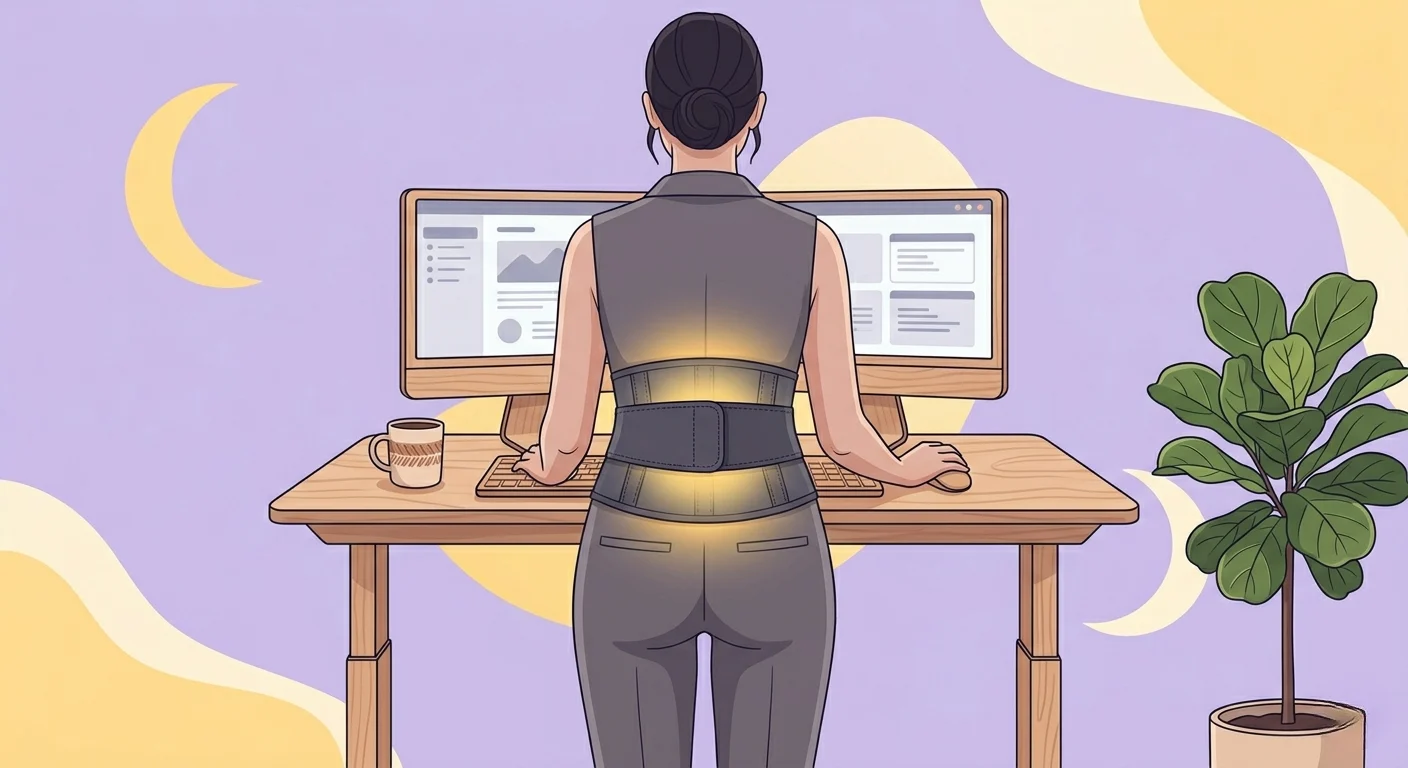
One of the most common problems that individuals face in their daily activities is lower back pain. Most people sit at desks for long hours, drive to or from work, stand during their shifts or repeat home chores. These common day-to-day activities can gradually put stress on the lower spine, particularly when posture is not practised correctly. This strain can cause stiffness, fatigue and pain over time in the lumbar area. A lower support belt for posture provides soft support to the lower back and encourages greater awareness of your posture during everyday motions.
Advice about back care often emphasizes keeping good posture, being active when you can and using supportive seating when necessary. These should minimize undue stress on the spine and promote comfort during the day. These habits can be augmented with the use of a lower support belt for posture to help hold alignment and minimize fatigue during prolonged activity. [1]
Back support belts are often associated with heavy lifting or injury recovery, and most people believe that they are necessary only in such circumstances. But lower-back strain can occur slowly due to everyday activities like sitting or bending, standing, or even driving. Poor posture, repetitive movements and holding one position for extended periods are also often attached to lower-back discomfort. [1]
What is a lower support belt for posture?
A lower back posture support belt is a flexible support worn around the waist and lower back. It usually offers light compression on the lower back and can help posture while navigating through routines. If you find yourself needing a lumbar support belt for back pain relief, look for something that’s lightweight, adjustable and meant for insinuating comfort as opposed to rigidity.
Sometimes, support devices like spinal corsets and abdominal supports are used for haptic feedback. They give the slightest stabilization yet allow you to move naturally. These more rigid braces are very commonly used for medical conditions and aim to prevent movement much more than the earlier-mentioned types. [2]
They are generally used during posture support events such as:
- Office work
- Sitting long hours
- Standing work
- Driving
- Household chores
- Light lifting
- Travel
- Desk work
- Study sessions
- Daily activities
Comfortably snug, these belts are not designed to feel tight and should allow for some movement while offering support. [2]
Why Your Posture Matters for Comfort in the Lower Back
If the body is misaligned, posture will also be affected. Poor posture can flatten or exaggerate the normal curve of the lower spine when sitting and standing. That can put more pressure on the muscles, ligaments and joints surrounding the lower back.
Ergonomic seating guidance recommends:
- Maintaining upright posture
- Supporting the lower back
- Feet flat on the floor
- Avoiding prolonged sitting
- Taking movement breaks
Preserving the spine’s natural curve can help relieve strain and increase comfort in everyday activities. [3]
Lumbar, low or lower support belts for posture are often used to help provide gentle lumbar support while also giving the user a reminder to sit/stand up straight.
Supports Your Pain: A Myth About a Lower Support Belt for Posture
Gentle Lumbar Support
The lower back support belt offers mild compression to the lower back. The compression can also make the muscles feel supported when moving. Such garments are sometimes used to stabilize during activity and decrease strain. [2]
Encourages Better Posture Awareness
Many of us lean forward or slump when we’re sitting for long periods. An alternate low support belt can help keep users in an upright position. Its basic ergonomic instruction emphasizes spinal alignment when seated and standing. [3]
Helps During Daily Movement
Common activities like bending, reaching, lifting, and twisting stress the lower back. Guidance on back care indicates that these activities can only be of help if we are mindful of our posture while doing so. Slight movement may be supported with a posture belt. [1]
Supports Standing Work
Standing up for prolonged times might tire the muscles of the lower back. A support belt may provide lumbar support for prolonged standing, which can help with comfort. [1]
Useful During Driving
Driving keeps the body at one position for prolonged periods. This usually means sitting up straight with lower back support, which helps allow for some discomfort when driving. A posture belt can give some additional support while traveling. [4]
Support Under Lower Back For Sat Long Hours
We live sedentary lifestyles with a lot of office workers, students or remote workers sitting for long hours. Sitting poorly can put pressure on the lower spine. For instance, slouching forward or sitting without lumbar support can flatten the natural curve of the lower back.
Good sitting posture includes:
- Sitting upright
- Supporting the lower back
- Keeping shoulders relaxed
- Feet flat on the floor
- Avoiding slouching
These ergonomic practices help keep the spine aligned, reducing strain. [3]
If you are more prone to little scarecrows, a lower support belt for posture may offer some gentle lumbar support in this frontward hunching position and help reinforce the habit.
Support Range Base for Standing Work
Jobs that involve standing a lot such as those in retail, teaching, cooking and factories can be taxing on the lower back. Holding the body in a position for extended periods can lead to fatigue. Advice on back care is to change posture regularly and take movement breaks. [1]
A lower support belt might help your back feel more supported during long standing shifts.
Lower Support Belt for Driving
Long drives can lead to stiffness in the lower back. Staying in one position for longer periods could lead to discomfort. Guidance on good driving posture is to sit up stretch with lower back support. [4]
If you’re driving for long periods of time, a lower support belt will only ensure that you have some comfort.
Issue a Lower Support Belt for Lifting
Not lifting it could lead to stress in the lower back. Proper lifting technique includes:
- Bending knees
- Keeping load close
- Avoiding twisting
- Using leg muscles
These methods may ease pressure on the lower spine. [5]
No fitness belt offers an amount of support, but a lower one may help during lighter lifting movements.
Lower support belt for posture: Who may use it?
Here is some helpful usefulness of a lower SUPPORT BELT:
- Office workers
- Drivers
- Students
- Homemakers
- Retail staff
- Delivery workers
- Travelers
- Remote workers
- Standing jobs
- Sitting jobs
These populations frequently suffer low-back fatigue from day-to-day activities. [1]
Lower Support Belt Benefits for Posture
- Supports lower back
- Encourages upright posture
- Comfortable for daily use
- Lightweight design
- Flexible support
- Helps during sitting
- Helps during standing
- Helps during driving
- Adjustable fit
- Easy to wear
When to Wear a Low Back Support Belt
A posture belt can be used for the following:
- Office work
- Driving
- Household chores
- Standing work
- Light lifting
- Travel
- Desk work
- Study sessions
- Computer work
To relieve back pain, you’re usually advised to stay active and pay attention to your posture during the day. [1]
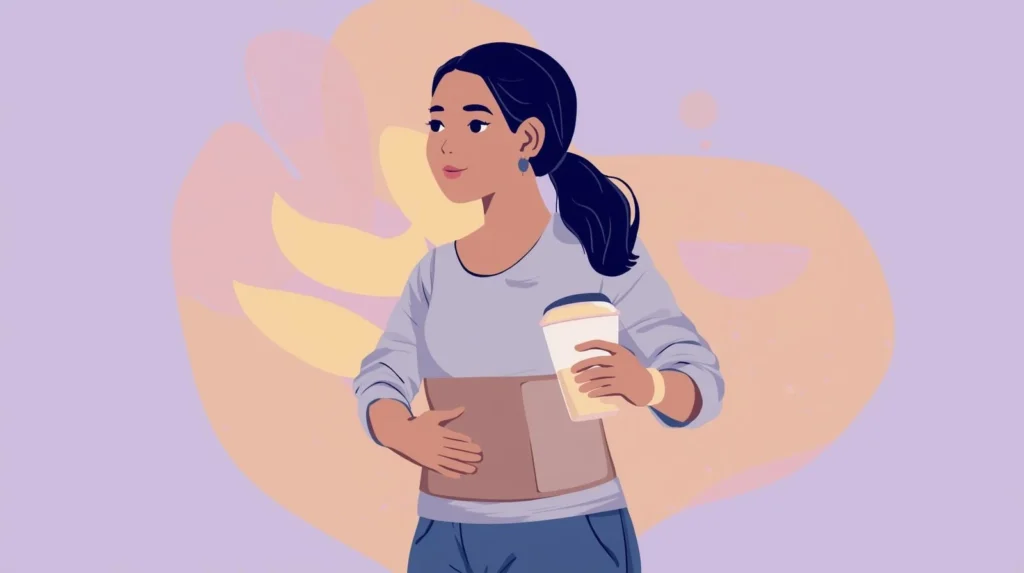
REDUCE BACK PAIN: How to Select the Appropriate Lower Support Belt
Look for:
- Breathable fabric
- Adjustable straps
- Comfortable fit
- Lightweight design
- Flexible support
- Proper size
These supportive devices should fit comfortably, but not tightly. [2]
How to Wear a Lower Back Support Belt for Posture
- Wrap around lower back
- Position over lumbar area
- Fasten securely
- Adjust comfortably
- Avoid over tightening
Guidance on Spinal/braces: Fit and comfort [6]
How Long Should You Wear It?
Lower Support Belt: A lower support belt is typically worn during a time of activity (e.g. work, driving) or standing. Guidance on back pain is to keep moving and avoid extended down time. [1]
Lower Support Belt vs Back support brace
Lower Support Belt:
- Flexible
- Lightweight
- Daily use
- Mild support
Back Brace:
- Rigid
- Restricts movement
- Medical use
- Strong support
How To Keep Posture & Appropriate Support Belt
- Sit upright
- Take regular breaks
- Stretch during work
- Avoid slouching
- Use ergonomic seating
- Keep screen at eye level
- Move frequently
These habits support spinal alignment.
Conclusion
Lower Support Belt for posture A lower support belt is a simple tool designed to be worn daily with the purpose of providing gentle lumbar support, to encourage good posture. It may be beneficial when sitting, standing, driving, lifting and doing daily activities. The use of a posture support belt coupled with good posture habits and regular movement may greatly reduce discomfort, lethargy or fatigue in daily activities. [1]
FAQs
A support belt lower on the torso may help support the lumbar cavity, along with promoting a more supported upright sitting or standing position. It can also enhance posture awareness in daily to-do activities such as working, driving or doing the house stress.
In general, you wear a belt like this during physical activity; for example, sitting at work for long hours, standing work or driving. No, it is advised to take breaks and keep moving in between the time.
Indeed, sitting for extended periods can add to lower back strain. A lower support belt may also give a gentle lumbar attachment and aid a better sitting position.
Yup, long hours of driving can cause tension in the lower back. The lower support belt offers comfort but the back support is best.
It can be beneficial for others who stand or sit in assemblages for an extended time, such as office workers, drivers and students to use a lower support belt. It is intended for daily use throughout everyday life.
Fatigue in the lower back can develop from standing for long periods of time. That’s where a lower support system may provide soft support and ease discomfort for people working on extended standing tasks.
References
1. NHS. Back pain. https://www.nhs.uk/conditions/back-pain/
2. Bedfordshire Hospitals NHS Trust. Spinal corsets and abdominal supports. https://www.bedfordshirehospitals.nhs.uk/patient-information-leaflets/spinal-corsets-and-abdominal-supports/
3. Cambridge University Hospitals NHS Foundation Trust. Seating and ergonomics. https://www.cuh.nhs.uk/patient-information/seating-and-ergonomics/
4. Wirral Community Health and Care NHS Foundation Trust. Lower back pain. https://www.wchc.nhs.uk/wp-content/uploads/2020/03/LowerBackPain_V2.pdf
5. Queen Victoria Hospital NHS Foundation Trust. Chronic low back pain. https://www.qvh.nhs.uk/wp-content/uploads/2015/09/Chronic-Low-Back-Pain-Rvw-Sept-18.pdf
6. Mersey Care NHS Foundation Trust. Spinal brace. https://www.merseycare.nhs.uk/spinal-brace


