




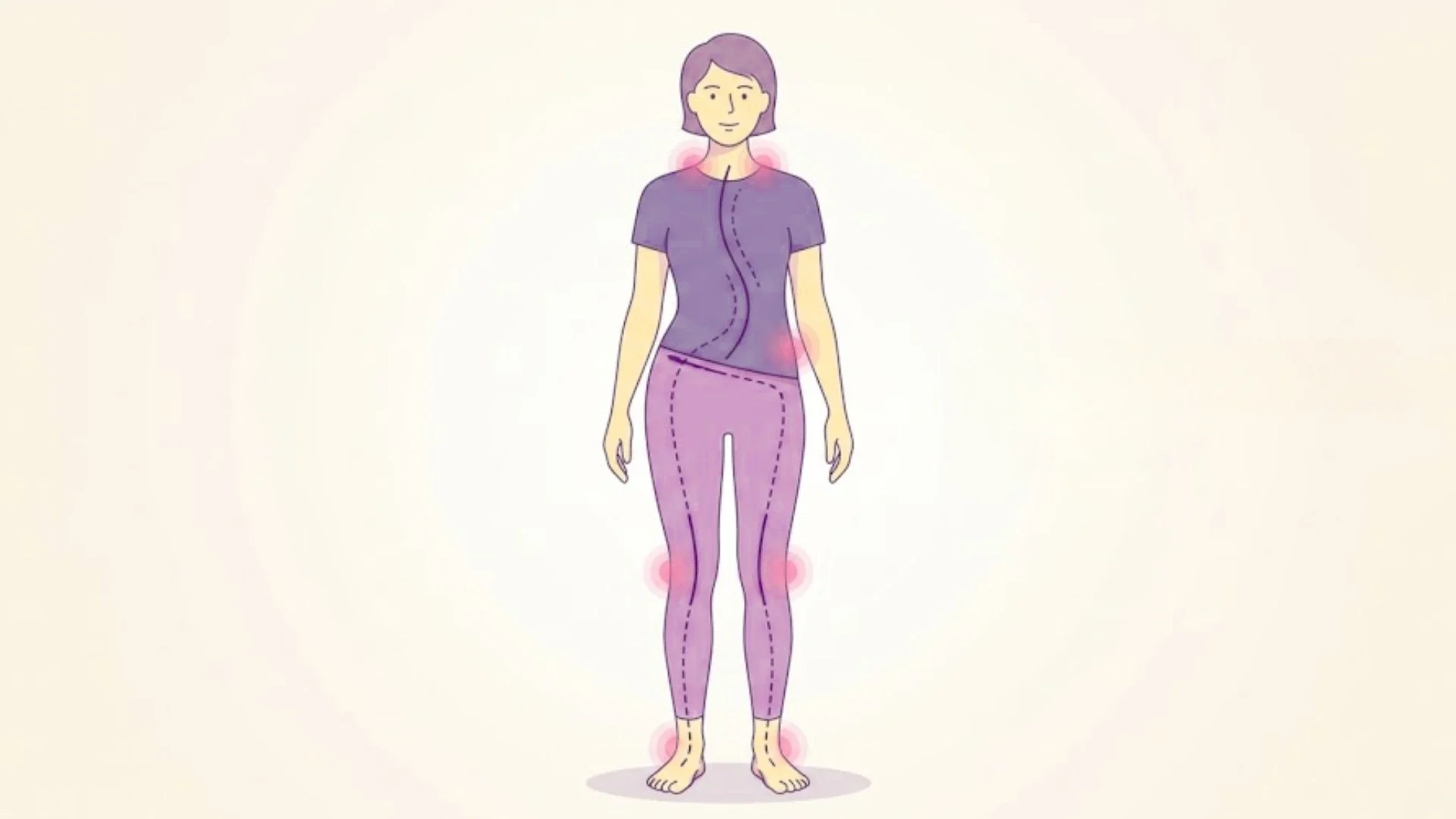
Flat feet or fallen arches appear and sound like a minor structural inconvenience in the foot. More than just feet are behind the attitude. And because your feet are the foundation of your body, any dysfunction in this part of you will impact how you stand, move and walk. Over time, this will result in imbalance, difficulty in the ease and efficiency of movement and excessive stress on various body areas. Not only this, but even slight changes in position can alter the weight distribution leading to certain joints and muscles being subjected to more strain than others.
Knowing Flatfoot problems is needed since flat feet influence the total health broadly. The fatigue of your feet, who does not feel mild tiredness and fatigue after a ruthless day, may soon reach the roots to capture ankle, knee, hip and sometimes even lower back-related troubles. Such transformations are generally slow, and therefore often do not come before the pains become more obvious.
Realising these impacts will help you understand the importance of appropriate support, mobility and long-term management in addition to that early focus on the right areas can avoid much larger issues well down the line.
Understanding Flat Feet
Flat foot, are simply the arches of the foot collapse or do not develop properly. This means that the entire sole of the foot makes contact with the floor. It might feel fine, but takes away what happens to the ground with each step moving forward. The contact also affects the way your body absorbs the impact, and alters how the pressure is applied over time.
Why the Arch Matters
The arch is called an arch because it is part of a very special system that supports the weight from above and acts as one of the body’s major shock absorbing processes. Like a natural spring it allows your body to adapt on different terrains and move in all directions. It enables stability and movement in the foot without overloading any part.
When the arch collapses or lessens:
- Shock absorption is reduced
- Pressure is unevenly distributed
- Stability during movement is affected
These adjustments may seem small when considered one-by-one, but taken together they slowly start to roster a multitude of physical woes, especially when stacked on top of tasks which we already push our bodies through regularly (e.g. standing or walking for hours).
How Flat Feet Affect Movement
Having flat feet changes the way your body moves and while some of these alterations can be more visible than others, they are still subtle. This can take place gradually as your body begins to change the biomechanics naturally using its own processes with no structure for this support of the arch.
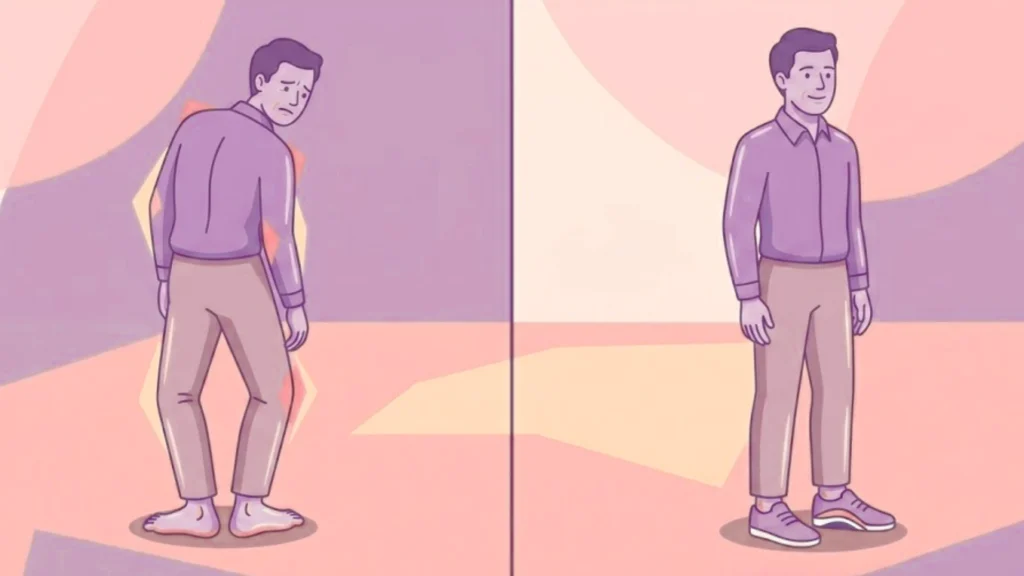
Altered Walking Patterns
Inadequate arch support for extreme motility of hindfoot or motility foot IBM. This can make walking inefficient as the foot is unable to transition properly through each step. This can create more stress in the joints over time and make you feel greasier when exercising.
Reduced Stability
A properly built arch builds a strong base. Without this support, it can throw you off balance in high impact activities or uneven surfaces. This can make things feel unsettled or aimless.
Increased Effort
Should the body come to a point where it can no longer depend on this natural support, other supportive muscles develop and get engaged to help provide balance and movement. This process requires more energy to do so fatigue occurs more quickly.
Common Problems of Flat Feet
Flat Feet are not, and even should never be isolated to just the feet. They can frequently reach deep into the body, altering the way multiple joints and muscles perform their functions during movement. Foot issues relate to overall alignment and comfort since any imbalances that originate at the feet can radiate up.
Foot Pain and Fatigue
One of the foremost developments in foot pain. If there is no proper arch support built into the shoe insole, then all the foot muscles work harder to maintain stability. As a result, long standing can seem exhausting and tiring; constant fatigue persists.
Ankle Strain
When the insole of a shoe is not well suited to your foot type, flat feet cause the ankles to roll inward and put stress on wrappers, ligaments and muscles around the ankle. This creates excess stress on the shoulders that can lead to discomfort and instability when you attempt to move.
Knee Misalignment
The knees move differently and take more weight if the foot is positioned in a different way. And when they are misaligned, it can create extra stress on the knee joints that could lead to injury or discomfort.
Hip Imbalance
Then if the legs are out of line, but the upper body is somewhat level then the hips will be compromised to make up for. It may alter posture and gait, that is, how the body walks or stands.
Lower Back Discomfort
The chain reaction that initiates at the feet can have an impact on the lower back. A misalignment can put stress on the spine, which then could cause stiffness and pain over the time.
Chain Reaction That Unfolds Inside the Body
Your body is a bridge, where one thing influences another. Everything else shifts to compensate and it ends up that if one part is out of alignment, everything else needs to be adjusted.
From Feet to Spine
The fact of flat feet can signal a string of changes that gradually affect posture:
- Arches collapse
- Ankles roll inward
- Knees go out of alignment
- Hips shift position
- The lower back compensates
Although this pattern is not immediately visible, over the months and years can be responsible for how well or poorly you coordinate your efforts in any number of different ways.
Long-Term Effects
Over time, if this is not fixed or corrected these behaviours can become the norm In time, the body acclimatizes to these patterns, which can lead to recurring pain, limited range of motion and the poor postural alignment being held in place.
Impact on Daily Life
Flat feet change how we go about our everyday lives in small but important ways, and they generally only become a real problem when we do something on repeat or need to do it for longer than normal.
Standing for Long Periods
Long-term standing can also increase the pressure on other areas of your feet without providing support. It builds and builds during the day to fatigue.
Walking and Movement
Walking may be harder for people with flat feet because of the inefficient movement patterns. Anyway, you gain on less comfort and endurance ultimately there too.
Physical Activity
Exercises that require taking off of the foot and jumping will put more stress on your feet and joints. Without the proper backing, this increases the chance of pressure and soreness.
Supporting Flat Feet Effectively
That means treating flat feet with some mixture of support, movement and mindfulness. A balance allows for not over-tensing both, allowing for better overall function.
Strengthening Exercises
Exercises targeting the foot and lower leg are also very effective in building stability and support. With more muscle comes more control, which in turn diminishes the negative effects of flat arches.
Proper Footwear
Manage flat foot Generally, proper footwear with good arch support and cushioning is an essential part of flat food treatment. These help in distributing the pressure evenly and ease your everyday activities.
Movement Awareness
Hence, this is what we come to the third element that relates to our body posture which in fact if not achy and crocked loads enormous pressure on our whole physical framework. Such small tweaks to alignment and movement affect accumulated differences over time.
How Betterhood Supports Full-Body Alignment
This is why your feet are not the only thing flat feet affects, meaning you also need full body support. Betterhood products are built by foot care experts as a way to promote more posture and biomechanical bone alignment.
Supporting Natural Posture
Betterhood products can help relieve tension, as they balance out those imbalances through our feet.
Reducing Daily Stress
These products support key areas in the body, such as the back and core, enabling daily relief from fatigue.
Key Benefits
- Encourages better posture
- Reduces joint strain
- Supports long-term comfort
Some appear to have perfect foot support with any kind of posture-based formula also resulting in that management is more balanced about rods.
Common Mistakes to Avoid
Ignoring Early Symptoms
This mild agonizing pain, if unattended, will transform into an active disease. If the root cause is not treated correctly, what seems office lethargy or a slight pain can metamorphose over time.
Wearing Unsupportive Footwear
Flat feet is actually, in simple terms, about one type of flat feet. These days almost all types of footwear make it even worse and really aggravates the condition. As is the case with shoes that don’t provide arch support and cushioning but rather impose excessive pressure into feet, which leave your foot and/or body alignment vulnerable to injury over prolonged periods of time.
Inconsistent Care
For instance, if supportive measures such as adequate footwear or exercises can only be used sporadically, this progress continues to be seemingly minor. Consistent practice as well is vital in building comfort, all while promoting improved foot function.
When to Pay Attention
Although some flat feet never harm you, aggressive keys are offering the types of shoes that need corrective measures. The key is to jump on these early so they do not become aggravating.
Persistent Pain
It should also be a concern if you experience nagging pain in the feet, ankles or joints that does not go away after resting or administering home remedies.
Difficulty in Movement
When feeling worse, when walking or standing is harder work than it usually feels, that could be due to what support given and/or bought for unsupported feet has modified where the alignment comes from.
Visible Changes in Alignment
Posture and the way someone moves their feet or places their legs can indicate underlying issues.
Building Long-Term Support
The flatfoot approach: interventional to improve comfort & functionsmall things daily can have a big impact over time.
Stay Active
This contributes to better stability and helps to retain strength and flexibility in the feet, lower limb by keeping them moving.
Use Support Consistently
Utilize supportive shoes and integrative equipment across your day to help you sustain stability long-term, avoid over-work fatigue, and minimize force wherever possible performed within your ADLs.
Focus on Balance
An overall method involving exercise, an appropriate degree of support and recognition results in the keeping of flat feets in an extended time as well as a more pleasant, energetic stage of life.
Conclusion
Flat Feet is more than a foot problem, they can affect your movement patterns, posture and overall comfort, coming from the feet they affect the well being of the entire body. Get Acquainted with flat feet and its management to get easy access to know the common problems it will cause you.
Together with support, movement and products such as betterhood, you will reduce strain, experience better posture and feel more comfortable carrying out the tasks of everyday life. This creates a good start for your body to move better and feel better through your day.
FAQs
Flat feet occur when the arches of the feet collapse, causing the entire sole to touch the ground.
No, some people have flat feet without symptoms, but others may experience pain or discomfort over time.
Yes, flat feet can impact the ankles, knees, hips, and lower back due to changes in alignment.
Common symptoms include foot fatigue, pain, ankle strain, and difficulty standing or walking for long periods.
Yes, strengthening and flexibility exercises can improve stability and reduce strain.
Shoes with good arch support, cushioning, and stability are ideal for managing flat feet.
You should seek help if you experience persistent pain, difficulty moving, or noticeable changes in alignment.
References
[1] American Academy of Orthopaedic Surgeons (2022) Flexible Flatfoot in Adults and Children. Available at: https://orthoinfo.aaos.org/en/diseases–conditions/flexible-flatfoot-in-adults-and-children-detailed-guide
[2] National Health Service (NHS) (2021) Flat Feet. Available at: https://www.nhs.uk/conditions/flat-feet-causes-symptoms-treatment-guide
[3] Staheli, L. T. (1987) Evaluation of Planovalgus Foot. Available at: https://pubmed.ncbi.nlm.nih.gov/evaluation-planovalgus-foot-study
[4] Mayo Clinic (2023) Flatfeet Causes and Treatment. Available at: https://www.mayoclinic.org/diseases-conditions/flatfeet/symptoms-causes/syc-20372604
[5] Harvard Health Publishing (2020) Understanding Foot Structure and Pain. Available at: https://www.health.harvard.edu/pain/understanding-foot-structure-and-flat-feet
[6] World Health Organization (2021) Musculoskeletal Conditions. Available at: https://www.who.int/news-room/fact-sheets/detail/musculoskeletal-conditions
[7] National Library of Medicine (2019) Foot Posture and Lower Limb Function. Available at: https://www.ncbi.nlm.nih.gov/pmc/articles/foot-posture-lower-limb-study


