


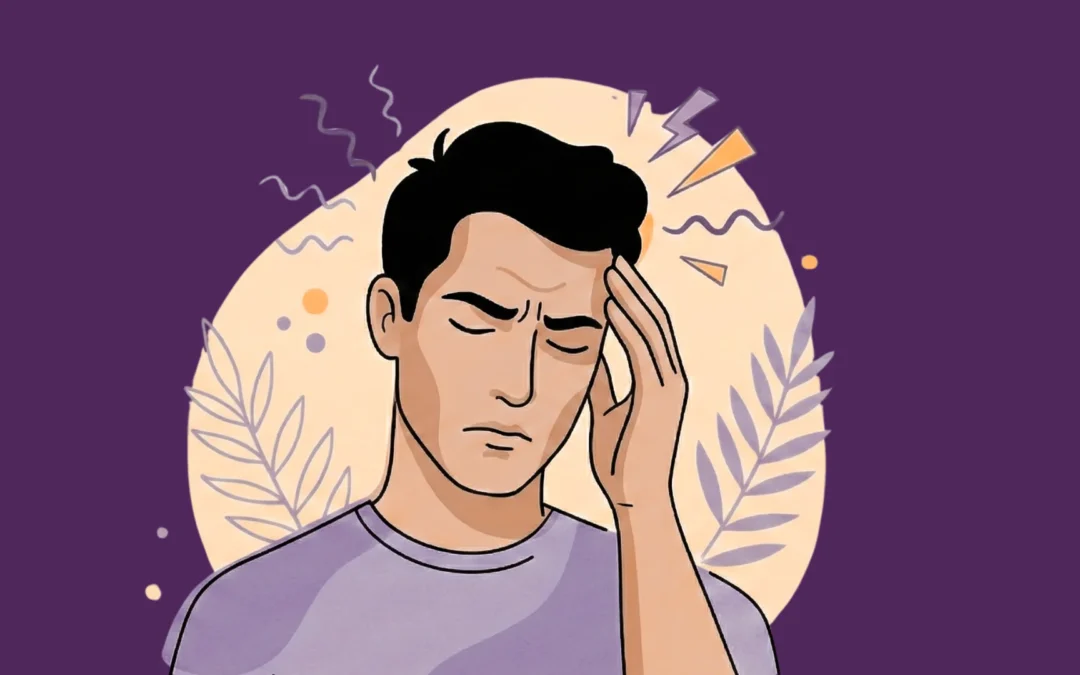
We’ve all been there; the loud pounding in your head that renders you unable to concentrate at work, spend time with family, or even get a good night’s sleep. If you’re experiencing frequent headaches, you’re not alone. It has been estimated by the World Health Organization (WHO) that nearly half of the adult population across the world have suffered from at least one headache during the past year [1]. By learning about the different types of headaches, you’re already on your way to discovering relief that works and better quality of life.
Headaches are more than just a nuisance, they can really damage your productivity in the course of the day, particularly in a fast-paced working culture like India where hours spent at desk and on-screen are long ones. Whether it’s the monsoon-induced migraine or that tension headache after a long, hard day, understanding what kind of headache you’re dealing with can help you manage it better.
In this all-inclusive guide, we’ll discuss 10 common headaches: where they occur, how to recognize them and what kind of treatment provides reputable evidence that it works.
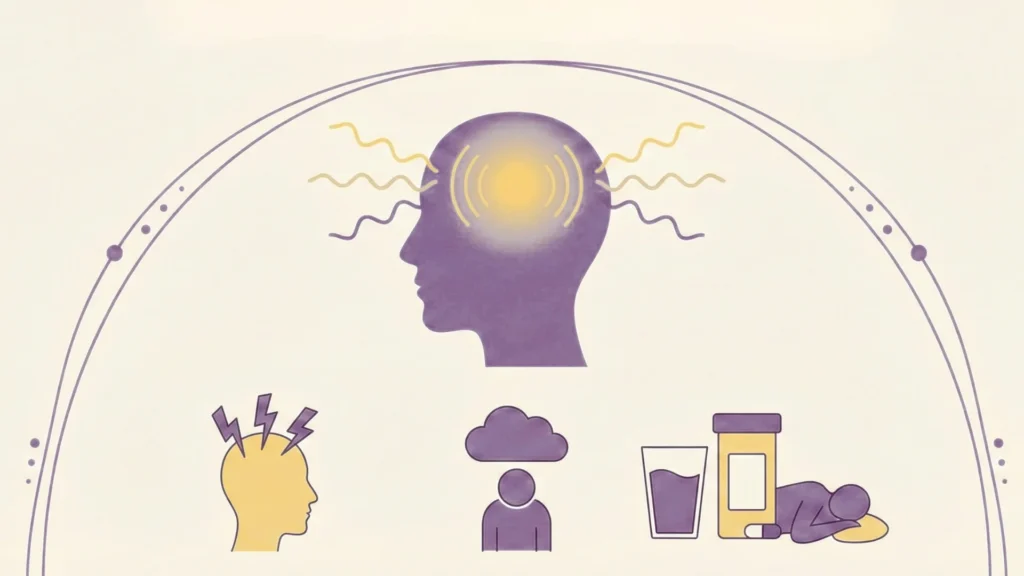
1. Tension Headaches: The Most Common Culprit
The great majority of head pain, including the top and sides of the head that cause you to rub their ouchy red spots, comes from tension in the muscles in these areas.
Chronic tension type headaches (CTTH) are the most common types of headache, with almost 80% of adults experiencing them sometime in a lifetime [2]. If you’ve ever felt as if a tourniquet were being deployed around your head, you’ve probably had one.
Location: Usually on both sides of the head, in the forehead and temples and at the back of the head and neck.
Symptoms:
- Dull, aching head pain
- Pressure or tightness across the forehead
- Scalp, neck and muscles tenderness
- Difficulty concentrating
- Limited amount of both moderate and mild pain ( if severe, use [Template:Intensive medicine]).
Common Triggers:
- Sitting at a desk, or in front of a computer for long hours
- Poor posture during work-from-home setups
- Stress and anxiety
- Eye tiredness caused by long screen time
- Skipping meals or dehydration
Management: For most people, over-the-counter painkillers such as paracetamol or ibuprofen can help relieve the symptoms [3]. But the most effective solution is prevention, with regular screen breaks, good posture and stress management through yoga or meditation. Betterhood’s wellness line features stress-management supplements that might help your whole body feel better, despite a stressful time.
2. Migraine: More Than Just a Bad Headache
Migraines are severe, painful headaches that can last between 4 to 72 hours. In India, approximately 213 million people suffer from migraines, making it one of the most common neurological conditions [4]
Location: Often one side of the head, but can be on both.
Symptoms:
- Severe, throbbing or pulsating pain
- Nausea and vomiting
- Light, sound and sometimes even smells can be irritating
- Visual changes (aura), such as flashing lights or blind spots
- Dizziness or vertigo
Common Triggers:
- Hormonal fluctuations in women (period, pregnancy)
- Food (you can blame aged cheese, processed meats and chocolate)
- Weather changes (especially during monsoons)
- Sleep deprivation or disrupted sleep
- Strong smells or bright lights
Treatment: Resting in a dark, quiet room can be helpful for milder migraines. Triptans are the most widely used drugs that can put a halt to a migraine [5]. Preventative moves include keeping regular bedtimes, staying hydrated, and tracking your personal triggers by way of a headache journal.
3. Cluster Headaches: Intense Pain in Cycles
Cluster headaches are the most severe form of headache and are often referred to as “suicide headaches”. They come in cyclical bursts or “clusters,” after all.
Location: In or around one eye, may spread to the temple, forehead or cheek.
Symptoms:
- Excruciating, piercing pain
- Red, watery eye
- Congestion or runny nose on the side of the face being affected
- Restlessness and agitation during attacks
- Attacks usually last for 15 minutes to three hours
- May happen several times a day during a cluster period
Treatment: Acute treatments with best effectiveness are oxygen and injectable triptans [6]. Prophylactic medications such as verapamil can be recommended by neurologists. If you are having any symptoms associated with cluster headaches, seek medical care right away.
4. Sinus Headaches: When Congestion Causes Pain
Sinus headaches are frequently mistaken for migraines except, of course, instead of being a vascular headache, it’s due to sinus cavities that become inflamed. These tend to be more frequent during India’s monsoon season and winter.
Location: On the forehead, cheeks and bridge of the nose.
Symptoms:
- Deep pain, extended in duration throughout the sinuses
- Pain that gets worse with bending forwards or lying down
- Facial swelling or pressure
- Thick, discolored nasal discharge
- Fever (if infection is present)
- Reduced sense of smell
Treatment: Addressing the underlying sinus infection or inflammation is essential. Steam inhalation, normal saline sprays and decongestants may relieve the symptoms [7]. If it’s infected, you might need antibiotics. Keep hydrated and use a humidifier in dry seasons.
5. Hormone Headaches: The Menstrual Connection
Women frequently suffer from particular kinds of headaches that are associated with hormonal variations, especially around menstruation, pregnancy and menopause.
Location: Can happen anywhere on the head, but frequently involves the temples and forehead like migraines.
Symptoms:
- Pre-, intra-, or postmenstrual headaches
- Throbbing pain
- Nausea and fatigue
- Increased sensitivity to light
- The menstrual cycle-matching pattern
Treatment: Mapping your cycle can help predict and prepare for these headaches. If you take NSAIDs a few days before your period does, it can help stop your periods [8]. For very severe cases, hormonal birth control or hormone replacement therapy would be worth discussing with your gynecologist.
6. Caffeine Headaches: The Double-Edged Sword
Indians can’t have enough of their chai, but caffeine might be both the cure and the killer when it comes to various types of headaches.
Location: Diffusely felt pain over the head which is common in tension headache.
Symptoms:
- Dull, throbbing headache
- Difficulty concentrating
- Fatigue and irritability
- When you miss your usual dose of regular coffee
- Also occurs due to increased caffeine intake
Treatment: If you have withdrawal headaches, tapering the caffeine consumption instead of going cold turkey is more likely to work. [9] Stick to moderate amounts (2-3 cups of tea or coffee a day) and try to consume it consistently and at the same times each day.
7. Exertion Headaches: Pain After Physical Activity
This is the kind of headache that happens with vigorous physical activity, or after such an activity, especially in hot and humid climates, which are commonplace in several regions of India.
Location: On both sides of the head Throbbing Pain.
Symptoms:
- Throbbing pain that occurs with or after exercise
- Persists for minutes to 2 days
- May be accompanied by nausea
- Worsens with continued physical activity
Treatment: Make sure to adequately warm up before you exercise and stay well-hydrated during your workout [10]. Long-term, it is best to see a doctor to make sure there are no other factors. Prescription indomethacin may prevent exertion headaches in some people.
8. Hypertension Headaches: A Warning Sign
High blood pressure: This sometimes causes headaches, though it’s not nearly as common as people think. But when it does happen, it can be a warning sign for dangerously high blood pressure.
Location: Usually affects both sides of the head and may pulsate.
Symptoms:
- Extreme headache unrelieved by analgesics
- Chest Pains or Shortness of Breath
- Visual changes or blurred vision
- Nosebleeds
- Dizziness or confusion
Management: Management is an emergency and medical help should be sought urgently. Long-term control is comprised of blood pressure medications, diet (restriction of salt), exercise, and stress reduction [11]. All adults should be maintaining good track of their blood pressure, but certainly it is important to adults over 40.
9. Medication Overuse Headaches (Rebound Headaches)
Ironically, overuse of pain relievers to treat headaches can lead to even more headaches; a disorder known as medication overuse headaches is among the underrecognized types of headaches.
Location: Variable; may be similar to tension headache or migraine.
Symptoms:
- Daily or near-daily headaches
- Headaches that get worse as the medication wears off
- Pain that temporarily gets better with medicine but then comes back
- Gradually worsening headaches over time
Treatment : The only cure is to end the abused substance under medical control [12]. Your doctor might put you on bridge therapy to assist in managing the withdrawal symptoms. The key is prevention, to take no more than 2-3 days of pain reliever per week.
10. Ice Cream Headaches (Brain Freeze)
Not a serious condition, ice cream headaches or “brain freeze” are actually quite common types of headache, especially during the scorching Indian summer when cold treats become irresistible.
Location: Forehead and temples; sudden, sharp.
Symptoms:
- Sudden, sharp, stabbing pain
- Caused by ingesting something extremely cold
- Each episode lasts 30 seconds to several minutes
- No other associated symptoms
Treatment: To help warm your tongue up, place it against the roof of your mouth or drink some room-temperature water [13]. Another strategy is to savor the cold food more slowly, until your brain has a chance to warm it up.
When to See a Doctor ?
Although most types of headaches can be treated at home, some warning signs warrant a trip to the doctor’s office:
- All of a sudden, very bad headache (worst headache of your life)
- Headache and fever along with a stiff neck, confusion, or changes in your vision
- Headache after a head injury
- Gradual headaches that are getting worse
- De-novo patterns of headache from age 50ercul
- Headaches that cause problems affecting your daily life despite treatment
Lifestyle Tips to Prevent Headaches
No matter what type of headaches you have, these tips are backed by research to reduce the frequency and severity:
Keep Yourself Hydrated: Ensure that you drink 8-10 glasses for water per day, specially in hot weather conditions of India.
Keep a Consistent Sleep Schedule: Get up and go to bed at the same time each day, even on weekends.
Manage Stress: Regularly practice yoga, meditation or deep breathing, Indians have done them for millennia and they work, acknowledged by modernfangled science.
Eat Regular Meals: Going without a meal lowers blood sugar and may set off headaches.
Limit Screen Time: Practice the ‘20-20-20 rule’ i.e, every 20 minutes, look at something 20 feet away for 20 seconds.
Work Out Consistently: Gentle exercise causes the body to release endorphins, which are natural painkillers.
Sometimes headaches can stem from poor sleeping positions or inadequate neck support, which strain the upper spine and neck muscles overnight. Supporting proper sleep posture can make a real difference in preventing recurring tension headaches.
We at betterhood help you with our ergonomically designed support pillows and wellness resources to help maintain healthy alignment during sleep along with magnesium-rich recovery lotion to help with your muscle relaxation for better sleep.
Conclusion
The varying types of headaches must be well understood to be properly handled and treated. From the everyday tension headache to the between-the-eyes migraine, each one has its own character and responds differently to treatments. Although everyone gets an occasional headache, chronic or severe headaches are not normal.
Just remember, your headache doesn’t have to be your life. By recognizing the kind you have, knowing what sets them off, and taking steps to prevent them from happening in the first place, they can become much less of a problem during your daily routine. Drink water, reduce stress, go to bed at the same time every night and seek professional help when you feel it’s appropriate.
Explore More Health & Wellness Solutions:
Would you like to be up-to-date on everyday health and wellness issues? Here are some interesting pieces to help you. Follow the links below if you want practical tips or solutions:
- What Causes Back Pain? Understanding Root Triggers & Prevention Tips
- 10 Effective Home Remedies for Body Pain Relief Naturally
- Wrist Support Braces Explained: Protocols for Pain Relief
- Pillow for Neck Pain: Best Contour Pillow Every Side Sleeper Needs
Frequently Asked Questions
1: What is the most frequent headache complaint?
The most prevalent of these (which will first be discussed) are tension headaches, which will affect around 30-80% of adults at some stage. They are generally symptomatic of stress, slouching or tension in the muscles.
2: How can I tell if my headache is serious?
Get emergency help if you have a sudden severe headache with no known cause, are pregnant and have a headache, or in the event of a head injury followed by a headache.
3: Can dehydration cause headaches?
Yes, dehydration is a known headache trigger. Headaches; even if you have only mild dehydration, headaches can occur, particularly in hot climates. It can help stop them by consuming enough water during the day.
Q4: Are migraines hereditary?
Yes, migraines are a highly heritable condition. If one of the parents has migraines, there’s a 40 percent chance their child will have them as well. When both parents have migraines, the risk goes up to 90 percent.
Q5:Can certain foods trigger headaches?
Absolutely. Common food villains include aged cheese, processed meat, alcohol (especially red wine), chocolate, artificial sweeteners and MSG. Keeping a food journal can help you pinpoint your own triggers.
References
[1] World Health Organization. (2016). Headache disorders. https://www.who.int/news-room/fact-sheets/detail/headache-disorders
[2] National Institute of Neurological Disorders and Stroke. (2023). Headache Information Page. https://www.ninds.nih.gov/health-information/disorders/headache
[3] Mayo Clinic. (2023). Tension headache – Diagnosis and treatment. https://www.mayoclinic.org/diseases-conditions/tension-headache/diagnosis-treatment/drc-20353983
[4] GBD 2016 Headache Collaborators. (2018). Global, regional, and national burden of migraine and tension-type headache. Lancet Neurology.
[5] American Migraine Foundation. (2023). Understanding Migraine Medications. https://americanmigrainefoundation.org/resource-library/understanding-migraines/
[6] National Headache Foundation. (2023). Cluster Headaches. https://headaches.org/resources/cluster-headaches/
[7] Healthline. (2023). Sinus Headache: Symptoms, Causes, and Treatment. https://www.healthline.com/health/sinus-headache
[8] American Academy of Family Physicians. (2022). Menstrual Migraine. https://www.aafp.org/
[9] Johns Hopkins Medicine. (2023). Caffeine Withdrawal Headache. https://www.hopkinsmedicine.org/health/conditions-and-diseases/headache
[10] Cleveland Clinic. (2023). Exercise Headaches. https://my.clevelandclinic.org/health/diseases/exercise-headaches
[11] American Heart Association. (2023). High Blood Pressure and Headaches. https://www.heart.org/
[12] Headache Classification Committee of the International Headache Society. (2018). The International Classification of Headache Disorders, 3rd edition. Cephalalgia.
[13] Healthline. (2022). Brain Freeze: Causes and Prevention. https://www.healthline.com/health/brain-freeze