


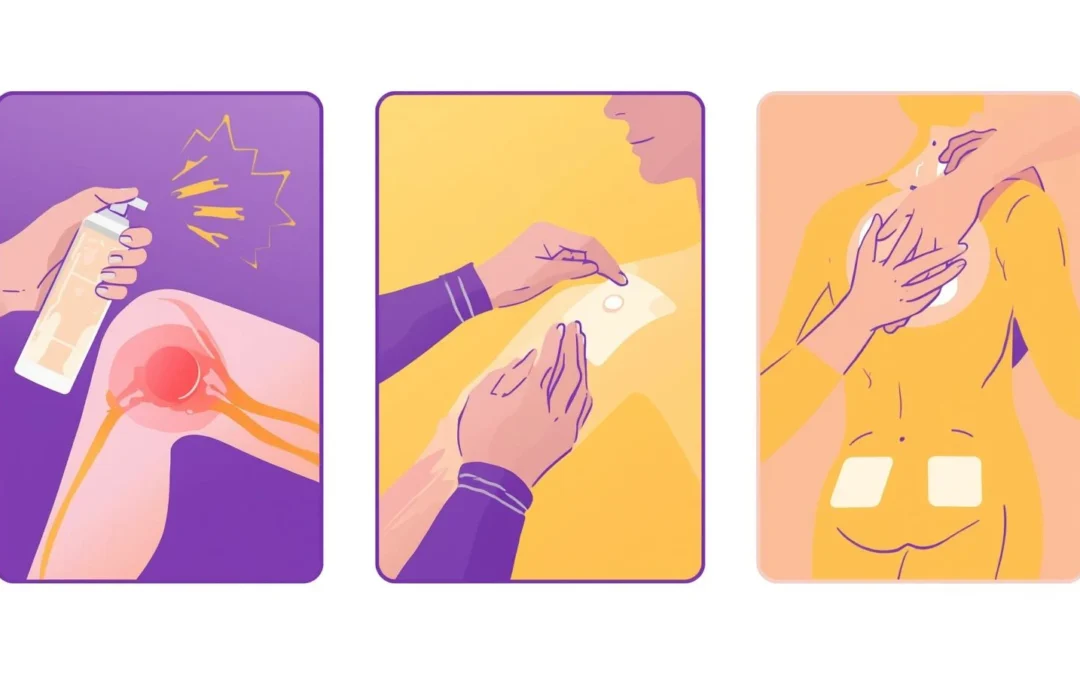
Pain is among the most common health issues faced by people of all ages. Whether due to muscle strain, injury, arthritis, poor posture or strenuous physical activity, pain can make a big impact on a person’s day to day life and productivity. For a lot of people, it turns into a rather big matter of squally adjusting to release the pain.
Luckily enough, there is a broader spectrum of pain relief products available today that can help lessen the discomfort and speed up recovery. This includes topical creams, heating pads, cold therapy packs, braces, massage tools and compression supports. When used properly, they can help reduce inflammation, enhance blood flow, relax muscles and deliver targeted relief.
Pain relief products are particularly beneficial for those who suffer frequent muscle soreness from exercise, office workers with sedentary lifestyles, older folks experiencing joint stiffness or anyone recovering from minor injuries. Most of these items are designed for home use, so they’re a convenient option to help manage pain in your everyday life.
When used appropriately, nonprescription methods of pain relief such as topical medications, heat therapy and cold packs can help reduce mild to moderate pain and inflammation, experts say. [1]
But the treatment of pain should not depend entirely on products. When combined with the right exercise, stretching, posture correction and a healthy lifestyle, pain relief tools can show great results in the long term.
In this ultimate guide, we will cover the best pain relief products available on the market, how they work and benefits of using them, along with tips for selecting one that suits your needs.
Common Causes of Pain
To make a good choice between pain relief products, it is essential to realize what causes pain. Understanding the root cause will help determine which products or treatments will be most effective.
Muscle Strain
This happens when muscle fibers stretch or tear, usually from overuse or a sudden movement. This often occurs when performing physical activities such as lifting heavy objects, exercising without warming up, or carrying out repetitive motions.
Symptoms may include:
- Muscle stiffness
- Tenderness
- Limited mobility
Most people find that muscle strains respond well to rest, stretching and recovery products.
Joint Inflammation
Joint inflammation is characterized by inflammation or swelling of the tissues surrounding the joints. Chronic joint pain may be caused by conditions like arthritis.
Arthritis affects millions of adults and is among the leading global causes of disability, according to the Centers for Disease Control and Prevention. [2]
Joint pain aids, including braces, heat therapy or compression (or all three!) can be used to mitigate joint discomfort.
Poor Posture
The modern sedentary lifestyle includes stints of hours sitting at Redis, operating a computer, or staring at mobile devices. Poor posture can lead to:
- Neck pain
- Shoulder tension
- Lower back discomfort
Stretching exercises and ergonomic support products can provide relief from posture related pain.
Overuse and Repetitive Movements
Overuse injuries can occur due to repetitive movements like typing, lifting or sports activities. These injuries lead to inflammation and muscle fatigue.
Recovery tools such as massage guns and foam rollers help decrease muscle tightness from repetitive movements.
Advantages of Pain Relief Products
When used properly, pain relief products have several benefits.

Reduce Pain and Inflammation
Many of these products target the source of pain and minimize inflammation.
Topical treatments that contain compounds such as menthol or capsaicin give a cooling or warming sensation that offers short-term pain relief. [1]
Improve Blood Circulation
Heat therapy products enhance blood flow to damaged muscles, helping deliver oxygen and nutrients necessary for recovery.
Improved blood flow aids quicker recovery of the muscle.
Support Joint Stability
Compression supports and braces are enabling devices that minimize strain during physical activities by stabilizing joints.
These products are often used on knees, ankles, wrists and elbows.
Enhance Mobility and Comfort
Products designed to relieve pain help people move more easily when going about everyday tasks, potentially enhancing quality of life.
Types of Pain Relief Products
Calendar editor with access to A.There are many pain relief products, each catering to the different types of pain.
Topical Pain Relief Creams
Topical pain relief topical creams are used on the skin where you feel a pain.
These creams can include ingredients like:
- Menthol
- Capsaicin
- Lidocaine
Non-steroidal anti-inflammatory drugs (NSAIDs)
How it works: Topical treatments stimulate nerve receptors and reduce the pain signals transmitted to our brain.
Health experts say topical pain relievers can help with conditions like arthritis, muscle strains and joint pain. [3]
Heating Pads and Heat Therapy Products
One of the best and oldest treatments for muscle pain is heat therapy.
Heating pads, warm compresses and heat wraps help loosen muscles and promote blood circulation.
Heat therapy is particularly good for:
- Chronic muscle pain
- Joint stiffness
- Back pain
Heat therapy uses the principle of applying heat to relax muscles and increase flexibility, making it effective in easing muscle stiffness and discomfort, according to the Cleveland Clinic. [4]
Cold Therapy Packs
Cryotherapy, or cold therapy, is often employed following injuries or strenuous exercise.
Cold packs help:
- Reduce swelling
- Decrease inflammation
- Pain in the affected region
Cold therapy is especially beneficial with acute injuries like sprains or muscle strains.
During the first 24 to 48 hours following an injury, the Mayo Clinic recommends using cold packs to reduce swelling. [5]
Braces and Support Products
Let’s start with support braces that are intended to stabilize joints and prevent future injury.
Common types include:
- Knee braces
- Wrist supports
- Ankle braces
- Back supports
Improve recovery during exercise and help alleviate stress on injured joints.
Massage Tools
Massage tools are everywhere as we all search for muscle recovery and relaxation.
Examples include:
- Foam rollers
- Massage balls
- Massage guns
Therapeutic massage aids in the release of muscle tightness and enhances circulation.
It is known that massage therapy may reduce delayed onset muscle soreness (DOMS) after physical exercise[4] [6]
Top Pain Relief Products for Achy Muscles
It’s well known that some products are better at alleviating sore muscles than others.
Foam Rollers
Foam rollers are tubular devices that are used for self-massage and muscle recovery.
Benefits include:
- Reduced muscle tension
- Improved flexibility
- Faster recovery after workouts
The idea behind foam rolling is that it applies pressure to tight areas in muscles, allowing knots to release and blood flow improve.
Massage Guns
Massage guns apply rapid vibrations to penetrate deep muscle tissues.
Muscle squeeze and release, as there are types of compression devices that assist in reducing muscle soreness or increasing circulation post exercise.
Massage guns are commonly used by athletes and fitness lovers to quicken recovery.
Compression Sleeves
They can provide mild compression on muscles and joints.
Benefits include:
- Reduced swelling
- Improved circulation
- Better joint support
Knee, elbow and calf sleeves are also used for this.
Over the Counter Pain Relief Products
Some topical pain relievers are daily use products that are intended to be applied before you feel discomfort.
Examples include:
- Ergonomic office chairs
- Posture correctors
- Orthopedic cushions
- Foot massagers
These products alleviate the physical strain associated with prolonged sitting or standing.
How to Choose the Right Pain Relief Product
Choosing the appropriate product depends on what kind of pain it is and why.
Consider the following factors:
Identify the Source of Pain
Identifying whether pain originates from muscles, joints or nerves helps us get toward the best treatment.
Consider the Severity of Pain
Mild pain might respond well to topical creams or stretching.
Severe pain requires big guns support products.
Follow Usage Instructions
Incorrect use of products can lead to decreased efficacy or irritation.
Always follow manufacturer guidelines.
Consult a Healthcare Professional
If it’s still painful or hurts more, go and seek medical advice.
Moisturizers and Pain Relief Products: When Not to Use Them
Many pain products are safe or at least reasonable for widespread use, and there are appropriate times to use them, but not all the time.
Do not use these products if you have:
- Severe injuries or fractures
- Persistent unexplained pain
- Signs of infection or swelling
These cases require medical evaluation.
What You Can Do to Help With Pain Relief
Pain relief is most effective in conjunction with a healthy lifestyle.
Regular Exercise
Exercise builds muscle and increases flexibility.
Stretching
Stretching helps to ease tightness and increase range of motion.
Good Posture
Proper posture prevents straining of the muscles.
Hydration
It helps with recovery and keeps the joints moving AND we should replace fluids lost during exercise.
Conclusion
Pain relief plays a key role in sensation and quality of life day to day, both health care and sex awareness. Topical creams, heating pads, braces and massage tools are just a few of the popular products that offer easy go-tos for alleviating muscle soreness, joint pain and inflammation.
But pain relief products should make up just one aspect of a comprehensive health plan that includes regular exercise, stretching, proper posture and enough rest.
Understanding the reason for pain and selecting appropriate items, one may manage distress successfully and continue a lively existence.
Frequently Asked Questions
Yes. Properly used, many over-the-counter pain relief products help diminish discomfort and inflammation.
When you have sore muscles, you might turn to foam rollers, massage guns or topical creams.
Heat therapy eases muscle tension; cold therapy alleviates swelling.
Pain relievers supplement the treatment of mild pain but not some serious conditions and should not serve as self-treatment.
Most products are safe when used as directed, but any overuse should always be avoided.
References
[1] Harvard Health Publishing. (2022). Topical pain relief: Creams, gels and rubs.
https://www.health.harvard.edu/pain/topical-pain-relief-creams-gels-and-rubs
[2] Centers for Disease Control and Prevention (CDC). (2023). Arthritis Basics.
https://www.cdc.gov/arthritis/basics/index.html
[3] WebMD. (2022). Topical Pain Relievers.
https://www.webmd.com/pain-management/topical-pain-relievers
[4] Cleveland Clinic. (2023). Heat Therapy for Pain Relief.
https://health.clevelandclinic.org/heat-therapy
[5] Mayo Clinic. (2023). Cold therapy for injuries.
https://www.mayoclinic.org/first-aid/first-aid-cold-therapy
[6] National Institutes of Health (NIH). (2018). Massage therapy for muscle recovery.
https://www.ncbi.nlm.nih.gov/pmc/articles/PMC5932411/