





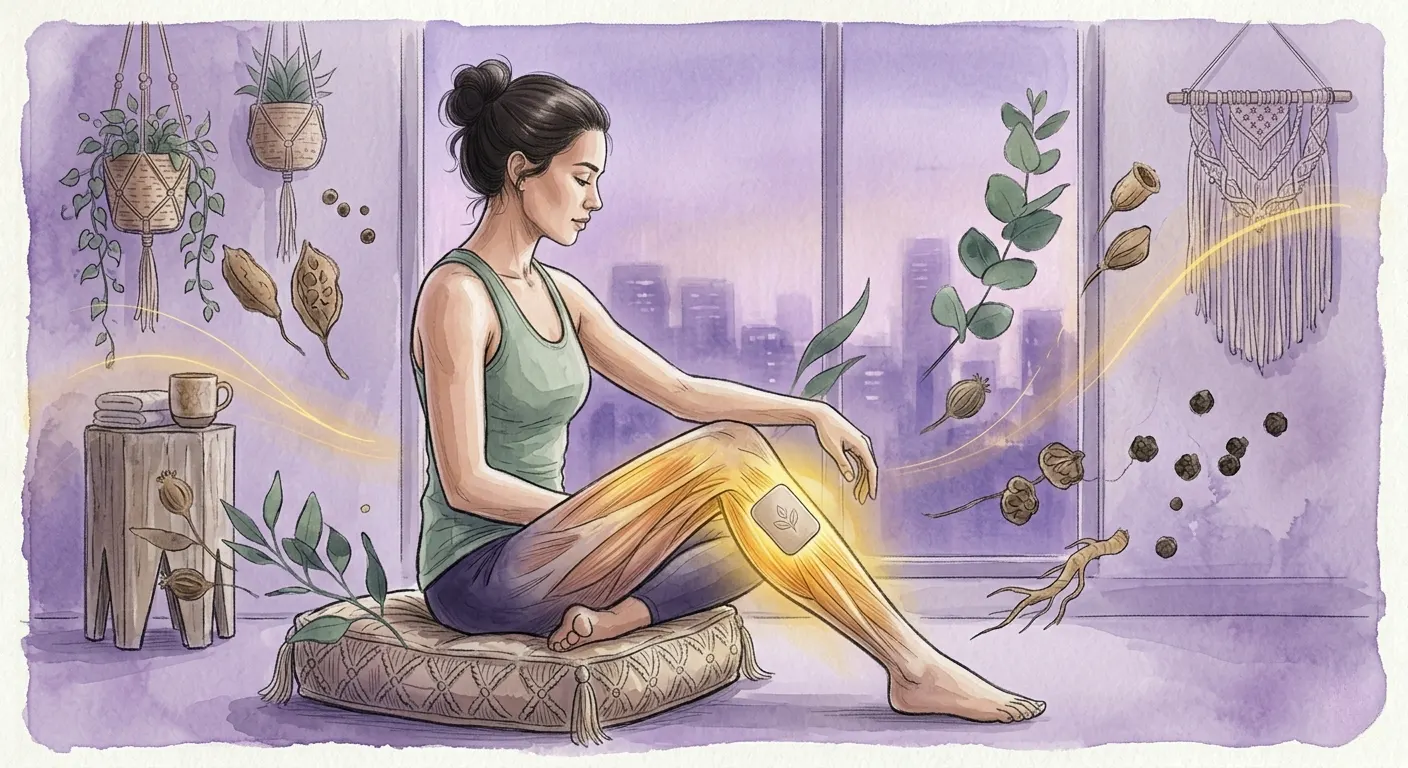
Soreness is a part of the deal when you lead an active lifestyle. Whether it stems from training, sports practice, running a race, cycling, working out at the gym or labor-intensive work, fatigued muscles can make the body feel tense and sore. A sports recovery and muscle pain relief patch is an easily placed patch that soothes sore muscles right where you need it the most. Home care traditional remedies for muscle stiffness, tension, and overuse pain include heat and topical aid. [1]
Recovery is no longer just for athletes. Others who are busy with schedules, working long hours or travelling regularly and/or those who have active lifestyles seeking a more effective method to combat body ache. And that is one of the reasons why pain relief patches have gained popularity. They are easy to wear, portable, and can be used all day long. In contrast to big and cumbersome heating pads or glopping creams, a patch can remain in place becoming part of your every day routine without creating extra mess or hassle. This ease of use can be inferred from the wearable nature of supporting products shaped like a patch. [2]
Why does it hurt in the muscles after exercise?
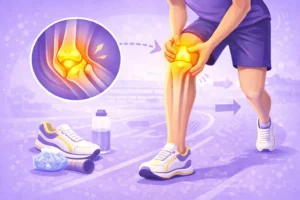
Muscles can feel fatigued, stiff, or achy after exercise. This usually occurs when muscles are overworked, or used to the same activity repeatedly over time. According to MedlinePlus, muscle aches are most commonly associated with tension, over-exertion or exercising. [3]
Immediate or Delayed Muscle Soreness Muscles may get sore while performing the activity or few hours to days after performance. This is particularly common after intense workouts, trying new exercises, or doing sports training. You see, recovery matters because muscles need time and support to get back to normal. Incorporating types of stretching, hydration, movement and heat-based comfort methods are often included in many recovery routines. [4]
What is a pain relief patch?
A pain relief patch is a topical patch that you wear to support sore muscles, stiffness and other related pains. It is commonly used on the:
- shoulders
- lower back
- neck
- thighs
- calves
- knees
- upper back
The convenience benefit of a patch is the main one. It attaches to the body and allows people to go about their daily activities whilst receiving targeted support. This makes patches ideal while working, traveling, post-workout or simply relaxing at home. This is an inference because of the form which the patch takes but also because in general using heat support for self-care. [2]
Heat is generally used for tight, tense or stiff muscles. According to Mayo Clinic guidance, heat is believed to help relax muscles and increase comfort in sore areas. Heat is typically better for chronic tightness and post-exercise soreness, as opposed to a recent injury with swelling. [6]
Most of us find soothing warmth after high-intensity workouts or strenuous activity. A heat pain relief patch might help the muscles feel less sore as they recover. [6]
Cold therapy, on the other hand, is generally applied during first phases of a fresh injury. According to MedlinePlus, ice is a common treatment in the first 48 to 72 hours following a strain; heat later. [7]
That means a pain relief patch might particularly useful for:
- post-workout stiffness
- shoulder tension after exercise
- lower-back soreness after activity
- muscle tightness from overuse
- recovery support following sports practice
The advantages of applying a patch for pain relief
Targeted comfort
Similar to how a patch treats one sore spot rather than your entire body. This is helpful when the soreness only occurs in one area of a muscle group following physical exercise or work. [3]
Hands-free support
A patch stays on with you in action, compared to a heating pad or hot water bags. In this situation, the recovery process is much more natural and allows us to get back to normal activities easier. [2]
Portable and easy to carry
Pain relief patches are extremely lightweight, and they take up minimal space in gym bags, backpacks, or travel kits. They have become popular with many people because they are nearly everywhere you can plug in a device and still get work done. Since the device is a patch, this portability is assumed. [2]
More tidy than gels or sprays
Others choose patches instead of creams or sprays because letting the product dry is not required. Patches might also have a more convenient feel under clothing since they avoid an oily or sticky residue. Such comparisons can be made on physical characteristics of patch and topical formats. [8]
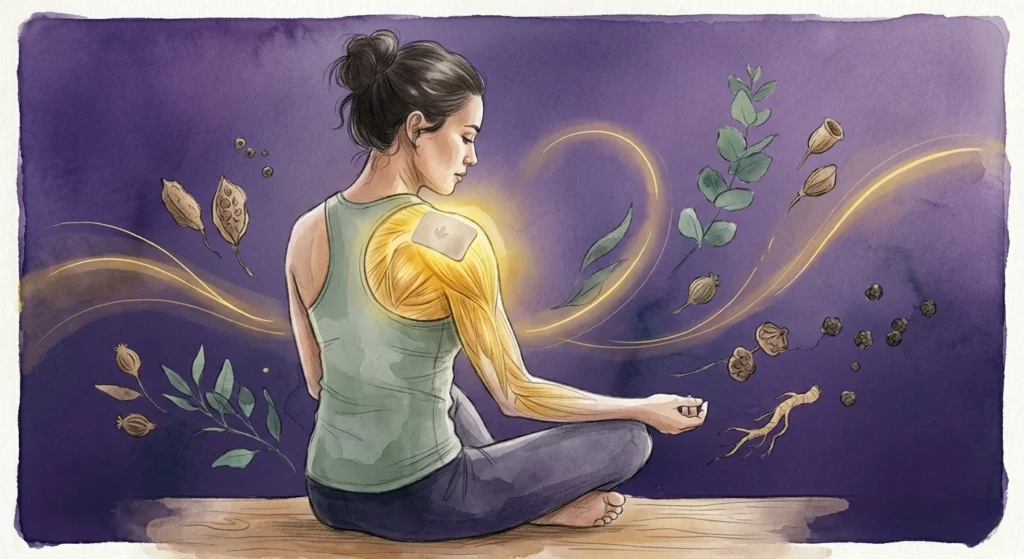
Recovery practices that complement patches
A pain relief patch helps work better when coupled with healthy recovery habits. Tip: Good recovery routine for sport may be the second list:
- stretching before and after exercise
- proper warm-up sessions
- hydration
- enough sleep
- gradual workout progression
- movement breaks during prolonged sitting hours [4]
Muscle recovery is almost never just about one product. Regular habits seem to be the most effective at assisting muscle recovery through time. [3]
Overcome back and shoulder pain in a lifestyle of activity
Back and shoulder tightness is prevalent among active individuals as movement of these muscle groups is often required for various activities throughout the day. Upper-body stiffness is commonly caused by weight training, running, cycling and swimming as well as desk work and repetitive activity. The NHS explains that back pain is not usually caused by anything serious but more related to how someone positions themselves in life, moves their body and uses their muscles. [9]
Since pain relief patches support the affected areas while still allowing for movement of these parts of the body, they help prevent excess immobility that can come from using a splint or brace. This is when several prefer unmistakably wearable help decisions that fit pleasantly into their working, going or reviving projects. [2]
When to avoid heat support
Heat may seem beneficial for stiffness and muscle tension, but it’s not always the way to go. Provide evidence-based reason for how heat is received and indicates contraindication of treatment immediately after a fresh injury accompanied by oedema or inflammation. Cold therapy is advised first for new strains together with. [7]
Plus, heat products also need to be used cautiously so as not to irritate or burn the skin. Follow the product instructions closely, and cease use if skin becomes too sensitive or uncomfortable. [5]
Seek professional medical advice especially if pain:
- becomes severe
- lasts for a long time
- gets worse over time
- causes weakness or numbness
- follows a major injury
Here are a few reasons that Betterhood pain relief patches may be better
Because a big part of the day-to-day recovery rituals these days are comfort, convenience and wearability. betterhood intentionally creates products to fit into everyday life naturally. Because a wearable patch design sometimes may seem more convenient than clunky heat devices or messy topical formulas, which needs to be reapplied regularly. It is an inference from the benefits that are usually seen in patch style support products. [8]
betterhood-style patches may feel even more practical for active people since they are portable, effortless to wear and can be used while working, traveling or recovering at the gym if not at home during a recovery period. The thin and low-profile design may also help provide a more discreet and comfortable way to wear them underneath clothing when compared to larger recovery devices. [2]
Others prefer patches simply because they remain stable even when we are moving and avoid the greasy sensation that occurs in some creams or sprays. The differences we see in patches vs topical products are very much physical. [8]
Your daily rituals for less muscle discomfort
Recovery is more than just about workouts. Muscle tightness and soreness can be caused by too much sitting, bad posture, stress and dehydration or lack of sleep. It is possible that some simple daily habits may also help to promote muscle comfort over a period of time:
- take regular movement breaks
- stretch often
- stay hydrated
- avoid sudden workout increases
- maintain good posture
- sleep on supportive bedding [4]
These habits together with a well-rounded recovery routine could help make everyday muscle soreness seem like it is nothing and increase your overall comfort. [3]
Conclusion
Sports recovery and muscle pain relief patch can be a practical, easy-to-use way for individuals to ease sore, stiff or fatigued muscles after activity. Heat and localized comfort after the early injury phase, especially for muscle tension and post workout tightness. [ref-6]
Many people find patches easier to use than bulky recovery tools, as they are portable, hands-free and in a form that can be applied to the skin. Utilizing a pain relief patch along with stretching, movement, hydration and recovery habits can help make it an effective part of your active lifestyle routine. [4]
FAQs
Yes. If soreness is stiff or tight, rather than swollen or recently injured, pain relief patches are often used to help muscles recover after a workout. [3]
Generally heat is used for muscle tightness and persistent soreness after activity. ComplicationsCold therapy is typically the first treatment advised for new injuries or swelling. [7]
Worn on the body or in daily activities, many use patches during work and travel because they are hands-free. You can deduce this convenience from the design of patch-type products. [2]
Others may choose patches since they tend to be less messy and adhere better. This also compares the distinct physical attributes between patches and topical products. [8]
Seek medical advice if pain is severe, persistent or worsening, and associated with any weakness, numbness, or injury. [1]
References
Mayo Clinic. (n.d.). Back pain: Diagnosis and treatment. https://www.mayoclinic.org/diseases-conditions/back-pain/diagnosis-treatment/drc-20369911
Mayo Clinic Connect. (n.d.). Basic steps for back pain are best. https://connect.mayoclinic.org/blog/take-charge-healthy-aging/newsfeed-post/basic-steps-for-back-pain-are-best/
MedlinePlus. (n.d.). Muscle aches. https://medlineplus.gov/ency/article/003178.htm
NHS. (n.d.). Exercise and stretching guidance. https://www.nhs.uk/live-well/exercise/
MedlinePlus. (n.d.). Neck pain or spasms – self care. https://medlineplus.gov/ency/patientinstructions/000802.htm
Mayo Clinic Connect. (n.d.). Using heat and cold for pain. https://connect.mayoclinic.org/blog/take-charge-healthy-aging/newsfeed-post/using-heat-and-cold-for-pain/
MedlinePlus. (n.d.). Muscle strain treatment. https://medlineplus.gov/ency/article/002116.htm
Inference based on the physical differences between patch-style and topical pain-support products.
NHS. (n.d.). Back pain. https://www.nhs.uk/conditions/back-pain/